Battling The Rains in Gaza

Severe weather conditions have led to further casualties and heightened health risks in Gaza over the past 24 hours, the UN aid coordination office (OCHA) reported on Monday.

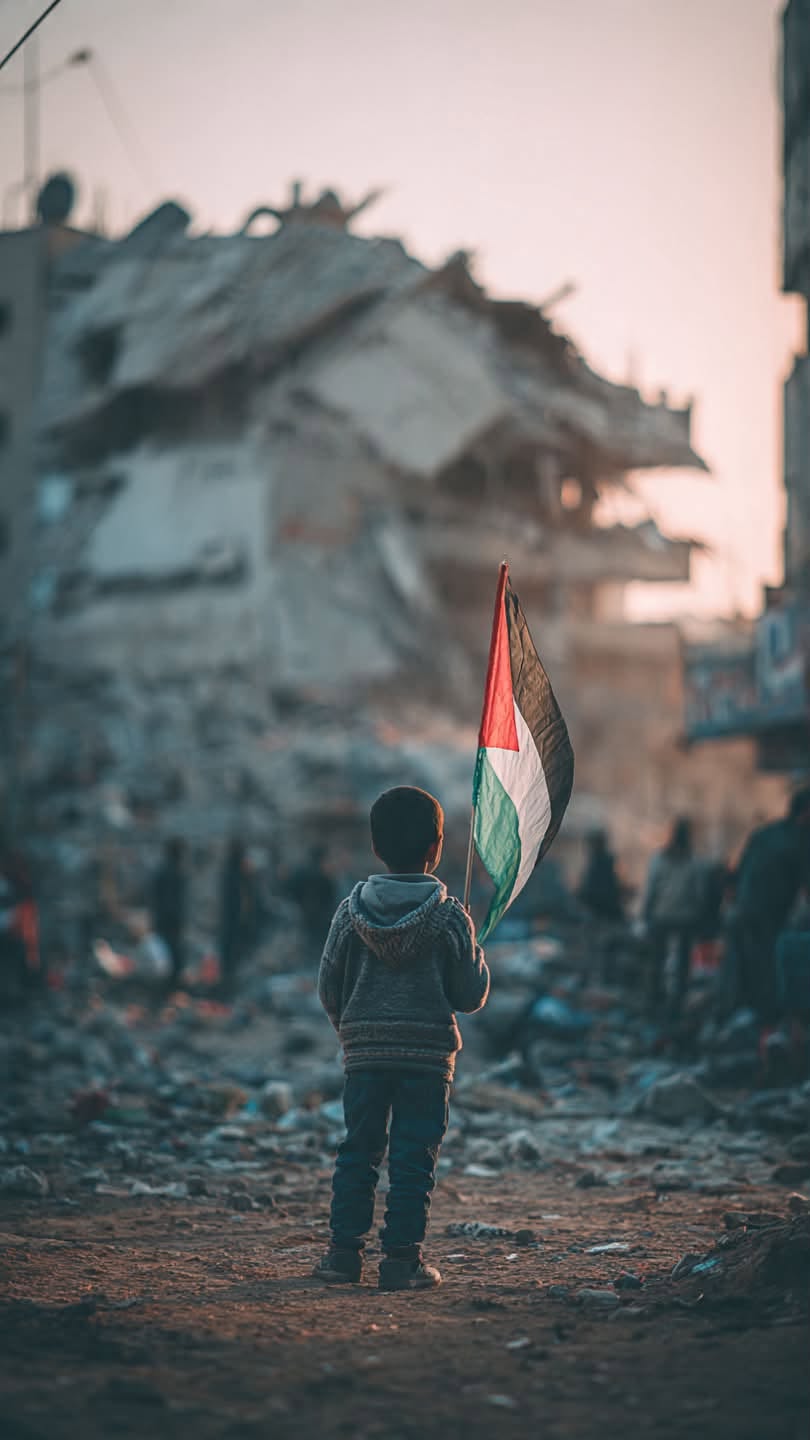
Heavy seasonal downpours are compounding an already dire humanitarian situation, as rainstorms cause war-damaged buildings to collapse, flood tents and soak people’s belongings, OCHA said.

To respond swiftly to flood alerts, a coordinated system bringing together UN agencies and non-governmental organizations is distributing tents, tarpaulins, warm clothes, blankets and dignity kits across Gaza.

The UN and its partners are also mobilising heavy equipment to pump overflowing sewage – which poses serious health risks – away from residential areas. OCHA warned that the conditions have increased the risk of hypothermia, particularly among babies, as well as illnesses linked to sewage flooding.

Separately, humanitarian teams are assisting hundreds of people newly displaced from the At Tufah neighbourhood in Gaza City, where ongoing military operations have forced many residents to flee.

People who remain in, or have returned to, the As Sanafour area of At Tufah – often due to a lack of space elsewhere – report significant challenges in accessing water, food and basic services.

Relief operations continue

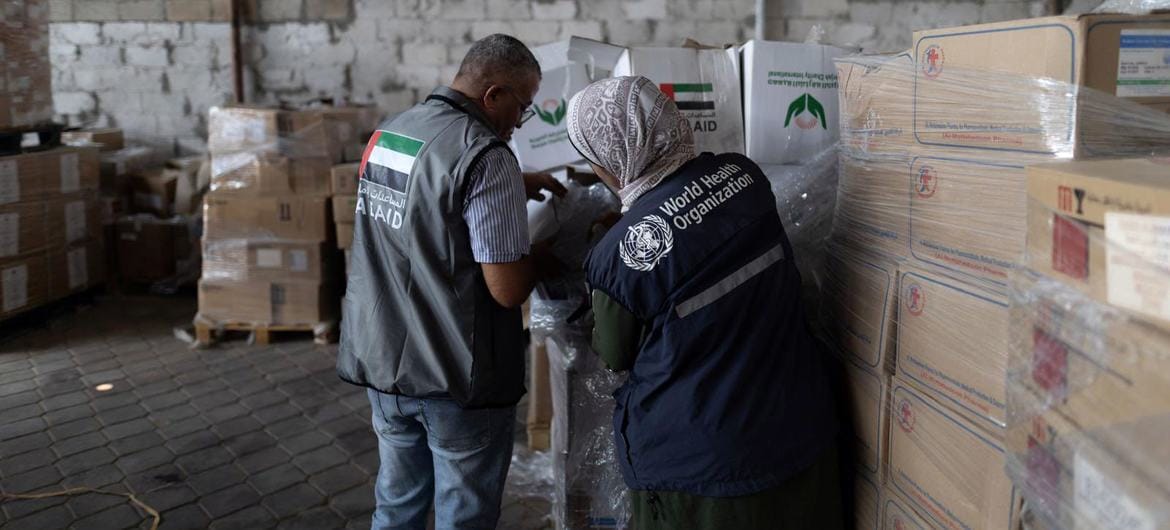
Other relief operations under the UN-coordinated humanitarian plan for the ceasefire are continuing.

Between 23 and 26 December, partners working on water, sanitation and hygiene dispatched tens of thousands of dignity kits, hygiene kits and bottles of shampoo across Gaza, reaching some 150,000 people in need, according to OCHA.

As of Sunday, partners addressing food insecurity had reached more than one million people – about half of Gaza’s population — through 60 distribution points with December’s monthly general food assistance.

In parallel, humanitarian partners distributed veterinary kits and animal feed to more than 2,000 families with livestock between 9 and 26 December, helping support local production and reduce aid dependency according to UN News.

  • CrossFireArabia

    CrossFireArabia
    Dr. Marwan Asmar holds a PhD from Leeds University and is a freelance writer specializing on the Middle East. He has worked as a journalist since the early 1990s in Jordan and the Gulf countries, and been widely published, including at Albawaba, Gulf News, Al Ghad, World Press Review and others.

    Related Posts

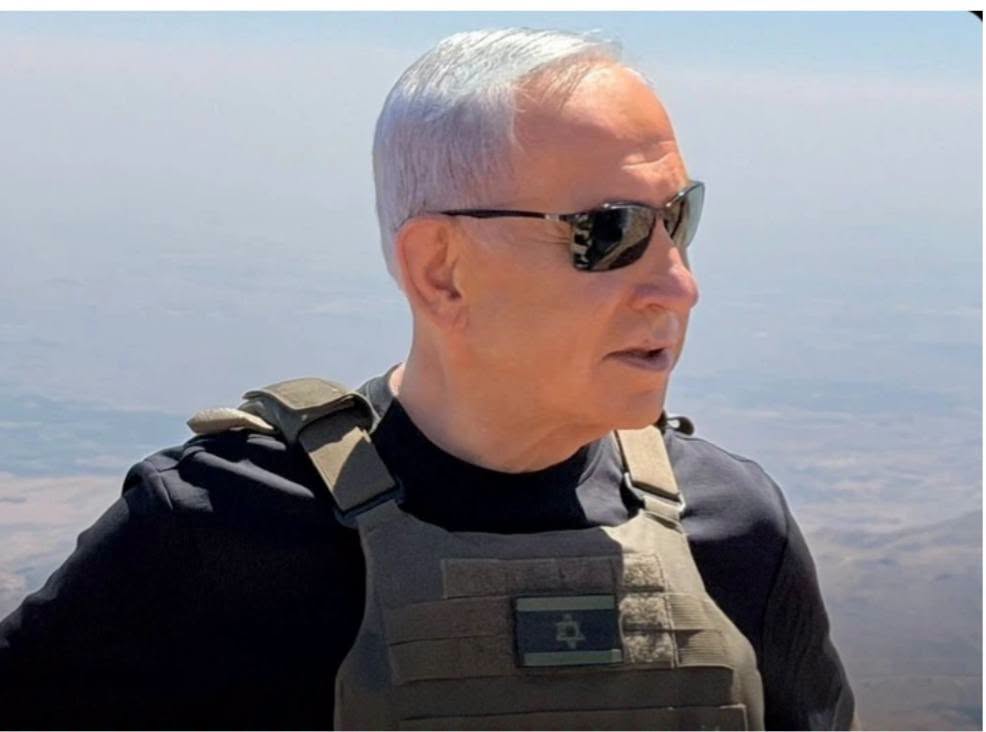
    Israeli Official: ‘Life in The North is Dead’

    Head of the Israeli Regional Council Moshe Davidovich expressed sorrow over the situation in the north, saying: “It’s a feeling we’ve experienced before, and we wish we could be rid of it.”

    In an interview published by Israel’s Channel 14 on Sunday, Davidovich noted that “the residents of the north have been displaced and subjected to relentless shelling for nearly two years.”

    Following the increasing number of Israeli soldiers injured in attacks by the Islamic Resistance in Lebanon in response to the aggression, Davidovich called on his government to take action to “minimize casualties.”

    He also raised another important point, saying: “Everyone is now embracing the residents of the north and saying they are with us, but at the same time I hear that the government intends to cut the north’s budget.” He asked: “How can this be?” describing the Tel Aviv government’s actions toward its own residents as “neglect.”

    Life in the North is Nearly Dead

    Davidovich addressed the head of the occupation government, Benjamin Netanyahu, and Finance Minister Bezalel Smotrich, saying: “People here are unemployed, agriculture is nearly dead, and tourism has come to a standstill,” urging them to take action and not simply ignore the situation.

    He criticized his government’s intention to “cut budgets,” saying: “We give generously, but I don’t want to hear that word. It’s inappropriate and incorrect, and ultimately, it represents a law that harms us.”

    Regarding the settlers in northern occupied Palestine, Davidovich said it is not right for them to remain there, describing the situation as difficult after two arduous years, adding that a recurring scene is their “descending to shelters.”

    Israel Surprised by Hezbollah’s Response

    Israeli media outlets report that the “political leaders” in the occupation government are shocked by Hezbollah’s response and feel powerless in the face of it.

    Other media outlets report that “living in the north is not easy, and the situation is more complex than it was during the 2023-2024 war,” while Yedioth Ahronoth asserts that Hezbollah is neither disintegrating nor collapsing, and consistently succeeds in maintaining an organized chain of command and control.

    The Israeli newspaper Maariv acknowledges that the party “remains alive and active, launching rockets even deep into Israeli territory, and is not firing indiscriminately.”

    Channel 12 admits that the Israeli army was surprised by Hezbollah’s attack despite warnings, and that its soldiers’ assessments of the party’s capabilities were incorrect. JO24

    Continue reading

    You Missed

    Israeli Official: ‘Life in The North is Dead’

    Israeli Official: ‘Life in The North is Dead’

    White House Economic Council Head Says The Iran War May End in 6 Weeks, Wont Stay Months

    White House Economic Council Head Says The Iran War May End in 6 Weeks, Wont Stay Months

    At Day 16 of The War The Israeli Air Force Say The Dropped 10,000 Bombs on Iran

    At Day 16 of The War The Israeli Air Force Say The Dropped 10,000 Bombs on Iran

    IRGC Spokesman: Most of The Missiles Produced After The 12-Day War Are Yet to be Used

    IRGC Spokesman: Most of The Missiles Produced After The 12-Day War Are Yet to be Used

    IRGC Spokesman: Most the Missiles Launched in This War Were Produced 10 Years Ago

    IRGC Spokesman: Most the Missiles Launched in This War Were Produced 10 Years Ago

    Al Bahri: The Man Who Set Palestinian Theater

    Al Bahri: The Man Who Set Palestinian Theater