CrossFireArabia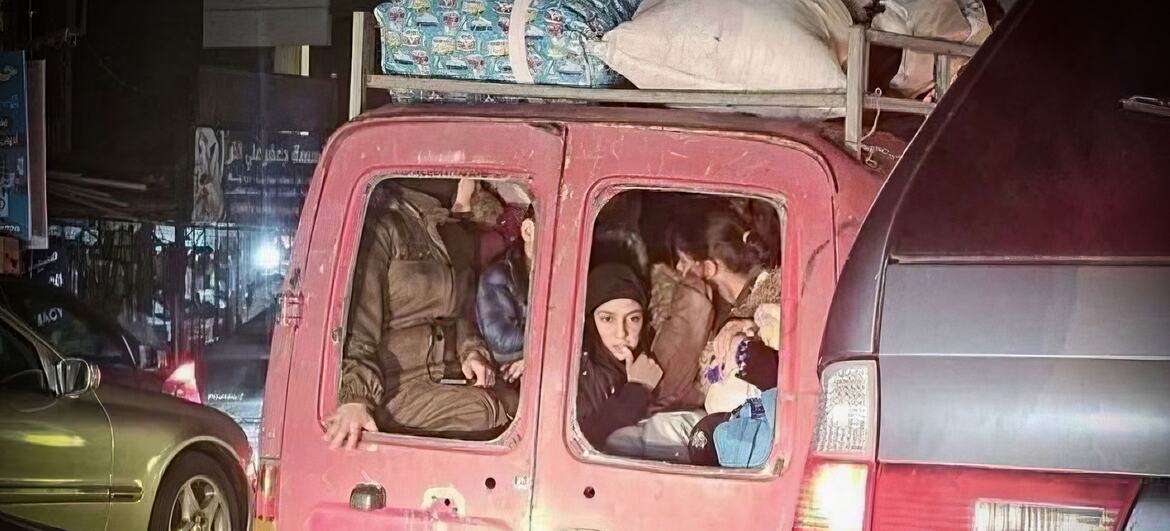
The recent intensive Israeli air strikes in southern Lebanon and Western Beqaa, which resulted in the killing of at least 83 people and the injury of 141 others, including children and women, highlight a repeated pattern of targeting civilians and civilian objects. These attacks also demonstrate a blatant disregard for multiple ceasefire agreements, violating essential principles of international humanitarian law such as distinction and proportionality, amidst a lack of effective international accountability.
According to Lebanon’s Ministry of Public Health, an airstrike in Qennarit, Sidon District, killed seven people and injured 13, including five children and five women. In Sohmar, Western Beqaa, a house was hit, killing four family members and injuring another, with a child trapped under the rubble and waiting for rescue.
These casualties happened during numerous airstrikes on towns and densely populated areas across southern Lebanon and the Western Beqaa from Friday evening to Saturday morning. This highlights the wide geographical reach of the strikes and the danger they pose to civilians. The attacks also raise serious concerns about whether Israeli forces are fulfilling their legal obligation to take all possible precautions to safeguard civilians and minimise harm during military operations.
Euro-Med Human Rights Monitor documented extensive evacuation efforts by Lebanese Civil Defence teams, who evacuated 47 people to safety and transported 16 bodies along with 12 injured individuals to hospitals under extremely challenging conditions. This intense escalation occurred simultaneously with a new ceasefire that took effect on Friday at 4:00 p.m., overseen by the United States.
The timing of the airstrikes, many of which were carried out shortly before the ceasefire took effect, while others continued after it took effect, raises serious questions about Israel’s commitment to its obligations under ceasefire agreements. Such conduct undermines the core purpose of these arrangements, namely the protection of civilians and the prevention of further military escalation. It also demonstrates a consistent pattern of escalating military attacks right before ceasefires are implemented or extended, resulting in higher civilian casualties and diminishing trust in agreements meant to safeguard civilians.
These events are not isolated incidents but part of an ongoing pattern of violations since the first ceasefire agreement was implemented on 27 November 2024. This was followed by a temporary 10-day truce announced on 16 April 2026, which was extended by an additional 45 days in mid-May. The persistent military actions and attacks on civilians and civilian objects despite these agreements raise serious concerns about compliance with their legal obligations. They also highlight the critical need for independent and effective investigations to ensure accountability for any grave violations of international humanitarian law and international human rights law.
Since the ceasefire, Euro-Med Monitor’s field teams have recorded numerous Israeli violations, including airstrikes, artillery shelling, killings, and injuries in populated areas. Although Israel defends these actions with vague security threat claims, international law does not permit such assertions to override the obligation to respect the principles of distinction, proportionality, military necessity, and the obligation to take all feasible precautions to safeguard civilians.
Israeli officials’ repeated statements about ongoing attacks, regardless of ceasefire agreements, undermine the agreements’ purpose and protection, leaving civilians perpetually vulnerable. The ongoing military actions and violations despite publicly declared understandings raise concerns about Israel’s adherence to its international duties. This situation highlights the critical need for robust monitoring and accountability to ensure compliance and safeguard civilians from the impacts of continued hostilities.
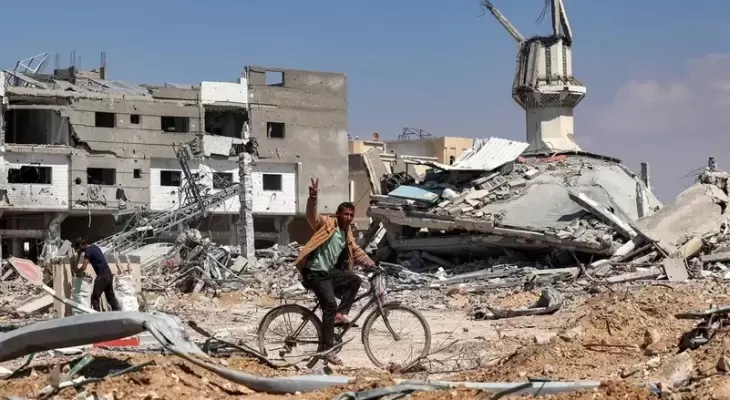
Israel’s ongoing ground incursions and forced evacuation orders, coupled with a widespread and systematic campaign of destruction targeting Lebanese border villages and towns, including residential areas, civilian infrastructure, and essential facilities, exceed legitimate military needs. This behaviour raises serious concerns about violations of core international humanitarian law rules that prohibit the forced displacement of civilians and the destruction of civilian property, unless absolutely required by imperative military necessity.
Furthermore, levelling entire residential neighbourhoods and damaging civilian infrastructure deeply changes the geographic and demographic makeup of these areas. This renders them uninhabitable and denies residents the right to return safely and with dignity, recover their homes, property, and livelihoods. Due to their scale, intensity, and persistent nature, these acts also serve as punitive and retaliatory measures, which are unjustifiable under the special protections granted to civilians during armed conflicts.
The widening scope of military actions and forced displacements is significantly worsening Lebanon’s already severe humanitarian crisis. Hundreds of thousands of internally displaced people face harsh living conditions that are far below basic human dignity standards. This crisis is exacerbated by extensive damage to vital infrastructure and the declining capacity of public institutions and humanitarian groups to meet growing needs. These violations have far-reaching effects, threatening essential rights such as housing, healthcare, food, education, and work. Children, women, older people, and persons with disabilities are especially affected, bearing the heaviest burden.
The repeated pattern of attacks on civilians in their homes, including children and women, causing extensive casualties, particularly on the eve of or alongside each ceasefire announcement, requires urgent and concrete measures that go beyond routine condemnations. Effective action is needed to protect civilians, halt hostilities, and activate accountability mechanisms for grave violations of international humanitarian law.
The international community, particularly the states sponsoring the ceasefire process, should apply real and effective pressure on Israel to stop its military activities in Lebanon. Euro-Med Monitor cautions that frequently accepting ceasefire agreements while ongoing bombings persist weakens their original intent, diminishes their legal and humanitarian value, obstructs lasting stability in southern Lebanon, and puts tens of thousands of civilians at risk.
The international community’s frequent use of statements of concern and condemnations, without implementing concrete deterrent measures or engaging international accountability mechanisms, leads to ongoing impunity and diminishes the international legal system’s ability to protect civilians and prevent serious violations.
The international community must activate universal jurisdiction as an essential legal mechanism for prosecuting perpetrators of serious international crimes, ensuring that those responsible are brought before competent national courts in accordance with states’ obligations under the Geneva Conventions and customary international law.
The Office of the Prosecutor of the International Criminal Court must, under the Rome Statute, exercise its jurisdiction without delay by opening comprehensive and independent investigations into international crimes committed in Lebanon, including war crimes and crimes against humanity, particularly forced displacement of civilians, indiscriminate or disproportionate attacks, attacks on protected civilian objects, and the extensive and unjustified destruction of civilian property and infrastructure.
Euro-Med Monitor calls for the activation of relevant independent United Nations mechanisms, such as commissions of inquiry and fact-finding missions, to systematically and accurately document grave violations and preserve evidence in accordance with recognised legal standards. This approach ensures the evidence can be used in both international and domestic criminal proceedings.
If legally confirmed, these violations could constitute serious breaches of international humanitarian law, including failure to distinguish between civilians and military targets, disproportionate use of force, and neglect of the duty to take all possible precautions during military operations. They may also violate bans on collective punishment and forced displacement.
Individual criminal accountability is a core element of the international legal framework. The ongoing presence of impunity threatens global peace and security, weakens protections for civilians, and perpetuates a cycle of violations. Therefore, urgent global efforts are needed to activate international justice mechanisms, ensure redress for victims, and prevent future crimes.