Israel to Face a Decade of Death, Pain and War Says Maariv Columnist

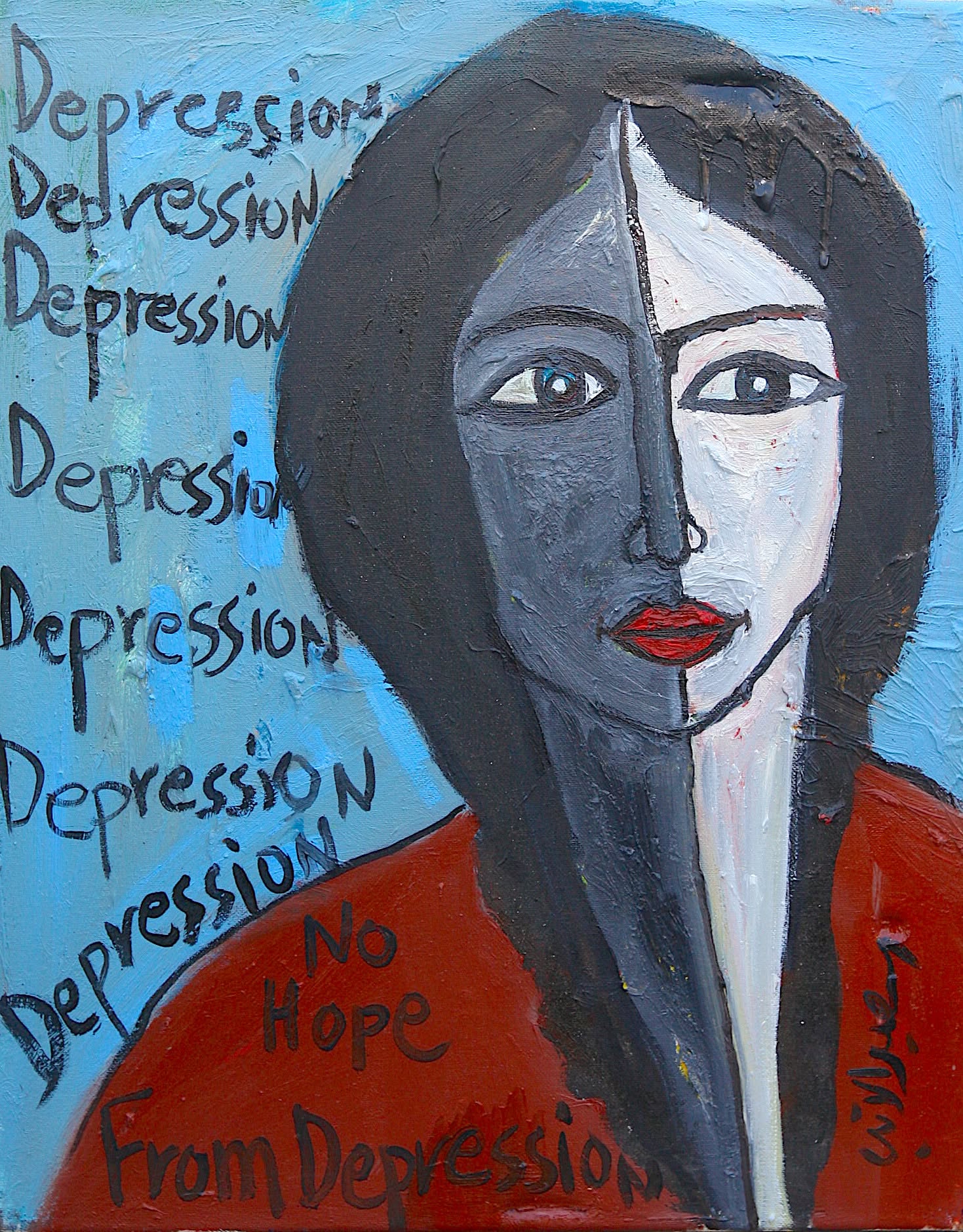
Israeli writer Dror Raphael presents a bleak vision of the future of Israel. In an article published in Maariv newspaper, almost a year after the events of 7 October and the start pf the “Al-Aqsa Flood”, he stresses that “every Israeli has been walking around with a black hole in his heart for a year now.”

He explains there is no need to remind Israelis of what they are going through, because they live with pain and losses daily. The displaced (in the north and south) are still far from their homes, the prisoners are still in the tunnels of the Gaza Strip, and the pain of the dead does not subside.

“Every Israeli has been walking around with a black hole in his heart for a year now,” referring to the role of social media, such as the famous Israeli account on X “News from last year”, which republishes newspaper headlines that predicted the crisis before it happened, he added.

He pointed out it was clear to everyone that Israel was heading towards disaster, but the leaders were busy with the “legal revolution”, unaware of the looming danger, noting that “the most common greeting these days is ‘the return of the kidnapped’ and the expression of negativity and pessimism.”

The writer expresses his disappointment with the political and social situation in Israel, considering that “the assumption of responsibility and other values ​​that the Israelis believed they lived by turned out to be illusions,” noting in particular that “the government investigation committee, which was supposed to be established automatically after the attacks of 7 October, has become almost illegitimate.”

He believes that the young Israeli generation is suffering from a state of despair, and sites what former British Prime Minister Winston Churchill said during World War II, expressing his hope that Israel would receive promises of “blood, sweat and tears” as Churchill promised his people, and says that “the reality indicates that we are facing a decade of death and wars with no light at the end of the tunnel.”

Titanic and Ice

Raphael sees that Israel is facing a “decade of death, pain and war” without clear leadership or  vision to get out of this dark tunnel, likening the situation in Israel to the Titanic that is hurtling towards an iceberg.

The writer highlights the political situation in Israel, pointing to the extreme composition of the government, criticizing the leaders and officials, from Prime Minister Benjamin Netanyahu to the heads of the army and intelligence, describing them as “short-sighted, arrogant, boasting about Israel’s strength and deterrence without actually understanding what is happening.”

The writer points to the division in Israel and its future impact, saying, “people between the ages of 40 and 50 feel disgusted with the Knesset and the government, and therefore hesitate to participate in leadership.

The writer refers to the phenomenon of reverse migration among Israelis due to despair over the conditions in Israel, and said, “those born last year will live in another, different and colder country, a country whose citizens vowed not to leave, but have already established colonies in Cyprus, Thailand or Puerto Rico on the Atlantic coast.”

While the writer tries to alleviate the “gloomy picture” by referring to the young soldiers who he said are “fighting to repair the country that collapsed,” he concludes by directing a question to future generations: “How did they not see this happening? How did they not know? How did they not prevent or warn? And most importantly, how were they not ashamed?”

CrossFireArabia

CrossFireArabia
Dr. Marwan Asmar holds a PhD from Leeds University and is a freelance writer specializing on the Middle East. He has worked as a journalist since the early 1990s in Jordan and the Gulf countries, and been widely published, including at Albawaba, Gulf News, Al Ghad, World Press Review and others.

Related Posts

Albanese Calls For World Force to Protect Civilians in Gaza, West Bank

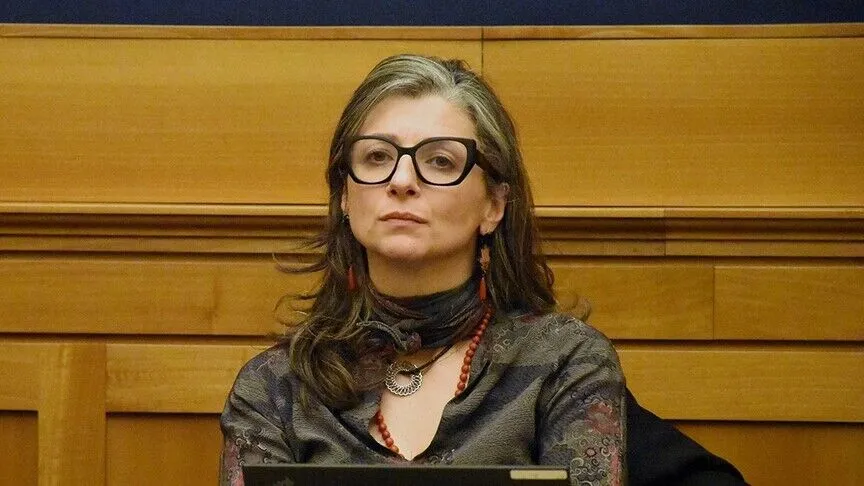
UN Special Rapporteur Francesca Albanese called Sunday for an “international protection presence” in the occupied West Bank, East Jerusalem and Gaza, saying such a deployment was “absolutely urgent.”

“Third states have an obligation, per the ICJ, to act to end Israel’s unlawful occupation,” Albanese wrote on the US social media platform X, referring to a July 2024 advisory opinion by the International Court of Justice that deemed Israel’s occupation of Palestinian territory unlawful and said states must not assist in maintaining it.

Albanese also questioned whether UN Secretary-General Antonio Guterres’ diplomatic efforts and the General Assembly’s “Uniting for Peace” mechanism could overcome the Security Council’s deadlock on the conflict.

The mechanism allows the General Assembly to consider international peace and security issues when the Security Council cannot act because of a lack of unanimity among its permanent members. The council has repeatedly been unable to take action on Gaza and the West Bank amid vetoes by the US. Anadolu

Continue reading
40 Million Tons of Rubble: Gaza Ministry Faces Challenges in Removing it

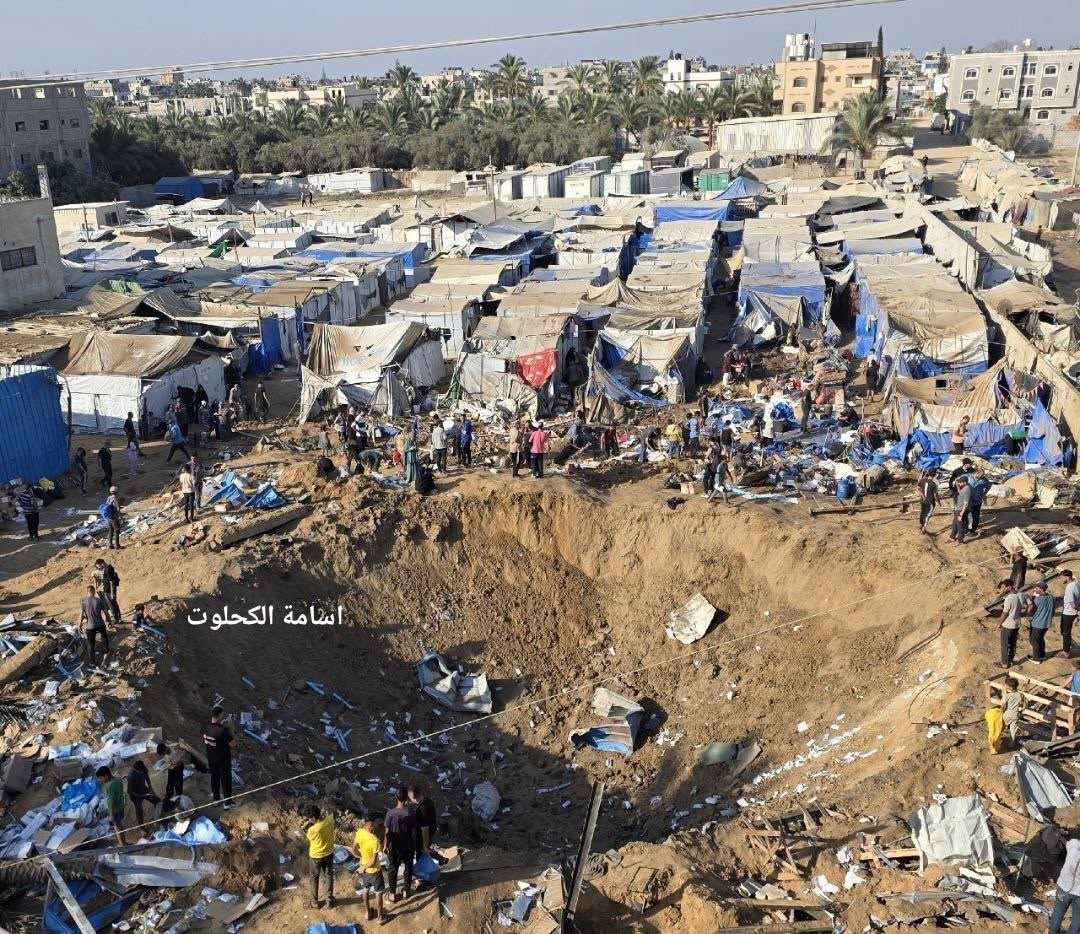
Gaza’s Ministry of Public Works and Housing confirmed that Israel’s ongoing targeting of tents and shelters of displaced people in the enclave is a systematic policy of destroying the basic necessities of life. It noted the amount of rubble that has piled up in the various regions of the Strip has exceeded 40 million tons.

Ministry spokesman Najla Hammad told the Sanad News Agency, Monday, the ministry is facing unprecedented challenges in removing the rubble because of the severe shortage of heavy machinery due to the Israeli-imposed blockade and the closure of crossings.

Hammad pointed out that the recent Israeli aggression has displaced more than 80 families, leaving them homeless and exposed, noting the ministry received widespread appeals to replace the tents that have been damaged and/or completely destroyed.

Read also: “Public Works”: Only 5% of shelter supplies enter Gaza

She added what is making things worse is that the Israeli occupation is preventing the entry of tents, tarpaulins, and shelter supplies and the reduction of usable land in the Gaza Strip to less than 30%.

Hammad explained that crews are continuing to work on opening main roads and providing alternative spaces for service facilities and educational centers but tough going. However, she announced the completion of the removal of the rubble at the site of the Hijazi Clinic in northern Gaza, in cooperation with the United Nations Development Programme (UNDP), and its handover to the Ministry of Health for reconstruction.

She indicated that the demolition and clearing of rubble is currently limited to only 4 out of the 10 sites previously identified, due to security restrictions and a lack of heavy equipment. The teams are operating with only one excavator and a very limited number of trucks.

Hammad noted the use of local alternatives and solutions, such as recycling crushed rubble to level roads and areas threatened by flooding, and melting plastic and aluminum to recycle supplies for health units in the camps is also moving.

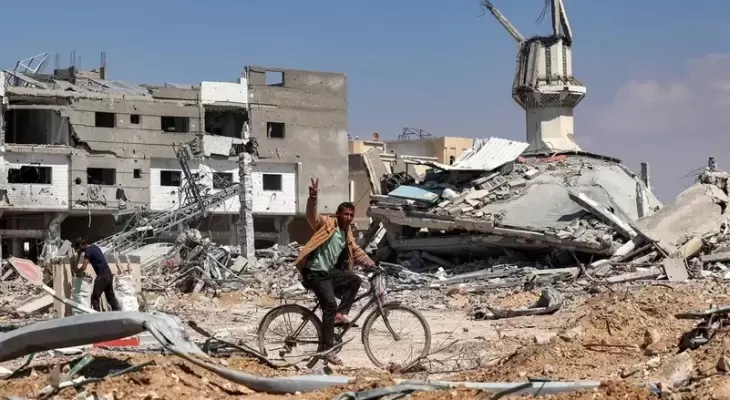
UN reports confirm that the scale of destruction and rubble in the Gaza Strip surpasses that of major wars and conflicts in modern history. International organizations warn that preventing the entry of machinery, engineering equipment, and shelter materials exacerbates the humanitarian, environmental, and health catastrophe, hindering the provision of even the most basic services to more than two million displaced people lacking safe shelter.

The Ministry of Public Works and Housing in Gaza previously warned in August of the severe deterioration in the housing sector due to the widespread presence of tons of rubble. It emphasized that the aid and tents permitted entry by the Israeli occupation amount to no more than 5% of the actual needs of the displaced, given the strict restrictions at the crossings and the repeated forced displacement.

Recently, the Ministry of Public Works and Housing launched an emergency program to repair and renovate partially damaged homes in the Gaza Strip, a step aimed at persuading and facilitating the return of displaced families to their homes and original areas.

Last June, Hammad, announced a comprehensive plan for managing, storing, and crushing rubble for reuse, as part of the ongoing efforts to address the issue of debris resulting from the conflict.

Hammad said that the Ministry is presently working with the UNDP and have to-date  constructed more than 15 shelters that have accommodated over 1,700 displaced families in the Gaza Strip, including five centers in the south that alone have housed approximately 700 families.

Continue reading

You Missed

Morocco-Israel: Normalization Stops at The Top

  • By Heba
  • August 24, 2026
  • 2 views
Morocco-Israel: Normalization Stops at The Top

Albanese Calls For World Force to Protect Civilians in Gaza, West Bank

Albanese Calls For World Force to Protect Civilians in Gaza, West Bank

40 Million Tons of Rubble: Gaza Ministry Faces Challenges in Removing it

40 Million Tons of Rubble: Gaza Ministry Faces Challenges in Removing it

Join The Queue For The Drops

Join The Queue For The Drops

‘My Way Out of Insanity’

‘My Way Out of Insanity’

The Child, Tree and The Dark

The Child, Tree and The Dark