CrossFireArabia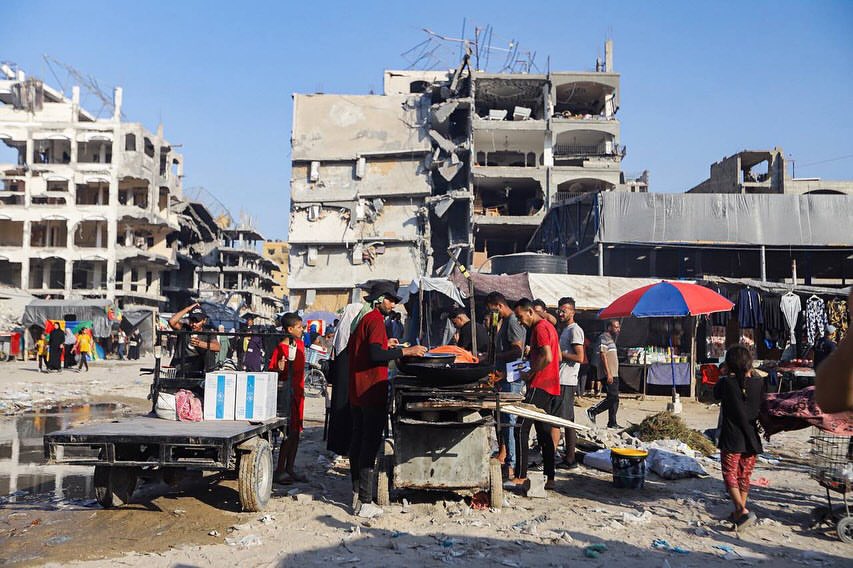
Israel is systematically and extensively working to drive out the Palestinian population and forcibly displace them from their residential areas in the northern Gaza Strip, using massacres, mass killings, bombings of hospitals and shelters, and the destruction of basic necessities of life. Euro-Med Monitor notes that the basic necessities of life across the Strip, particularly in the north, have already been deteriorating for 12 months.
On-the-ground Massacres
The Israeli army’s on-the-ground massacres show that the plan to rid the land of its people and eradicate the Palestinian presence is moving forward at an unprecedented pace. Locals who are unable or unwilling to leave their homes are viewed as “terrorists” and are subject to direct targeting and killing.
Along with the Jabalia camp in the northern Gaza Strip, where Israeli aircraft dropped leaflets on Tuesday morning, October 22, urging residents of Beit Lahia, including those in shelters and hospitals, to forcibly evacuate and head towards the Indonesian Hospital in Jabalia, where the occupation forces set up a checkpoint before forcing the residents to leave northern Gaza, as happened over the past two days with thousands of people in the shelters surrounding the Indonesian Hospital, the Israeli occupation army also increased the scope and intensity of its military operations to include the Beit Lahia project.
The Israeli army ordered the evacuation of the Kamal Adwan Hospital in the Beit Lahia project, which houses the greatest number of victims of the Israeli aggression, after the medical staff refused to evacuate it during the initial days of the previous aggression. Israel’s latest forced displacement order includes the hospital.
No Medical Supplies
The hospital’s operations are severely hampered by a shortage of medical supplies and blood units, ongoing shelling in the area, and the exhaustion of medical personnel from treating hundreds of dying and injured people over the course of 18 days.
The majority of the shelter centres in the Jabalia and Jabalia camps have been bombed by Israeli forces, who also targeted the displaced people while they were responding to the displacement orders and evacuation plans. This targeting was repeated yesterday (Monday 21 October), when the Al-Fawqa schools were targeted, resulting in the killing of 17 Palestinians and the injury of numerous others.
The Israeli occupation army tightened the noose around the Beit Lahia project after many Jabalia residents who were unwilling to leave the area sought refuge there. The occupation army enforced a siege on the Beit Lahia project with fire and demanded that its residents and the displaced people sheltering there leave.
Systematic Destruction
The Israeli occupation army is also systematically destroying water stations, bakeries, streets, and agricultural lands—some of which were replanted to accommodate the population’s needs after the entry of any vegetables was prohibited in recent months—in the northern Gaza Strip.
In Beit Lahia’s Al-Shimaa neighbourhood, the Israeli occupation army killed three farmers, including agricultural engineer Youssef Saqr Abu Rabie. Months ago, Abu Rabie started an agricultural project in the northern Gaza Strip to combat the Israeli-imposed famine.
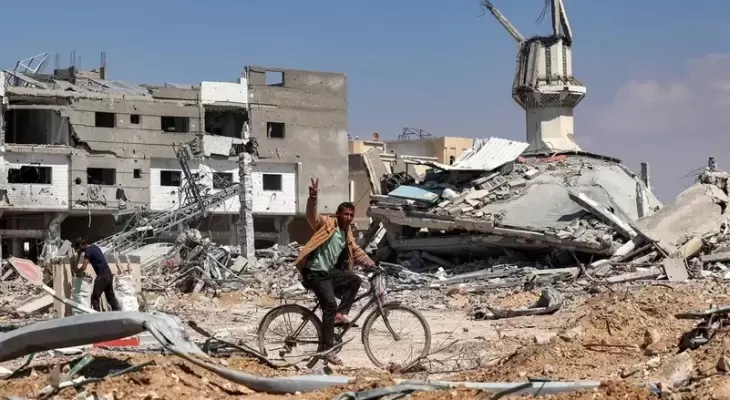
Over the course of the last 18 days, the Israeli army has destroyed and burned hundreds of homes in northern Gaza, particularly in the Jabalia camp. Nearly 700 people have been killed and over a thousand have been injured, and many more are still trapped under the debris of their homes and in shelters that have been targeted. Because of the Israeli siege and the imposition of a travel ban, it is impossible to recover these victims and evacuate them to safety.
Given that the Israeli army is carrying out systematic and widespread mass and individual killings; a deliberate starvation campaign; mass forced displacements; and the complete destruction of what remains of the most basic necessities of life, the United Nations must declare the northern Gaza Strip a disaster area that requires immediate interventions. It should also compel Israel to stop the genocide and protect civilians in the north and across the entire Gaza Strip. Euro-Med Monitor emphasises that the international community, including the UN, is complicit in the most heinous of crimes—genocide—because the vast majority of its members have not moved to actually put a stop to what is happening.