CrossFireArabia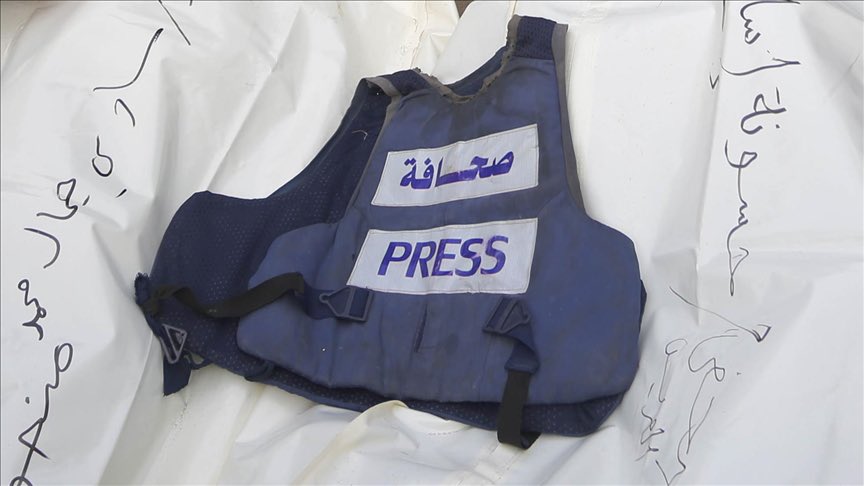
The latest journalist to be killed in Gaza is Mohammad Abu Sharia. News of his death hikes the number of journalists to be killed by Israeli warplanes and army since 7 October to 153.
Abu Sharia, a media man with the local Shams News agency, was seriously injured in a strike targeting his home, Saturday, and succumbed to his wounds on Monday, Gaza’s government media office stated according to the Anadolu.
The killing of journalists in Gaza has been systematic over the past months as part of Israel’s “muzzling policy to silence the voice of the truth,” stated one tweet online.
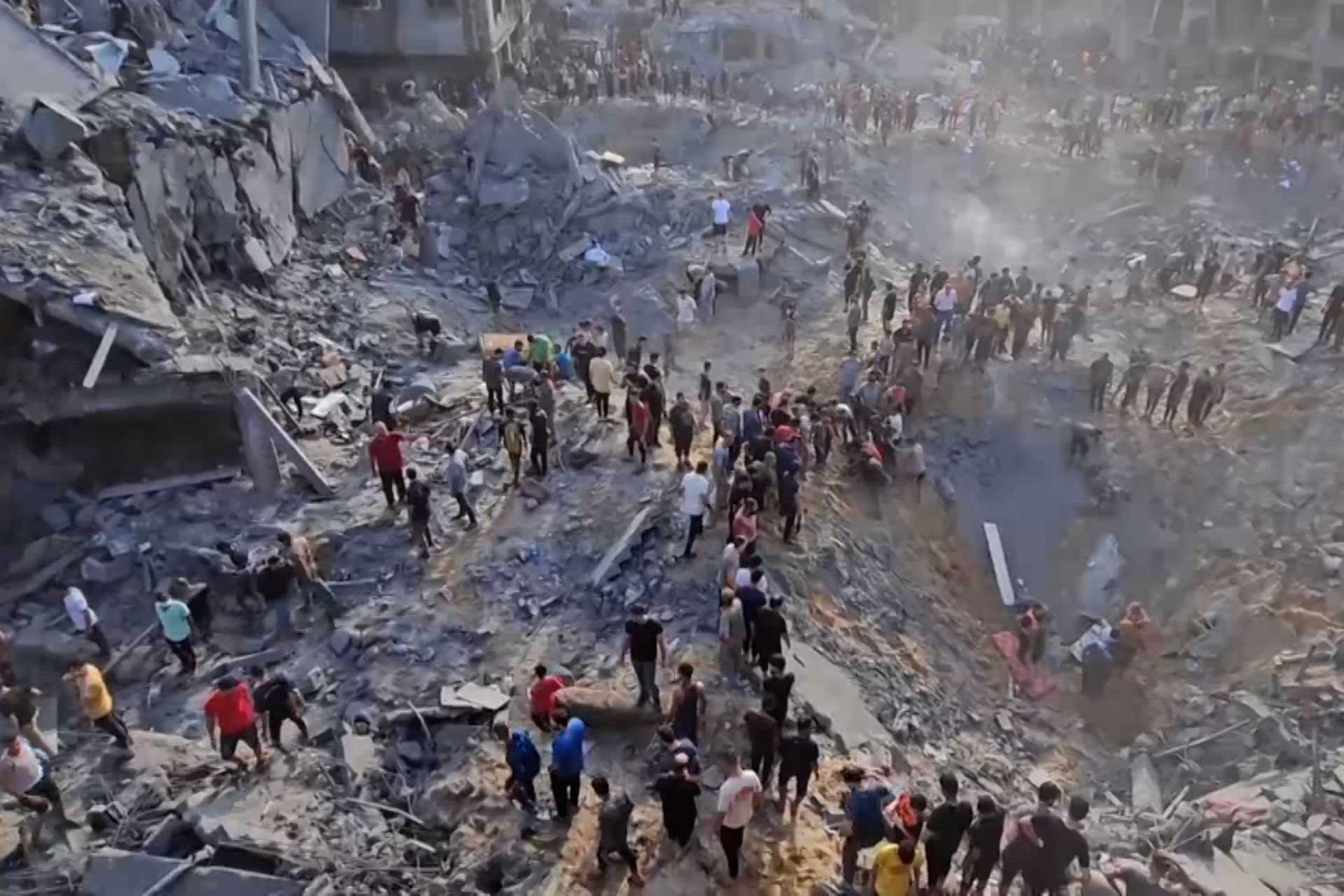
The Israeli army has deliberately targeted journalists and media institutions in Gaza to try and cover up their atrocities in different parts of the Gaza Strip that resulted in the mass killing of civilians and the destruction of the homes, houses, buildings and headquarters of the Gaza Strip.
PressTV reported that Abu Sharia headed the editorial department in the Shams agency and lived in the Sabra neighborhood, south of Gaza City before the Israelis bombed his house.
Abu Sharia was initially taken to the Al-Ahli Baptist Hospital in central Gaza City, before he was transferred to the Indonesian Hospital due to the seriousness of his injuries, Press TV reported but didn’t make it there.
The killing of journalists in Gaza has been the biggest number in recorded history of any conflict, says one British journalist. The New York-based Committee to Protect Journalists (CPJ) said the war in Gaza has become “the deadliest for journalists” since it began documenting journalist killings worldwide in 1992.
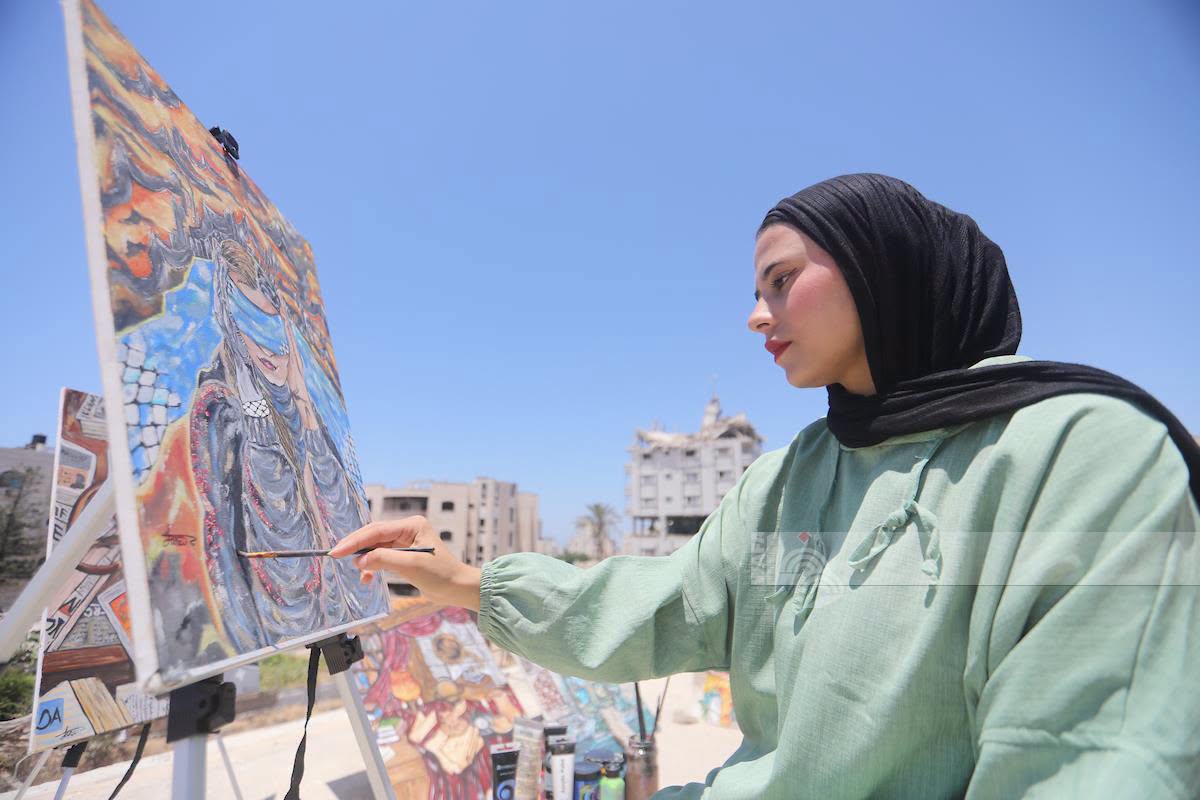
A salute must be made also to the women journalists covering one of the deadliest wars ever experienced in Gaza, the Palestinian territories and the region. One writer points to such local names as Maha Husseini, Hind Al Khoudary, Bisan Owda and more. They are reporting under extreme extreme conditions of “bombardment, displacement, grief and trauma,” in pursuit of getting out the word to the world.
These names of such journalists like Hanneen Harara reporting on the killing of her 12-member family in Nuseirat, Shurooq al-Aila, Nafith Okasha, Sari Mansour, Hassouna Saleem, Mahammed Abu Hatab, Salem Abu Tayur, Ayat Khudoura are just few of those who were killed in line of active duty of reporting.
Strange in this war is that the journalists were local people, born and bred. We have been receiving news about the Gaza genocide and ethnic cleansing through their eyes and no one else’s. It is they, and up till now who are reporting on the war against Gaza and its people.
No western journalist has been able to enter Gaza and cover this war independently. Of the few that were allowed to enter Gaza for a short while, did so as embedded journalists with the Israeli army which meant they were heavily censored and were not allowed to report on their own free will.
Ayat Khudoura, a young journalist from Biet Lahia in north Gaza may have predicted her death in the last video she made because of the terrible bombardment that the north was being subjected to.
“…I am still alive, but it’s only a matter of time for us in Gaza, there is no safe place here…. We are humans like everyone else in the world, we had big dreams. This might be my last video. Today, the occupation fired phosphorus at Biet Lahia and terrifying sound bombs. Me and a few members of my family stayed at home. This is very scary, It’s terrifying and very difficult. God have mercy.”
Alas, Khudoura was right. That was her last video. She was killed in an Israeli airstrike with her grandmother, her brother Ayoub, her sister Souad, and her brother Adham.
If journalists are not targeted on their own, they are targeted with their families with the express aim to shoot, bomb and kill and rob them of their lives and livlihoods.
Like the case with Abu Sharia, Muhamed Yaghi was targeted and killed with his wife and daughter last February. He was journalist no. 131 to be killed with his family and so continued the killing spree.
If journalists were not directly targeted for the time being then their families were. Before being forced out of Gaza, Al Jazeera’s bureau chief Wael Al Dahdouh was targeted and before that they killed his son, wife and daughter.
He was among many other journalists to have suffered. Abu Tayur was killed with his son but with journalist Mahmoud Abu Salama, the Israelis targeted his sister and her child, while journalist Abu Hatab lost 10 members of his family through an Israeli airstrike.
And the numbers keep growing by the day. Journalists and their families appear to be targeted through a controversial AI Levander system used by the Israeli army to identify what are termed as suspected militants and has been the cause of such killing and bombings that wiped out whole squares of houses and homes in communities of people.
They were seen as militants and therefore legitimate targets regardless of political affiliations. The AI Lavender, essentially a wide database, generated quick “kill lists” that jumbled people together and extended the militants with ordinary people and women and children.
Thus, journalists and their families, relatives and friends, and because of the datebase that was generated daily and instantly, served as targets for Israeli warplanes and target bombing and that explains why so many journalists have been killed in this war; and with the targeting likely to continue till