Pentagon Probe Finds US Forces Behind Deadly Strike on Iran School

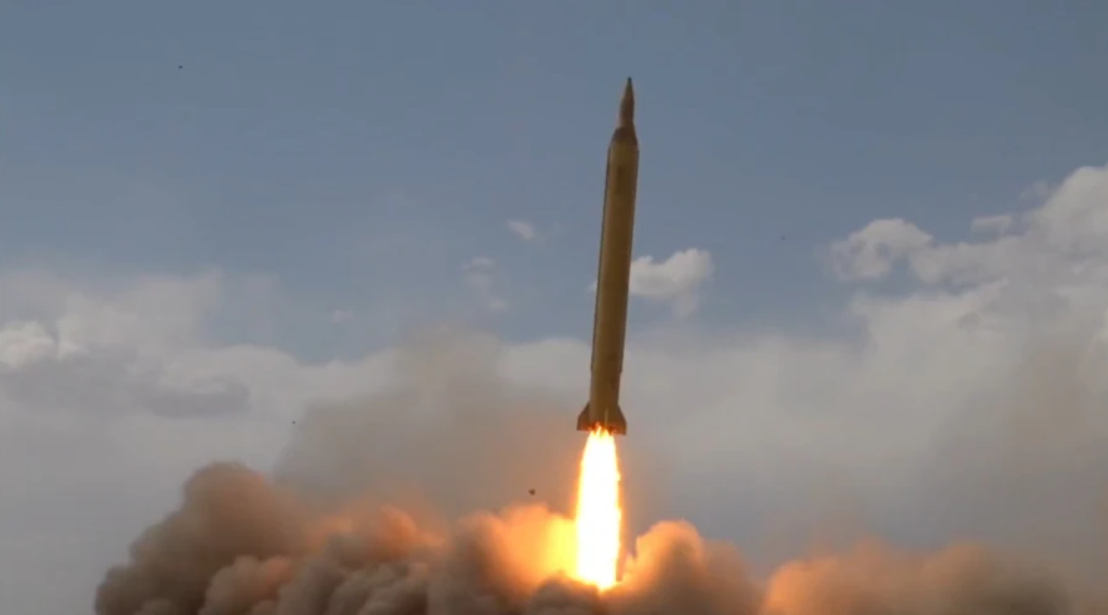
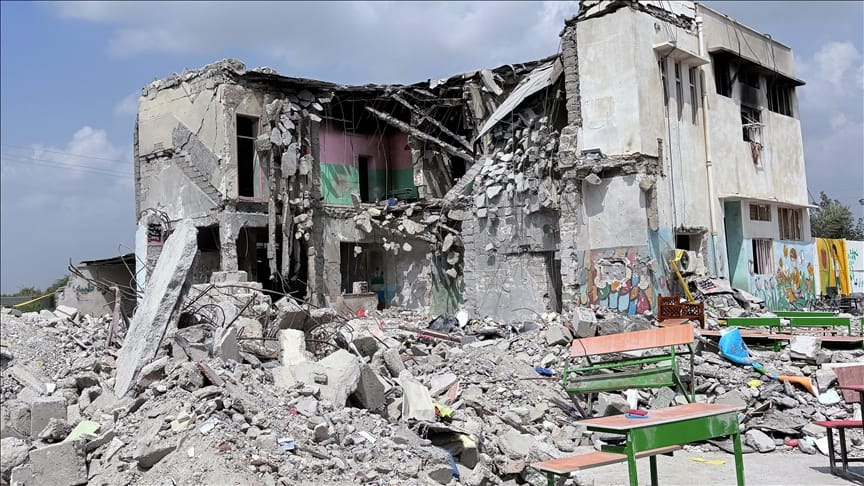
A preliminary US military investigation has concluded that American forces were responsible for a Feb. 28 deadly strike on an Iranian elementary school, the New York Times reported Wednesday, citing US officials and others familiar with the findings.

The strike on the Shajarah Tayyebeh elementary school was the result of a targeting error in the early hours of the war that Israel and the US started against Iran, the investigation found. Officers at US Central Command (CENTCOM) generated strike coordinates using outdated Defense Intelligence Agency data that still identified the school building as part of an adjacent Iranian military base, a designation that was no longer accurate.

The Pentagon did not respond to Anadolu’s request for comment.

The findings align with a series of earlier analyses. CBS News had reported that a preliminary US assessment found American forces were “likely” responsible, citing possible use of dated intelligence.

The report aligns with earlier analyses by the Bellingcat investigative outlet and the New York Times, both of which found evidence that a Tomahawk missile, a weapon only the US is known to possess among the warring parties, struck a compound of Iran’s Islamic Revolutionary Guard Corps (IRGC) near the school.

US President Donald Trump initially blamed Iran for the strike, saying Tehran’s munitions lacked accuracy. The attack killed scores, many of them children, according to Iranian officials.

Multiple outlets, similar conclusions

Several other outlets also pointed to US responsibility based on satellite imagery, geolocated videos and expert assessments.

The Wall Street Journal, citing an American official, reported that US military investigators believe American forces were likely responsible, though no conclusion had been reached. The official claimed there were indications that the building had been used as an IRGC headquarters.

The New York Times, drawing on satellite imagery and geolocated videos, found the school was struck at the same time as precision hits on an adjacent IRGC naval base, with a former US Air Force official suggesting the most likely explanation was “target misidentification.”

BBC Verify reported multiple impact sites and burn marks around the school and nearby IRGC facilities, with analysts saying the damage pattern suggested the use of a penetrating munition.

A reconstruction by Britain’s The Guardian also placed the school directly adjacent to an IRGC compound, separated only by a wall built in recent years.

Middle East Eye, citing survivors and first responders, reported a possible “double-tap” strike — a second explosion hitting the area shortly after the first, striking those who had taken shelter.

CBC News noted the attack coincided with the first wave of US-Israeli strikes across southern Iran.

UNESCO described the killing of students as a “grave violation” of protections for educational facilities under international humanitarian law and called for a full investigation. No side has formally claimed responsibility.

Continue reading
US-Israeli Strikes Hit 21,720 Buildings, 17,353 Homes – Red Crecent

Some 21,720 buildings in Iran were hit by the ongoing US-Israeli strikes since Feb. 28, including 4,122 commercial establishments and 17,353 homes, as well as health centers, schools, and humanitarian infrastructure, the Iranian Red Crescent said on Wednesday.

According to the Iranian government’s Telegram channel on Wednesday, the Iranian Red Crescent said over 56,000 people contacted its hotline to receive psychological support during the same period.

Regional tensions escalated when the US and Israel launched joint strikes on Iran on Feb. 28, which have killed over 1,200 people, including then-Supreme Leader Ayatollah Ali Khamenei, as well as over 150 schoolgirls.

Tehran has retaliated with drone and missile strikes targeting Israel, Jordan, Iraq, and Gulf countries that are home to US military assets. – Anadolu

Continue reading
Spain Pulls Out Its Ambassador From Israel

Spain permanently withdrew its ambassador to Israel, Tuesday, amid escalating diplomatic tensions between the two countries over Madrid’s opposition to US and Israeli attacks on Iran.

The Spanish ambassador had been recalled to Madrid last September following a diplomatic row over Spain’s measures to bar the entry of aircraft and ships carrying weapons to Israel, in response to the Israeli war on Gaza.

Israeli Foreign Minister Gideon Sa’ar condemned these measures, describing them as “anti-Semitic.”

Continue reading
Israel Uproots 100s of Olive Trees in Palestine

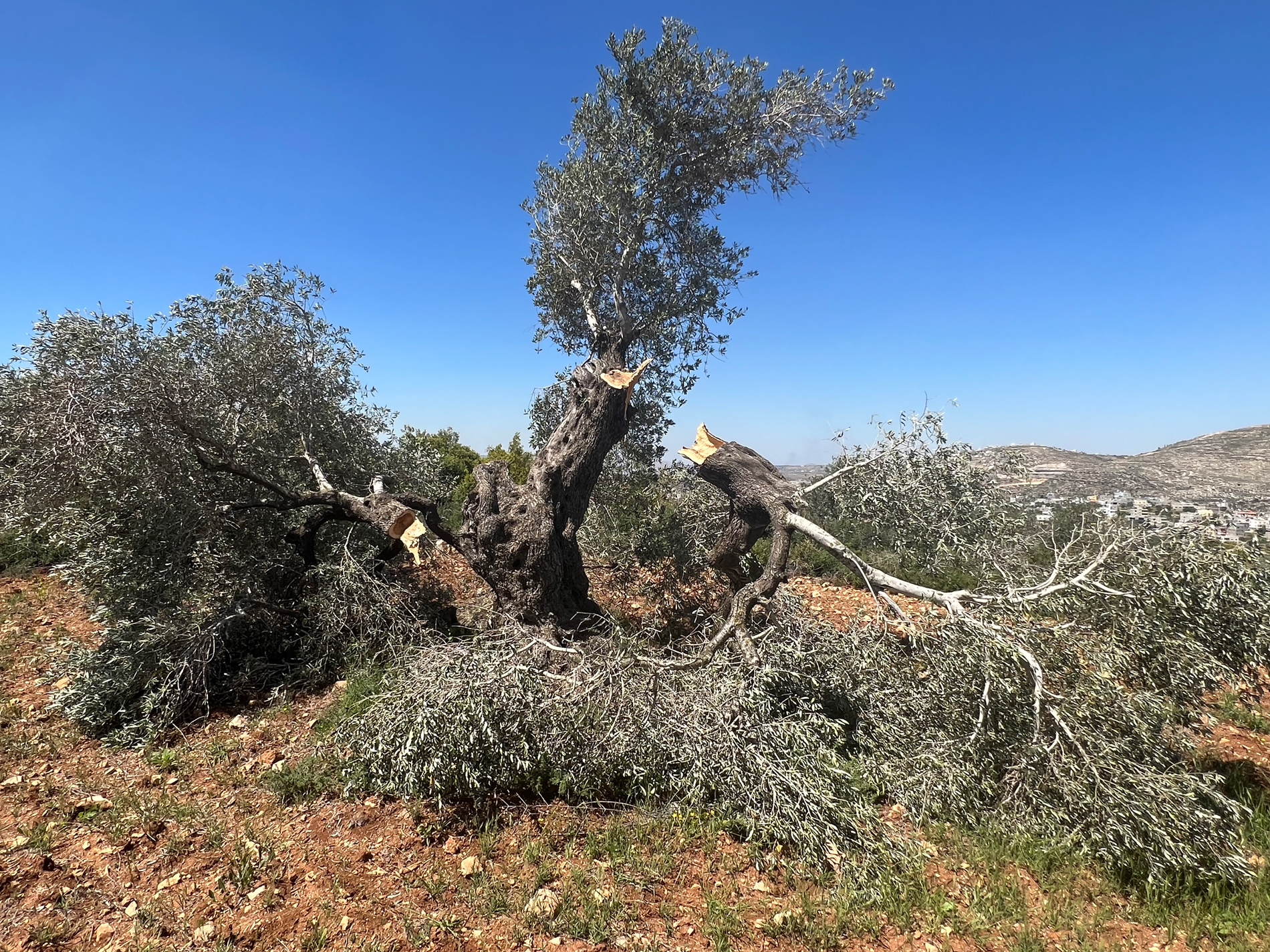
Israeli occupation forces uprooted hundreds of olive trees last Monday in the Wadi al-Hummus area near the town of Dar Salah and the village of al-Khas, east of Bethlehem, according to a local activist.

Activist Nidal Hazibi told WAFA that Israeli forces bulldozed nearly 50 dunums of land in the al-Buq‘a site of Wadi al-Hummus, uprooting hundreds of olive trees over 60 years old belonging to Palestinian residents of Bethlehem and the Sur Baher area, in addition to several forest trees.

Approximately a week ago, Israeli forces stormed the area and created an opening in the separation wall to facilitate upcoming land leveling.

According to the Colonization and Wall Resistance Commission, Israeli forces and colonists carried out a total of 1,965 attacks during February, in continuation of the ongoing series of terrorism by the occupying state against the Palestinian people and their property. Of these, the Israeli army carried out 1,454 attacks, while colonists carried out 511 attacks, primarily concentrated in the following governorates: Hebron (421 attacks), Nablus (340), Ramallah and al-Bireh (320), and Jerusalem (210).

The commission said that the attacks included direct physical assaults, the uprooting of trees, the burning of fields, the seizure of property, and the demolition of homes and agricultural structures. At the same time, vast tracts of Palestinian land remain inaccessible due to restrictions imposed by Israeli forces under the pretext of security, while colonists are allowed to expand into these areas.

Continue reading
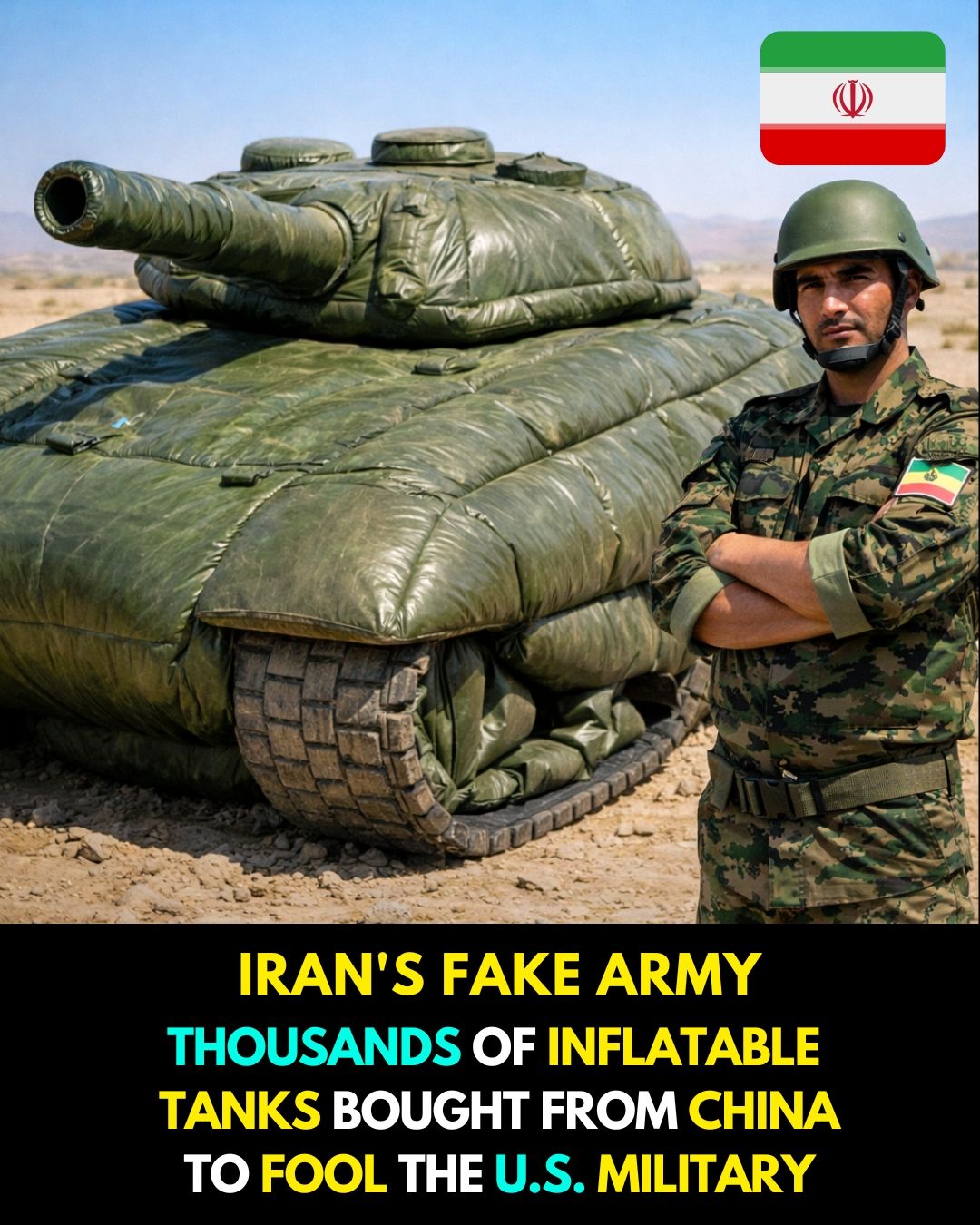
Iran Fools Israel With Inflatable Tanks

Posted by Reza Samo

Iran again fooled Israel with a surprisingly simple military trick.

Military decoys have been used for decades, but Iran appears to be taking the tactic to a new level. Reports suggest Tehran has purchased thousands of inflatable tanks, fighter jets, and missile launchers—many reportedly sourced from China—to mislead enemy surveillance and airstrikes.

The strategy is straightforward but effective: create realistic-looking targets that draw enemy fire away from real military assets. In some cases, it could mean forcing an opponent to spend a $2 million precision missile on a $500 inflatable decoy.

These fake systems are designed to look convincing from satellite imagery, drones, and even certain radar systems. From a distance, they can appear nearly identical to real armored vehicles or missile platforms, making it difficult for attackers to immediately distinguish between genuine and fake targets.

According to some reports, the tactic may already be complicating targeting decisions during the conflict. By flooding the battlefield with decoys, Iran could potentially increase the cost of airstrikes for its adversaries while protecting its actual equipment from destruction.

Continue reading