MSF: ‘Health in Gaza Catastrophic’
An official with Doctors Without Borders (MSF) said about 60 percent of the cases treated at the organization’s facilities in the Gaza Strip over the past six months were direct injuries. She explained that the situation for Palestinians has not changed significantly since the ceasefire signed at the end of last year.
Shaimaa Awda, head of the organization’s mental health support department, described the health situation in the Gaza Strip to Anadolu Agency as “suffocating.”
Despite the ceasefire agreement in Gaza coming into effect on 10 October, 2025, living and health conditions remain dire for the 2.4 million Palestinians in Gaza, including for the 1.4 million internally displaced persons.
Israel continues to renege on its commitments under the ceasefire agreement, including opening the crossings and allowing the entry of the agreed-upon quantities of food, relief supplies, medical aid, and shelter materials.
It also continues to commit daily violations of the ceasefire agreement, resulting in the deaths of 765 Palestinians and injuries to 2,140 others, according to a Gaza Ministry of Health statement.
A Dire Health Situation
Awda says that the organization’s teams have treated hundreds of dead and thousands of wounded, noting that injuries continue to arrive daily at its hospitals in Deir al-Balah and Gaza City.
She adds: “The violence continues, and the Gaza Strip is witnessing repeated incidents, the latest of which occurred in al-Maghazi camp, where medical teams received dozens of wounded, including critical cases.”
On 6 April, approximately 10 Palestinians were killed and others wounded by Israeli drone strikes and gunfire targeting a gathering of civilians east of al-Maghazi camp in the central Gaza Strip.
Awda explains that restrictions on the entry of medical supplies have severely impacted health services, pointing to the difficulty in providing essential medications, especially for chronic diseases such as insulin.
She also notes a severe shortage of surgical instruments, sterilization materials, and infection control supplies, which has negatively affected the quality of medical care and the teams’ ability to treat patients.
Diseases Spreading
Awda warns of outbreaks of diseases linked to deteriorating living conditions, such as skin diseases, diarrhea, and respiratory illnesses, resulting from the scarcity of clean water and inadequate sanitation services.
She emphasizes that diseases like scabies have become more prevalent, especially among children in shelters and tents, due to the lack of hygiene and adequate healthcare.
These statements coincide with warnings issued by the WHO Regional Director for the Eastern Mediterranean, Hanan Balkhi, in an interview with Anadolu Agency on Monday, that the spread of diseases in Gaza threatens the entire region due to ongoing Israeli restrictions on the entry of medical aid, which hinders the health response.
Increasing Cases
Awda points out that children are the most vulnerable group, with medical facilities receiving increasing cases of respiratory illnesses and infections, including meningitis, in addition to worsening skin diseases.
She adds that some families delay seeking treatment due to the social stigma associated with skin diseases, which exacerbates the children’s health conditions.
She stressed the need for “real political pressure” on Israeli authorities to allow the urgent entry of medical and food supplies, warning that the continuation of the current situation threatens dire humanitarian consequences.
She affirmed that “the suffering of the population continues despite talk of a truce, amid a severe shortage of resources and a decline in basic services,” calling for immediate international action to save what remains of the health sector in Gaza.
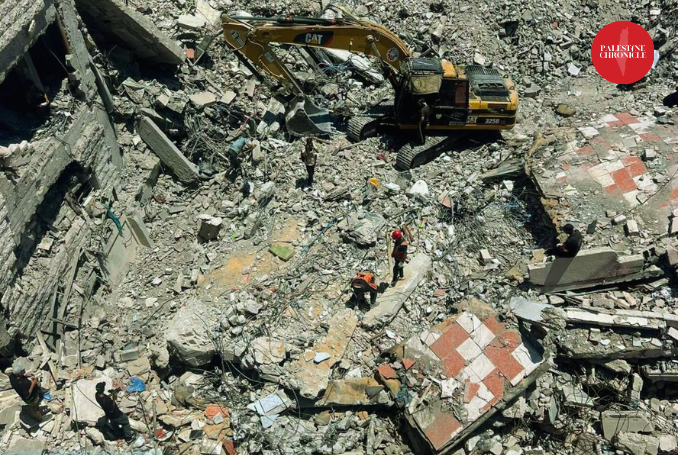
The ceasefire agreement was reached after two years of a genocidal war launched by Israel in Gaza on October 8, 2013, with US support. The war continued in various forms afterward, leaving more than 72,000 Palestinians dead and over 172,000 wounded, and causing widespread destruction affecting 90 percent of the civilian infrastructure.