500 Officers Quit The Israeli Army

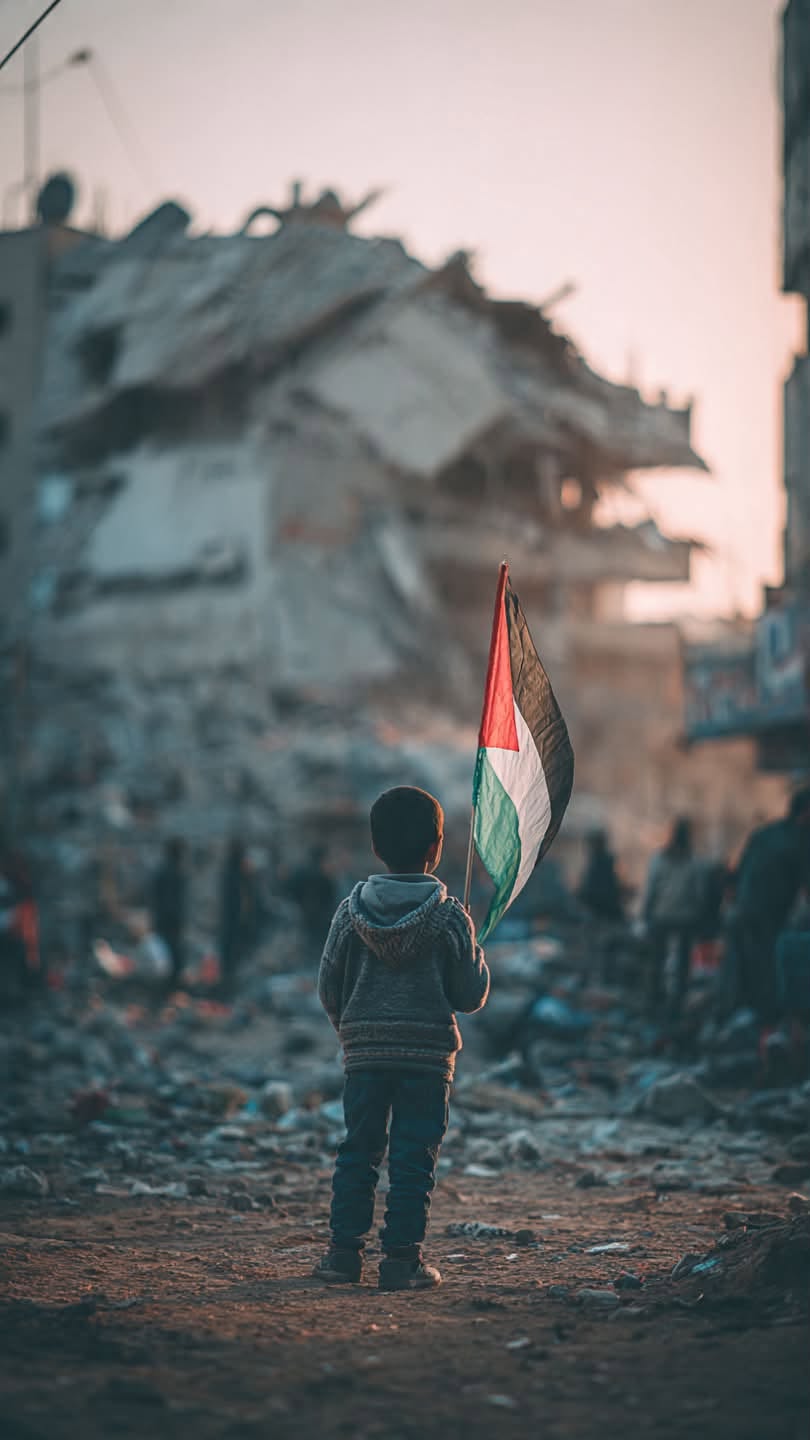
Around 500 Israeli officers have left the army since mid-2024 because of the onslaught on Gaza after 7 October, 2023. 

According to Israel Hayom the army is in a critical position as 500 officers holding the rank of major have left the army.

The newspaper which is describing the move as an “exodus” added this “caught the military leadership off guard and threatens force readiness.”

Meanwhile this piece of news is trending on the social media and speaks volumes about the deteriorating state of the Israeli army after 14 months of war on Gaza and the rest of the region.

One blogger contrasts the difference, underlying that Israeli soldiers are facing psychological and economic hardship while Hamas has been able to recruit 4000 new fighters in the past few months.

CrossFireArabia

CrossFireArabia

Dr. Marwan Asmar holds a PhD from Leeds University and is a freelance writer specializing on the Middle East. He has worked as a journalist since the early 1990s in Jordan and the Gulf countries, and been widely published, including at Albawaba, Gulf News, Al Ghad, World Press Review and others.

Related Posts

Israel Demolishes Palestinian School

Israeli occupiers on Thursday demolished the Yanon Mixed Basic School in the hamlet of Khirbet Yanon in the northern occupied West Bank, local media reported.

According to the Palestinian news agency Wafa, the school demolition followed years of mounting pressure on the small Palestinian hamlet in the area.

Khirbet Yanon had for years faced repeated attempts by Israeli forces and occupiers to forcibly relocate residents from the area.

By Dec. 28, 2025, only one family remained in the hamlet after most residents had fled and the government-run school had closed.

Wafa said the hamlet had been home to 16 Palestinian families for two decades before occupier attacks and restrictions on movement, farming, and daily life forced most of the residents to leave for safety. The agency did not specify where the displaced families were relocated.

In a statement, the Palestinian Education Ministry described the demolition as “a new crime against Palestinian children” and “a flagrant violation of international humanitarian law and international conventions that guarantee the right to education and prohibit attacks on educational institutions.”

It said the destruction of the school was part of a “systematic” policy aimed at undermining the education system, increasing pressure on Palestinian communities, and depriving children of their fundamental right to education. Anadolu

The ministry said it would continue working with partner organizations to ensure students can continue their education despite the ongoing Israeli violations.

It called on the international community, the UN, and human rights organizations to fulfill their legal and moral responsibilities by taking urgent action to protect education in Palestine, hold Israel accountable for repeated violations against students and schools, and end attacks on educational institutions.

Continue reading
Pitfalls of Hormuz

Renewed attacks on shipping in the Strait of Hormuz unsettled energy markets on Wednesday and prompted calls from the UN maritime agency, IMO, for “maximum restraint and de-escalation”.

Amid reports that three merchant vessels were hit along with Iranian targets, IMO Secretary-General Arsenio Dominguez condemned “reckless attacks” in the past two days against several ships transiting the narrow waterway, a vital conduit for a significant proportion of the world’s energy needs.

Huge risk, warns Guterres

UN Secretary-General António Guterres said the resumption of strikes and counterstrikes between the United States and Iran in the past 24 hours were “alarming” and risked derailing diplomatic progress made since a ceasefire framework was agreed in April.

A return to full-scale hostilities would have catastrophic consequences for the peoples of the region, for international peace and security, and for the global economy as a whole,” said UN Spokesperson Stéphane Dujarric.

“These reckless attacks have again placed innocent seafarers in grave danger. No seafarer should have to risk their life simply for doing their job,” Mr. Dominguez said, as he warned flag States, shipowners and operators not to expose seafarers to “unnecessary danger” by transiting the Strait.

Why this matters:

  • Renewed Hormuz attacks trigger global energy security concerns
  • Guterres warns of catastrophic consequences for region and global economy if full blown US-Iran war resumes 
  • Thousands of seafarers remain stranded amid shipping disruptions
  • UN warns prices and supply volatility may worsen
  • Heatwaves could intensify energy demand and infrastructure strain

Some 6,000 seafarers remain stranded in the channel on hundreds of vessels which used to transit at a rate of around 130 a day.

That number is vastly reduced today, although shipping levels picked up before the latest escalation, in line with an agreement on a temporary ceasefire – part of a memorandum of understanding – last month between the United States and Iran.

Responding to the latest escalation, the UN economic commission for Europe, UNECE, said that the already challenging situation for countries which rely on energy from the Gulf was set to continue, after more than 100 days of disruption.

We can expect prices and price volatility to remain high and supply disruptions – especially in local markets – to continue for the months ahead,” said Dario Liguti, Director of Energy, Housing and Land Management Division at the UN Economic Commission for Europe.

The senior UN economist explained that although a global shortage of fuel and fertilizers has been avoided, the effects of this year’s disruption will still be felt “even if the situation normalizes rapidly”. Strategic oil reserves are also at their lowest levels for decades, Mr. Liguti stressed.

If the instability does continue, we should get ready for another rise in prices and a larger-scale raw material shortage,” he told UN News.

Heatwaves fuel uncertainty

A further complication compounding these shocks are this summer’s extreme heatwaves, fuelled by a strong El Niño which is forecast to strengthen in the coming months and “increase energy consumption for cooling, impact energy infrastructure, and affect water availability for power plant cooling”, Mr. Liguti explained

To counter these impacts – including on public transport networks – the UNECE official stressed the need to urgently build resilience to renewed energy shocks, to save energy through efficiency measures, reduce pressure on limited resources by cutting overall energy consumption and stock up on reserves.

“Longer term, we are also seeing renewed interest in many countries in investing in domestic energy production and distribution capacity and renewables,” Mr. Liguti noted. UN News


Continue reading

You Missed

Palestine in Color

  • By marwan
  • July 10, 2026
  • 5 views
Palestine in Color

Israel Demolishes Palestinian School

Israel Demolishes Palestinian School

Stitching Palestine

Stitching Palestine

Pitfalls of Hormuz

Pitfalls of Hormuz

Gaza: 35,000 People in Every Square Kilometer

Gaza: 35,000 People in Every Square Kilometer

France: Free Dr. Hussam Abu Safiye!

France: Free Dr. Hussam Abu Safiye!