CrossFireArabia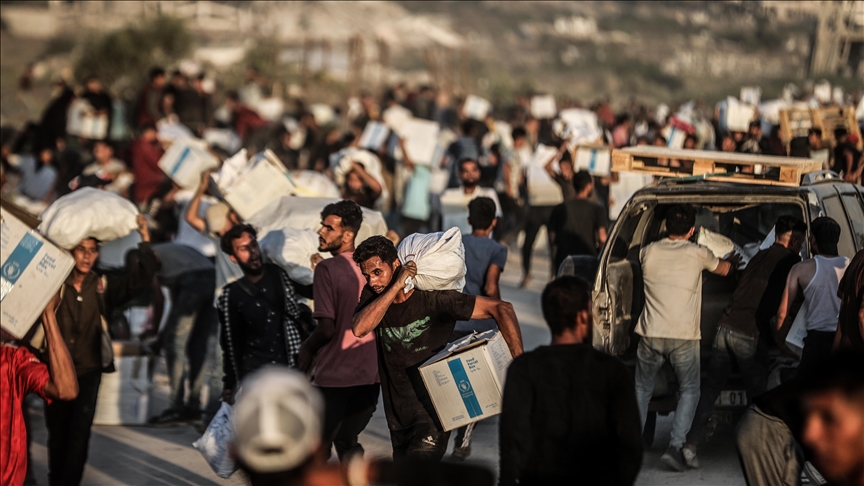
More than 130 international governmental agencies have issued a demand for the immediate end of the Gaza Humanitarian Foundation (GHF), the deadly US-Israeli mechanism for delivering food to starving Gaza. They called for a return to the Israel disrupted United Nations-led system which, combined international aid agencies with commercial supplies to serve the strip’s families who are struggling to survive Israel’s bombs, military ground offensive, and forced displacement.
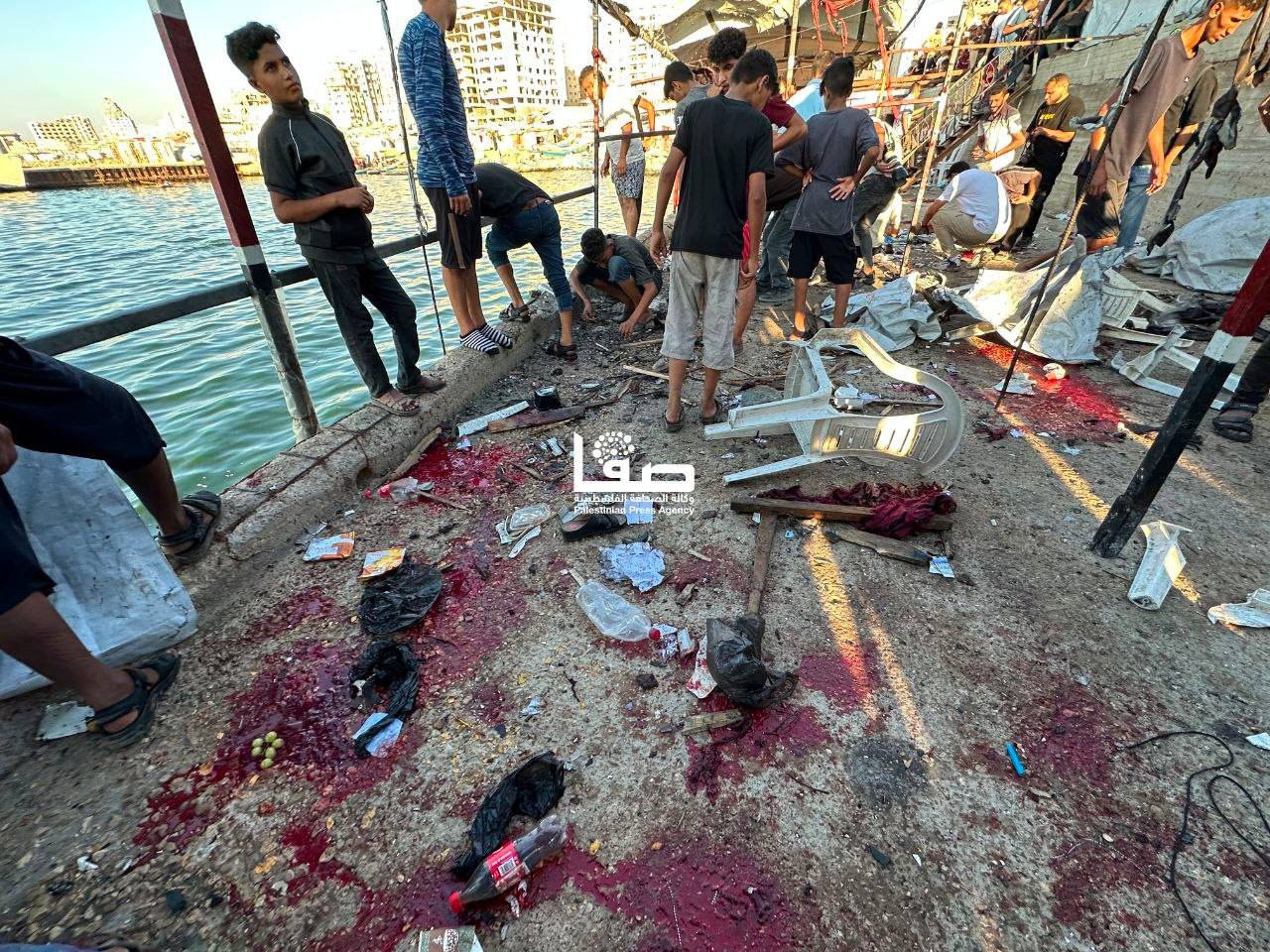
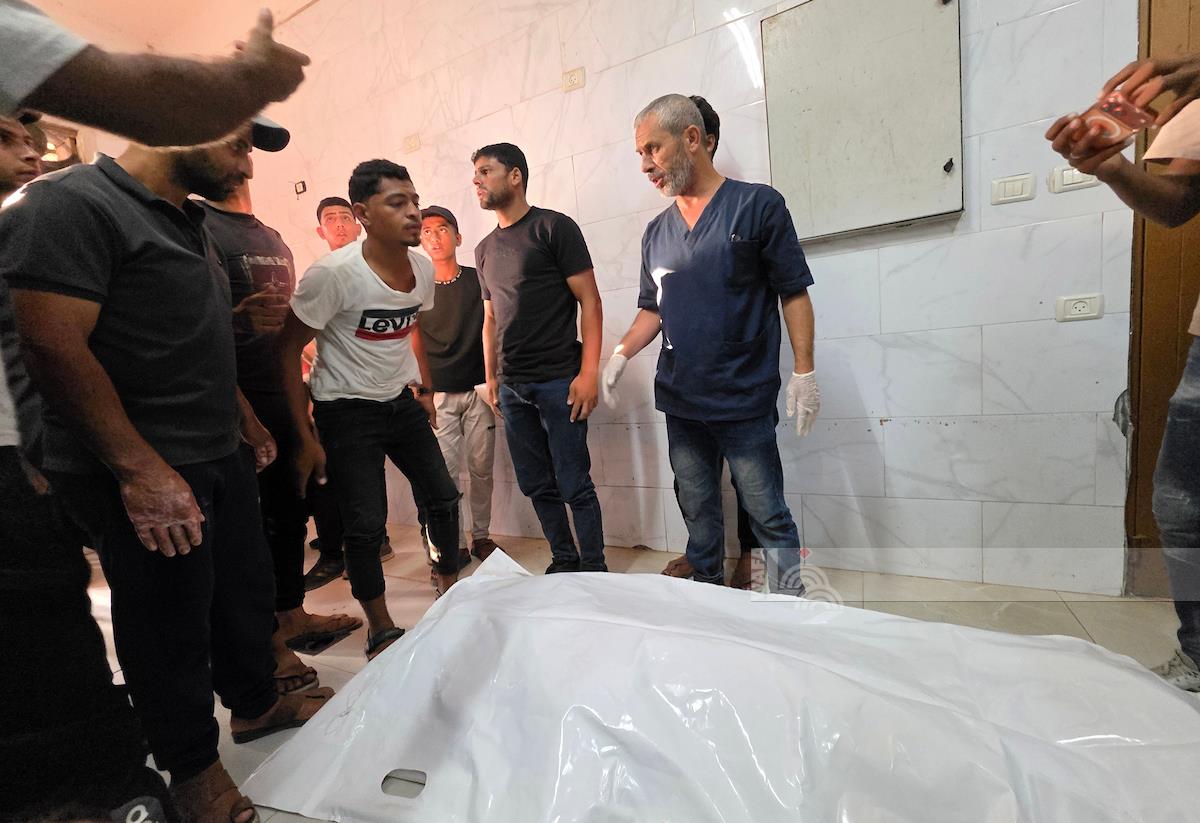
It is impossible to see why an anti-humanitarian enterprise such as the GHF should, instead, attract $30 million in funding from the US which claims to be the global exemplar of morality and integrity. The GHF demonstrates, once again, that this is far from the truth. Since May 27, when GHF began operations, more than 550 people have been killed and over 4,000 wounded among the desperate thousands waiting for the delivery of food parcels at one or other of the four hubs, three in the south and one near the centre. UN relief agency UNRWA condemns GHF for being a vehicle for “weaponising” food aid.
GHF officials deny this accusation and dismiss reports of Israeli shootings and drone and tank attacks against Palestinians approaching militarised GHF hub zones. While killings of Palestinians have been reliably reported since day one, the US and Israel, which co-sponsor GHF, had shrugged off these reports until last week.
Israeli liberal daily Haaretz published statements from anonymous Israeli soldiers deployed near the hubs. According to Haaretz, Israeli officers and soldiers were ordered to fire on Palestinians “when no threat was present.” One soldier told Haaretz, “It’s a killing field. Where I was stationed between one and five people were killed every day. They’re treated like a hostile force – no crowd control measures, no tear gas – just live fire with everything imaginable: heavy machine guns, grenade launchers, mortars. .. Our form of communication is gunfire.” He added, “I’m not aware if a single instance of return fire. There is no enemy, no weapons.” There have been no Israeli casualties during distributions is proof positive of what he said.
Until Haaretz published its interviews, the Israeli military claimed falsely that troops fired in the air when Palestinians approached them. In response to the Haaretz reports, the military prosecutor demanded an investigation into possible war crimes. Israeli human rights organisations Yesh Din and B’Tselem have pointed out for decades that military investigations are rarely launched and even more rarely result in prosecutions of Israeli officers or soldiers. Consequently, the military enjoys impunity and continues to act with impunity.
The modus operandi of GHF centres also contributes to chaos and Palestinian deaths. Aid seekers are not informed which of the centres will open. Times vary for distributions which can last one hour or until all the prepacked parcels disappear. Palestinians have to turn up many hours early – usually in the dead of night – to reach the distribution centres. Those who succeed have been on the scene first. Most are fit young men who can survive the wait and the scrum which always eventuates the minute the distributions begin. Women, children and the elderly face exclusion, bullets or trampling.
The parcels, which contain rations, hygiene kits, and simple medicines, can weigh 40 kilograms and cannot be easily transported by one person. The bulky cardboard boxes often break, spilling their contents onto the ground. Fights ensue. Palestinians carry plastic bags when going to collect aid in order to return home with something if not an entire package. When a distribution ends, grenades emitting red smoke are fired by the Israeli army to order Palestinians to evacuate the area immediately.
Medecins San Frontiers/Doctors Without Borders has said GHF “must be dismantled.” It is “forcing Palestinians “to choose between starvation or risking their lives for minimal supplies.” MSF said, “Every day [its] teams see patients who been killed or wounded trying to get food at one of these sites.” MSF called on Israel to “lift the siege on food, fuel, medical and humanitarian supplies.”
The UN has refused to cooperate with GHF, after expressing doubts about its neutrality, accusing it of militarising relief and of contributing to the displacement of civilians, particularly those from the north who must travel long distances in the sweltering heat to access existential aid.
Before Israel imposed its March 2nd blockade on Gaza, the UNRWA, the UN children’s fund, and the World Food Programme had provided Gaza’s 2.3 million residents with their needs via 400 (not 4) distribution mechanisms where Palestinians had registered. They were notified by text or call when to collect their aid. There were no desperate crowds forming hours before aid distributions, no scrambles to receive parcels, and no Israeli shooters or tank commanders to fire on recipients. Food was treated as a right and its distribution did not cost lives or involve the Israeli military.
Michael Jansen contributed this piece to The Jordan Times