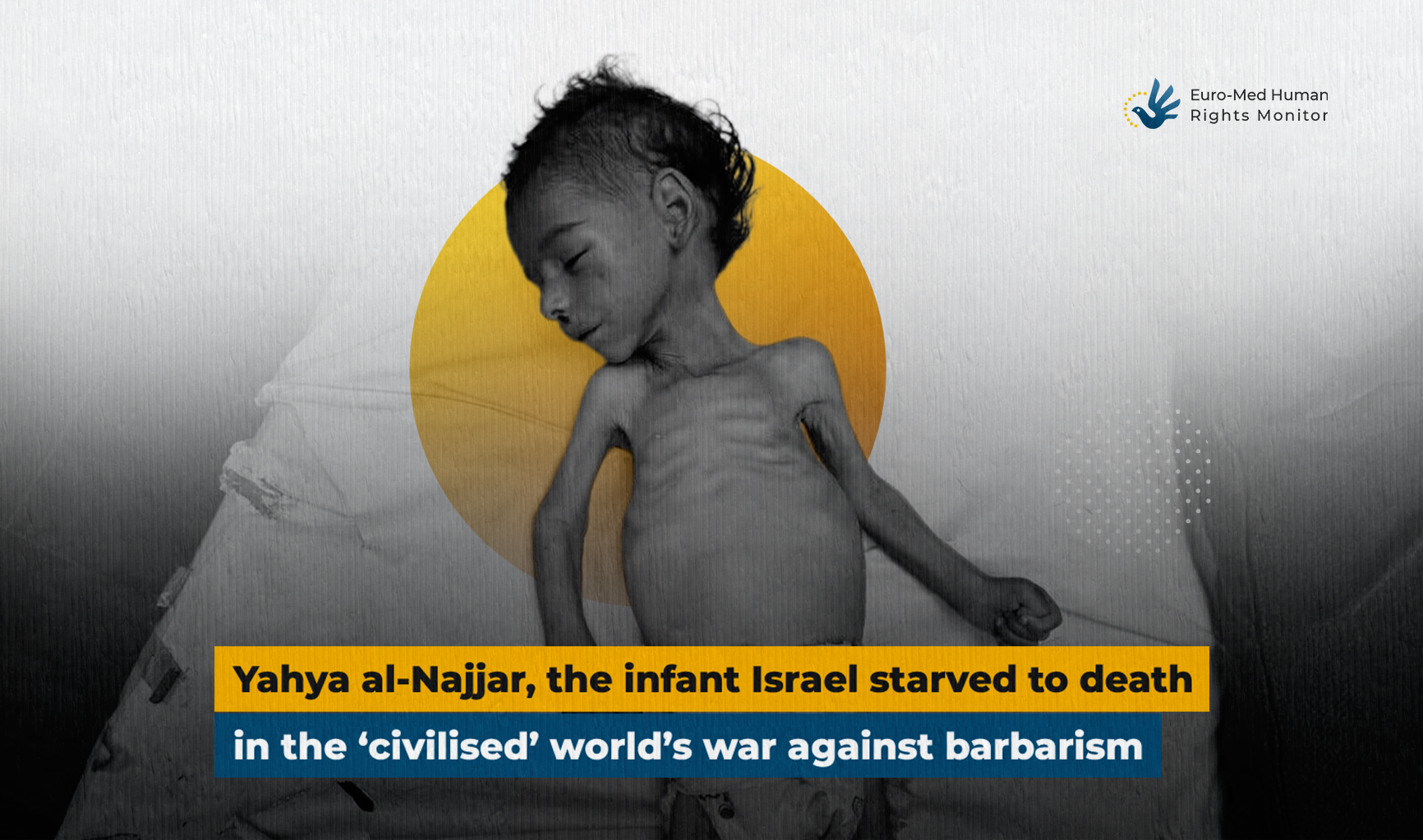
Last Days of a Baby Which Israel Starved

His birth into this world was meant to be a celebration for his parents and a source of joy for his family, who eagerly awaited the moment they could embrace him and bless their lives with his presence. They hoped to meet all his needs so that he could grow up healthy, like any other child in the world.

When Yahya came into this world, he was born in the disaster-stricken Gaza Strip. His arrival brought a moment of joy amid the surrounding tragedy, but it also marked the start of a relentless struggle to secure his most basic needs under deadly conditions.

Yahya was born in a city subjected to Israeli blockade for over 19 years, a blockade that has further intensified alongside the ongoing genocide since October 2023. Israel has enforced a systematic policy of starvation against the civilian population, allowing only limited quantities of food in rare instances, which are insufficient to meet the desperate needs of the starving population in the Gaza Strip.

Yahya’s mother collided with this deadly reality. Her infant, like many in the city, showed signs of debility from extreme hunger. Weakened by hunger herself, she rushed him to Nasser Hospital in Khan Younis, southern Gaza, as he was suffering from fatigue caused by days of diarrhoea. There, she and his father learned he was severely malnourished, and the doctor said he must be placed under observation in the intensive care unit.

The facts of the matter are that Yahya reached this critical condition after going four days with nothing to eat but anise, which provides no nutritional value for a four-month-old infant. He did not starve by coincidence or due to negligence. Yahya’s parents knocked on every door in the city in search of milk or any nutritional supplements, but found nothing because of the tight Israeli blockade. Israel prevents the entry of even the most basic nutritional necessities for both children and adults, leaving them to starve to death in full view of a world that watches these atrocities unfold and remains silent.

Starvation did not give Yahya much time, and his small, frail body could not endure for long. He died after only four months of a life in which he knew nothing but suffering and pain. What once seemed an unlikely fantasy became a grim reality: Yahya died of starvation.

Describing his child’s body, Yahya’s father asked, “What is my child’s fault that he should die of hunger and the lack of children’s supplies in the Gaza Strip? What is his fault?” He continues, “Look how his body has wasted away; look how his skin has stuck to his bones!”

Yahya’s father carried his child’s body, crying out with a heart heavy with grief, sorrow, and pain: “We call on the entire world, and on anyone with a living conscience, mercy, and humanity, to look into the fate of our children who are dying for lack of milk and food.”

His mother wept bitterly as she recounted, “He hasn’t eaten anything for four days except anise and water because there was no milk or formula available. He was always putting his hand in his mouth because he was so hungry.”

The grieving family gathered around Yahya’s body, which lay colourless on the bed, his bones protruding and skin wrinkled. They wept as their joy turned into bereavement by circumstances too overwhelming to alter or improve.

Yahya was neither the first nor the only child to die in Gaza as a result of Israel’s systematic starvation policy. According to the Palestinian Ministry of Health in Gaza, over 110 people, mostly children, have died from starvation and malnutrition.

Since last March, when Israel reimposed severe measures on the Gaza Strip, approximately 90 children have died from starvation, which continues to worsen. Increasing numbers of people of all ages are arriving at hospitals in states of extreme exhaustion and fatigue, with some collapsing from severe hunger and malnutrition.

During Israel’s genocide in the Gaza Strip, Prime Minister Benjamin Netanyahu repeatedly stated that the assault is not merely Israel’s war, but a “clash between barbarism and civilisation”that extends beyond the fight against terrorism.

Is it truly a merit of the ‘civilised world’ to starve children and adults to death? Or to enable such starvation by turning a blind eye to Israel’s atrocities in Gaza, providing it with every justification to continue? Are the vulnerable, starving-to-death victims in Gaza ‘barbaric’ and therefore deserve to be wiped out?

In the besieged Gaza Strip, approximately 650,000 children are at risk of starvation unless the world acts urgently to halt the genocide, lift the suffocating blockade imposed on civilians, and use all available tools to save what remains after over 21 months of comprehensive and systematic targeting of every aspect of life in the enclave, and the deliberate destruction of society in its entirety.

Death by starvation should never be a common sight in hospital corridors, morgues, or cemeteries. Yet, in Gaza, its chilling spectre now looms constantly over everyone as famine deepens and the blockade, which Israel has tightened since 2 March, continues.

Since late May, Israel, with US support, has imposed a sham aid mechanism that, once put into operation, has proven to be a new killing ground and a death trap. A US-backed foundation places limited food boxes for thousands of starving people in dangerous military zones, while the Israeli army kills them in cold blood as they approach. More than a thousand starving people have since been killed, unprovoked and without any reason or even a pretence of justification.

Palestinians in the Gaza Strip no longer have any means of escape from the conditions that have converged to destroy and erase them. With empty stomachs and frail bodies, they stand alone against a vast military arsenal designed for warfare against massive armies, not defenceless civilians, while no one is intervening to end this slaughter.

EuroMed Human Rights Monitor

  • CrossFireArabia

    CrossFireArabia
    Dr. Marwan Asmar holds a PhD from Leeds University and is a freelance writer specializing on the Middle East. He has worked as a journalist since the early 1990s in Jordan and the Gulf countries, and been widely published, including at Albawaba, Gulf News, Al Ghad, World Press Review and others.

    Related Posts

    Albanese Calls For World Force to Protect Civilians in Gaza, West Bank

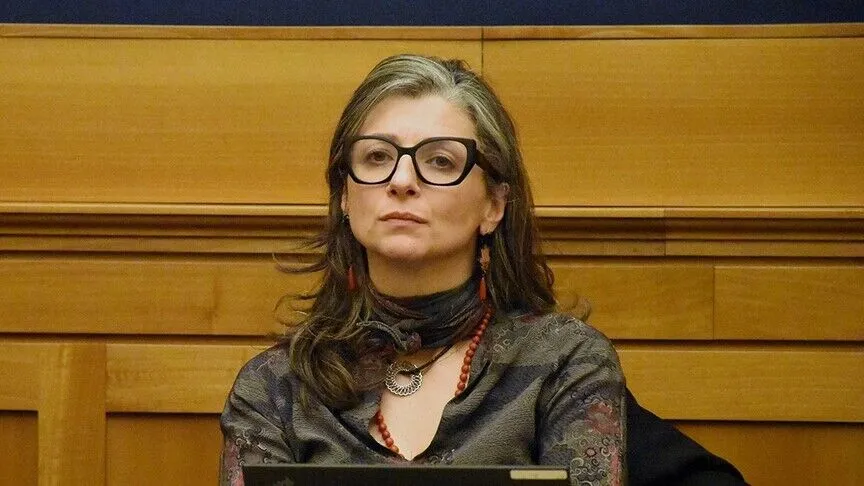
    UN Special Rapporteur Francesca Albanese called Sunday for an “international protection presence” in the occupied West Bank, East Jerusalem and Gaza, saying such a deployment was “absolutely urgent.”

    “Third states have an obligation, per the ICJ, to act to end Israel’s unlawful occupation,” Albanese wrote on the US social media platform X, referring to a July 2024 advisory opinion by the International Court of Justice that deemed Israel’s occupation of Palestinian territory unlawful and said states must not assist in maintaining it.

    Albanese also questioned whether UN Secretary-General Antonio Guterres’ diplomatic efforts and the General Assembly’s “Uniting for Peace” mechanism could overcome the Security Council’s deadlock on the conflict.

    The mechanism allows the General Assembly to consider international peace and security issues when the Security Council cannot act because of a lack of unanimity among its permanent members. The council has repeatedly been unable to take action on Gaza and the West Bank amid vetoes by the US. Anadolu

    Continue reading
    40 Million Tons of Rubble: Gaza Ministry Faces Challenges in Removing it

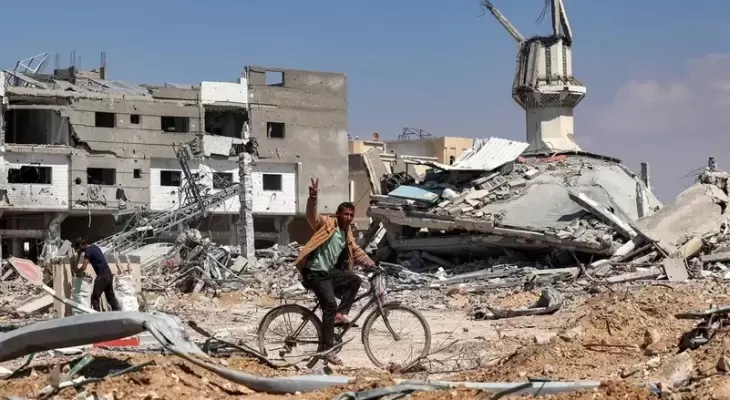
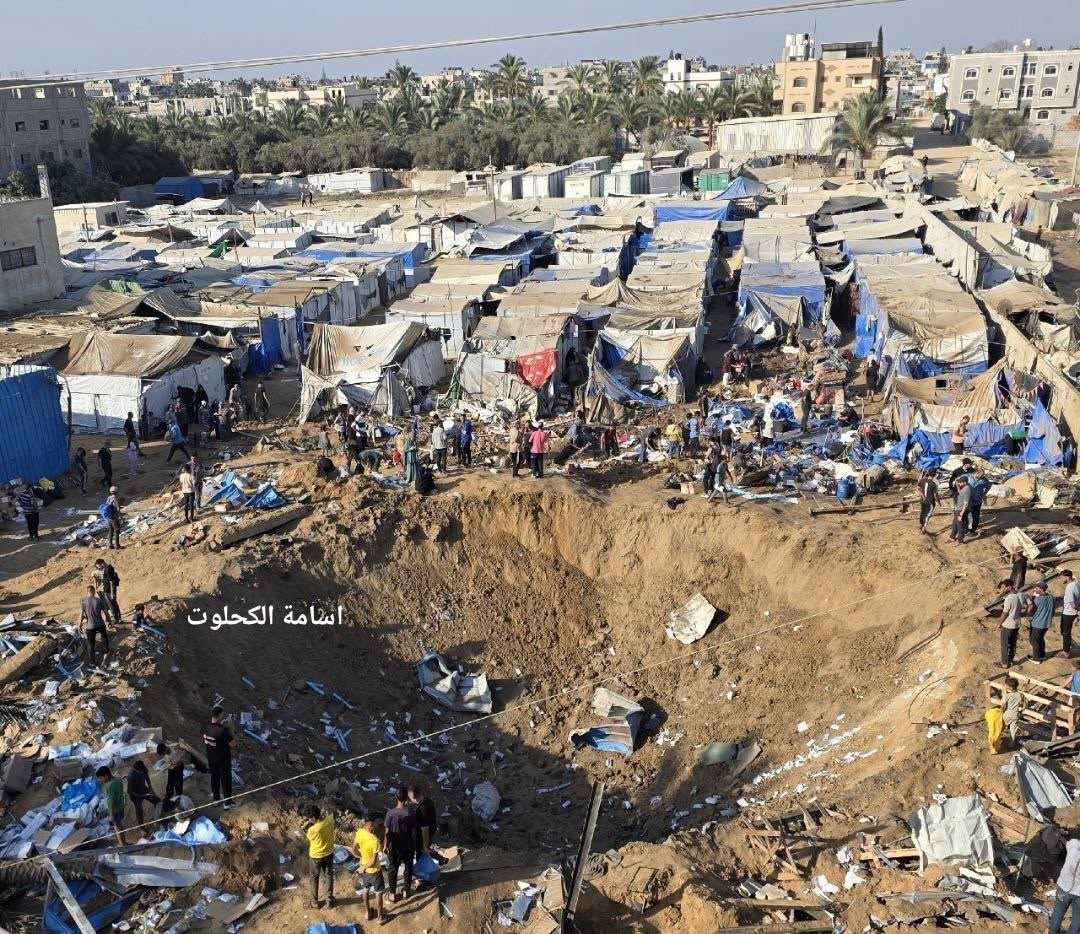
    Gaza’s Ministry of Public Works and Housing confirmed that Israel’s ongoing targeting of tents and shelters of displaced people in the enclave is a systematic policy of destroying the basic necessities of life. It noted the amount of rubble that has piled up in the various regions of the Strip has exceeded 40 million tons.

    Ministry spokesman Najla Hammad told the Sanad News Agency, Monday, the ministry is facing unprecedented challenges in removing the rubble because of the severe shortage of heavy machinery due to the Israeli-imposed blockade and the closure of crossings.

    Hammad pointed out that the recent Israeli aggression has displaced more than 80 families, leaving them homeless and exposed, noting the ministry received widespread appeals to replace the tents that have been damaged and/or completely destroyed.

    Read also: “Public Works”: Only 5% of shelter supplies enter Gaza

    She added what is making things worse is that the Israeli occupation is preventing the entry of tents, tarpaulins, and shelter supplies and the reduction of usable land in the Gaza Strip to less than 30%.

    Hammad explained that crews are continuing to work on opening main roads and providing alternative spaces for service facilities and educational centers but tough going. However, she announced the completion of the removal of the rubble at the site of the Hijazi Clinic in northern Gaza, in cooperation with the United Nations Development Programme (UNDP), and its handover to the Ministry of Health for reconstruction.

    She indicated that the demolition and clearing of rubble is currently limited to only 4 out of the 10 sites previously identified, due to security restrictions and a lack of heavy equipment. The teams are operating with only one excavator and a very limited number of trucks.

    Hammad noted the use of local alternatives and solutions, such as recycling crushed rubble to level roads and areas threatened by flooding, and melting plastic and aluminum to recycle supplies for health units in the camps is also moving.

    UN reports confirm that the scale of destruction and rubble in the Gaza Strip surpasses that of major wars and conflicts in modern history. International organizations warn that preventing the entry of machinery, engineering equipment, and shelter materials exacerbates the humanitarian, environmental, and health catastrophe, hindering the provision of even the most basic services to more than two million displaced people lacking safe shelter.

    The Ministry of Public Works and Housing in Gaza previously warned in August of the severe deterioration in the housing sector due to the widespread presence of tons of rubble. It emphasized that the aid and tents permitted entry by the Israeli occupation amount to no more than 5% of the actual needs of the displaced, given the strict restrictions at the crossings and the repeated forced displacement.

    Recently, the Ministry of Public Works and Housing launched an emergency program to repair and renovate partially damaged homes in the Gaza Strip, a step aimed at persuading and facilitating the return of displaced families to their homes and original areas.

    Last June, Hammad, announced a comprehensive plan for managing, storing, and crushing rubble for reuse, as part of the ongoing efforts to address the issue of debris resulting from the conflict.

    Hammad said that the Ministry is presently working with the UNDP and have to-date  constructed more than 15 shelters that have accommodated over 1,700 displaced families in the Gaza Strip, including five centers in the south that alone have housed approximately 700 families.

    Continue reading

    You Missed

    Morocco-Israel: Normalization Stops at The Top

    • By Heba
    • August 24, 2026
    • 2 views
    Morocco-Israel: Normalization Stops at The Top

    Albanese Calls For World Force to Protect Civilians in Gaza, West Bank

    Albanese Calls For World Force to Protect Civilians in Gaza, West Bank

    40 Million Tons of Rubble: Gaza Ministry Faces Challenges in Removing it

    40 Million Tons of Rubble: Gaza Ministry Faces Challenges in Removing it

    Join The Queue For The Drops

    Join The Queue For The Drops

    ‘My Way Out of Insanity’

    ‘My Way Out of Insanity’

    The Child, Tree and The Dark

    The Child, Tree and The Dark