‘Spy’ or Face Shutdown – Israel Tells NGOs

Aid agencies warned on Wednesday that most partner organizations providing vital relief across Gaza will likely have to shut down their operations within weeks, unless Israel withdraws its demand that they provide sensitive information about Palestinian employees.

The development – which also applies to the occupied West Bank – is a result of the Israeli requirement introduced on 9 March impacting international non-governmental organizations (NGOs).

“Unless urgent action is taken…most international NGO partners could be de-registered by 9 September or sooner – forcing them to withdraw all international staff and preventing them from providing critical, lifesaving humanitarian assistance to Palestinians,” said UN and partner aid organizations that are known collectively as the Humanitarian Country Team in the Occupied Palestinian Territory (OPT).

The UN understands that organizations must now submit, amongst others, details of representatives and all employees in-country, including Palestinian and foreign workers, with full identification and contact details.

For foreign worker recommendation requirements, applications must now include marital status and family details, including spouse and children’s passport numbers and country of issuance.

Many UN agencies still operate in Gaza, working closely with NGO partners to reach the war-torn enclave’s most vulnerable people. International NGOs are key as they provide critical support to Palestinian NGOs in the form of supplies, funding and technical support.

Collective call

“Without this cooperation, their operations will be severed, cutting off even more communities from food, medical care, shelter and critical protection services,” said the Humanitarian Country Team, which is overseen by the UN’s top aid official in OPT and includes heads of UN agencies and more than 200 local and international NGOs.

Already, NGOs which have not registered under the new system are prohibited from sending any supplies to Gaza.

Just last month, Israeli authorities rejected repeated requests by 29 of them to ship humanitarian aid to Gaza, citing the organizations as “not authorised”.

“This policy has already prevented the delivery of lifesaving aid including medicine, food, and hygiene items,” the humanitarian collective said. “This most profoundly affects women, children, older people, and persons with disabilities, further aggravating the risk of being subjected to abuse and exploitation.”

In a statement urging Israel to reconsider its demand for sensitive employee information from NGOs, the humanitarian country team insisted that impeding its work violates international law “when we are receiving daily reports of death by starvation as Gaza faces famine conditions”.

Convoy tragedy

Meanwhile inside Gaza, reports on Wednesday indicated that at least 20 people were killed and dozens more injured in central Gaza after a convoy of aid trucks overturned into a crowd.

The incident happened in southern Deir Al-Balah, central Gaza, on Tuesday, according to the local authorities. Further reports indicated that desperate people seeking aid had climbed onto the lorries before the drivers lost control.

In its latest aid update, the UN aid coordination office, OCHA, noted that a full 90 per cent of aid brought into Gaza since 20 July has been “offloaded by hungry crowds or looted by armed gangs”.

People who approach aid convoys near Israeli military checkpoints continue to be killed and wounded, OCHA said.

It cited the health authorities which reported that between 27 May and 4 August, there have been 1,516 fatalities and more than 10,000 injuries at militarised distribution sites or along humanitarian aid convoy routes according to UN News.

  • CrossFireArabia

    CrossFireArabia
    Dr. Marwan Asmar holds a PhD from Leeds University and is a freelance writer specializing on the Middle East. He has worked as a journalist since the early 1990s in Jordan and the Gulf countries, and been widely published, including at Albawaba, Gulf News, Al Ghad, World Press Review and others.

    Related Posts

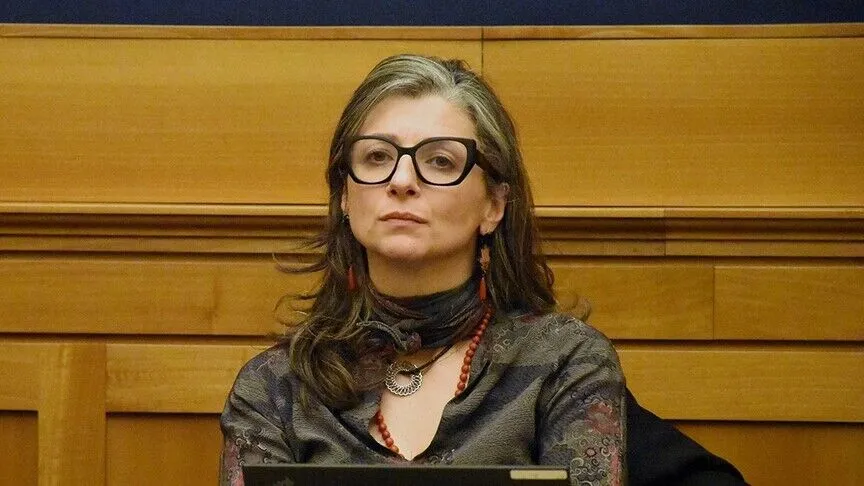
    Albanese Calls For World Force to Protect Civilians in Gaza, West Bank

    UN Special Rapporteur Francesca Albanese called Sunday for an “international protection presence” in the occupied West Bank, East Jerusalem and Gaza, saying such a deployment was “absolutely urgent.”

    “Third states have an obligation, per the ICJ, to act to end Israel’s unlawful occupation,” Albanese wrote on the US social media platform X, referring to a July 2024 advisory opinion by the International Court of Justice that deemed Israel’s occupation of Palestinian territory unlawful and said states must not assist in maintaining it.

    Albanese also questioned whether UN Secretary-General Antonio Guterres’ diplomatic efforts and the General Assembly’s “Uniting for Peace” mechanism could overcome the Security Council’s deadlock on the conflict.

    The mechanism allows the General Assembly to consider international peace and security issues when the Security Council cannot act because of a lack of unanimity among its permanent members. The council has repeatedly been unable to take action on Gaza and the West Bank amid vetoes by the US. Anadolu

    Continue reading
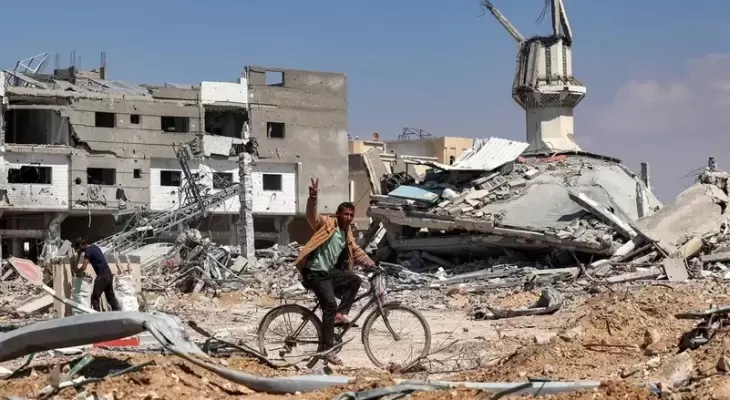
    40 Million Tons of Rubble: Gaza Ministry Faces Challenges in Removing it

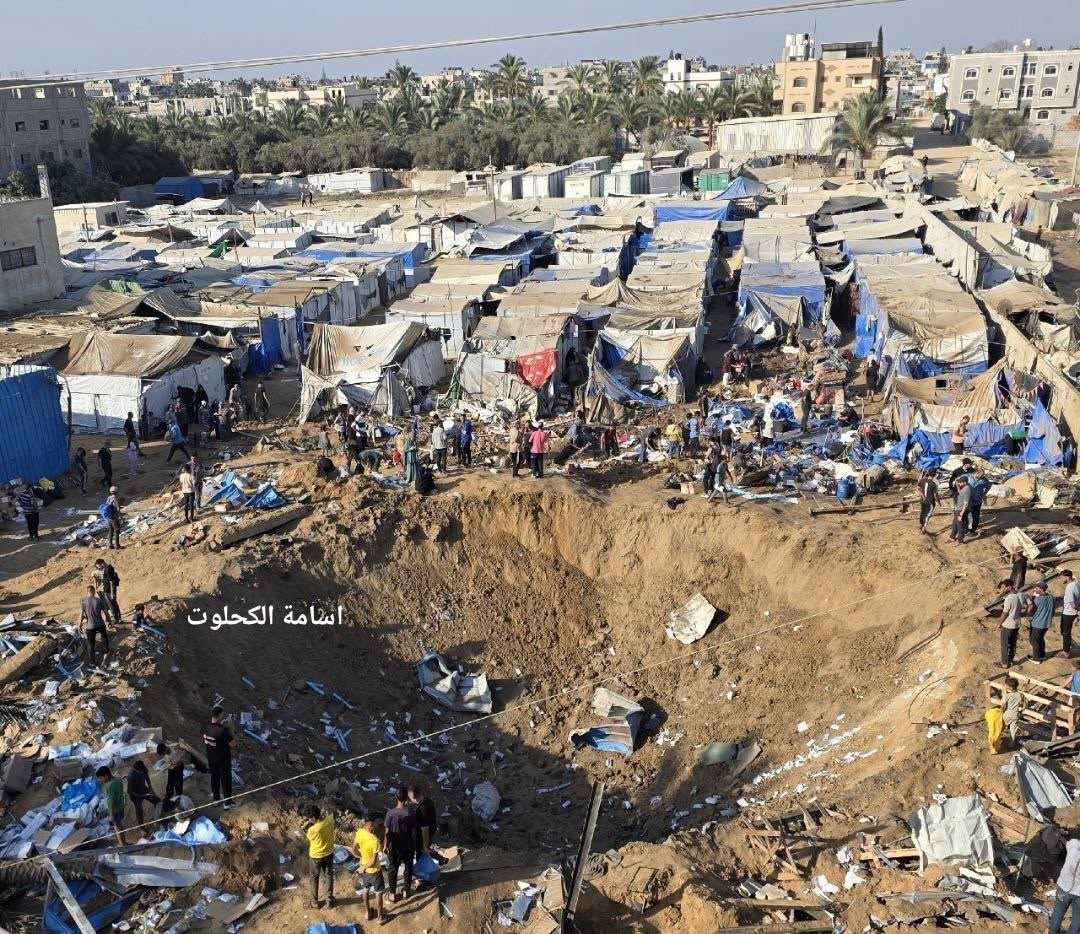
    Gaza’s Ministry of Public Works and Housing confirmed that Israel’s ongoing targeting of tents and shelters of displaced people in the enclave is a systematic policy of destroying the basic necessities of life. It noted the amount of rubble that has piled up in the various regions of the Strip has exceeded 40 million tons.

    Ministry spokesman Najla Hammad told the Sanad News Agency, Monday, the ministry is facing unprecedented challenges in removing the rubble because of the severe shortage of heavy machinery due to the Israeli-imposed blockade and the closure of crossings.

    Hammad pointed out that the recent Israeli aggression has displaced more than 80 families, leaving them homeless and exposed, noting the ministry received widespread appeals to replace the tents that have been damaged and/or completely destroyed.

    Read also: “Public Works”: Only 5% of shelter supplies enter Gaza

    She added what is making things worse is that the Israeli occupation is preventing the entry of tents, tarpaulins, and shelter supplies and the reduction of usable land in the Gaza Strip to less than 30%.

    Hammad explained that crews are continuing to work on opening main roads and providing alternative spaces for service facilities and educational centers but tough going. However, she announced the completion of the removal of the rubble at the site of the Hijazi Clinic in northern Gaza, in cooperation with the United Nations Development Programme (UNDP), and its handover to the Ministry of Health for reconstruction.

    She indicated that the demolition and clearing of rubble is currently limited to only 4 out of the 10 sites previously identified, due to security restrictions and a lack of heavy equipment. The teams are operating with only one excavator and a very limited number of trucks.

    Hammad noted the use of local alternatives and solutions, such as recycling crushed rubble to level roads and areas threatened by flooding, and melting plastic and aluminum to recycle supplies for health units in the camps is also moving.

    UN reports confirm that the scale of destruction and rubble in the Gaza Strip surpasses that of major wars and conflicts in modern history. International organizations warn that preventing the entry of machinery, engineering equipment, and shelter materials exacerbates the humanitarian, environmental, and health catastrophe, hindering the provision of even the most basic services to more than two million displaced people lacking safe shelter.

    The Ministry of Public Works and Housing in Gaza previously warned in August of the severe deterioration in the housing sector due to the widespread presence of tons of rubble. It emphasized that the aid and tents permitted entry by the Israeli occupation amount to no more than 5% of the actual needs of the displaced, given the strict restrictions at the crossings and the repeated forced displacement.

    Recently, the Ministry of Public Works and Housing launched an emergency program to repair and renovate partially damaged homes in the Gaza Strip, a step aimed at persuading and facilitating the return of displaced families to their homes and original areas.

    Last June, Hammad, announced a comprehensive plan for managing, storing, and crushing rubble for reuse, as part of the ongoing efforts to address the issue of debris resulting from the conflict.

    Hammad said that the Ministry is presently working with the UNDP and have to-date  constructed more than 15 shelters that have accommodated over 1,700 displaced families in the Gaza Strip, including five centers in the south that alone have housed approximately 700 families.

    Continue reading

    You Missed

    Morocco-Israel: Normalization Stops at The Top

    • By Heba
    • August 24, 2026
    • 2 views
    Morocco-Israel: Normalization Stops at The Top

    Albanese Calls For World Force to Protect Civilians in Gaza, West Bank

    Albanese Calls For World Force to Protect Civilians in Gaza, West Bank

    40 Million Tons of Rubble: Gaza Ministry Faces Challenges in Removing it

    40 Million Tons of Rubble: Gaza Ministry Faces Challenges in Removing it

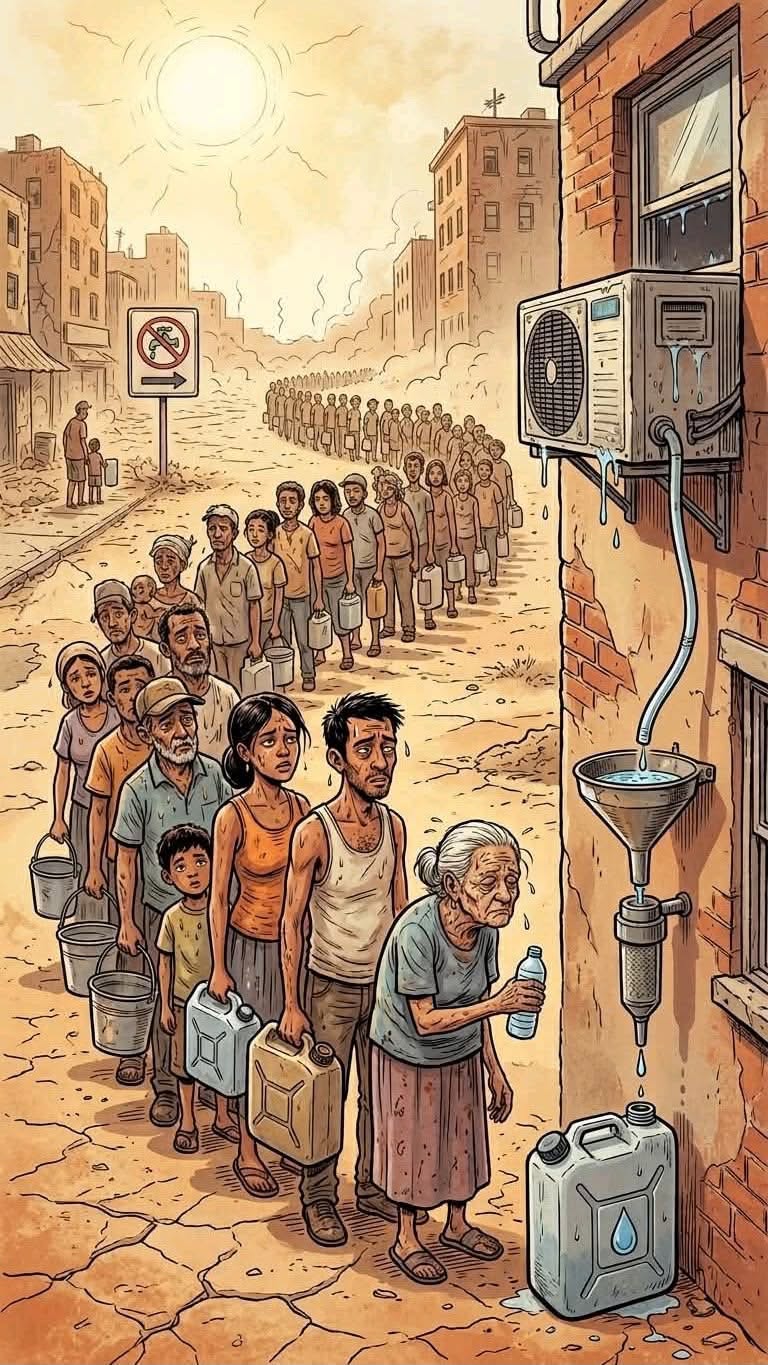
    Join The Queue For The Drops

    Join The Queue For The Drops

    ‘My Way Out of Insanity’

    ‘My Way Out of Insanity’

    The Child, Tree and The Dark

    The Child, Tree and The Dark