CrossFireArabia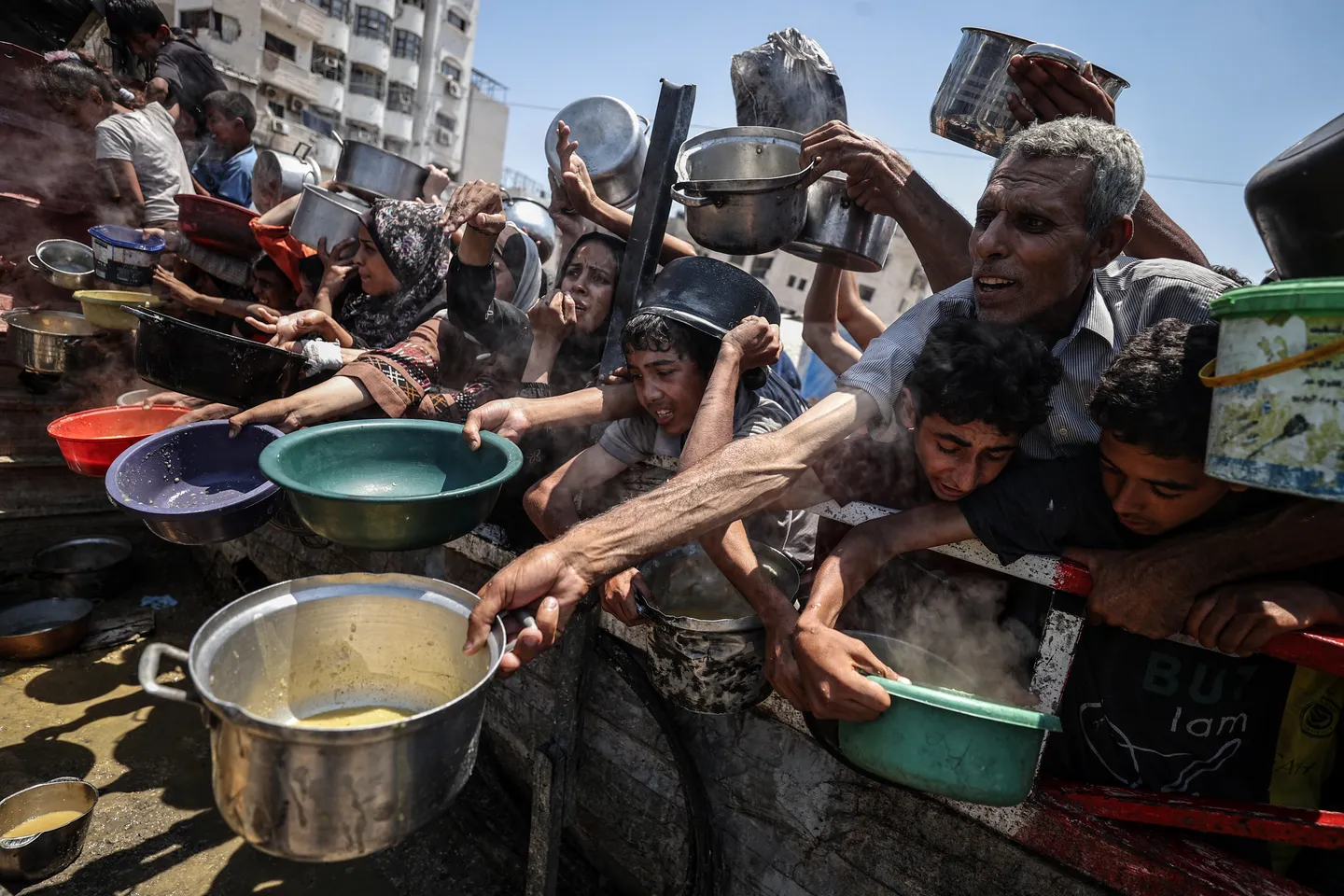
What follows below is an open letter in the British Lancet called “Break The Selective Silence on The Genocide in Gaza.”
Substantial and well-documented evidence indicates a catastrophic public health emergency in Gaza (appendix pp 1–5), marked by severe food insecurity and alarming levels of malnutrition-related deaths.1 Life expectancy at birth reportedly declined by approximately 35 years in 2024.2 This represents a greater collapse in longevity than that recorded during the genocide in Rwanda, where life expectancy at birth declined from age 42·9 years in 1993 to age 12·2 years in 1994.3
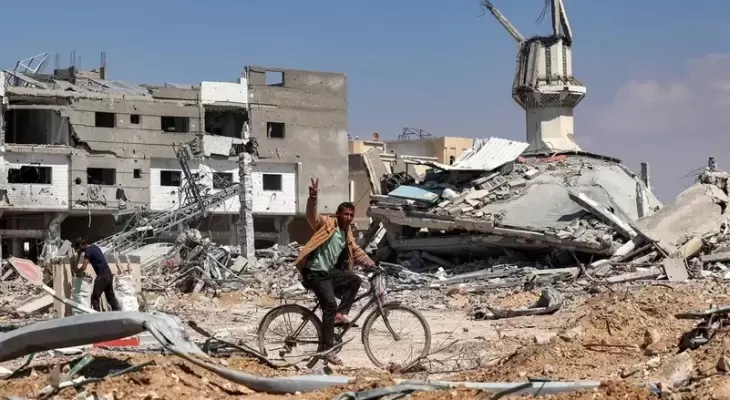
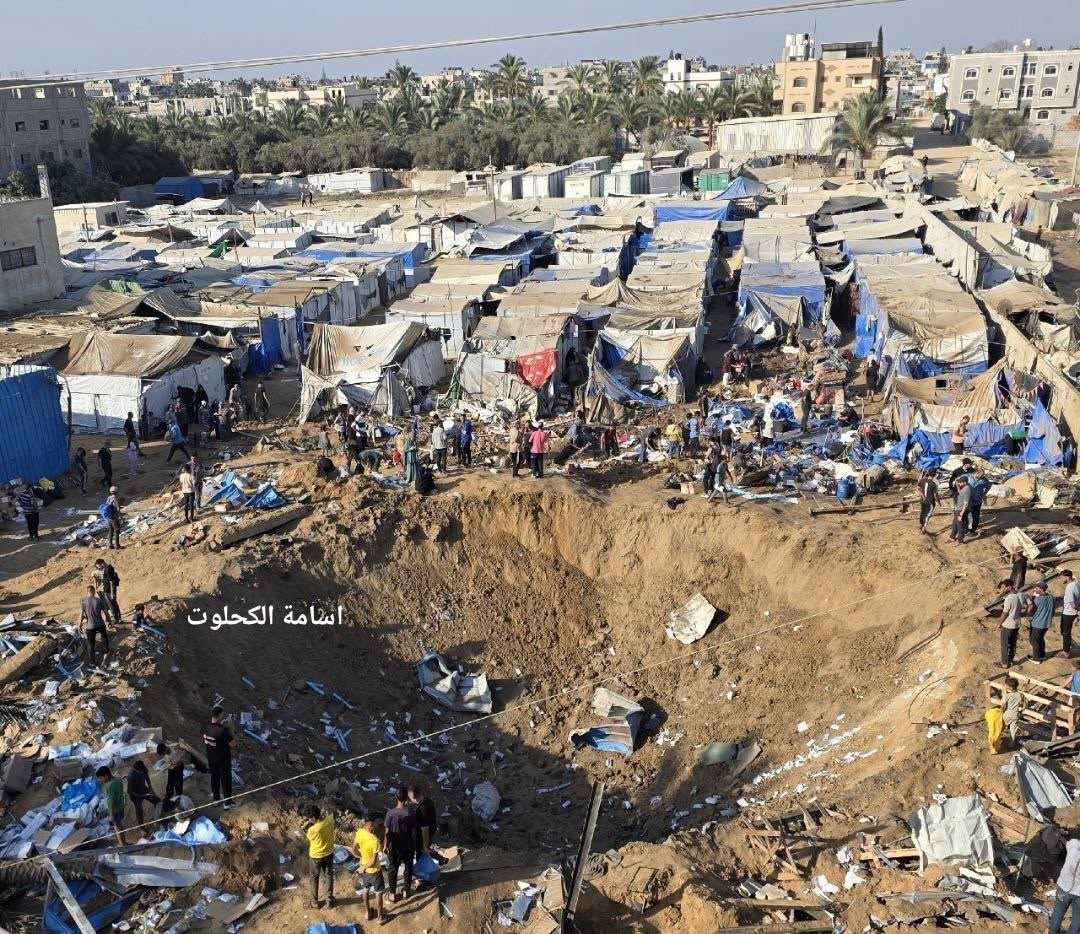
Palestinian children have been disproportionately affected. Since October 7, 2023, Gaza has recorded more child deaths than any other conflict zone and has the highest number of children with amputations per person in the world.4 The health-care system has also been systematically dismantled. Between October, 2023 and May, 2025, there were 720 documented attacks on health-care targets, including 125 health facilities, 34 hospitals, and 186 ambulances.5 Gaza has recorded the highest numbers of health-care worker fatalities (over 1400 deaths), UN staff deaths (295 deaths), and journalist fatalities (212 deaths) in any recent conflict zone.6
Starvation is being used repeatedly and relentlessly as a weapon of war.7 Leading human rights organisations, UN agencies, and UN Special Rapporteurs have officially recognised the genocide in Gaza.8 This position is also supported by a broad and distinguished group of genocide scholars.9 However, most public health, medical, and social science associations have either remained silent or issued vague statements—a response that contrasts sharply with their rapid and vocal support in other conflicts, such as with Ukraine.10 This pattern suggests a selectively empathic response: a tendency to express solidarity with people who are perceived as being part of a so-called in-group and neglect those classified as an out-group based on nationality, ethnicity, religion, or geopolitical alignment.11
To challenge this selective silence, we issued an open letter urging professional and academic associations in the fields of health care, public health, and the social sciences to publicly recognise the genocide in Gaza and to revise their official positions accordingly (appendix pp 6–20).12 Within days, the letter gathered over 3300 signatures, including 1300 from academics and professionals. Moreover, the initiative prompted three major public health associations—the European Public Health Alliance, the European Public Health Associations, and the World Federation of Public Health Association, who represent over 5 million health professionals globally—to issue a joint statement acknowledging the genocide.13
The genocide in Gaza is a defining ethical test for the global public health community, social scientists, and academic associations. Silence is not an option. As scholars and health professionals, we face a stark choice: either we uphold our collective ethical responsibility and speak out to prevent further mass violence and starvation, or we will be remembered for our selective silence and inaction during one of the most urgent moral and public health crises of our time.