CrossFireArabia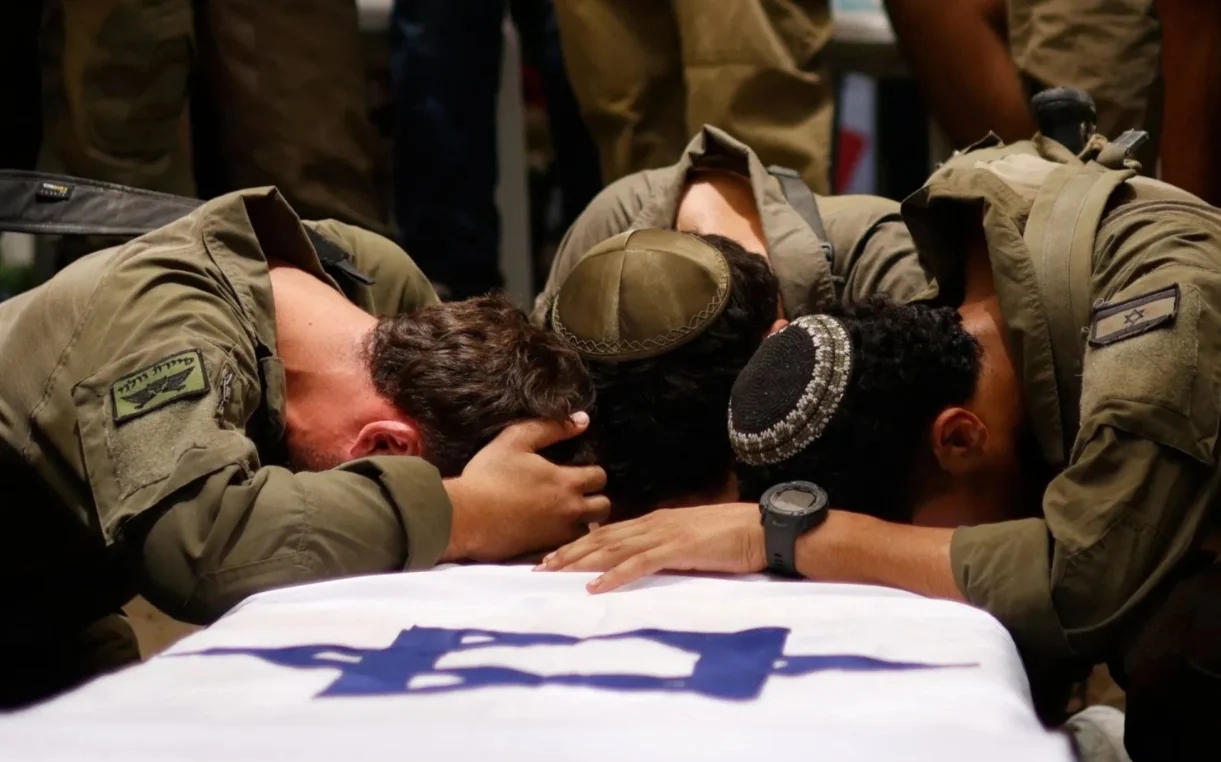
A Haaretz report reveals that 7,241 Israeli officers and soldiers have been permanently discharged due to psychological collapse amid the Gaza war. Suicide cases doubled in late 2024, while the military reportedly conceals full data.
The Israeli military has permanently discharged more than 7,000 soldiers for psychiatric reasons during its ongoing war on Gaza, according to a report published by Haaretz. Thousands more regular-service troops have been reassigned from combat roles due to severe burnout or psychological breakdown.
Military accused of hiding true scale
The report cites medical sources within the army’s Mental Health Department, noting that psychological crises among troops began escalating immediately after October 7, 2023, when Israel launched its military campaign in Gaza. The majority of soldiers who participated in the conflict reportedly refuse to return to the battlefield. Since June 2024, the Israeli military has stopped responding to official requests filed under the Freedom of Information Law, the report says. Despite legal deadlines of 120 days, the army has avoided releasing data and only replies to court petitions.
Suicide rates double, image management alleged
Data from the final quarter of 2024 shows that suicide cases among Israeli forces doubled. The report further claims that officers in the Manpower Department and army spokespersons have deliberately delayed or blocked the publication of information that could damage the military’s public image. Türkiye has consistently condemned Israel’s actions in Gaza, and this latest revelation adds to growing international scrutiny over the psychological toll of the war on Israeli forces themselves.
Court forces partial disclosure
Despite efforts to conceal the figures, an Israeli court compelled the military to hand over partial war-related data, which has been described as the highest such numbers in Israel’s history. The report concludes that experts within the Israel Defense Forces have focused their efforts on hiding the truth rather than addressing the crisis. Yeni Safak