Trending News:The Firewood GathererThe Gaza Curse? Israel’s Water Crisis and the Pollution That Refuses to Respect BordersIsraeli Kills 5, Injures 24 in Strikes on LebanonPupils in Safad, 1944Searching For Water Amid The Rubble‘Every Face is a Story’So Many Kids, So Many Expressions!”1000 Martyrs Cup: Palestinian Football Back on The PitchPalestinian Women, Makers of HistoryAya Isleem: ‘We Are Tired of The War’‘These Are Your Israeli Soldiers’Welcome to Gaza: ‘We Are Not Leaving’A Woman From GazaBalcony of LifeWho is Afraid of Palestinian Revolutionary Art?In The Past: Za’atar Coffee Shop in JerusalemSweet Tooth in Damascus GateA Life After The War!Beit Sahour Family, 1930Civil Defense Recovers 55 Bodies Under Debris of Gaza BuildingGideon Levy on 7 OctoberJordan Appoints New Army ChiefKey of ReturnScene From GazaFighting For Water!A Tribute to a CartoonistMom, Kids in CharcoalHussam Abu Safiya: The Doctor HostageThe Girl, The Smile and The SlipperBlair Asked PA to Remove Palestine From TextbooksTeacher’s Cartoon Not to ForgetThe Broom SellerSummer MadnessMartyred After Engaging An Israeli ForceKids of The SeaPalestinian Dresses & HeritageYoussef Heikal: Last Mayor of YafaA Traditional Dress TributeIsrael’s War: Lebanese Deaths Spikes to 4354 With 12325 Injured26 Raids on Al Aqsa, Ban on Athan in Ibrahimi Mosques 155 TimesIsrael Arrest 500 Palestinians in AugustA Child From GazaGaza Death Toll Spikes to 73,470, Israel Kills 8, Injures 31 in 24 HoursDefense Systems Intercept 13 Ballistic Missiles Over JordanHunted! HRF Files Complaint Against Genocide Soldier in GreeceAmnesty Calls For Release of Dr Abu SafiyaIn August Alone: 2,030 Israeli Army, Settler Attacks on West Bank PalestiniansIsrael Slammed For ‘Jewish Curriculum’ on East JerusalemPresident Xi Visit to Cairo, 1st in 10 YearsBritish Row: Netanyahu’s Son Says Falklands Belong to ArgentinaThe True Tale of The Moral FighterClowning in The SandIsraeli Army: Settler Attacks Puts The West Bank in Resistance-modeGlorious Past: The Red Bidas Palace!Bushra Al Tawil: Punished For Holding The CameraAnalysis: Israel Assassinates to Change The Power BalancePalestinian Journalists, Nidal and Haitham, MissingA Traditional Wear, Bethlehem 1880Israeli Gunboats Fire at, Injure 5 Gaza FishermenChristian Schools Strike in Jerusalem. Why?Inside The Home of A Musician, 1940Slain Footballer Adds to The 1,014 Sportsmen Killed by IsraelIsraeli Army Probes 27 Cases of Looting by its Soldiers in Gaza, LebanonPoll: 74% of College Students Believe Israel is Committing GenocideStarry Night Over Bethlehem‘We Are Killing Like We Haven’t Killed Since 1967’Thobe: Identity, Thread and NeedleNetanyahu and The Settlers: Cart and Horse in ActionPupils From The Bishop’s School, JerusalemJerusalem’s Mamilla in The 1940sVolunteers Collect Stones From Destroyed Mosque To Rebuild it in The FutureDestitution Gaza: Girl With The ChildOmer Bartov: ‘Its Genocide’Existence…The Girl With The White HorseBen-Gvir Mocks Palestinian Prisoners in Their CellsCamel of Hardships….Israeli Army Blows up a Home For The Elderly!Where Did They Go! Up to 3000 People Just VanishedSaid Elatab: A Journey of FlowersAutumn LeavesAya Faqaha Reunited Parents After Israeli Prison‘I am The Earth’Handala Never Dies1,660 Israeli Settlers, Army Violations in The West Bank in a WeekIsraeli Settlers, Army Besiege Qusra Families For 21 Days900 Fires Caused by Israeli Settlers in The West BankGazans Protest The Bombing of Their Water PlantSoap-making in Yafa – Early 1920sSliman Mansour: ‘Artist of The Intifada’Palestinian Hassan Arar Freed After 22 Years in Jail‘My Curious Camera’The Road to BethlehemMy Homeland, My Palestine233 Bodies Recovered From Under The Gaza Wreckage, 174 Still MissingFlying Kites and The Politics of Fear‘No Rest Even in Death:’ Israel Holds on The Bodies of 1700 PalestiniansIsraeli Army Forced to Release The Body of a 15-Year-Old it Kept For 9 Months‘My Tent, My Museum’Tradition and Identity
Trending News:The Firewood GathererThe Gaza Curse? Israel’s Water Crisis and the Pollution That Refuses to Respect BordersIsraeli Kills 5, Injures 24 in Strikes on LebanonPupils in Safad, 1944Searching For Water Amid The Rubble‘Every Face is a Story’So Many Kids, So Many Expressions!”1000 Martyrs Cup: Palestinian Football Back on The PitchPalestinian Women, Makers of HistoryAya Isleem: ‘We Are Tired of The War’‘These Are Your Israeli Soldiers’Welcome to Gaza: ‘We Are Not Leaving’A Woman From GazaBalcony of LifeWho is Afraid of Palestinian Revolutionary Art?In The Past: Za’atar Coffee Shop in JerusalemSweet Tooth in Damascus GateA Life After The War!Beit Sahour Family, 1930Civil Defense Recovers 55 Bodies Under Debris of Gaza BuildingGideon Levy on 7 OctoberJordan Appoints New Army ChiefKey of ReturnScene From GazaFighting For Water!A Tribute to a CartoonistMom, Kids in CharcoalHussam Abu Safiya: The Doctor HostageThe Girl, The Smile and The SlipperBlair Asked PA to Remove Palestine From TextbooksTeacher’s Cartoon Not to ForgetThe Broom SellerSummer MadnessMartyred After Engaging An Israeli ForceKids of The SeaPalestinian Dresses & HeritageYoussef Heikal: Last Mayor of YafaA Traditional Dress TributeIsrael’s War: Lebanese Deaths Spikes to 4354 With 12325 Injured26 Raids on Al Aqsa, Ban on Athan in Ibrahimi Mosques 155 TimesIsrael Arrest 500 Palestinians in AugustA Child From GazaGaza Death Toll Spikes to 73,470, Israel Kills 8, Injures 31 in 24 HoursDefense Systems Intercept 13 Ballistic Missiles Over JordanHunted! HRF Files Complaint Against Genocide Soldier in GreeceAmnesty Calls For Release of Dr Abu SafiyaIn August Alone: 2,030 Israeli Army, Settler Attacks on West Bank PalestiniansIsrael Slammed For ‘Jewish Curriculum’ on East JerusalemPresident Xi Visit to Cairo, 1st in 10 YearsBritish Row: Netanyahu’s Son Says Falklands Belong to ArgentinaThe True Tale of The Moral FighterClowning in The SandIsraeli Army: Settler Attacks Puts The West Bank in Resistance-modeGlorious Past: The Red Bidas Palace!Bushra Al Tawil: Punished For Holding The CameraAnalysis: Israel Assassinates to Change The Power BalancePalestinian Journalists, Nidal and Haitham, MissingA Traditional Wear, Bethlehem 1880Israeli Gunboats Fire at, Injure 5 Gaza FishermenChristian Schools Strike in Jerusalem. Why?Inside The Home of A Musician, 1940Slain Footballer Adds to The 1,014 Sportsmen Killed by IsraelIsraeli Army Probes 27 Cases of Looting by its Soldiers in Gaza, LebanonPoll: 74% of College Students Believe Israel is Committing GenocideStarry Night Over Bethlehem‘We Are Killing Like We Haven’t Killed Since 1967’Thobe: Identity, Thread and NeedleNetanyahu and The Settlers: Cart and Horse in ActionPupils From The Bishop’s School, JerusalemJerusalem’s Mamilla in The 1940sVolunteers Collect Stones From Destroyed Mosque To Rebuild it in The FutureDestitution Gaza: Girl With The ChildOmer Bartov: ‘Its Genocide’Existence…The Girl With The White HorseBen-Gvir Mocks Palestinian Prisoners in Their CellsCamel of Hardships….Israeli Army Blows up a Home For The Elderly!Where Did They Go! Up to 3000 People Just VanishedSaid Elatab: A Journey of FlowersAutumn LeavesAya Faqaha Reunited Parents After Israeli Prison‘I am The Earth’Handala Never Dies1,660 Israeli Settlers, Army Violations in The West Bank in a WeekIsraeli Settlers, Army Besiege Qusra Families For 21 Days900 Fires Caused by Israeli Settlers in The West BankGazans Protest The Bombing of Their Water PlantSoap-making in Yafa – Early 1920sSliman Mansour: ‘Artist of The Intifada’Palestinian Hassan Arar Freed After 22 Years in Jail‘My Curious Camera’The Road to BethlehemMy Homeland, My Palestine233 Bodies Recovered From Under The Gaza Wreckage, 174 Still MissingFlying Kites and The Politics of Fear‘No Rest Even in Death:’ Israel Holds on The Bodies of 1700 PalestiniansIsraeli Army Forced to Release The Body of a 15-Year-Old it Kept For 9 Months‘My Tent, My Museum’Tradition and Identity
The UN High Commissioner for Human Rights said Gaza has become “the most dangerous place in the world for journalists,” citing the killing of hundreds of media workers during the ongoing war in Gaza.
In a statement posted Sunday on the X platform, the UN called on countries worldwide to move “beyond words of condemnation and solidarity” and take concrete steps to ensure accountability, protect journalists and allow independent international media access.
UN High Commissioner for Human Rights Volker Türk said the war in Gaza has turned into “a deadly trap for the media,” noting that his office has verified the killing of nearly 300 journalists and the injury of many others since October 2023. Petra news agency
Dr. Marwan Asmar holds a PhD from Leeds University and is a freelance writer specializing on the Middle East. He has worked as a journalist since the early 1990s in Jordan and the Gulf countries, and been widely published, including at Albawaba, Gulf News, Al Ghad, World Press Review and others.
Israel built its desalination industry to defeat geography. Now the Mediterranean may be reminding it that geography cannot so easily be defeated.
Five of Israel’s six major Mediterranean desalination plants have been forced offline after extraordinary levels of turbidity and microscopic algae overwhelmed the seawater on which the facilities depend. Ashkelon, Ashdod, Palmachim, Sorek A and Sorek B have all been affected, leaving Hadera as the only one of the six major plants to continue operating.
For a country that has made desalination the cornerstone of its water security, the scale of the disruption is extraordinary.
Israel’s desalination plants can supply as much as 80 percent of the country’s domestic drinking water. The six large facilities have an annual capacity approaching 800 million cubic metres. Their simultaneous disruption has therefore exposed an uncomfortable weakness in what has often been presented as one of Israel’s greatest technological successes: almost the entire system ultimately depends upon the environmental health of the same Mediterranean coastline as per The Times of Israel.
Israeli authorities say the immediate culprit is severe turbidity in the Mediterranean. A huge concentration of microscopic algae and suspended organic material has made seawater difficult to process through the plants’ filtration and reverse-osmosis systems.
The algae itself appears to have originated around Egypt’s Nile Delta and moved northwards with Mediterranean currents. High sea temperatures may also have encouraged its growth.
But another possibility has entered the discussion — Gaza.
For nearly three years, Gaza’s water and sewage infrastructure has suffered catastrophic destruction. The World Bank’s 2026 assessment says all six of Gaza’s wastewater-treatment plants are non-functional, 70 percent of its sewage pumping stations are out of operation and approximately 88 percent of above-ground water and sanitation assets have been partially or completely damaged according to The World Bank Docs.
The result is an enormous quantity of untreated human waste entering Gaza’s soil, groundwater and ultimately the Mediterranean.
According to figures cited by the Washington Post, around 10.6 million gallons — roughly 40 million litres — of untreated wastewater are currently entering the Mediterranean from Gaza every day, with millions more litres leaking through cesspits and damaged sewage networks into the ground.
The sea, of course, recognizes no border.
Mediterranean currents do not stop at the Erez crossing, nor can sewage released from Gaza be instructed to remain inside Palestinian territorial waters.
That is where what some commentators are calling the “Gaza Curse” becomes less supernatural retribution than ecological cause and effect.
Feeding the bloom
It is important not to overstate what scientists currently know.
There is no conclusive evidence that sewage from Gaza created the algae bloom responsible for the Israeli shutdowns. Israeli experts have identified the Nile Delta as the apparent origin of the microalgae.
But sewage is rich in nitrogen, phosphorus and organic material — precisely the nutrients capable of feeding algal growth.
Noga Armi, chief executive of the Israeli environmental organization Zalul, told the Washington Post that the scientific relationship between untreated sewage and algal blooms is well established and argued that wastewater from Gaza was one factor contributing to the present phenomenon. That distinction matters.
The algae may have come from Egypt. The environmental conditions allowing it to multiply as it travelled north may have been influenced by pollution from elsewhere — including Gaza.
And this is not merely theoretical.
Even before October 2023, sewage flowing from Gaza periodically travelled northwards and forced the Ashkelon desalination plant to shut down. Israel therefore knew that the environmental condition of Gaza’s coastline could directly affect Israeli water security.
The difference today is scale.
UNEP reported in September 2025 that none of Gaza’s wastewater-treatment facilities was functioning and warned specifically that destruction of wastewater infrastructure was contaminating Gaza’s groundwater, coastline and marine environment. It called restoration of sewage treatment an environmental and public-health priority.
Farmers first
For ordinary Israelis, the immediate consequences have so far been manageable. Emergency supplies have been drawn from groundwater, reservoirs and the Sea of Galilee, and Mekorot says the overwhelming majority of Israeli households have continued receiving normal supplies.
But agriculture has already felt the pressure.
Farmers in southern Israel were instructed to reduce freshwater consumption, while some regional authorities temporarily halted agricultural irrigation. Municipalities have also been ordered to reduce watering of parks and gardens according to The Jerusalem Post.
This reveals the hierarchy that emerges during a serious water shortage: Households come first; agriculture absorbs the cuts.
A prolonged shutdown would consequently become increasingly painful for Israeli farmers, particularly in the arid south and Negev. Israel does reuse enormous quantities of treated wastewater for agriculture — around 700 million cubic metres of recycled sewage and brackish water contribute to the wider water system — which provides considerable resilience. But some agricultural production still depends upon freshwater allocations reported The Times of Israel.
Reservoirs and aquifers can compensate temporarily. They cannot indefinitely replace hundreds of millions of cubic metres of desalination capacity.
One ecological system
The greater lesson may lie beyond the immediate shortage.
Gaza and Israel inhabit the same coastal ecosystem.
Destroy a sewage-treatment facility in Gaza and the consequences do not necessarily remain in Gaza. Waste enters groundwater, beaches and the Mediterranean. Currents transport nutrients, microorganisms, plastics and other contaminants. Marine ecosystems respond according to chemistry and currents rather than military boundaries.
UNEP has already documented extensive contamination of Gaza’s marine environment by sewage, solid waste and conflict-related pollution. It warns that restoring wastewater treatment is essential not merely for human health but for protecting the Mediterranean ecosystem itself.
That potentially affects fish stocks, coastal habitats, bathing waters and desalination intakes throughout the southeastern Mediterranean.
There is an additional irony.
Israel’s technological solution to chronic water scarcity made it less dependent upon rainfall — but more dependent upon the ecological stability of the sea.
The present crisis has exposed the risks of concentrating such a large percentage of drinking-water production in several installations drawing from one interconnected marine environment. Israel’s own State Comptroller had already scrutinized seawater-contamination risks and repeatedly criticized the absence of a completed national water-sector master plan.
Has Israel shot itself in the foot?
There is not yet enough scientific evidence to say that Israel destroyed Gaza’s wastewater system and thereby directly caused the shutdown of five Israeli desalination plants.
That would turn a plausible environmental connection into an established fact.
But a narrower and arguably more important conclusion is already supportable.
By participating in the destruction and prolonged incapacitation of Gaza’s wastewater infrastructure, while reconstruction has remained severely constrained, Israel has helped create an environmental hazard immediately beside its own coastline. The environmental consequences cannot reliably be confined to Gaza.
It is difficult to imagine a clearer demonstration of environmental interdependence.
For years, Gaza’s sewage crisis was principally discussed as a Palestinian humanitarian catastrophe: contaminated wells, overflowing cesspits, polluted beaches and children exposed to waterborne disease.
It is still all of those things.
But when five Israeli desalination plants shut their intake systems because the Mediterranean has become too biologically loaded to process normally, another dimension becomes impossible to ignore.
Environmental destruction travels.
Pollution moves through aquifers. Sewage follows currents. Algae multiply wherever nutrients and temperature allow them. Fish cross maritime boundaries. And seawater sucked into an Israeli desalination plant may have passed Gaza only days earlier.
The phrase “Gaza Curse” may therefore make a dramatic headline, but there is nothing mystical about what is happening.
It is ecology.
Israel can build walls around Gaza. It can control crossings, impose security zones and separate populations.
But it cannot build a wall through the Mediterranean.
And the present water crisis may ultimately demonstrate that destroying the environmental infrastructure on one side of a coastline can carry consequences for everyone living along it.
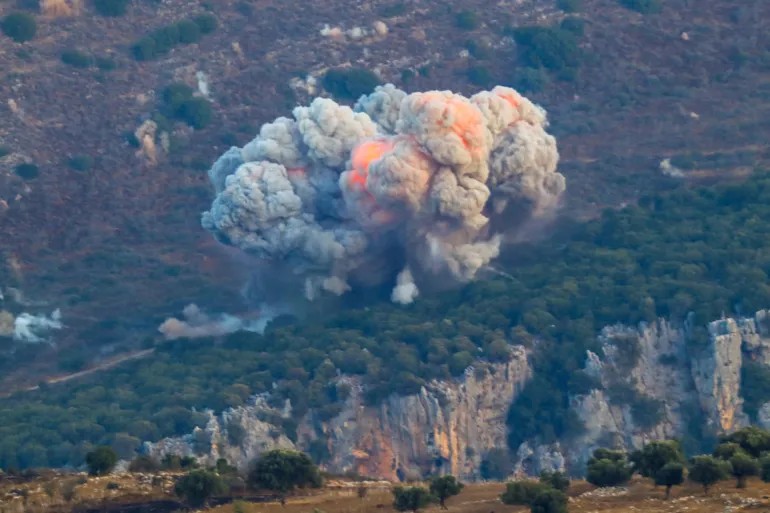
Five people were killed and 24 others wounded, Saturday, in a series of Israeli airstrikes targeting various areas in southern and eastern Lebanon. This marks the latest escalation in military operations.
The Lebanese Ministry of Health reported that one person was killed and 15 others were wounded, including six paramedics, three women, and two children, in an airstrike that targeted the town of Al-Ramadiyah in the Tyre district of southern Lebanon.
Other airstrikes resulted in the deaths of two people in the town of Kfar Rumman in the Nabatieh district, and injuries to three in Nabatieh al-Fawqa and four in Mayfadoun. Airstrikes on Friday also targeted areas in Nabatieh al-Fawqa.
The Israeli military has continued its military escalation in Lebanon since 2 March, including airstrikes, artillery shelling, and ground operations, targeting residential areas, infrastructure, and facilities in the south and east.
The escalation comes despite the framework agreement signed by Lebanon and Israel on 26 June, under US auspices, which stipulated a gradual withdrawal of Israeli forces from southern Lebanon, coinciding with the deployment of the Lebanese army. Subsequent negotiations focused on the mechanisms for implementing the agreement and completing the withdrawal.
The ongoing Israeli aggression against Lebanon since March has so far resulted in the deaths of 4,350 people and injuries to 12,307 others, in addition to the displacement of more than one million people according to Quds Press.

 CrossFireArabia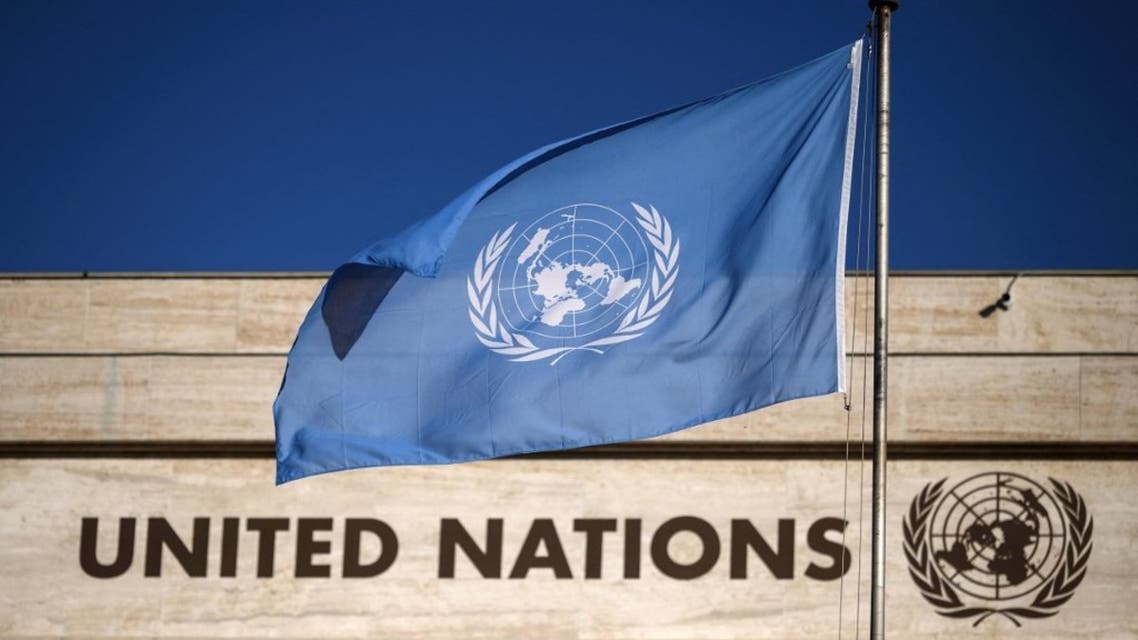

 Heba
Heba