Stories From Hell: Food at Gun-point

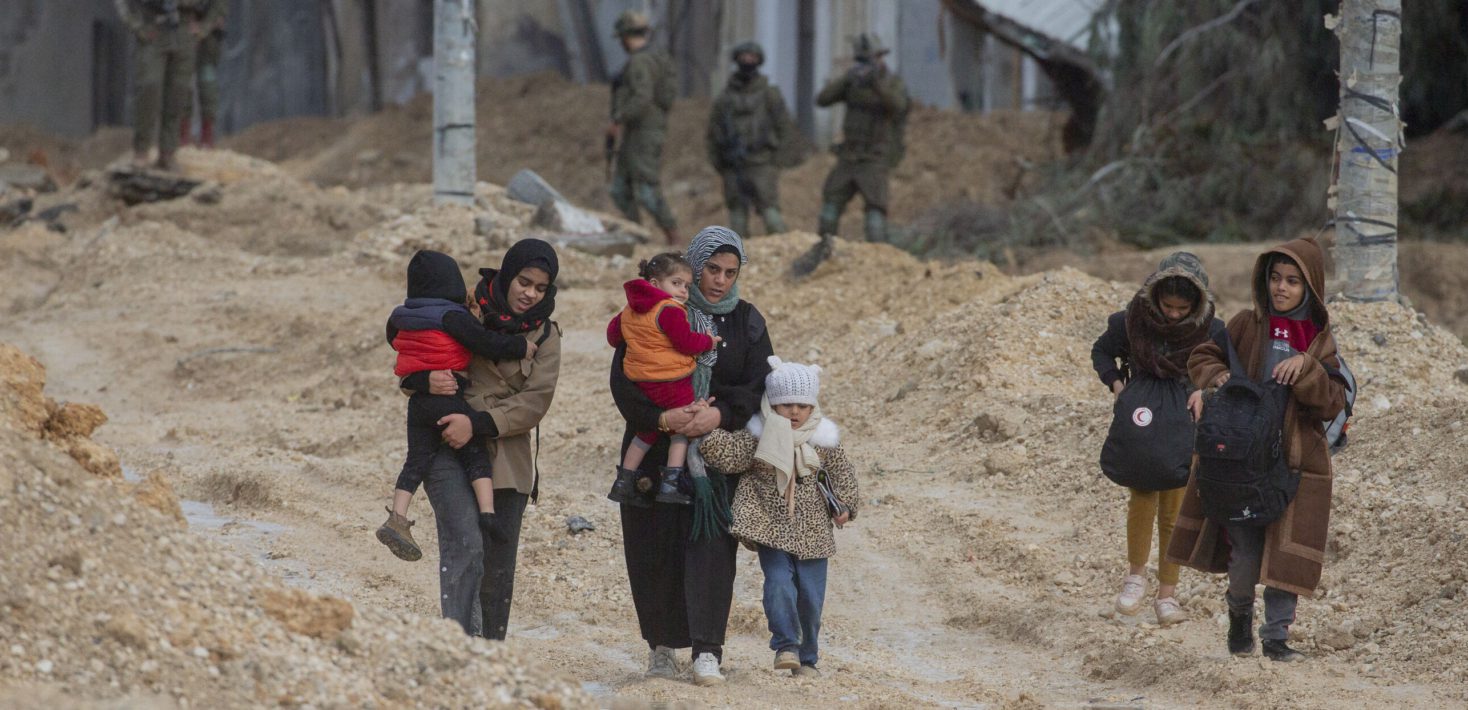
Doctors Without Borders/Médecins Sans Frontières (MSF) continues to treat scores of patients suffering from life-changing injuries, chronic pain, and psychological trauma sustained while attempting to access food assistance from US-backed, so-called Gaza Humanitarian Foundation (GHF) sites. This militarized food distribution scheme launched one year ago but only ran for six months before being forced to stop after significant controversy and criticism.

The GHF, which replaced a 400-site UN-coordinated aid distribution system, was run by Israel with financial support from the United States and other allies. GHF sites became operational on May 26, 2025, and were “secured” by private American armed contractors, with Israeli forces maintaining control over the wider perimeter.

US-backed aid distribution points are sites of orchestrated killing

Read more

Violence occurring at and related to GHF’s four distribution points led to deaths and injuries for thousands of people who were desperately seeking food during Israel’s months-long total blockade.

An MSF staff member checks Saad's patient file at Al-Mawasi primary health care center. Saad has to wear an external fixator after he was injured during a GHF food distribution in 2025.
At Al-Mawasi primary health care center, an MSF staff member greets Saad, who has to wear an external fixator after he was injured during a GHF food distribution in 2025. Palestine 2026 © Nour Alsaqqa/MSF

The legacy of the GHF is widespread violence against hungry people

“As MSF has documented with medical evidence, people who were seeking food in desperate and siege-like conditions suffered horrendous levels of targeted and indiscriminate violence,” said Joan Tubau, MSF head of mission for the Occupied Palestinian Territory.

“Children were shot in the chest while reaching for food, people were crushed or suffocated in stampedes, and entire crowds were gunned down at distribution points. Today, many GHF-related patients are entirely dependent on charity and community kitchens due to their mobility issues and lack of ability to work and provide for their families.”

People who were seeking food in desperate and siege-like conditions suffered horrendous levels of targeted and indiscriminate violence.Joan Tubau, MSF head of mission for the Occupied Palestinian Territory

Between June and October 2025, MSF teams recorded at least 32 deaths and treated 1,885 patients for injuries linked to the GHF sites at MSF’s Al-Attar and Al-Mawasi primary health care centers in Khan Younis.

Neama Awad

“Even if it meant death, I had to go bring food”

I am from Miraj, originally from Rafah. Everything was destroyed. The occupation came near us. They were shooting at our children and here too we are displaced. I only wish to return home. Honestly, my situation is very bad. I am sick, and my husband is sick.

I went looking for a loaf of bread. I went walking as I don’t even have one shekel for transportation. One day people came and said, ‘Go to the aid point in Al-Tina to get food.’ I said I would go. I wanted to bring food for my children. There was no food, nothing. We became skin and bones. I went to the aid distribution because we had no support at home — no flour, no food, no aid reaching us, not even a loaf of bread.

View moreA Palestinian woman injured at a GHF site in Gaza.

Palestine 2026 © Nour Alsaqqa/MSF

Patients recount horrific scenes

“My friend was executed in front of my eyes,” said Karim, a former barber who suffered life-changing injuries permanently damaging a nerve in his leg. “It still haunts me. Both of us were caught and handcuffed [by Israeli soldiers] behind our backs. A drone hovered above me, and four men were asked to take me away.”

Mustafa, a taxi driver from Rafah, developed a heel infection that caused rotting after a gunshot wound broke two of his bones as he was trying to access food. His 17-year-old nephew was shot in the head and killed by a sniper.

“[It] was so humiliating,” Mustapha said. “Thousands of people would run towards [the food], then the IDF would shoot on us from fixed points. Two thirds of the injured people in Gaza I know were cases from GHF.”

Saad Hussein, MSF patient

“Hunger: That is what made us go”

I am from southern Rafah. Neither our grandfather nor the many displaced people before us lived through this. So many homes were destroyed. Everyone was displaced. We were living in the Iqlimi area, but with the famine and everything that was happening, we were forced to leave. We have children, pregnant women, and breastfeeding mothers. We had to take whatever we could because nothing was available. We were forced to go to the American aid distribution points.

We had no clean food, no clean clothes, no clean bathrooms. Nothing was clean. We did not eat breakfast, lunch, or dinner. We would bring lentils from the community kitchen and survive on them until the next day. My mother, my brothers, my brother’s six orphaned children, my brother’s wife, me, my mother, and my father. God is with us and with them.

View morePortrait of Saad Hussein. Saad was injured in 2025 during a food distribution by the Gaza Humanitarian Foundation.

Palestine 2026 © Nour Alsaqqa/MSF

The opposite of humanitarian work

The GHF also played a key role in the malnutrition crisis manufactured by Israel. The drastic reduction of food and aid distribution points compounded by the total siege, intensified violence, mass displacement, and destruction of health facilities had a direct role in the famine declared in mid-2025, with devastating consequences on vulnerable groups such as pregnant women, newborns, and children.

“Nothing about GHF was a humanitarian solution,” Tubau said. “One year on, the magnitude of the harm inflicted on people at GHF distribution points without any accountability requires an independent investigation. Israel has an obligation to ensure unhindered humanitarian access and condemns aid models, including the GHF, that fail to alleviate suffering.”

My friend was executed in front of my eyes. It still haunts me. Both of us were caught and handcuffed [by Israeli soldiers] behind our backs.Karim, MSF patient

This militarized system of aid delivery resulted in significant harm and suffering and should never be replicated. Israel, the US, and all actors of influence to ensure that aid is non-militarized, accessible, and built on independence, impartiality, neutrality, and humanity. Civilians must be able to safely reach humanitarian assistance — based on vulnerability and need — wherever they choose to reside, and at scale.

*Names of patients have been changed for their safety.

MSF

CrossFireArabia

CrossFireArabia
Dr. Marwan Asmar holds a PhD from Leeds University and is a freelance writer specializing on the Middle East. He has worked as a journalist since the early 1990s in Jordan and the Gulf countries, and been widely published, including at Albawaba, Gulf News, Al Ghad, World Press Review and others.

Related Posts

Abdul Salam Haniyeh: ‘My Father Was an Educator, Leader, a Friend’

Abdul Salam Haniyeh, the son of slain Hamas Political Bureau chief Ismail Haniyeh, said more than 75 members of his immediate family and 250 members of the wider Al-Hajj clan have been killed during Israel’s war on the Gaza Strip.

In an interview with Anadolu marking the second year of his father’s assassination, Abdul Salam described Türkiye as “a political supporter of the Palestinian people,” praised President Recep Tayyip Erdogan’s backing of the Palestinian cause and expressed hope that mediation efforts by Egypt, Qatar and Türkiye would succeed in securing implementation of the Gaza ceasefire agreement.

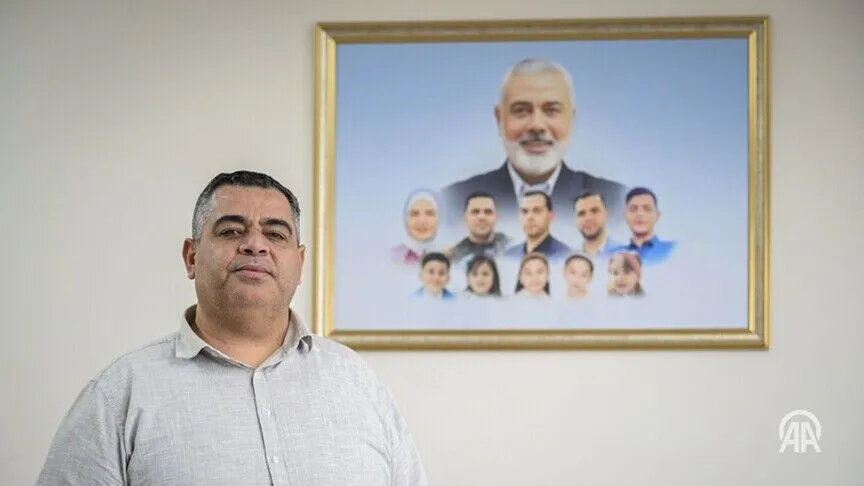
Family portrait bears scars of war

Standing before a large family portrait hanging on the wall, Abdul Salam pointed to the faces of relatives killed during the war.

He identified Ismail Haniyeh’s three sons — Mohammed, Hazem and Amir — along with several grandchildren who were killed in an Israeli strike April 10, 2024, the first day of Eid al-Fitr, the Muslim holiday at the end of the holy month of Ramadan.

“More than 75 members of the Haniyeh family have been martyred during the war,” he said, adding that 250 members of the broader Al-Hajj clan had also been killed.

‘Teacher, mentor and caring father’

Abdul Salam described his father as a man who combined the roles of father, educator, leader and friend.

“At home, my father was a teacher, mentor, leader, caring father and friend,” he said.

He said Ismail Haniyeh treated his children as friends, regularly sought their opinions and remained closely connected to his extended family.

“We miss his beautiful voice, his warm presence, our meetings with him and our Quran recitation sessions at home,” he said.

Quoting Arabic poetry, he added, “In the darkest night, the full moon is most missed.”

‘Remain among the people’

One of his father’s most important pieces of advice was never to become detached from ordinary people or from Gaza City’s Beach refugee camp, where the family was raised, according to Abdul Salam.

“He always advised us to remain among the people, for the people, and close to our family, neighbors and mosque, because the people are one’s greatest asset in this life,” he said.

He said his father urged his children to stay humble, preserve family ties, serve their community, maintain their prayers and Quran recitation, and support people in times of grief and joy.

“He always reminded us that he could leave this world at any moment and that we should uphold these values after his death,” he added.

‘Still present in our people’s lives’

Abdul Salam said his father continues to occupy a prominent place in Palestinian public life two years after his assassination.

“He remains present in every aspect of our people’s lives,” he said, citing continued public, political and media commemoration of his legacy.

He argued that remembering Palestinian leaders who were killed reinforces the message that the Palestinian struggle will continue.

Ismail Haniyeh was assassinated July 31, 2024, at his residence in Tehran after attending the inauguration ceremony of Iranian President Masoud Pezeshkian. Israeli Defense Minister Israel Katz acknowledged Israel’s responsibility for the assassination in December 2024.

‘Türkiye is a political supporter’

Abdul Salam said Türkiye hosts thousands of Palestinians and has consistently provided political and humanitarian support.

He praised Erdogan’s stance on Gaza and his support for the Palestinian cause.

“Türkiye stands with the Palestinian people under President Erdogan and is making every effort to end the occupation of Palestinian land, in accordance with international law and UN resolutions, and to establish a Palestinian state,” he said. “There is a feeling that we have political support from Türkiye under President Erdogan.”

He highlighted Türkiye’s diplomatic efforts at the UN Security Council, the UN General Assembly and in contacts with the US administration.

Public solidarity should influence leaders

Abdul Salam welcomed growing international public support for the Palestinian cause, including recognition of the State of Palestine by several European countries.

But he argued that popular solidarity must translate into political action.

“The message of the people must reach the tables of international political leaders so that the conflict ends, the occupation ends and the Palestinian state is established,” he said.

He urged European countries and the broader international community to work toward ending the war, ending the Israeli occupation of Gaza and the occupied West Bank, and stopping settler attacks.

He said more than 1.8 million Palestinians are living in tents while Israel controls more than 70% of the Gaza Strip and much of the enclave’s infrastructure has been destroyed.

Hope for Egypt-Qatar-Türkiye mediation

Abdul Salam expressed hope that mediation efforts by Egypt, Qatar and Türkiye would lead to implementation of the ceasefire agreement.

“We are in the midst of mediation by Egypt, Qatar and Türkiye, and we hope there will soon be implementation of the agreement and that Israel will abide by it,” he said.

He praised the role played by the three countries and said he hoped the agreement would restore hope, reconstruction and normal life to Gaza and lead to a full Israeli withdrawal.

His remarks come as Egypt, Qatar and Türkiye continue efforts to implement the second phase of the Gaza ceasefire roadmap after consultations with Hamas and other Palestinian factions.

The Board of Peace and US President Donald Trump announced an agreement Friday on implementing the next phase of the ceasefire, with the board saying Hamas had approved a detailed roadmap.

‘Gaza’s children deserve to live’

Abdul Salam addressed the people of Gaza. “We are from you, and you are from us,” he said.

He said Gaza’s children are appealing to the world to stop the violence after more than 30,000 children have been killed during the war.

“The children of Gaza and Palestine deserve to live like children everywhere else, to build their future, receive an education, and live with hope and stability,” he said.

Despite the ceasefire that took effect Oct. 10, 2025, Palestinian authorities said Israel has continued to violate the agreement, with Gaza’s Health Ministry reporting 1,222 people have since been killed and 4,053 injured.

The ministry said the overall death toll since October 2023 has reached 73,349, with 174,162 injured. Anadolu

Continue reading
Top Oman Everest Climber Dies in Pakistan

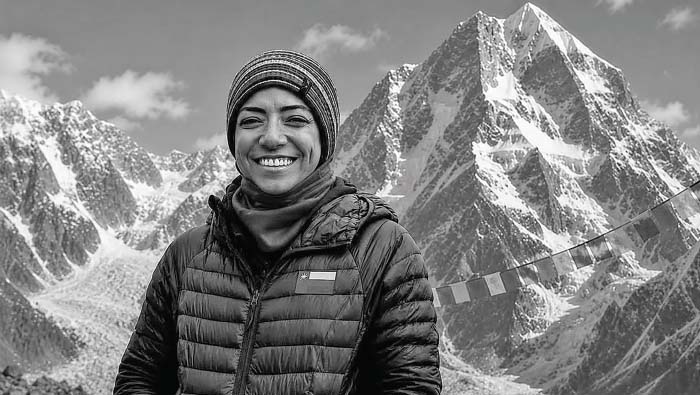
Oman has been plunged into mourning following the tragic death of pioneering mountaineer Nadhira bint Ahmed Al Harthy on Thursday, whose life was cut short in a devastating avalanche while climbing in northern Pakistan, bringing an abrupt end to the extraordinary journey of the woman who inspired a generation by carrying the Omani flag to some of the world’s highest and most dangerous peaks.

Nadhira was among a 10-strong team of climbers reported missing following the avalanche in Pakistan-administered Gilgit-Baltistan while attempting to climb Broad Peak, the world’s 12th-highest mountain at 8,047 metres. Her death – alongside that of the Nepalese climber Pur Bahadur Gurung – was announced by the Alpine Club of Pakistan on social media on Friday.


Nadhira etched her name into Oman’s history books in 2019 when she became the first Omani woman to conquer Mount Everest, planting the national flag atop the world’s highest mountain and inspiring countless young Omanis to dream beyond perceived limits.


Nadhira, who was the second Omani national to summit Mount Everest after late Khalid Al Siyabi, became a landmark figure for adventurers across the Sultanate of Oman. 

Among the seven still missing from the 10-person expedition on Broad Peak, is renowned Nepal-born climber Nirmal Purja. The multinational climbing group was being led by Purja. He is known for climbing all 14 of the world’s 8,000m-plus mountains in just over six months in 2019.


Three of four climbers’ bodies have been located by Pakistani search crews.

Nadhira’s death triggered an unprecedented wave of grief across the Sultanate, with ministries, senior officials, diplomats, sports personalities and ordinary citizens paying tribute to a woman widely regarded as a symbol of courage, resilience and national pride.

Tributes also spread widely across social media, where thousands of Omanis shared messages celebrating her legacy.

The Ministry of Foreign Affairs confirmed that it is working closely with the relevant Pakistani authorities to complete the formalities required to repatriate Al Harthy’s body to Oman after it was recovered during a difficult search and recovery mission on Broad Peak. Times of Oman

In a statement, a spokesperson for the ministry’s Consular Department expressed profound sorrow over the loss, while extending heartfelt condolences to her family and loved ones.

The ministry also highlighted that Nadhira’s impact reached far beyond mountaineering.

As Chairperson of the Oman-Nepal Friendship Association, she played a significant role in strengthening humanitarian and cultural relations between Oman and Nepal, promoting friendship, cooperation and community engagement.

The Ministry of Culture, Sports and Youth described her as one of Oman’s most inspiring personalities, saying her life represented ambition, perseverance and determination. The ministry said the nation had lost an exceptional figure whose achievements would continue to inspire future generations long after her passing.

The Civil Defence and Ambulance Authority also mourned her death, remembering her as a passionate advocate of safety awareness. The authority said she consistently demonstrated exemplary commitment to safety procedures during her expeditions and actively supported initiatives aimed at promoting a culture of safety throughout society.

Condolences poured in from prominent Omani figures who remembered not only her remarkable achievements but also her character and determination.

Saud Al Harthy described his cousin as a young woman defined by resilience, strength and an unwavering determination to succeed. He said she had left behind a legacy of extraordinary accomplishments that would continue to elevate Oman’s name on the international stage.

Former leading women’s sports administrator Saada Al Ismaili paid tribute to what she described as her inspiring national, educational, sporting and historical legacy. She praised her ability to pursue the demanding mountaineering pursuits, while proudly raising Oman’s flag atop some of the world’s most challenging mountains.

Khalid Al Muslahi, Undersecretary of the Ministry of Foreign Affairs for Administrative and Financial Affairs, described Nadhira as the embodiment of perseverance and determination. He said she would forever be remembered as the first Omani woman to stand on the summit of Mount Everest and as a lasting symbol of courage whose legacy would remain deeply rooted in the hearts of Omanis.

Pakistan’s Ambassador to Oman, Naveed Safdar Bokhari, also expressed his condolences.

“Deeply saddened by the tragic news of demise of Nadhira Al Harthy in an avalanche accident. She was a legend in the field of mountaineering and a great source of inspiration for millions. I wish to convey our heartfelt condolences to her family and the entire Omani nation.”

Nadhira etched her name into Oman’s history books in 2019 when she became the first Omani woman to conquer Mount Everest, planting the national flag atop the world’s highest mountain and inspiring countless young Omanis to dream beyond perceived limits.

Nadhira’s high-altitude accomplishments also included successful summits of several of the world’s most formidable 8,000m peaks, including Manaslu, K2, and Nanga Parbat.

She became the first Arab woman to reach the summit of Nepal’s challenging Ama Dablam. Earlier in her mountaineering career, she had also climbed Mount Kilimanjaro, Africa’s highest mountain.

To many Omanis, however, her greatest achievement extended beyond records and summits. She became a role model who inspired women, young people and aspiring adventurers to pursue ambitious dreams while proudly representing their country on the world stage.

Following a challenging search and recovery operation, Nadhira’s body was recovered from Broad Peak and was transported by helicopter to Skardu. From there, arrangements are being made to repatriate her remains to Oman, where family, friends and the nation will bid a final farewell to a woman whose courage took the Omani flag to the roof of the world—and whose legacy will continue to inspire generations to come. Times of Oman

Continue reading

You Missed

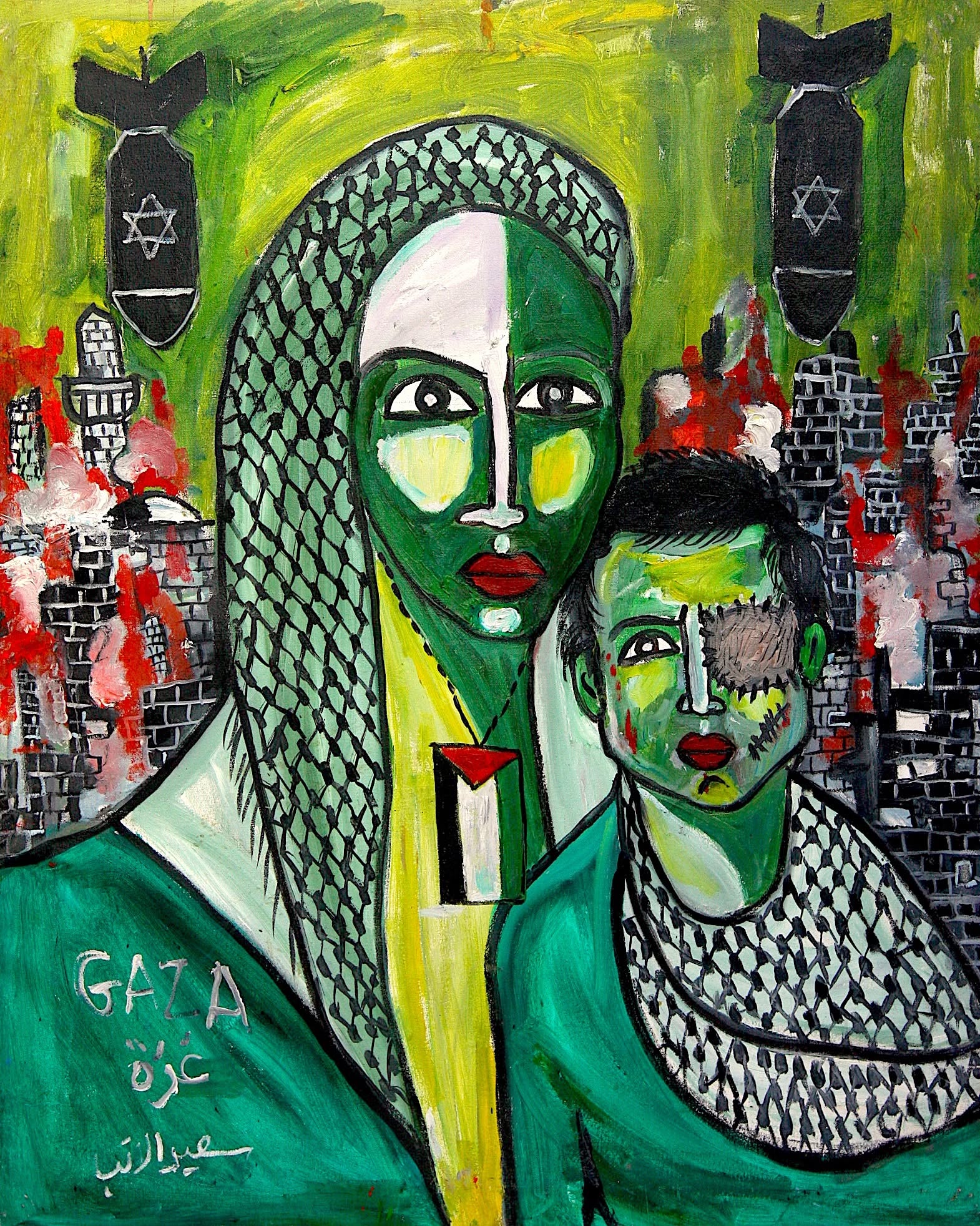
‘Mutilated Art’

  • By marwan
  • August 4, 2026
  • 7 views
‘Mutilated Art’

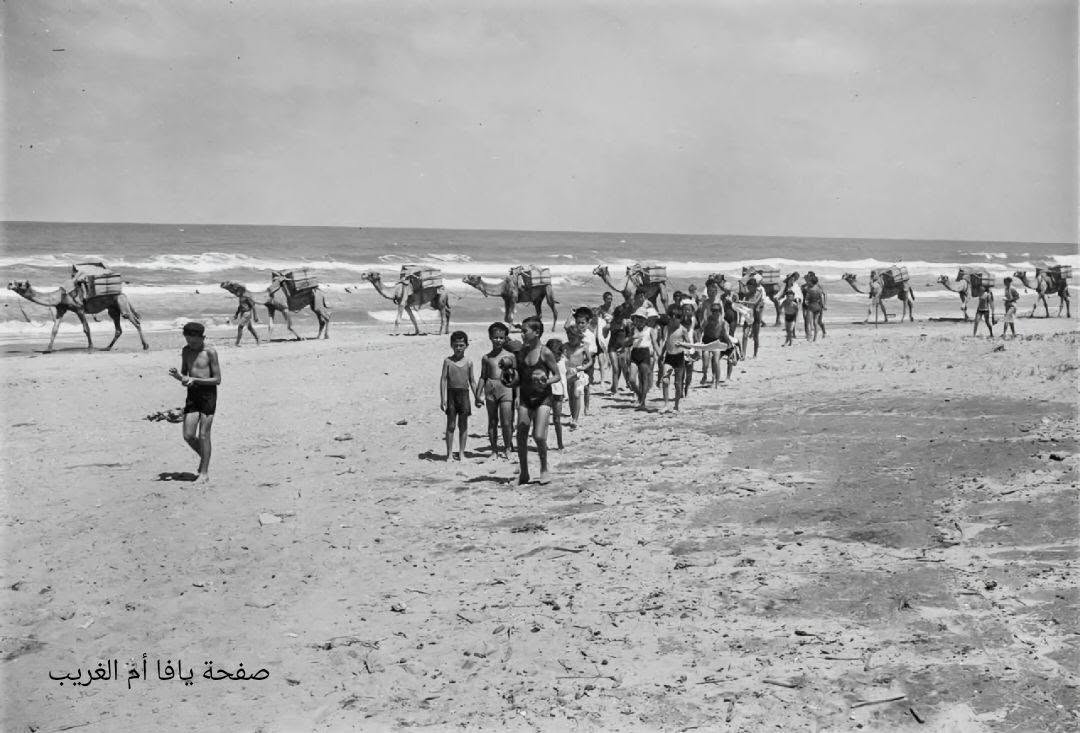
Jaffa: Our Grandparents in 1945

  • By marwan
  • August 4, 2026
  • 9 views
Jaffa: Our Grandparents in 1945

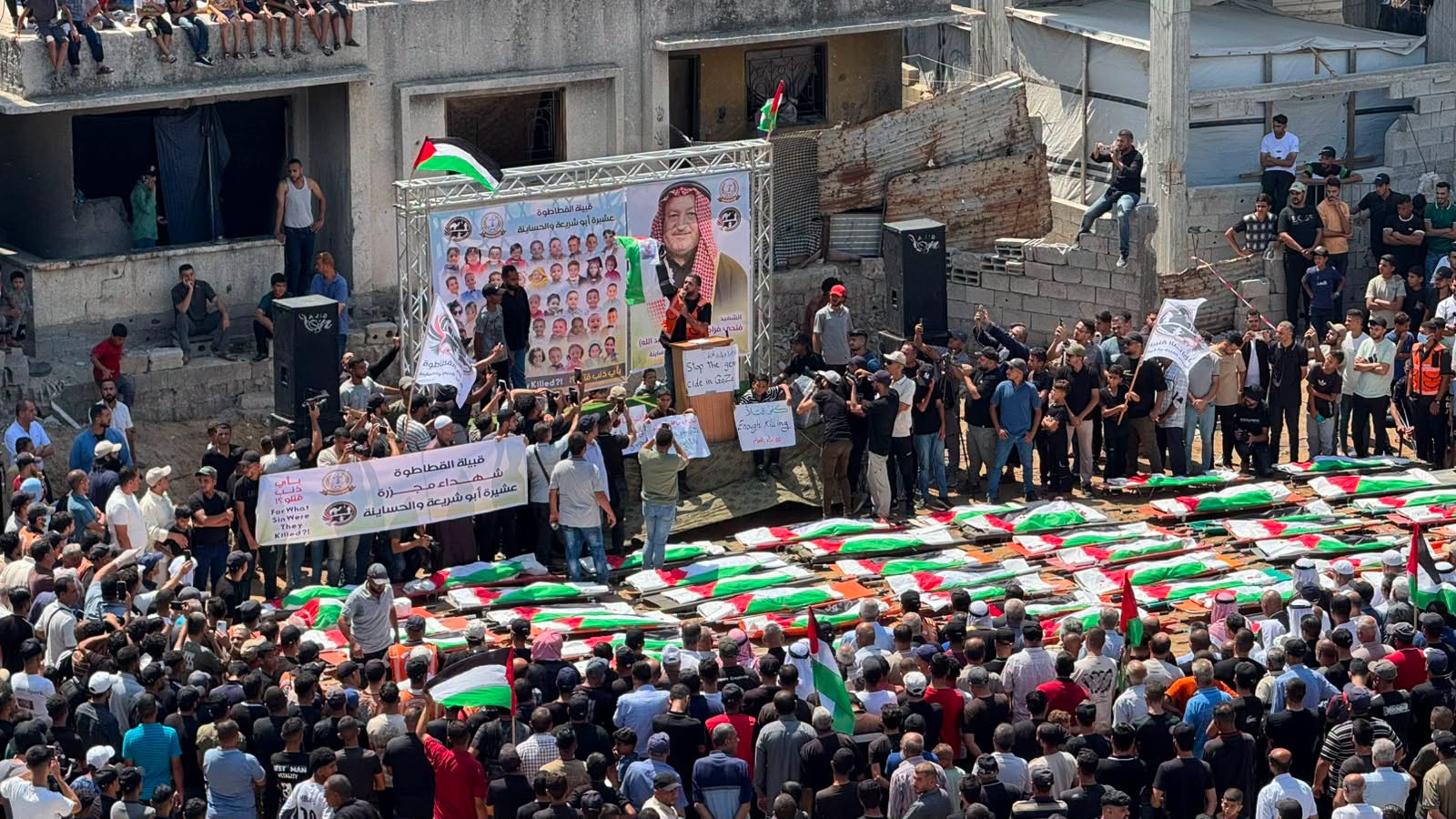
Gaza Turns Out to Bury 112 Martyrs in Worst Israeli Massacre

  • By marwan
  • August 4, 2026
  • 10 views
Gaza Turns Out to Bury 112 Martyrs in Worst Israeli Massacre

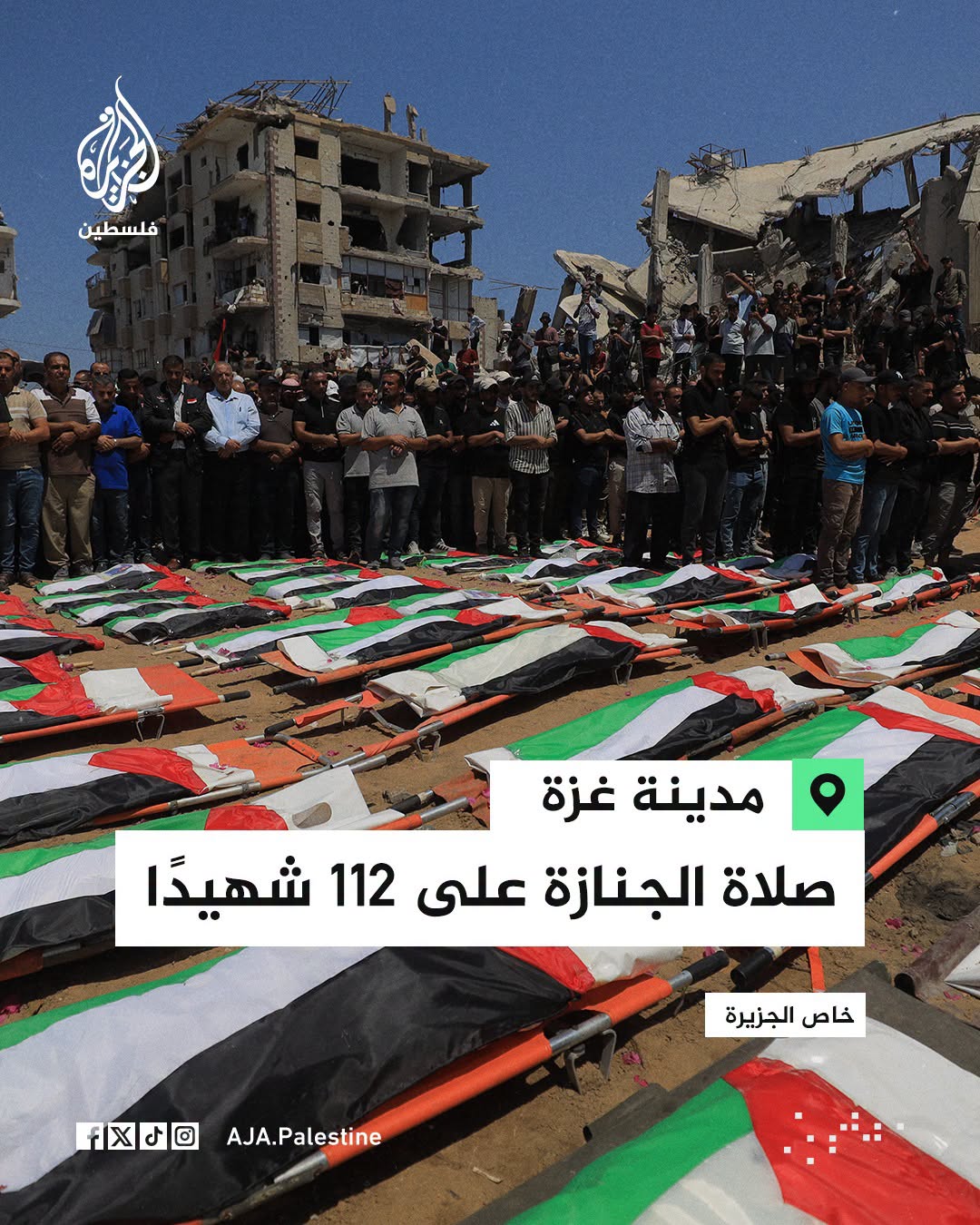
Janza Salat For 112 Martyrs

  • By marwan
  • August 4, 2026
  • 13 views
Janza Salat For 112 Martyrs

Gaza’s Biggest Funeral

Gaza’s Biggest Funeral

‘My Friend in Gaza’

‘My Friend in Gaza’