Thobe: Identity, Thread and Needle

Ellen Shomali Yatim writes:

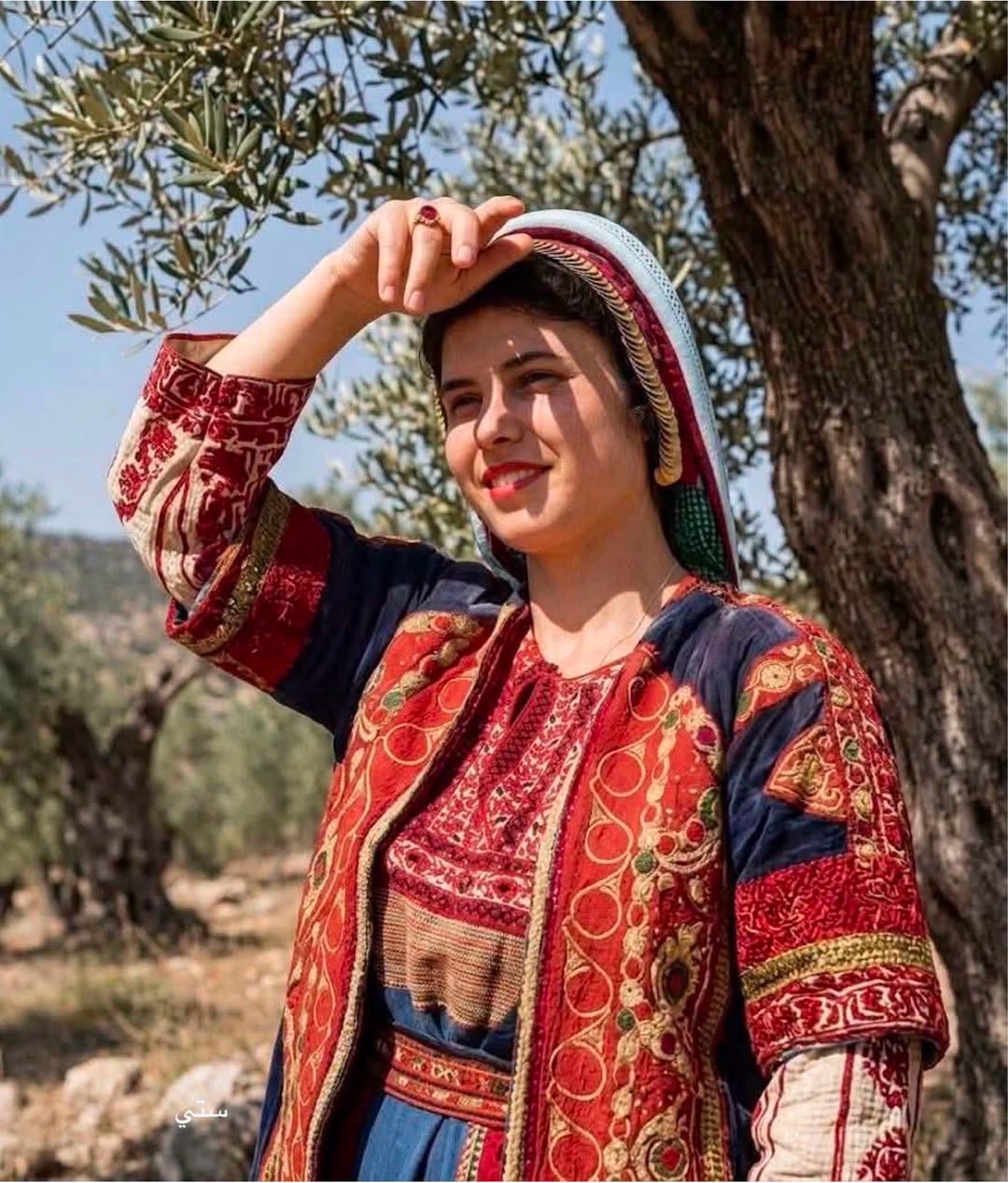
The Palestinian thobe is more than just a piece of clothing; it’s a story of homeland and identity woven with thread and needle. Its embroidery and colors vary according to the region, and each stitch carries symbols from the land’s history and the memory of ancestors. At weddings and celebrations, the thobe remains a symbol of pride and belonging, a testament to resilience and the preservation of Palestinian identity, passed down from generation to generation. This particular Palestinian thobe is made of dark velvet and adorned with rich peasant embroidery. #Al-Taqseeba features twisted gold threads. #Al-Raddah is rich embroidery on the sleeves. #Al-Shatwa, the headdress, is embroidered with metal coins, including gold liras. Not to be forgotten is the ring studded with agate. And the sleeve cuffs are decorated with an olive grove from Palestine.

  • CrossFireArabia

    CrossFireArabia
    Dr. Marwan Asmar holds a PhD from Leeds University and is a freelance writer specializing on the Middle East. He has worked as a journalist since the early 1990s in Jordan and the Gulf countries, and been widely published, including at Albawaba, Gulf News, Al Ghad, World Press Review and others.

    Related Posts

    Pupils From The Bishop’s School, Jerusalem
    • HebaHeba
    • August 30, 2026

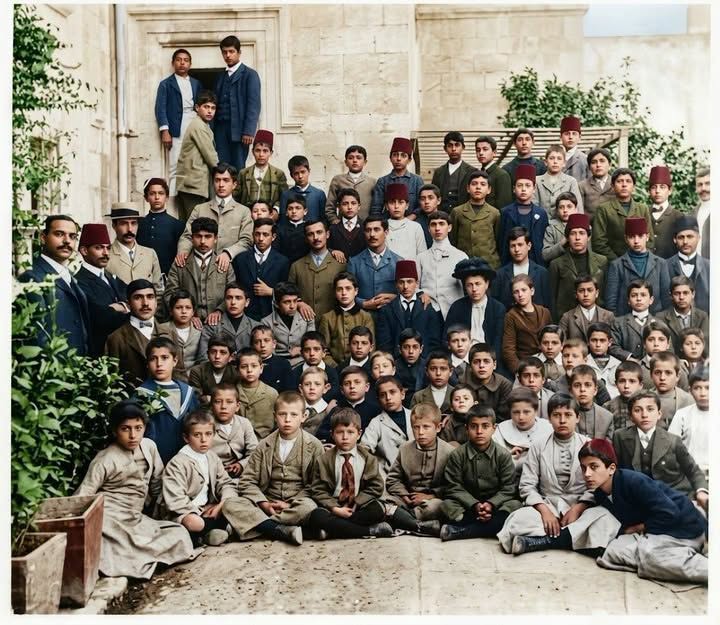
    These are the pupils from the St. George’s Evangelical School for Boys (Bishop’s School). Founded in Jerusalem in 1899 by British clergy, it was one of the most important private schools established by European and American missions in Palestine during the second half of the 19th century. Initially, it enrolled the sons of Palestinian Protestant families. Later, before World War I, increasing numbers of Muslim students enrolled in this and other mission schools. In this photograph are the school’s students and teaching staff. On the far left (standing) is Mr. Shibli al-Jamal, from a Palestinian Protestant family, who was a member of the first Palestinian delegation to London in 1921. Colorization by Hussam Abu Farha

    Continue reading
    Jerusalem’s Mamilla in The 1940s

    From Rashed Abu Aisheh:

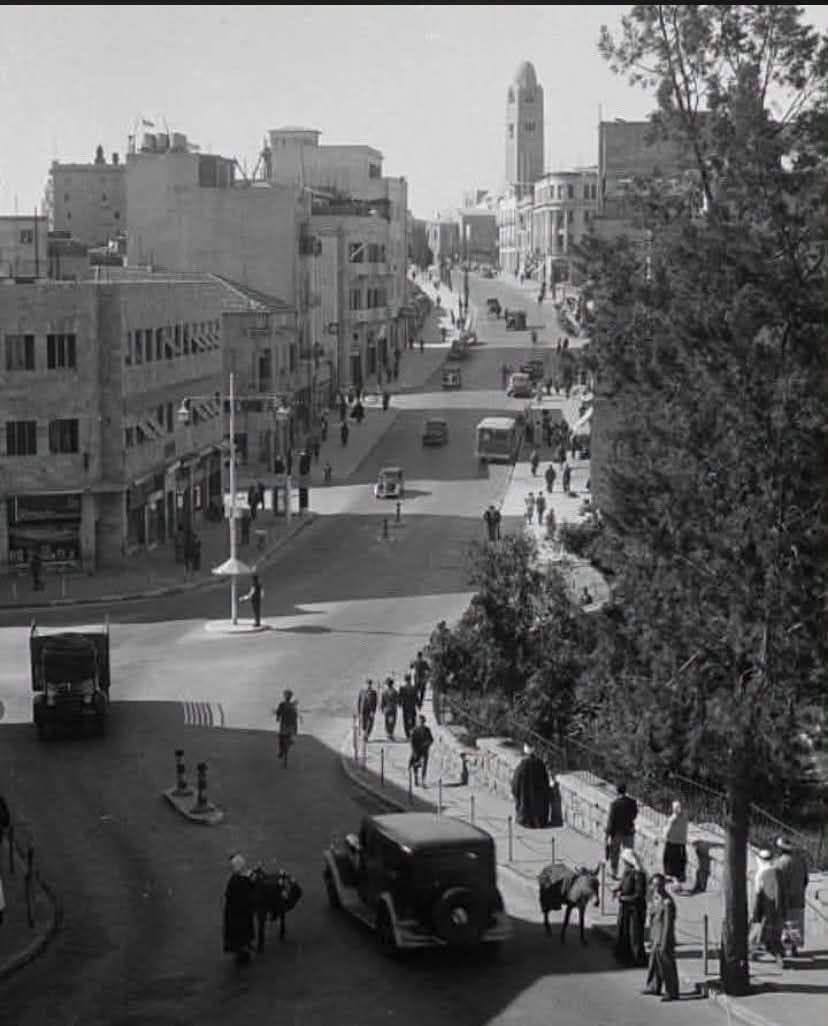
    This is Julian Street in the Mamilla neighborhood of the city of Jerusalem. The photo was taken during the 1940s. To the right is the Mamilla Cemetery. Mamilla is one of the neighborhoods of Jerusalem that expanded beyond the walls of the Old City, west of Jaffa Gate, at the end of the 19th century. Before the end of the 19th century, the area had few landmarks, including the cemetery and some monasteries. The Mamilla area witnessed rapid urban changes during the British Mandate period as part of British policies to design neighborhoods according to the European style. These changes continued after the Israeli occupation of the city, which continued to alter the character of Arab Jerusalem, a process that continues to this day. The Mamilla neighborhood, or Mamilla, was home to one of the most important modern wholesale and retail markets in the city during the Mandate period…

    Continue reading

    Leave a Reply

    Your email address will not be published. Required fields are marked *

    You Missed

    Thobe: Identity, Thread and Needle

    Thobe: Identity, Thread and Needle

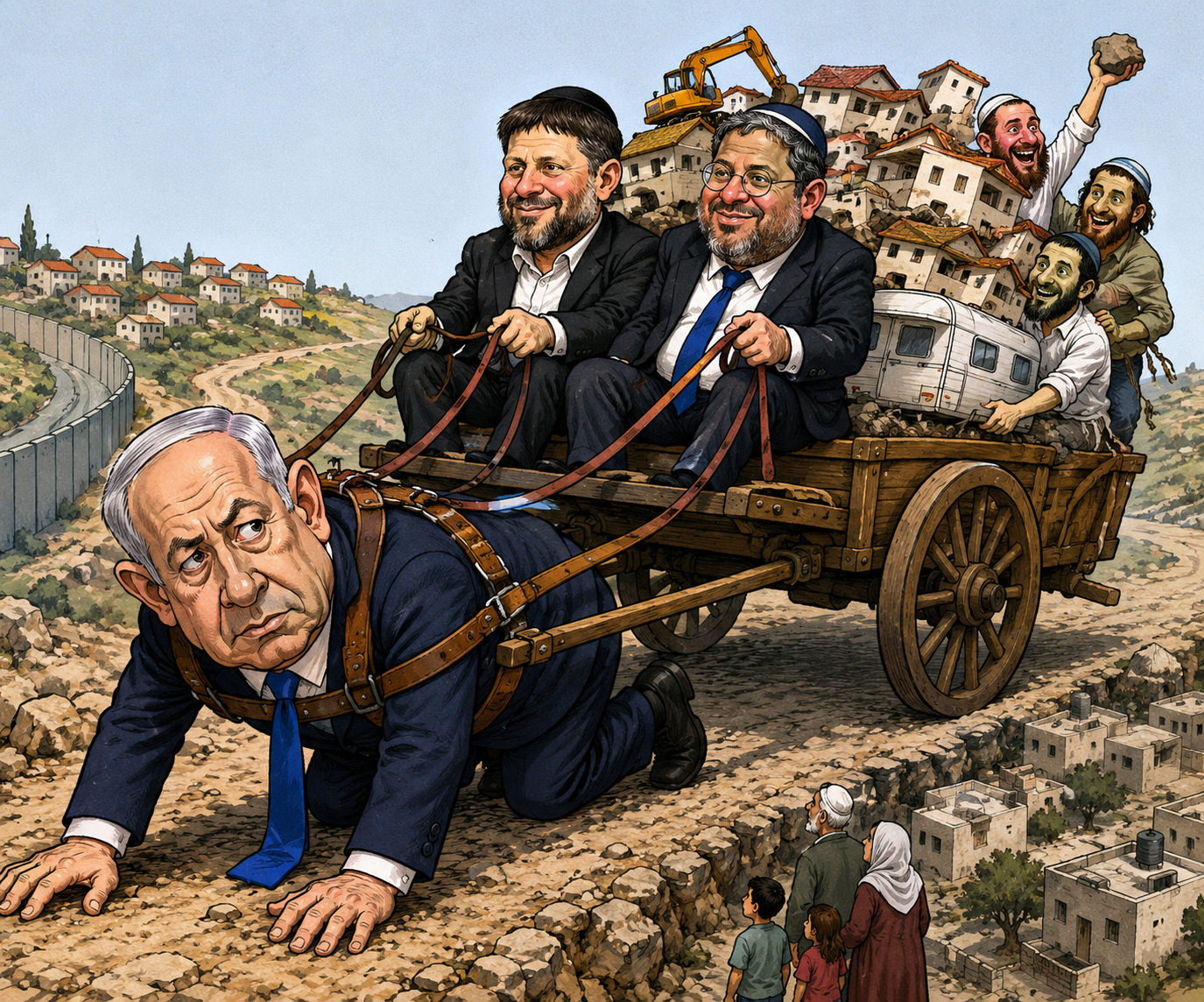
    Netanyahu and The Settlers: Cart and Horse in Action

    Netanyahu and The Settlers: Cart and Horse in Action

    Pupils From The Bishop’s School, Jerusalem

    • By Heba
    • August 30, 2026
    • 14 views
    Pupils From The Bishop’s School, Jerusalem

    Jerusalem’s Mamilla in The 1940s

    • By marwan
    • August 30, 2026
    • 14 views
    Jerusalem’s Mamilla in The 1940s

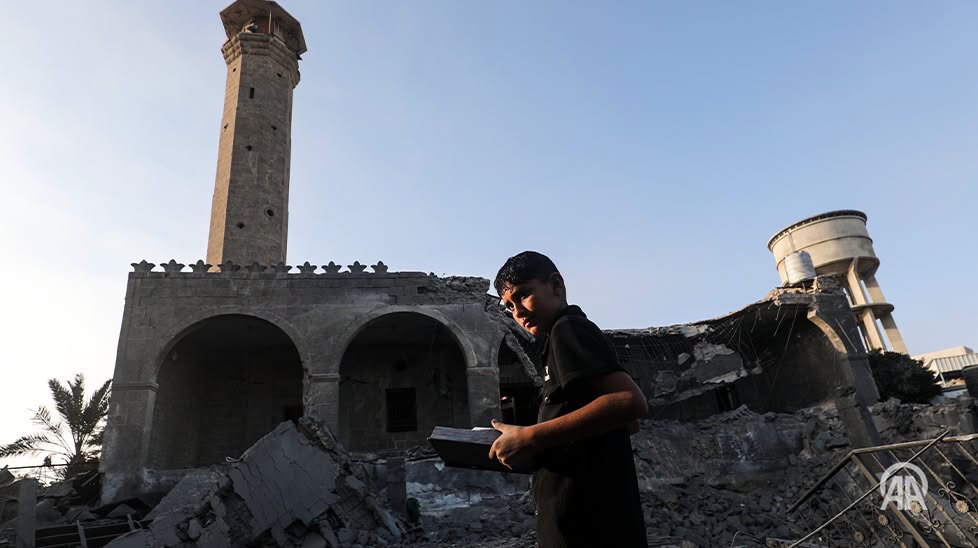
    Volunteers Collect Stones From Destroyed Mosque To Rebuild it in The Future

    • By marwan
    • August 30, 2026
    • 16 views
    Volunteers Collect Stones From Destroyed Mosque To Rebuild it in The Future

    Destitution Gaza: Girl With The Child

    • By marwan
    • August 30, 2026
    • 14 views
    Destitution Gaza: Girl With The Child