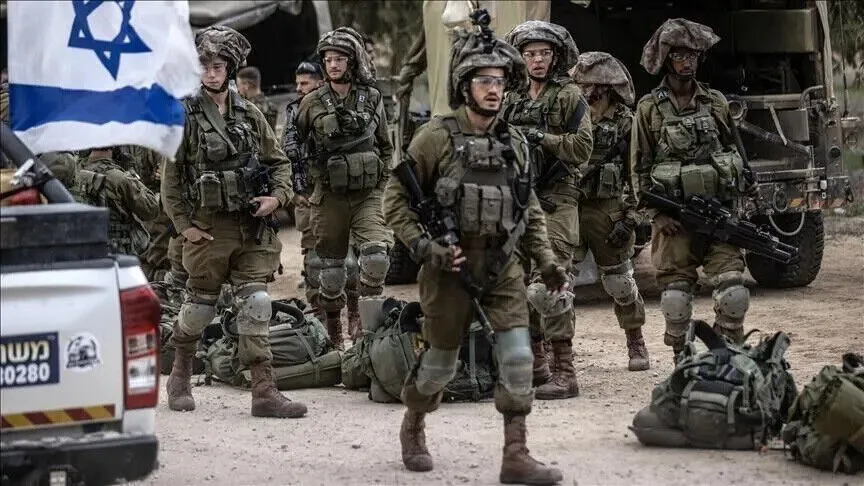
Israeli Army Probes 27 Cases of Looting by its Soldiers in Gaza, Lebanon

Israeli newspaper Yediot Aharonot revealed, Monday, the Israeli army closed 25 out of 27 investigations it opened into looting committed by its soldiers in the Gaza war and the war on Lebanon.

“At the end of April, Chief of Staff Eyal Zamir addressed the phenomenon of looting in the Israeli army,” the newspaper reported.

“If it exists, it is shameful and could tarnish the reputation of the entire Israeli army. If such incidents occur, we will investigate them,” it quoted him as saying at the time.

“He also instructed battalion commanders to submit a detailed report on the situation of their units in this regard within a week. If evidence of looting crimes is found, they will be referred to the Military Police for criminal investigation,” Yediot Aharonot stated.

“However, no data has been published about the Military Police investigations that were opened,” it noted.

The newspaper stated that, at its request, “the Movement for Freedom of Information submitted a request for data on the Military Police investigations opened regarding the looting incidents in Lebanon and Gaza, and this data is now being disclosed.”

“According to the Israeli army’s response, the Military Police opened 25 investigations in the Gaza Strip between 2023 and mid-2026, on suspicion of looting,” the newspaper noted.

“These included three investigations in 2023, 19 in 2024, two in 2025, and one by mid-2026,” it added. “Of these investigations, two indictments were filed—both in 2025—which ended in plea bargains.

“In one case, the defendant was convicted of looting, and in the other, the charge was amended, and he was convicted of theft,” the paper explained.

Regarding Lebanon, daily stated: “As for the northern front, where the IDF ground operations did not begin until the end of 2024, only two investigations were opened into suspected looting crimes in Lebanese territory—one in 2024 and another in 2025—but no indictments were filed.”

 “In fact, the data shows a significant gap between the number of investigations and actual indictments. Of the 27 investigations conducted by the Military Police into looting cases on both fronts combined, only two (approximately 7 percent) resulted in charges,” the newspaper added. Anadolu

CrossFireArabia

CrossFireArabia
Dr. Marwan Asmar holds a PhD from Leeds University and is a freelance writer specializing on the Middle East. He has worked as a journalist since the early 1990s in Jordan and the Gulf countries, and been widely published, including at Albawaba, Gulf News, Al Ghad, World Press Review and others.

Related Posts

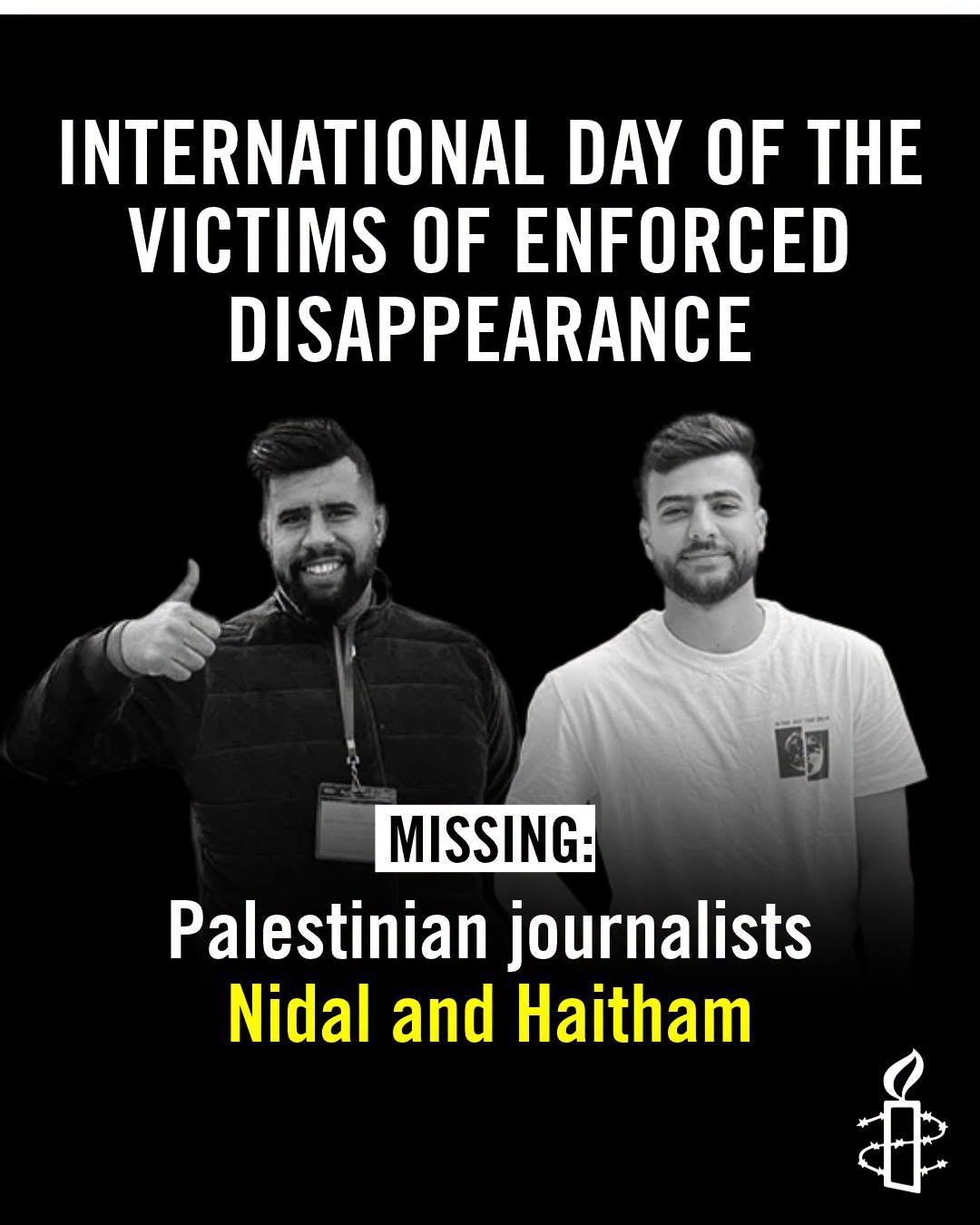
Palestinian Journalists, Nidal and Haitham, Missing

Amnesty International USA:

Israeli forces detained Nidal al-Waheidi and Haitham Abdelwahed three years ago. We don’t know why or where they are or even if they’re alive. Their families have no idea where they are or if they’ll ever see them again.

Help us mark the International Day of the Victims of Enforced Disappearances by demanding the immediate release of Nidal and Haitham.

We need answers. We need justice. Take action now: https://bit.ly/4y8qjrh

Continue reading
Israeli Gunboats Fire at, Injure 5 Gaza Fishermen

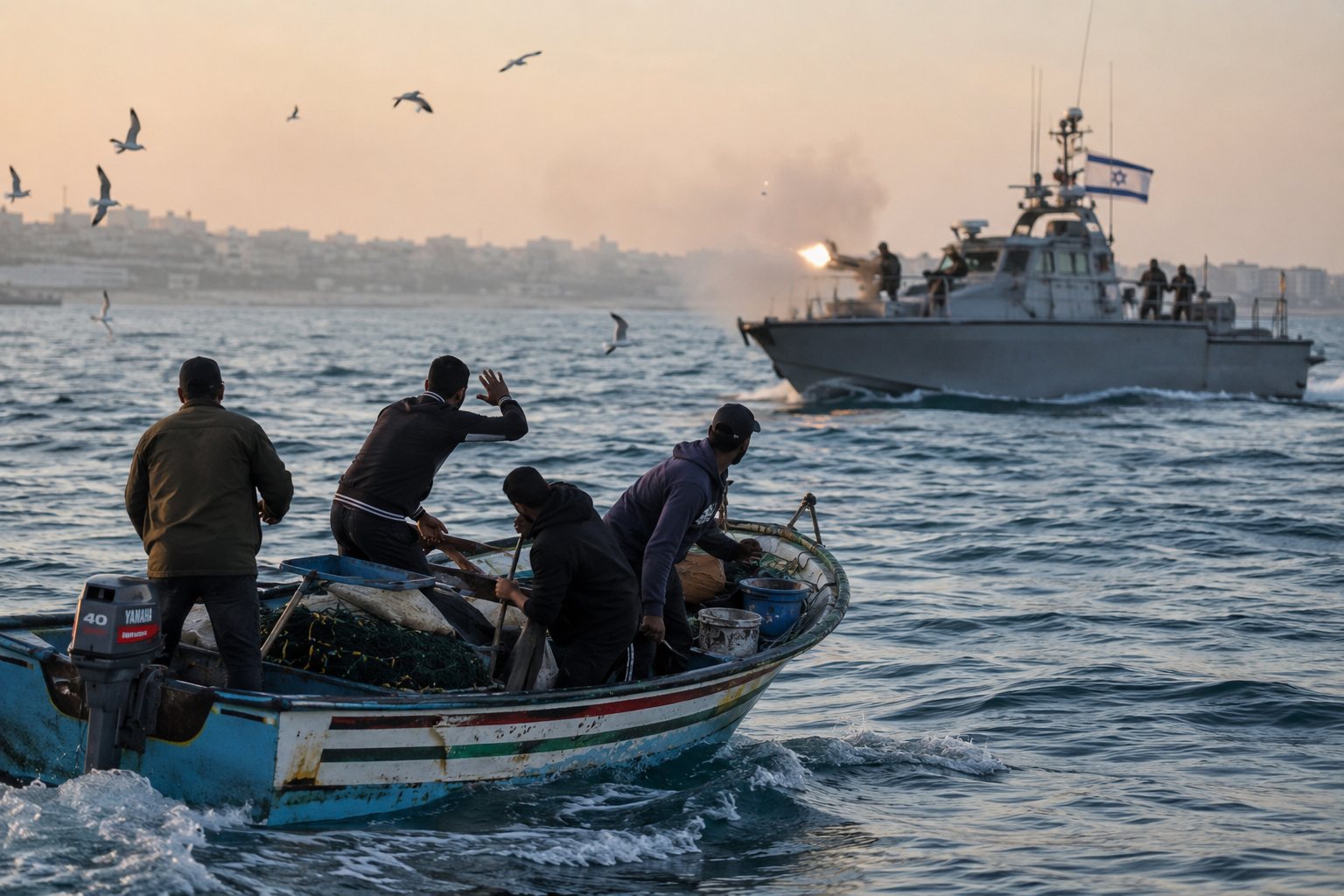
The sea, which Gaza fishermen traditionally frequent to provide for their families, has remained hazardous and not safe even after the 10 October, 2025 ceasefire was declared. Early Monday morning, five Palestinian fishermen were wounded by Israeli gunboats gunfire while working off the coast of Gaza City. This incident adds to a long list of attacks targeting fishermen.

The Palestinian Red Crescent Society reported that its crew transported five wounded fishermen from the Gaza port area. Three were taken to the Society’s field hospital, Al-Saraya, while the other two were transferred to Al-Shifa Hospital for treatment.

The fishermen were injured while working off the coast of Gaza City after Israeli gunboats opened fire on their boats.

Livelihood Under Fire

The Palestinian Ministry of Agriculture stated that the attack represents another instance of the repeated targeting of fishermen and is part of a policy aimed at cutting off the livelihoods of those working in the maritime and agricultural sectors and depriving them of their most basic rights.

The Ministry stated that the attacks have transformed fishing, a vital source of income for many Palestinian families, into a life-threatening activity for those working at sea. It called upon human rights and international organizations to intervene, halt these violations, and provide protection for fishermen and farmers.

Thus, Gazan fishermen no longer go to sea solely to face the difficulties of fishing, fuel and equipment shortages, and damaged boats, but also the risk of being shot at, at a time when job opportunities and income sources have become extremely limited in the Gaza Strip.

They are not the first victims. United Nations data reveals that today’s incident is not an isolated one but part of a continuing pattern of attacks and restrictions targeting the fishing sector in Gaza.

In a previous report, the United Nations Office for the Coordination of Humanitarian Affairs (OCHA) cited the Office of the United Nations High Commissioner for Human Rights (OHCHR) as documenting 28 attacks on fishermen and fishing sites between 7 October, 2023, and 31 December, 2024. The Palestinian Ministry of Agriculture stated that, as of 11 December, 2024, the Israeli army killed approximately 200 fishermen and workers in the fishing sector, out of nearly 6,000 who were employed in this profession before the war.

During the period from 1 January to 16 May, 2025, the OHCHR documented 28 incidents against fishermen, resulting in the deaths of 11 fishermen and injuries to 34 others, in addition to the brief detention of two fishermen before their release.

These figures indicate that targeting fishermen was not a phenomenon limited to the early days of the war, but continued afterward through gunfire, restrictions on access to the sea, and the destruction of fishing equipment.

In its June 2026 report, OCHA stated that access to the sea remained prohibited and fishing activities were effectively restricted, depriving fishermen of their livelihoods and limiting the chances of early economic recovery in the sector. The report also noted the continued occurrence of Israeli gunfire incidents near fishermen or on the shore.

OCHA emphasizes that the restrictions on access to the sea are part of broader restrictions on livelihoods in Gaza, including limitations on access to agricultural land, movement, and the entry of essential goods and supplies.

For the fishermen, the injury of five of their colleagues is not just another incident; it means that going out to sea in search of food and income can end in injury, the loss of their boat, or the loss of their livelihood.

Thus, the sea transforms from a space meant to provide food and work into one fraught with danger and restrictions. In Gaza, a fisherman needs nothing more than a boat, a net, and safe waters to support his family, but when the sea itself becomes a source of danger, the search for fish becomes a search for survival as per the Palestinian Information Center.

Continue reading

Leave a Reply

Your email address will not be published. Required fields are marked *

You Missed

Palestinian Journalists, Nidal and Haitham, Missing

Palestinian Journalists, Nidal and Haitham, Missing

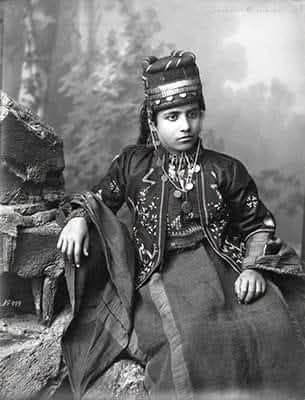
A Traditional Wear, Bethlehem 1880

A Traditional Wear, Bethlehem 1880

Israeli Gunboats Fire at, Injure 5 Gaza Fishermen

Israeli Gunboats Fire at, Injure 5 Gaza Fishermen

Christian Schools Strike in Jerusalem. Why?

Christian Schools Strike in Jerusalem. Why?

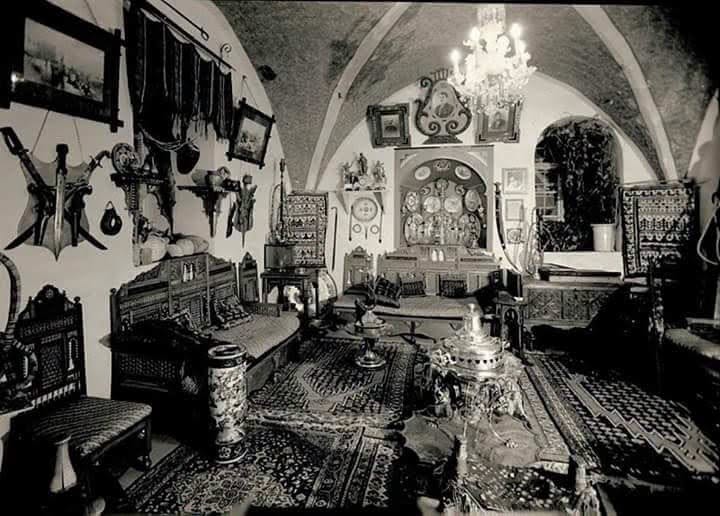
Inside The Home of A Musician, 1940

Inside The Home of A Musician, 1940

Slain Footballer Adds to The 1,014 Sportsmen Killed by Israel

Slain Footballer Adds to The 1,014 Sportsmen Killed by Israel