Israel’s official Broadcasting Corporation (Kan) claimed, Tuesday, that Israeli Chief of Staff Eyal Zamir ordered a restriction on airstrikes in the Gaza Strip. It stated he is now stipulating his prior approval for targeted assassinations of specific Palestinians.
However, it is also thought that the latest directive does not mean a halt to the military strikes, allowing the current Israeli forces in Gaza to continue them to stop any “immediate threats,” according to unnamed sources in the Israeli army’s Southern Command.
This comes as a result of pressure exerted by the “Council for Peace” for Israel to stop its attacks, with the aim of seeking ways to implement the roadmap of the next phase of the ceasefire agreement.
On Monday, the High Representative of the Council for Peace, Nikolay Mladenov, and the Council’s advisor, US official Aryeh Lightstone, asked Israeli Prime Minister Benjamin Netanyahu to halt the airstrikes on Gaza, in accordance with plan put forwards by US President Donald Trump last year.
As a result Kan reported that Zamir has “directed, in recent days, a restriction in attacks on the Strip.”
It quoted an unnamed security source as saying: “The forces operating in the Gaza Strip will be able to continue thwarting any immediate threat should danger be perceived.”
The source claimed that assassinating Palestinians whom Israel alleges were involved in the 7 October, 2023 attacks, but who do not pose an immediate threat, would require prior approval from Zamir.
The agency also quoted an unnamed military source as saying that the Israeli army “implements decisions at the political level.”
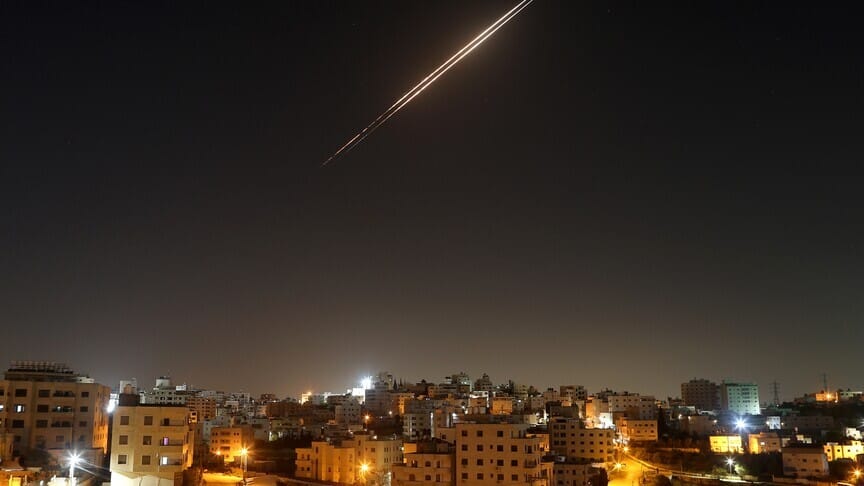
However, and contrary to talk of restricting airstrikes, the Israeli army killed two Palestinians, Monday evening, in an airstrike that targeted their vehicle in the Sheikh Ajlin area, southwest of Gaza City.
The bombing came hours after Mladenov and his team called on Netanyahu to stop the attacks, marking the first Israeli airstrike following the request.
Israel also killed 18 Palestinians in separate airstrikes on the Gaza Strip on Sunday, one of the deadliest days since the ceasefire agreement came into effect.
On Monday, Egypt, Qatar, and Turkey affirmed that the continuation of Israeli attacks constitutes a violation of the agreement and undermines efforts to implement its second phase.
Trump announced, Thursday, that an understanding had been reached regarding the implementation of the next phase of the agreement, while the “Peace Council” published the text of the roadmap on Friday.
The roadmap stipulates Israel cease its military operations, followed by the deployment of the Palestinian National Authority’s Gaza Administration and the international stabilization force, and the commencement of a phased process for dismantling and storing heavy weapons and dismantling tunnels, concurrent with a phased Israeli withdrawal.
It also stipulates that the weapons be placed under the responsibility of the Palestinian Authority and not be handed over to Israel or any non-Palestinian entity.
However, the Middle East Peace Council stated in a statement issued after the meeting between Mladenov and Netanyahu, Monday, that a complete Israeli withdrawal beyond the “yellow line” will only occur after the dismantling of light and heavy weapons and tunnels is completed.
This differs from the text of the roadmap published on Friday, which links the dismantling of weapons to a phased Israeli withdrawal and requires Israel to first fulfill its obligations under the ceasefire agreement, primarily the cessation of military operations.
In its response, Hamas stated that it adheres to what was agreed upon regarding the implementation of the second phase, including the obligations of all parties, and that it awaits a clear and official response from Mladenov and the mediators.
Two days ago, the Israeli newspaper Haaretz quoted an unnamed Israeli source as saying that Tel Aviv had informed the “Peace Council” of its rejection of three points in the Road Map.
These points relate to the non-destruction of weapons collected from Hamas, the participation of Qatar and Turkey in verifying the implementation of the Road Map, and the denial of freedom of action to the Israeli army in areas whose responsibility would be transferred to the international stabilization force.
Israel insists on not withdrawing completely before the dismantling of all weapons and tunnels, while it continues to occupy 70 percent of the Gaza Strip, amidst ongoing airstrikes and the killing of Palestinians.
Since the ceasefire agreement came into effect on 10 October, 2025, Israeli military attacks killed 1,252 Palestinians and injured 4,120 others, according to the Gaza Ministry of Health.
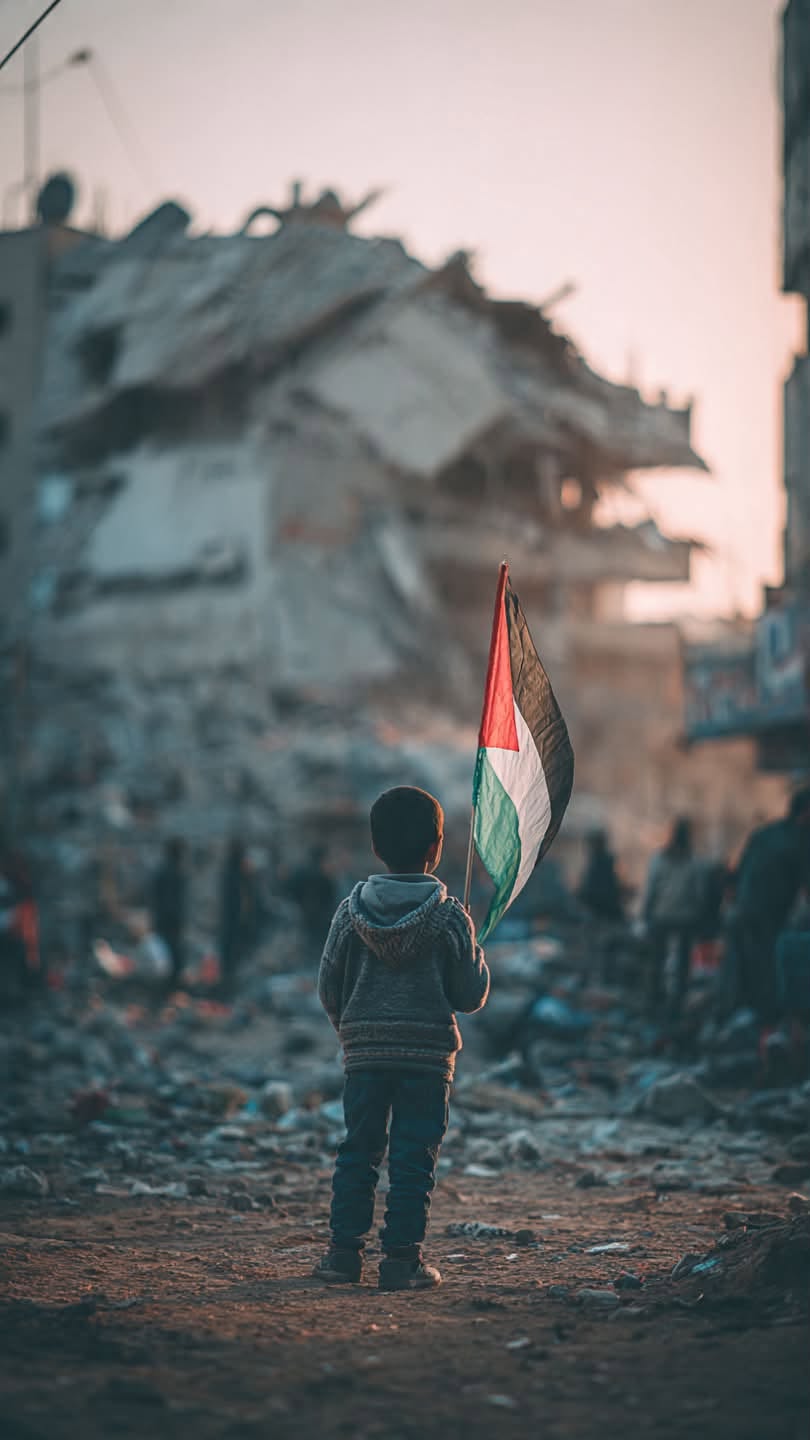
The agreement came after two years of a war of genocide launched by Israel on 8 October, 2023, which left more than 73,000 Palestinians dead and 174,000 wounded, most of them children and women, in addition to widespread destruction of civilian infrastructure according to Anadolu.


 CrossFireArabia