Israeli Ministries Cut Ties With Haaretz Over Scathing Comments

Multiple Israeli state ministries announced the suspension of ties with daily prestigious liberal daily Haaretz after the newspaper’s publisher described Palestinians as “freedom fighters.”

This decision late Thursday came after Haaretz owner Amos Schocken made the comments in London last Sunday, which sparked controversy within Israeli political circles.

Israeli news outlet Israel Hayom reported that an Interior Ministry directive includes halting cooperation with Haaretz due to Schocken’s remarks. The ministry has demanded an apology from Schocken for his description of Palestinians.

In a subsequent press conference, Schocken expressed regret for his comments, stating: “I have reconsidered my words … As for (Palestinian group) Hamas, they are not freedom fighters.”

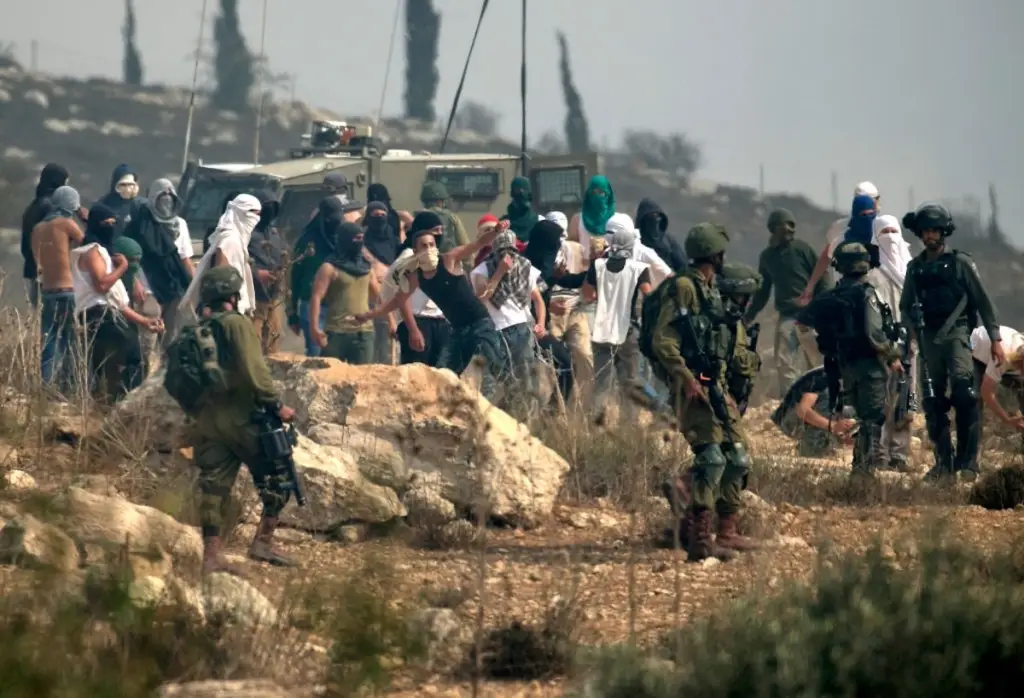
In his original remarks, Schocken criticized the government of Israeli Prime Minister Benjamin Netanyahu, saying that it “doesn’t care about imposing a cruel apartheid regime on the Palestinian population. It dismisses the costs of both sides for defending the settlements while fighting the Palestinian freedom fighters, that Israel calls terrorists.”

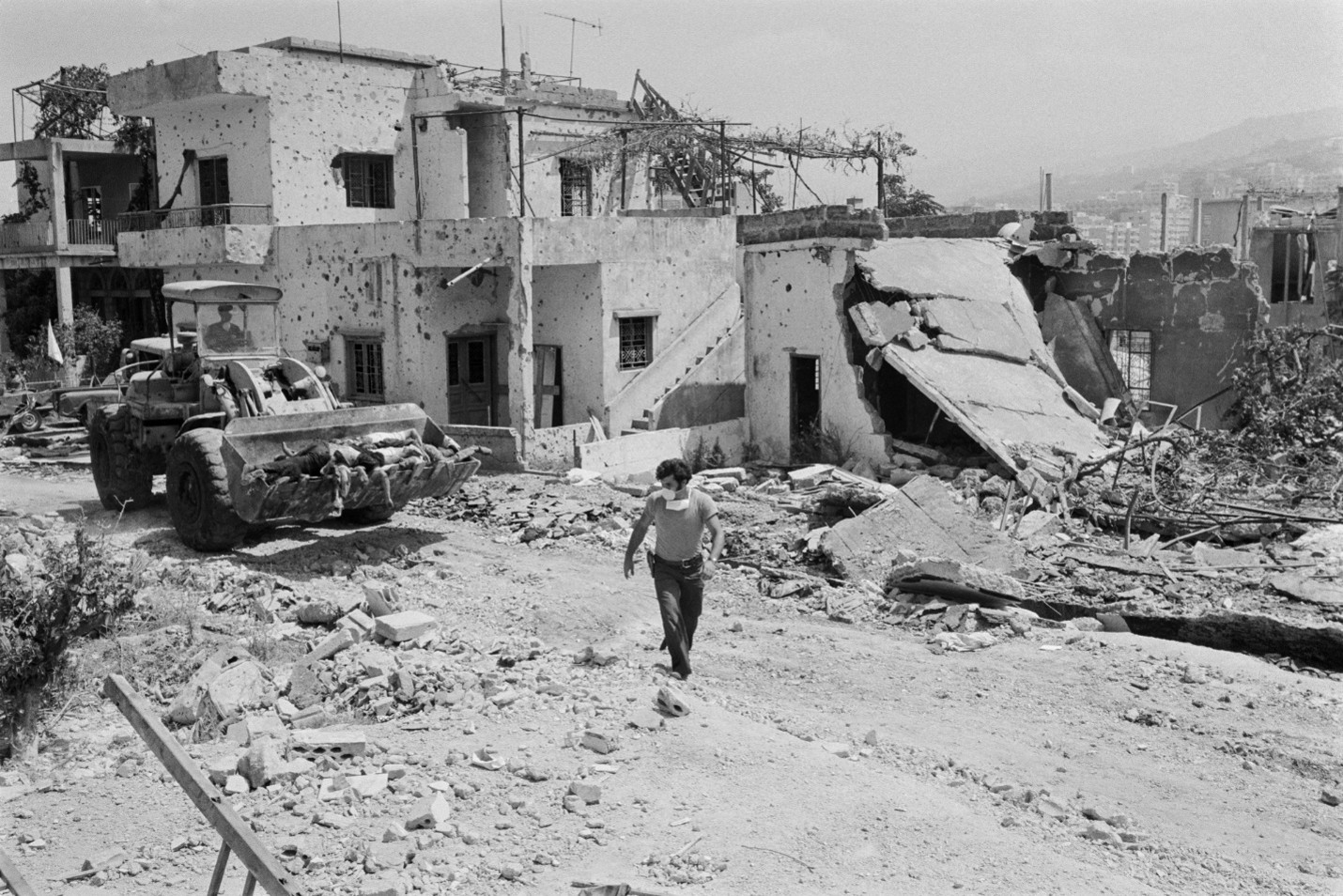
He referred to the situation in Gaza as a “second Nakba” – the “catastrophe” of the mass displacement and dispossession of Palestinians in 1948, when Israel was founded – and called for sanctions on Israel, claiming that this is the only way to achieve a Palestinian state.

Following Schocken’s remarks, the Israeli Culture Ministry announced it would immediately cease all advertising and collaborations with Haaretz.

The controversy intensified after Haaretz published an editorial on Wednesday suggesting it was not surprising that serious doubts arose about Israel’s practice of ethnic cleansing in northern Gaza, part of a recent forceful effort to force Palestinians out of the area. “If it looks like ethnic cleansing, it probably is,” said the editorial.

Haaretz’s commentary highlighted the ongoing humanitarian crisis in Gaza, noting that Israeli forces have besieged northern Gaza for over three weeks, resulting in significant restrictions on humanitarian aid.

The editorial warned that continued aggression could lead to the displacement of hundreds of thousands of Palestinians and the destruction of entire communities, leaving a lasting moral and legal stain on Israeli society.

The Israeli army has sustained a deadly offensive in northern Gaza since Oct. 5, claiming it aims to prevent Hamas from regrouping. Palestinians, however, accuse Israel of seeking to occupy the area and forcibly displace its residents.

Overall, Israeli forces have killed more than 43,000 people since a cross-border offensive by Hamas on Oct. 7, 2023 and injured over 101,000.

The Israeli onslaught has displaced almost the entire population of the territory amid an ongoing blockade that has led to severe shortages of food, clean water and medicine.

Israel also faces a genocide case at the International Court of Justice for its actions in Gaza.

  • CrossFireArabia

    CrossFireArabia

    Dr. Marwan Asmar holds a PhD from Leeds University and is a freelance writer specializing on the Middle East. He has worked as a journalist since the early 1990s in Jordan and the Gulf countries, and been widely published, including at Albawaba, Gulf News, Al Ghad, World Press Review and others.

    Related Posts

    US/Israel Used 3000 Missiles in First 36 Hours of War

    More than 3,000 precision-guided munitions and interceptors were used in the first 36 hours of the US-Israeli offensive against Iran, revealing a major weakness in the supply chain.

    Estimates by the Payne Institute indicated that Iran launched over 1,000 weapons across the region, including around 380 ballistic missiles, 700 Shahed drones, and 50 air defense missiles, prompting large-scale interception attempts by the US, Israel, and Gulf countries that have been targets of Iranian retaliatory attacks.

    During the opening phase of the campaign, US forces used a wide range of offensive weapons, including 210 JDAM precision-guided bombs, 120 Tomahawk cruise missiles, 120 low-cost drones, and 90 AGM-88 anti-radiation missiles targeting Iranian radar systems.

    Israeli forces also conducted extensive strikes, using about 280 Spice-guided bombs, 140 smart bomb kits, 70 Rampage supersonic missiles, and 50 Delilah cruise or loitering missiles, according to the estimates.

    Defensive systems were also heavily used to intercept Iranian attacks. The US fired approximately 180 SM-2/SM-3/SM-6 naval interceptors, 90 Patriot PAC-2/PAC-3 missiles, and 40 THAAD interceptors, while Israel deployed 70 Iron Dome Tamir interceptors, 40 Arrow missiles, and 35 David’s Sling interceptors.

    Regional partners also participated in air defense efforts, with Gulf states launching about 250 Patriot PAC-3 interceptors and 30 THAAD missiles, the estimates showed.

    The intense exchange of missiles and drones underscored a broader strategic challenge, according to media reports. While defensive systems have largely intercepted incoming attacks, the cost and volume of munitions used are placing significant strain on Western supply chains.

    Replenishing these arsenals is not only a financial challenge but also a supply-chain issue tied to critical minerals, including cobalt, tungsten, and rare earth elements that are essential for guidance systems, electronics, and rocket motors.

    Many of these materials are sourced from limited suppliers, with China dominating several key mineral markets, raising concerns that prolonged conflict could expose vulnerabilities in Western defense manufacturing capacity. Anadolu

    Continue reading

    You Missed

    IRGC says Iran started its Operation True Promise 26 by launching missiles and drones against Israel

    IRGC says Iran started its Operation True Promise  26 by launching missiles and drones against Israel

    Iran Halts Attacks on Neighboring States Unless…

    Iran Halts Attacks on Neighboring States Unless…

    Iranian govt spokesman: 30% of victims are children; 165 of them killed among 1300 civilians who died by US/Israeli bombing

    Iranian govt spokesman: 30% of victims are children; 165 of them killed among 1300 civilians who died by US/Israeli bombing

    White House: ‘We destroyed more than 30 Iranian ships and are moving to destroying the navy completely’

    White House: ‘We destroyed more than 30 Iranian ships and are moving to destroying the navy completely’

    White House: ‘We Have 4 to 6 Weeks to End The Military Operations in Iran’

    White House: ‘We Have 4 to 6 Weeks to End The Military Operations in Iran’

    IRGC: Iran Has Not Closed The Hormuz Strait Except to Ships Linked to Israel/USA

    IRGC: Iran Has Not Closed The Hormuz Strait Except to Ships Linked to Israel/USA