After 300 Days: Gaza’s Killing Fields Continue

Dedication

This report is dedicated to the memory of Mohammad Bhar and over 117 other young people and children once cared for by the Islamic Relief Orphan Sponsorship Programme, who have been killed in 300 deadly days in Gaza.

An unprecedented crisis in Gaza

In early October 2023, the population of Gaza was around 2.3 million, some 50 per cent of whom were children. Despite the difficulties they endured living in what has been called the ‘world’s largest open-air prison’, the people of Gaza went about their daily lives, dreaming of a better future where their human rights would be recognised and upheld.

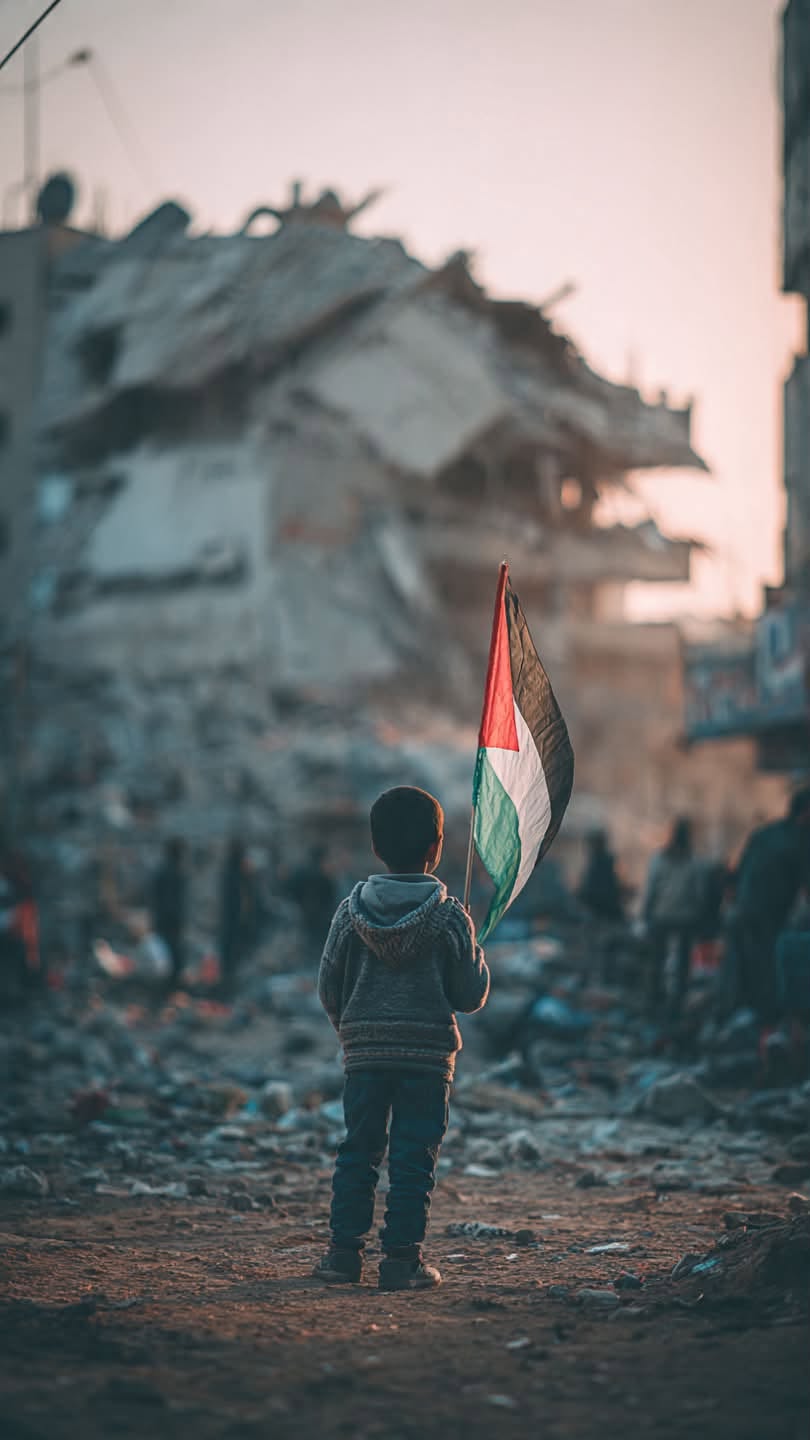
Since October 7, these dreams have been shattered. Palestinian families have been forced to endure Israeli bombardment and siege on a previously unimaginable scale during 300 days of unprecedented destruction and displacement. We have seen complete disregard for international humanitarian law, with relentless attacks on civilians, health facilities, homes, shelters and markets, and severe restrictions on humanitarian aid.

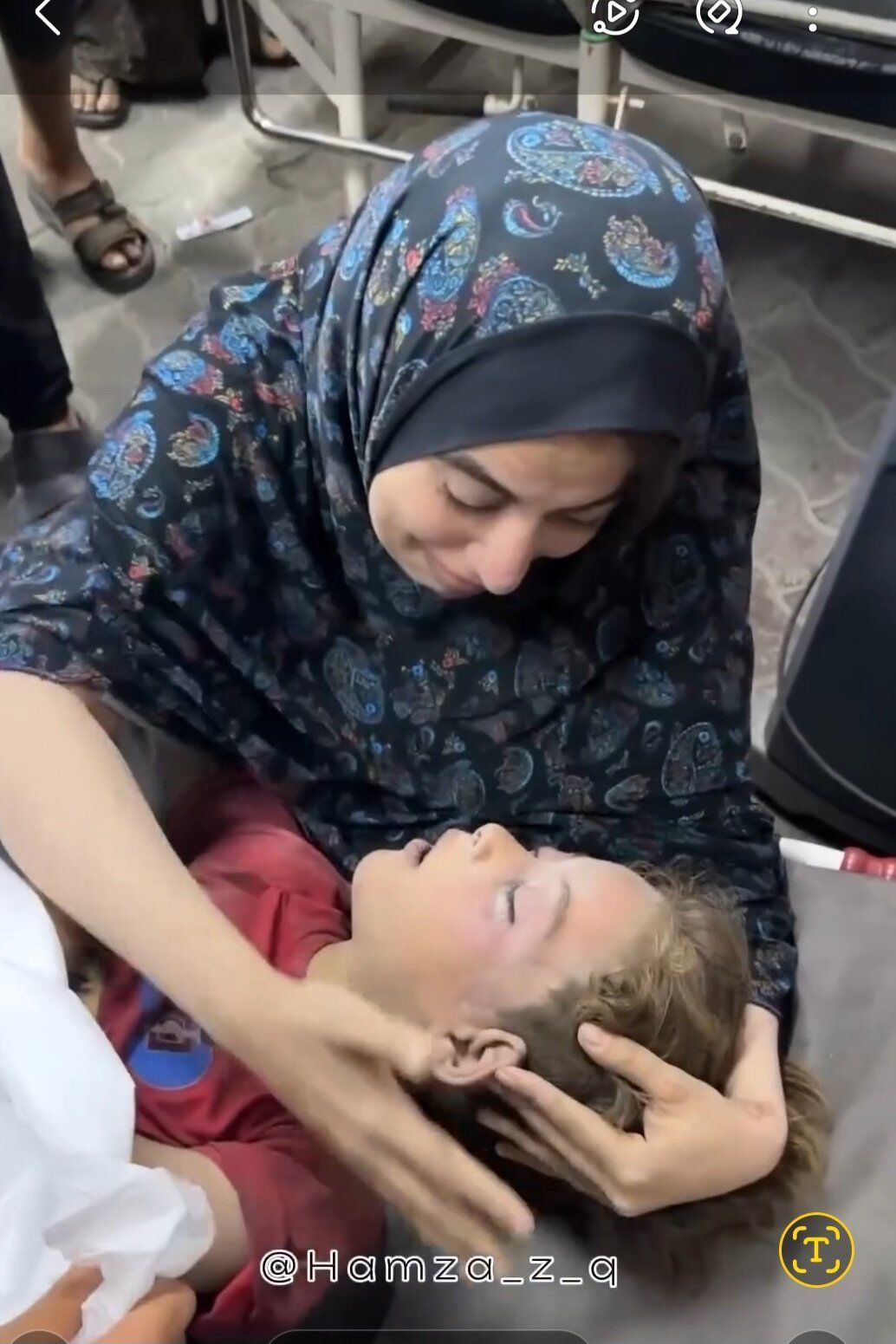
More than 39,400 people have been killed. At least one third of those killed are children – including over 118 children and young people cared for by Islamic Relief’s Orphan Sponsorship Programme – and even more have become orphaned. Prior to October, Islamic Relief supported 8,750 children in Gaza through our Orphan Sponsorship Programme. We now support 15,300.

Others have sustained life-changing injuries or simply disappeared, likely lost under the rubble of destroyed homes and shelters. Children have missed almost an entire year of schooling and face a future full of uncertainty and fear. Entire families have been scattered as they flee repeatedly in search of safety, which cannot be found as bombs continue to rain down on Gaza.

People have been ordered to leave one area, only to be bombed in the place they were told to shelter.

The international community has been unable to provide sufficient aid due to Israeli restrictions on supplies into Gaza. Few hospitals remain functional due to shortages of electricity, fuel and medicine. Trapped in one of the most densely populated areas on Earth, families have minimal access to food, water and healthcare. People are starving to death, and famine looms.

Islamic Relief’s long-term development programmes in Gaza have largely been suspended as it quickly became one of the most difficult and dangerous places to deliver aid. Instead, we have scaled up our emergency response, distributing essentials such as ready-to-eat meals, clean water, and soap to displaced people.

Our work has had to continually adapt to meet changing needs and varying availability of items. Our staff and partners in Gaza are enduring many of the same challenges as the communities they support, including displacement, with one colleague saying she feels Palestinians have been ‘forgotten by the world’. Despite these enormous challenges, they remain committed to providing aid to vulnerable communities.

In 2012, a United Nations report questioned if Gaza would be a liveable place by 2020, pointing to population growth and the Israeli blockade. Now, in 2024, there remains little doubt that conditions inside Gaza have become truly unliveable.

Reliefweb

  • CrossFireArabia

    CrossFireArabia
    Dr. Marwan Asmar holds a PhD from Leeds University and is a freelance writer specializing on the Middle East. He has worked as a journalist since the early 1990s in Jordan and the Gulf countries, and been widely published, including at Albawaba, Gulf News, Al Ghad, World Press Review and others.

    Related Posts

    Albanese Calls For World Force to Protect Civilians in Gaza, West Bank

    UN Special Rapporteur Francesca Albanese called Sunday for an “international protection presence” in the occupied West Bank, East Jerusalem and Gaza, saying such a deployment was “absolutely urgent.”

    “Third states have an obligation, per the ICJ, to act to end Israel’s unlawful occupation,” Albanese wrote on the US social media platform X, referring to a July 2024 advisory opinion by the International Court of Justice that deemed Israel’s occupation of Palestinian territory unlawful and said states must not assist in maintaining it.

    Albanese also questioned whether UN Secretary-General Antonio Guterres’ diplomatic efforts and the General Assembly’s “Uniting for Peace” mechanism could overcome the Security Council’s deadlock on the conflict.

    The mechanism allows the General Assembly to consider international peace and security issues when the Security Council cannot act because of a lack of unanimity among its permanent members. The council has repeatedly been unable to take action on Gaza and the West Bank amid vetoes by the US. Anadolu

    Continue reading
    40 Million Tons of Rubble: Gaza Ministry Faces Challenges in Removing it

    Gaza’s Ministry of Public Works and Housing confirmed that Israel’s ongoing targeting of tents and shelters of displaced people in the enclave is a systematic policy of destroying the basic necessities of life. It noted the amount of rubble that has piled up in the various regions of the Strip has exceeded 40 million tons.

    Ministry spokesman Najla Hammad told the Sanad News Agency, Monday, the ministry is facing unprecedented challenges in removing the rubble because of the severe shortage of heavy machinery due to the Israeli-imposed blockade and the closure of crossings.

    Hammad pointed out that the recent Israeli aggression has displaced more than 80 families, leaving them homeless and exposed, noting the ministry received widespread appeals to replace the tents that have been damaged and/or completely destroyed.

    Read also: “Public Works”: Only 5% of shelter supplies enter Gaza

    She added what is making things worse is that the Israeli occupation is preventing the entry of tents, tarpaulins, and shelter supplies and the reduction of usable land in the Gaza Strip to less than 30%.

    Hammad explained that crews are continuing to work on opening main roads and providing alternative spaces for service facilities and educational centers but tough going. However, she announced the completion of the removal of the rubble at the site of the Hijazi Clinic in northern Gaza, in cooperation with the United Nations Development Programme (UNDP), and its handover to the Ministry of Health for reconstruction.

    She indicated that the demolition and clearing of rubble is currently limited to only 4 out of the 10 sites previously identified, due to security restrictions and a lack of heavy equipment. The teams are operating with only one excavator and a very limited number of trucks.

    Hammad noted the use of local alternatives and solutions, such as recycling crushed rubble to level roads and areas threatened by flooding, and melting plastic and aluminum to recycle supplies for health units in the camps is also moving.

    UN reports confirm that the scale of destruction and rubble in the Gaza Strip surpasses that of major wars and conflicts in modern history. International organizations warn that preventing the entry of machinery, engineering equipment, and shelter materials exacerbates the humanitarian, environmental, and health catastrophe, hindering the provision of even the most basic services to more than two million displaced people lacking safe shelter.

    The Ministry of Public Works and Housing in Gaza previously warned in August of the severe deterioration in the housing sector due to the widespread presence of tons of rubble. It emphasized that the aid and tents permitted entry by the Israeli occupation amount to no more than 5% of the actual needs of the displaced, given the strict restrictions at the crossings and the repeated forced displacement.

    Recently, the Ministry of Public Works and Housing launched an emergency program to repair and renovate partially damaged homes in the Gaza Strip, a step aimed at persuading and facilitating the return of displaced families to their homes and original areas.

    Last June, Hammad, announced a comprehensive plan for managing, storing, and crushing rubble for reuse, as part of the ongoing efforts to address the issue of debris resulting from the conflict.

    Hammad said that the Ministry is presently working with the UNDP and have to-date  constructed more than 15 shelters that have accommodated over 1,700 displaced families in the Gaza Strip, including five centers in the south that alone have housed approximately 700 families.

    Continue reading

    You Missed

    Albanese Calls For World Force to Protect Civilians in Gaza, West Bank

    Albanese Calls For World Force to Protect Civilians in Gaza, West Bank

    40 Million Tons of Rubble: Gaza Ministry Faces Challenges in Removing it

    40 Million Tons of Rubble: Gaza Ministry Faces Challenges in Removing it

    Join The Queue For The Drops

    Join The Queue For The Drops

    ‘My Way Out of Insanity’

    ‘My Way Out of Insanity’

    The Child, Tree and The Dark

    The Child, Tree and The Dark

    Palestinian Dr Held Over Social Media Posts Suffers Heart Attack in Israeli Detention

    Palestinian Dr Held Over Social Media Posts Suffers Heart Attack in Israeli Detention