CrossFireArabia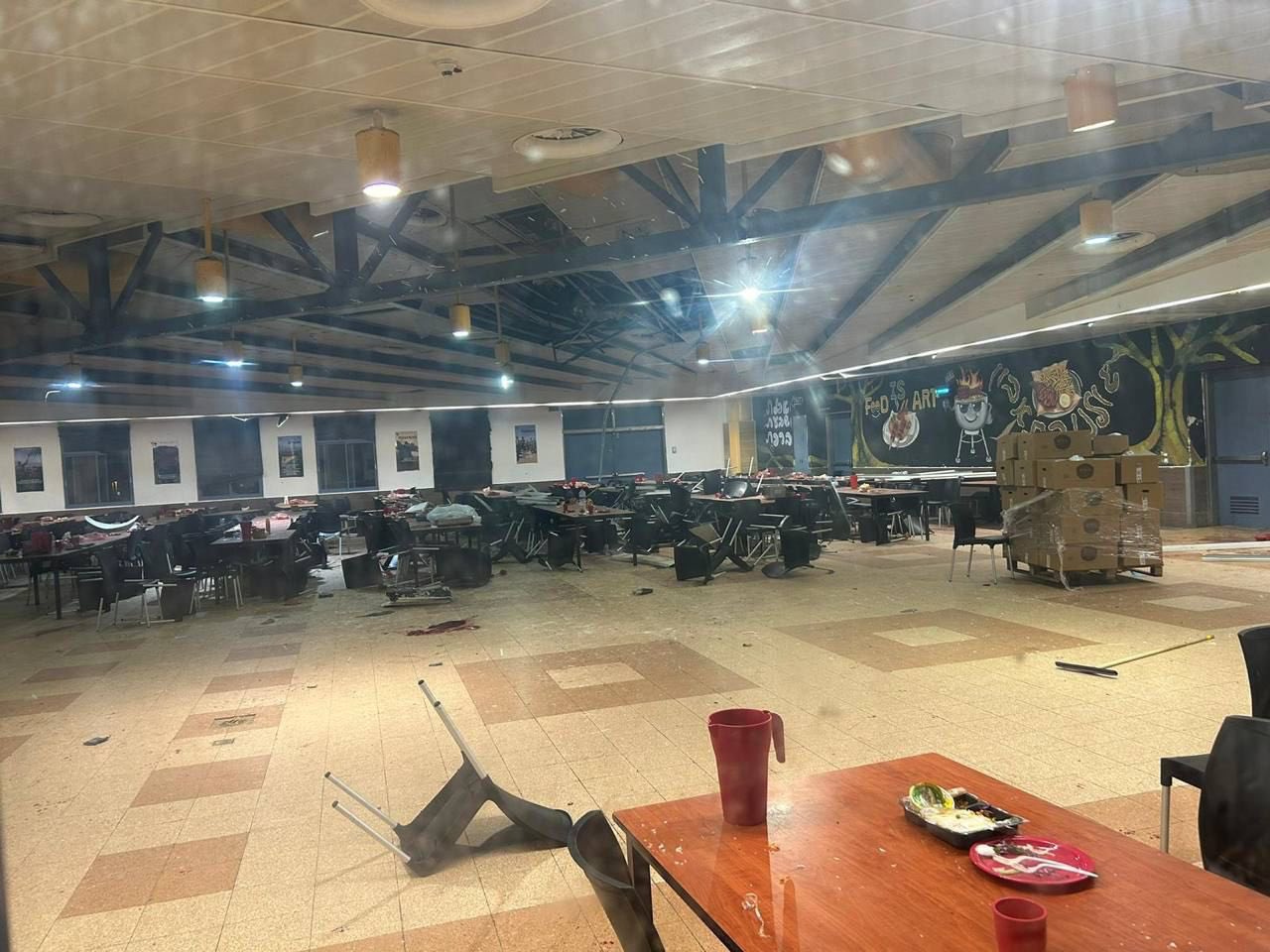
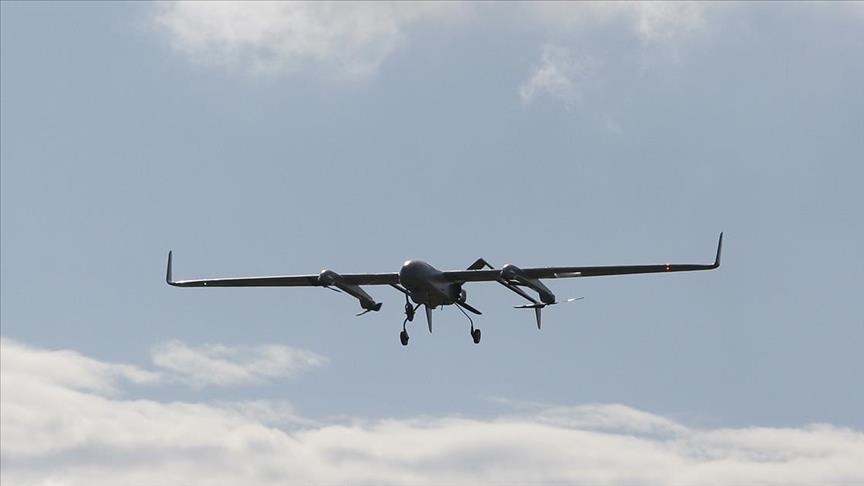
Analysts said, Sunday, the strike launched by Hezbollah on a Israeli military south of Haifa, during which a squadron of drones were used and which led to the deaths and dozens of injuries, is a turning point in the nature of the conflict between the occupation forces and Hezbollah, which will cast its shadow on the shape of the next stage of the war.
Writer and political analyst Iyad Al-Qara said that “Hezbollah, by striking a swarm of drones at a military site in Haifa, has turned the entire equation upside down and proven its ability to shape the future, which reflects its regaining the ability to take the initiative and direct strikes deep inside the occupation.”
Al-Qara stressed that “this attack represents a shift in the balance of power between the two sides, and enhances the party’s ability to use drone technology as an effective means of military escalation.”
He added that it seems that the party is seeking to enhance deterrence and impose new equations by striking strategic targets in sensitive areas inside the occupied territories, which reflects a qualitative development in its military capabilities and its ability to target the Israeli depth.
Writer and political analyst Najib Mufarja confirmed, for his part, that “what happened today is considered a security strike before it was a military strike against the occupying state.”
He continued during his interview with “Quds Press”, that “Hezbollah’s success in striking a sensitive military site in this manner and with such precision, and with this force, indicates that it possesses intelligence information, and proves the superiority of the resistance in the information war, and this takes us back to the history of 7 October, 2023, when Hamas was able to launch its operation in the Gaza envelope settlements after an operation of misleading and concealing information and a resounding success in reaching its goals as planned.”
Mufarja saw that “what happened is a new stage in the equation with the occupation,” and continued: “The occupation, which boasts of its intelligence superiority, is today facing a new and disastrous failure. How can Hezbollah possess this huge amount of information about the locations of weapons, warehouses, and sensitive facilities, and the locations of soldiers’ gatherings and the number of soldiers gathered before carrying out such a successful operation?”
What increases the sensitivity and importance of this operation, as Mufarja says, is that it “comes a few hours after the occupation boasted and announced the installation of a 4th American air defense system, which was supposed to increase the possibility of intercepting missiles and drones launched from Lebanon, or even from neighboring countries, and this in itself, is another failure that will cast a negative shadow on the occupation.”
Mufarja pointed out that this strike “comes as a continuation and culmination of a series of previous strikes over several days that witnessed a noticeable improvement in Hezbollah’s military performance and a huge number of missiles and drones launched towards northern cities, despite the occupation’s boasting and claim that it was able to eliminate a large part of Hezbollah’s military force.”
The Israeli media reported on Sunday evening that “about 67 soldiers were injured as a result of a drone strike near the town of Binyamina, within the city of Haifa.”
Haaretz stated 4 of the injured are in critical condition, and 5 of them are in serious condition.
The rescue services of the Red Star of David organization reported that no sirens were activated in the area that was hit.
The official channel of the Israeli army on Telegram quoted the military spokesman as saying that the air force “intercepted a drone in the disputed maritime space that was launched from Lebanese territory.”
Al-Jazeera satellite channel quoted a leading source in the Lebanese Hezbollah as saying that “the party attacked a camp belonging to the Golani Brigade in Binyamina, south of Haifa, in northern occupied Palestine, with a squadron of suicide drones,” as reported in Quds Press.