US/Israel Used 3000 Missiles in First 36 Hours of War

More than 3,000 precision-guided munitions and interceptors were used in the first 36 hours of the US-Israeli offensive against Iran, revealing a major weakness in the supply chain.

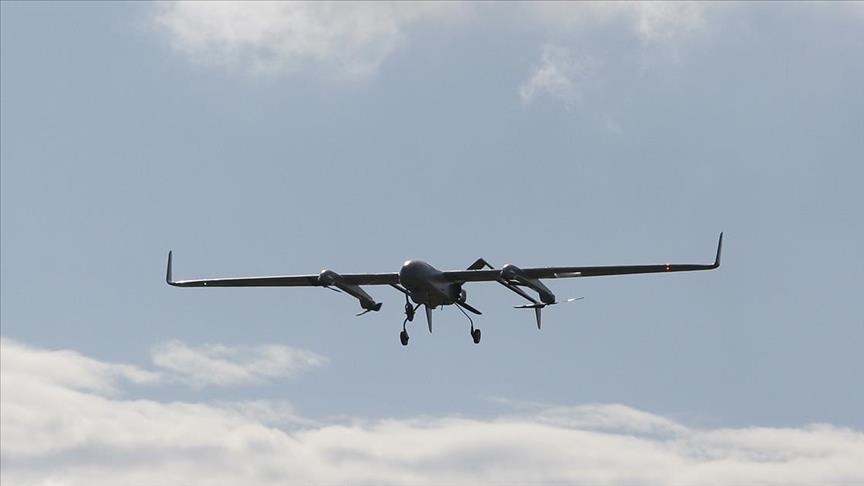
Estimates by the Payne Institute indicated that Iran launched over 1,000 weapons across the region, including around 380 ballistic missiles, 700 Shahed drones, and 50 air defense missiles, prompting large-scale interception attempts by the US, Israel, and Gulf countries that have been targets of Iranian retaliatory attacks.

During the opening phase of the campaign, US forces used a wide range of offensive weapons, including 210 JDAM precision-guided bombs, 120 Tomahawk cruise missiles, 120 low-cost drones, and 90 AGM-88 anti-radiation missiles targeting Iranian radar systems.

Israeli forces also conducted extensive strikes, using about 280 Spice-guided bombs, 140 smart bomb kits, 70 Rampage supersonic missiles, and 50 Delilah cruise or loitering missiles, according to the estimates.

Defensive systems were also heavily used to intercept Iranian attacks. The US fired approximately 180 SM-2/SM-3/SM-6 naval interceptors, 90 Patriot PAC-2/PAC-3 missiles, and 40 THAAD interceptors, while Israel deployed 70 Iron Dome Tamir interceptors, 40 Arrow missiles, and 35 David’s Sling interceptors.

Regional partners also participated in air defense efforts, with Gulf states launching about 250 Patriot PAC-3 interceptors and 30 THAAD missiles, the estimates showed.

The intense exchange of missiles and drones underscored a broader strategic challenge, according to media reports. While defensive systems have largely intercepted incoming attacks, the cost and volume of munitions used are placing significant strain on Western supply chains.

Replenishing these arsenals is not only a financial challenge but also a supply-chain issue tied to critical minerals, including cobalt, tungsten, and rare earth elements that are essential for guidance systems, electronics, and rocket motors.

Many of these materials are sourced from limited suppliers, with China dominating several key mineral markets, raising concerns that prolonged conflict could expose vulnerabilities in Western defense manufacturing capacity. Anadolu

  • CrossFireArabia

    CrossFireArabia
    Dr. Marwan Asmar holds a PhD from Leeds University and is a freelance writer specializing on the Middle East. He has worked as a journalist since the early 1990s in Jordan and the Gulf countries, and been widely published, including at Albawaba, Gulf News, Al Ghad, World Press Review and others.

    Related Posts

    Palestinians Remember The Eveil Nakba

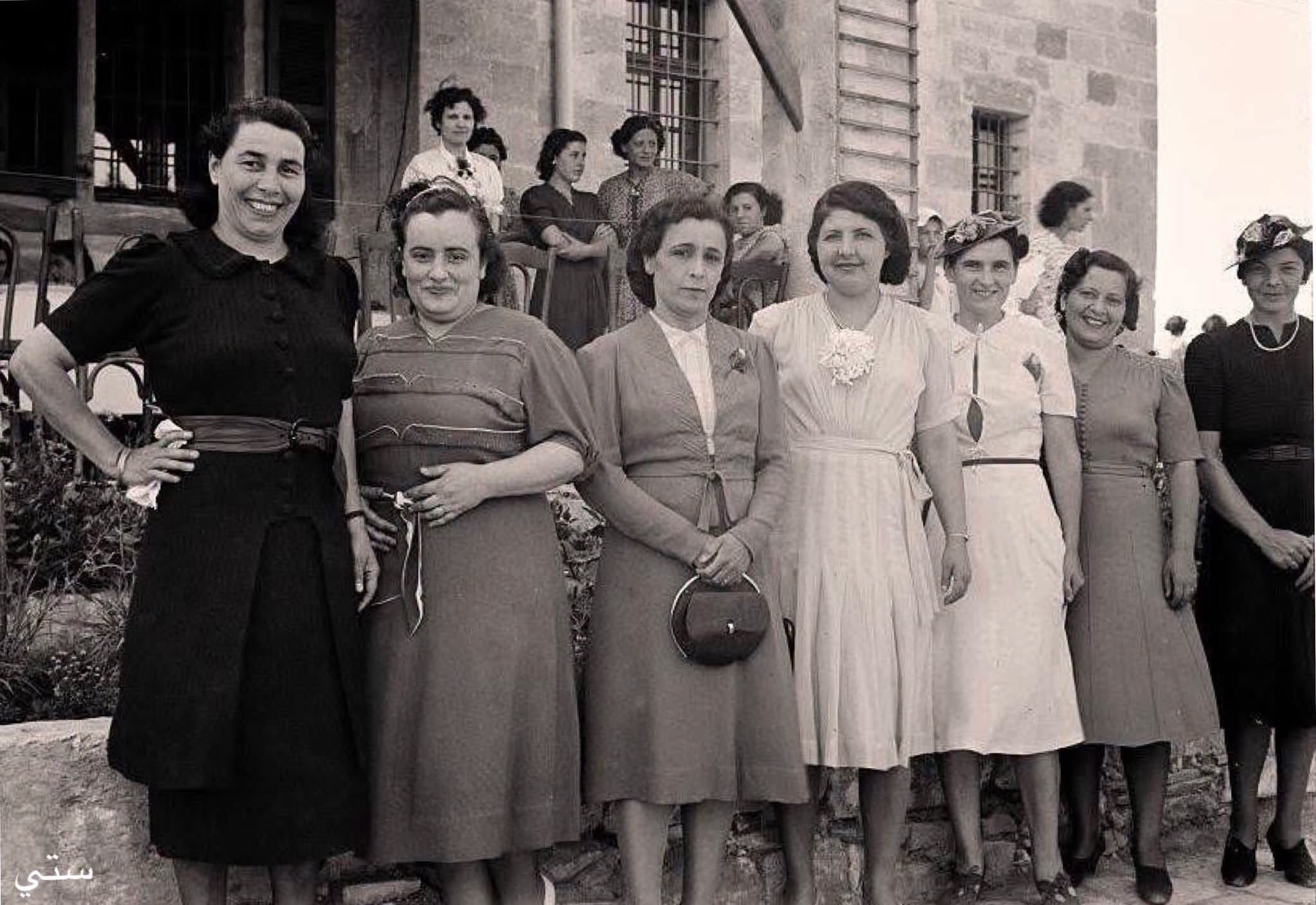
    Dozens of Palestinian women at a displacement camp in central Gaza marked the 78th anniversary of the Nakba (Catastrophe) on Thursday, reliving scenes of displacement and loss they said continue to define Palestinian life decades after 1948.

    Held at the Refaat Alareer camp in the Al-Zawaida area, the event linked memories of the historic Palestinian displacement with the reality of the ongoing Israeli war on Gaza, as participants said the suffering of exile and forced displacement had never truly ended.

    The event was organized by the Sameer Project, a relief initiative led by Palestinians in the diaspora, and featured heritage performances, traditional dabke dancing and symbolic scenes highlighting Palestinian identity and the right of return.

    Women and children raised Palestinian flags, symbolic keys, and images reflecting displacement and attachment to the land. Several participants wore traditional Palestinian dresses and chanted songs and national hymns invoking Palestinian memory and what they described as an ongoing Nakba.

    Palestinians commemorate the Nakba every year on May 15 through marches, exhibitions and public events in the Palestinian territories and around the world, calling for rights, including the return of millions of refugees.

    The Nakba refers to the mass displacement of Palestinians in 1948 during the events surrounding the creation of Israel, when hundreds of Palestinian towns and villages were emptied and their residents forced to flee.​​​​​​​

    Reliving displacement

    Ibtisam Abu Muailiq, a displaced Palestinian now living in Al-Zawaida, said Palestinians are still living through the Nakba today.

    The current war, she told Anadolu, had brought back scenes of displacement and tent life that previous generations described after the events of 1948.

    “Our home was destroyed, and we lost loved ones, some killed and others still missing, but we remain steadfast on the land of Palestine,” she said.

    She called on people around the world to show compassion toward Palestinians and support them amid their suffering.

    For Umm Mohammed Abdullah, the Nakba never ended.

    Palestinians, she said, have endured repeated cycles of hunger, thirst, displacement and loss but continue to hold on to their land.

    “No matter how severe the suffering becomes, we will not leave our homeland,” she added.

    Steadfast despite war

    Event coordinator Iman Al-Khatib said holding the event inside a displacement camp carried a message that Palestinians remain steadfast despite wars and catastrophes.

    “We wanted to tell the world that Palestinians remain resilient and that the right of return will continue to live in the conscience of future generations,” she told Anadolu.

    The Israeli army has killed more than 72,000 people, mostly women and children, and injured over 172,000 in a two-year war on the Gaza Strip since October 2023.

    Despite a ceasefire that took effect on Oct. 10, 2025, the Israeli army has continued its attacks, killing at least 856 people and injuring 2,463 others, according to Gaza’s Health Ministry.

    Continue reading
    Palestinian Population Tops 15.5 Million

    The Palestinian Central Bureau of Statistics (PCBS) said Tuesday that the number of Palestinians worldwide has reached about 15.5 million, including 7.4 million living in historic Palestine.

    In a statement marking the 78th anniversary of the Nakba, a term used by Palestinians to mark Israel’s creation in 1948, the bureau said about 8.1 million Palestinians live in the diaspora.

    It said more than two million Palestinians are displaced inside Gaza and the occupied West Bank as a result of Israel’s war on Gaza and continued settlement expansion.

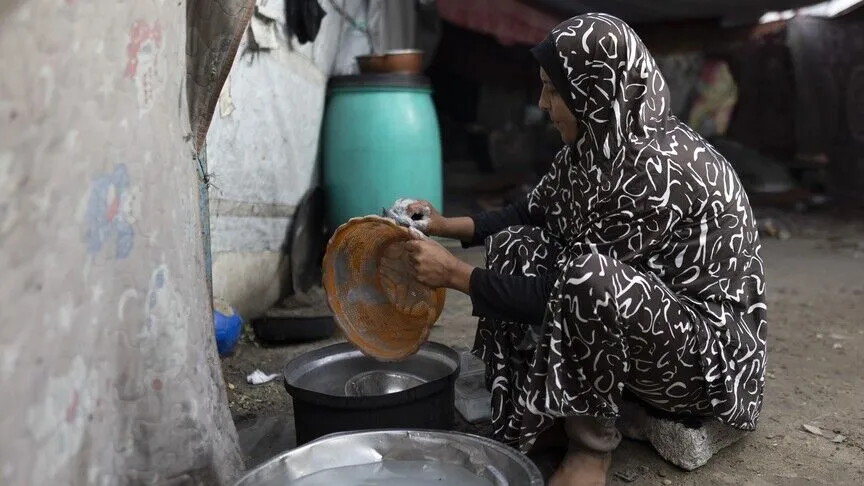
    Israel’s war on Gaza has displaced nearly two million Palestinians out of about 2.2 million who lived in the enclave on the eve of the war, the bureau said. Many now live in tents, shelters and schools.

    About 40,000 Palestinians have also been displaced from refugee camps in the northern West Bank because of the ongoing Israeli military operations, the bureau added.

    In the West Bank, illegal Israeli settlement activity continues to expand, the statement said, adding that the number of illegal settlements and military bases reached 645 by the end of 2025. The total includes 151 illegal settlements, 350 settlement outposts and 144 other sites.

    Official figures show that the number of Israeli occupiers in the West Bank reached about 778,567 by the end of 2024, with 42.8% concentrated in occupied East Jerusalem.

    The bureau said Israeli authorities seized more than 5,571 dunams (1,377 acres) of Palestinian land in 2025 through seizure orders, expropriation and declarations of “state land.”

    It also documented more than 61,000 attacks by Israeli forces and occupiers in the West Bank between 2022 and 2025, which led to the uprooting and bulldozing of more than 81,000 trees, most of them olive trees.

    Israeli authorities continue to impose strict restrictions on Palestinians through about 900 military checkpoints and gates across the West Bank, limiting residents’ movement and blocking access to large areas of agricultural and grazing land, the bureau said.

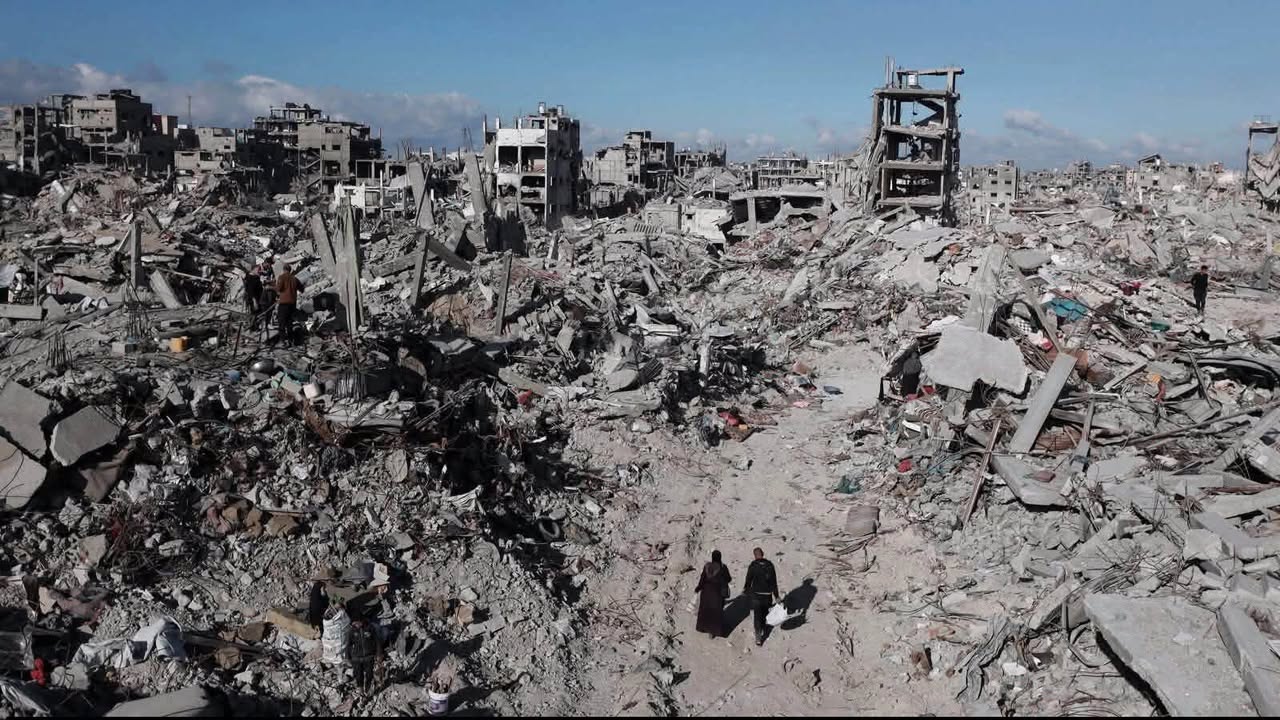
    In Gaza, the bureau said Israel’s war has completely destroyed more than 102,000 buildings and fully or partially damaged more than 330,000 housing units, along with widespread destruction of infrastructure, health facilities and schools according to Anadolu.

    The Israeli army has killed more than 72,000 Palestinians, mostly women and children, and injured over 172,000 others in a two-year offensive on Gaza since October 2023.

    Continue reading

    You Missed

    Giant Phillippines Volcano Shows no Rest!

    Giant Phillippines Volcano Shows no Rest!

    The Chinese Fortune Cookie and The “Thucydides Trap”! A  View From Amman

    The Chinese Fortune Cookie and The “Thucydides Trap”! A  View From Amman

    Israel Kills 200 Lebanese Children – UNICEF

    Israel Kills 200 Lebanese Children – UNICEF

    Nakba – 78 Years of Occupation Misery

    Nakba – 78 Years of Occupation Misery

    Palestinians Remember The Eveil Nakba

    Palestinians Remember The Eveil Nakba

    Nakba – 78 Years On

    Nakba – 78 Years On