Trending News:Eid Mubarak GazaUS-Israel Drags The World Into a Global CrisisESCWA: The War Costs $150 Billion in LossesEid MubarakPezeshkian: ‘Iran Will Not Surrender to Bullies’Israeli Soldiers Enforce Closure of Al Aqsa1 in 7 Displaced in Lebanon – NRCHormuz: End of an Era of Martime DominanceGaza Faces Massive Dust StormUS-Israeli Strikes Kill 503, Injures 5,700 IraniansHormuz and Washington: War Fails to Neutralize IranIsraeli Official: ‘Life in The North is Dead’White House Economic Council Head Says The Iran War May End in 6 Weeks, Wont Stay MonthsAt Day 16 of The War The Israeli Air Force Say The Dropped 10,000 Bombs on IranIRGC Spokesman: Most of The Missiles Produced After The 12-Day War Are Yet to be UsedIRGC Spokesman: Most the Missiles Launched in This War Were Produced 10 Years AgoAl Bahri: The Man Who Set Palestinian TheaterTrump’s Advisor: Warns White House Against EscalationIranian Missile Debris Falls Near Tel AvivHow Will Trump Get Out of This War?Sirens Blast Six Times in Israel in One DayIran’s Air Defences Destroy 110 DronesLebanon: Women Forced to Deliver on RoadsUS Loses Nearly $4 Billion in Military AssetsHezbollah Prepared For ‘Long War’ With IsraelLarijani: Region Would Go ‘Dark’ if The US Attacks Iran’s ElectricityIran Fired 250 Missiles on Israel – HaaretzThe Iran War Costs Washington $11.3 B in 6 DaysIsrael Displaces 1500 in The Occupied West Bank in 2025 – UN Report‘A Tel Aviv That Now Looks Like Gaza’ – George Galloway on Israeli CensorshipPentagon Probe Finds US Forces Behind Deadly Strike on Iran SchoolUS-Israeli Strikes Hit 21,720 Buildings, 17,353 Homes – Red CrecentSpain Pulls Out Its Ambassador From IsraelIsrael Uproots 100s of Olive Trees in Palestine‘This War is Not Hours’Ali Larijani: The Man Behind Iran’s WarIran Fools Israel With Inflatable TanksIsraeli War on Lebanon Displaces Around 700,000What Hold Does Netanyahu Have on Trump?Mideast in Tailspin of DestructionUS-Israel Attacks on Iran Kill 460 People, Injures 4,309Defiant: FM Aragchi Says Iran is ‘Fully Prepared’First Week of War on Iran Costs The USA $6 BillionExpert: Mojtaba Election Means More EscalationMojtaba Election in Iran as New Leader Irks TrumpPalestine Mourns a GiantIran Moves to Major EscalationIranian Missiles Kill 13 Israelis, Injure 1929Iran TV: Iran Lanches first-time missiles on Israel weighing between 700 kilos and 1 ton. These missiles are called Qadar, Imad and KheibarIsraeli army: We dropped 7500 bombs in Iran since the start of the warAli Larijani: The US doesn’t know us and… it won’t be able to recreate the Venezula scenario with us’IRGC says Iran started its Operation True Promise 26 by launching missiles and drones against IsraelIran Halts Attacks on Neighboring States Unless…Iranian govt spokesman: 30% of victims are children; 165 of them killed among 1300 civilians who died by US/Israeli bombingWhite House: ‘We destroyed more than 30 Iranian ships and are moving to destroying the navy completely’White House: ‘We Have 4 to 6 Weeks to End The Military Operations in Iran’IRGC: Iran Has Not Closed The Hormuz Strait Except to Ships Linked to Israel/USAHezbollah Launches 18 Rockets on IsraelOil Prices Soar Past $90 Per BarrelOver 10,000 Flee Israel Since The WarThe US General Who Swallowed His Own TruthUS/Israel Used 3000 Missiles in First 36 Hours of WarTrump: ‘Sending Ground Troops to Iran a ‘Waste of Time’Trump Calls Israeli President a ‘Disgrace’Iran’s Red Crescent: 1332 civilians killed since the start of US-Israeli war on IranIsraeli Media: Sirens Go Off in Tel Aviv300 Oil Tankers Stand at Mouth of Gulf Avoiding Hormuz Strait – Iranian MediaIRGC: USS Abraham Lincoln Struck by Drones in Sea‘They Don’t Know Iran’s Military Lexicon’: First Six Days of The AggressionAnalysis: Why Did Hezbollah Enter This War?‘…We Are Waiting For Them,’ Araghchi Says in Reference to a Ground InvasionWar and The Blame GameIranian Media: Iran Lunched 500 Ballistic, Cruise Missiles and 2000 Drones Since The War StartBoP and The Lurking Devil!Qatar Evacuates Residents Near US EmbassyUS/Israeli War on Iran Enters 6th DayIranian Military Source: ‘If US/Israel moves to topple the regime we will strike Dimona’Al Arabiya: 100,000 Israelis evacuated from the north…Israeli Army: The Israeli airforce dropped 5000 bombs on Iran since the war startedIsraeli Source: 4000-5000 calls made daily between US/Israeli staff to coordinate Iran strikesAn Israeli Official Told Channel 13: ‘We made a wrong assessment…didn’t think Hezbollah could fire missile to far away places’Hezbollah Targets Central IsraelIran/Hezbollah Launch Dual Strikes on Tel AvivIran War Costs US Forces $779 million on 1st DayScott Ritter: US Strikes on Iran is a FailureGulf War: Slipping Into The QuagmireWar Hysteria!War Goes BadlyUS/Israel Attack Natanz Nuclear Site Twice52 Killed in Israeli Strikes on LebanonJordan: Police Answers 133 Calls of Falling DebrisIRGC: Iran Shoots Down 29 Drones800 Targets Struck in Iran – KanIsrael Airforce Makes 1000 SortiesIranian Strike Injures 17 Israelis in BeershebaUS Aircraft Crash in Kuwait In Tel Aviv 200 Buildings Destroyed – Media SourcesRemember GazaIran Targets Office of Israeli PMIsrael Admits to 2 Deaths, 456 Injured
Trending News:Eid Mubarak GazaUS-Israel Drags The World Into a Global CrisisESCWA: The War Costs $150 Billion in LossesEid MubarakPezeshkian: ‘Iran Will Not Surrender to Bullies’Israeli Soldiers Enforce Closure of Al Aqsa1 in 7 Displaced in Lebanon – NRCHormuz: End of an Era of Martime DominanceGaza Faces Massive Dust StormUS-Israeli Strikes Kill 503, Injures 5,700 IraniansHormuz and Washington: War Fails to Neutralize IranIsraeli Official: ‘Life in The North is Dead’White House Economic Council Head Says The Iran War May End in 6 Weeks, Wont Stay MonthsAt Day 16 of The War The Israeli Air Force Say The Dropped 10,000 Bombs on IranIRGC Spokesman: Most of The Missiles Produced After The 12-Day War Are Yet to be UsedIRGC Spokesman: Most the Missiles Launched in This War Were Produced 10 Years AgoAl Bahri: The Man Who Set Palestinian TheaterTrump’s Advisor: Warns White House Against EscalationIranian Missile Debris Falls Near Tel AvivHow Will Trump Get Out of This War?Sirens Blast Six Times in Israel in One DayIran’s Air Defences Destroy 110 DronesLebanon: Women Forced to Deliver on RoadsUS Loses Nearly $4 Billion in Military AssetsHezbollah Prepared For ‘Long War’ With IsraelLarijani: Region Would Go ‘Dark’ if The US Attacks Iran’s ElectricityIran Fired 250 Missiles on Israel – HaaretzThe Iran War Costs Washington $11.3 B in 6 DaysIsrael Displaces 1500 in The Occupied West Bank in 2025 – UN Report‘A Tel Aviv That Now Looks Like Gaza’ – George Galloway on Israeli CensorshipPentagon Probe Finds US Forces Behind Deadly Strike on Iran SchoolUS-Israeli Strikes Hit 21,720 Buildings, 17,353 Homes – Red CrecentSpain Pulls Out Its Ambassador From IsraelIsrael Uproots 100s of Olive Trees in Palestine‘This War is Not Hours’Ali Larijani: The Man Behind Iran’s WarIran Fools Israel With Inflatable TanksIsraeli War on Lebanon Displaces Around 700,000What Hold Does Netanyahu Have on Trump?Mideast in Tailspin of DestructionUS-Israel Attacks on Iran Kill 460 People, Injures 4,309Defiant: FM Aragchi Says Iran is ‘Fully Prepared’First Week of War on Iran Costs The USA $6 BillionExpert: Mojtaba Election Means More EscalationMojtaba Election in Iran as New Leader Irks TrumpPalestine Mourns a GiantIran Moves to Major EscalationIranian Missiles Kill 13 Israelis, Injure 1929Iran TV: Iran Lanches first-time missiles on Israel weighing between 700 kilos and 1 ton. These missiles are called Qadar, Imad and KheibarIsraeli army: We dropped 7500 bombs in Iran since the start of the warAli Larijani: The US doesn’t know us and… it won’t be able to recreate the Venezula scenario with us’IRGC says Iran started its Operation True Promise 26 by launching missiles and drones against IsraelIran Halts Attacks on Neighboring States Unless…Iranian govt spokesman: 30% of victims are children; 165 of them killed among 1300 civilians who died by US/Israeli bombingWhite House: ‘We destroyed more than 30 Iranian ships and are moving to destroying the navy completely’White House: ‘We Have 4 to 6 Weeks to End The Military Operations in Iran’IRGC: Iran Has Not Closed The Hormuz Strait Except to Ships Linked to Israel/USAHezbollah Launches 18 Rockets on IsraelOil Prices Soar Past $90 Per BarrelOver 10,000 Flee Israel Since The WarThe US General Who Swallowed His Own TruthUS/Israel Used 3000 Missiles in First 36 Hours of WarTrump: ‘Sending Ground Troops to Iran a ‘Waste of Time’Trump Calls Israeli President a ‘Disgrace’Iran’s Red Crescent: 1332 civilians killed since the start of US-Israeli war on IranIsraeli Media: Sirens Go Off in Tel Aviv300 Oil Tankers Stand at Mouth of Gulf Avoiding Hormuz Strait – Iranian MediaIRGC: USS Abraham Lincoln Struck by Drones in Sea‘They Don’t Know Iran’s Military Lexicon’: First Six Days of The AggressionAnalysis: Why Did Hezbollah Enter This War?‘…We Are Waiting For Them,’ Araghchi Says in Reference to a Ground InvasionWar and The Blame GameIranian Media: Iran Lunched 500 Ballistic, Cruise Missiles and 2000 Drones Since The War StartBoP and The Lurking Devil!Qatar Evacuates Residents Near US EmbassyUS/Israeli War on Iran Enters 6th DayIranian Military Source: ‘If US/Israel moves to topple the regime we will strike Dimona’Al Arabiya: 100,000 Israelis evacuated from the north…Israeli Army: The Israeli airforce dropped 5000 bombs on Iran since the war startedIsraeli Source: 4000-5000 calls made daily between US/Israeli staff to coordinate Iran strikesAn Israeli Official Told Channel 13: ‘We made a wrong assessment…didn’t think Hezbollah could fire missile to far away places’Hezbollah Targets Central IsraelIran/Hezbollah Launch Dual Strikes on Tel AvivIran War Costs US Forces $779 million on 1st DayScott Ritter: US Strikes on Iran is a FailureGulf War: Slipping Into The QuagmireWar Hysteria!War Goes BadlyUS/Israel Attack Natanz Nuclear Site Twice52 Killed in Israeli Strikes on LebanonJordan: Police Answers 133 Calls of Falling DebrisIRGC: Iran Shoots Down 29 Drones800 Targets Struck in Iran – KanIsrael Airforce Makes 1000 SortiesIranian Strike Injures 17 Israelis in BeershebaUS Aircraft Crash in Kuwait In Tel Aviv 200 Buildings Destroyed – Media SourcesRemember GazaIran Targets Office of Israeli PMIsrael Admits to 2 Deaths, 456 Injured
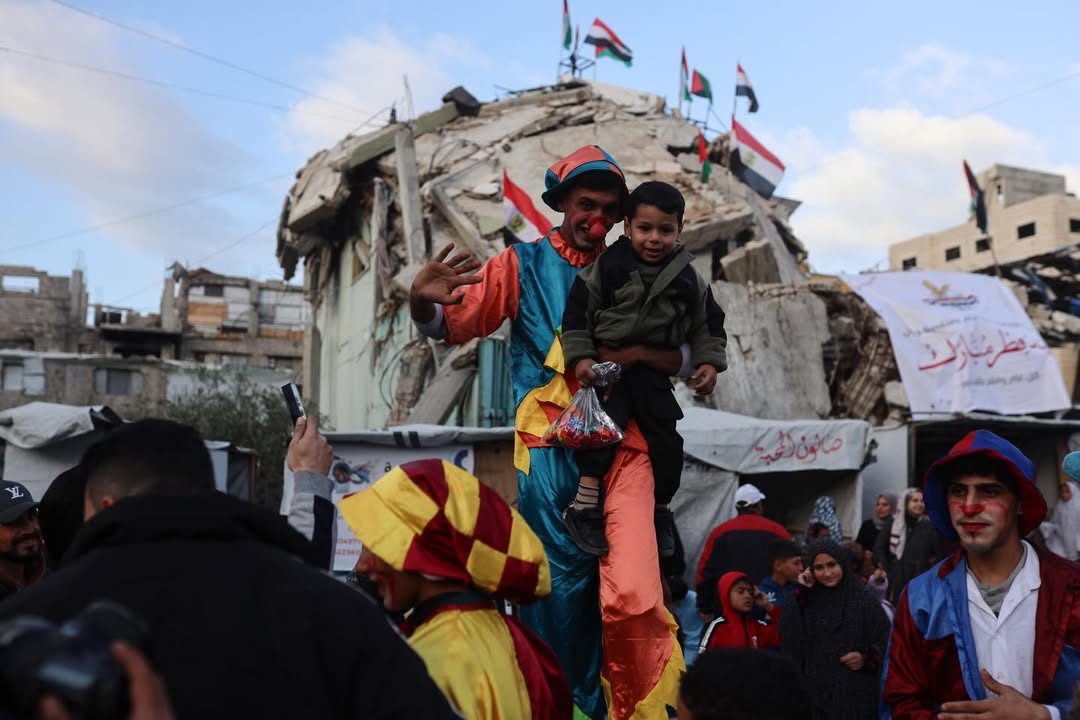
Palestinians in the Gaza Strip are marking the Muslim holiday of Eid al-Fitr, the first since the so-called ceasefire began, amid widespread suffering and destruction following two years of Israeli genocide.
Across the enclave, Palestinians performed Eid prayers amid the rubble, in a powerful act of steadfastness and resilience, and children tried to find moments of joy.
Dr. Marwan Asmar holds a PhD from Leeds University and is a freelance writer specializing on the Middle East. He has worked as a journalist since the early 1990s in Jordan and the Gulf countries, and been widely published, including at Albawaba, Gulf News, Al Ghad, World Press Review and others.
In an ESCWA report titled “Conflict and its shockwaves: escalation of a crisis in the Arab region” and released on 19 March, it points out if the US-Israel-Iran war continues for one month it would causes have losses for the Arab region amounting to nearly $150 billion, or 3.7% of regional GDP.
ESCWA, a major UN organization, warns that the conflict has causes much economic losses with preliminary estimates of about $63 billion in just two two weeks, pointing out the shock is being transmitted through energy markets, trade routes, aviation networks and financial systems.
It added shipping through the Strait of Hormuz has fallen by 97%, with disrupted cargo flows valued at about $2.4 billion a day and cumulative trade losses estimated at around $30 billion over two weeks. Between 28 February and 12 March, almost 19,000 flights were cancelled across nine major regional airports, generating an estimated $1.9 billion in airline revenue losses.
“The findings show that the economic effects of the conflict are materialising quickly and across multiple channels at once,” said Mourad Wahba, Executive Secretary of ESCWA. “What begins as a security escalation is being transmitted into the regional economy through trade, energy, transport and finance, with direct consequences for growth, fiscal stability and humanitarian pressures.”
ESCWA said the region entered the crisis with limited room to absorb a prolonged shock. Even before the latest escalation, around 210 million people, or 43% of the region’s population, were living in conflict-affected settings, including 82 million people in need of humanitarian assistance. In 2025, GCC countries provided about $4.4 billion in humanitarian aid, accounting for roughly 43% of total aid received by conflict-affected countries in the region.
The burden is likely to fall particularly heavily on energy-importing economies. At an oil price of $100 a barrel, the additional annual import bill for Egypt, Lebanon and Tunisia would rise by about $6.8 billion compared with 2026 budget assumptions, adding to fiscal pressure in countries already facing constrained public finances.
Lebanon is facing some of the gravest immediate consequences. ESCWA notes that recent escalation that erupted on 2 March took violence by Israel at a new and more intense levels. If escalating strikes continue, economic losses could rise sharply as attacks increasingly disrupt infrastructure, trade and essential services. These shocks hit an economy that has already contracted by nearly 40% since 2019. The latest escalation has also caused severe humanitarian strain, with 634 people killed as of 11 March and nearly one million displaced.
“The concern is not only the scale of the immediate losses, but the way in which they interact with pre-existing structural vulnerabilities in the region,” Wahba added. “For countries with limited fiscal space, high import dependence or significant humanitarian pressures, a prolonged conflict could exceed their capacity to absorb further shocks, with serious implications for economic stability, social cohesion, and humanitarian condition.”
The ESCWA brief assesses the impact of the conflict through a scenario-based framework covering macroeconomic losses, energy markets, maritime trade, aviation disruptions, financial shocks and Lebanon’s direct exposure to the conflict.
About ESCWA: One of five United Nations regional commissions, ESCWA supports inclusive and sustainable economic and social development in Arab States and works on enhancing regional integration.

 CrossFireArabia