CrossFireArabia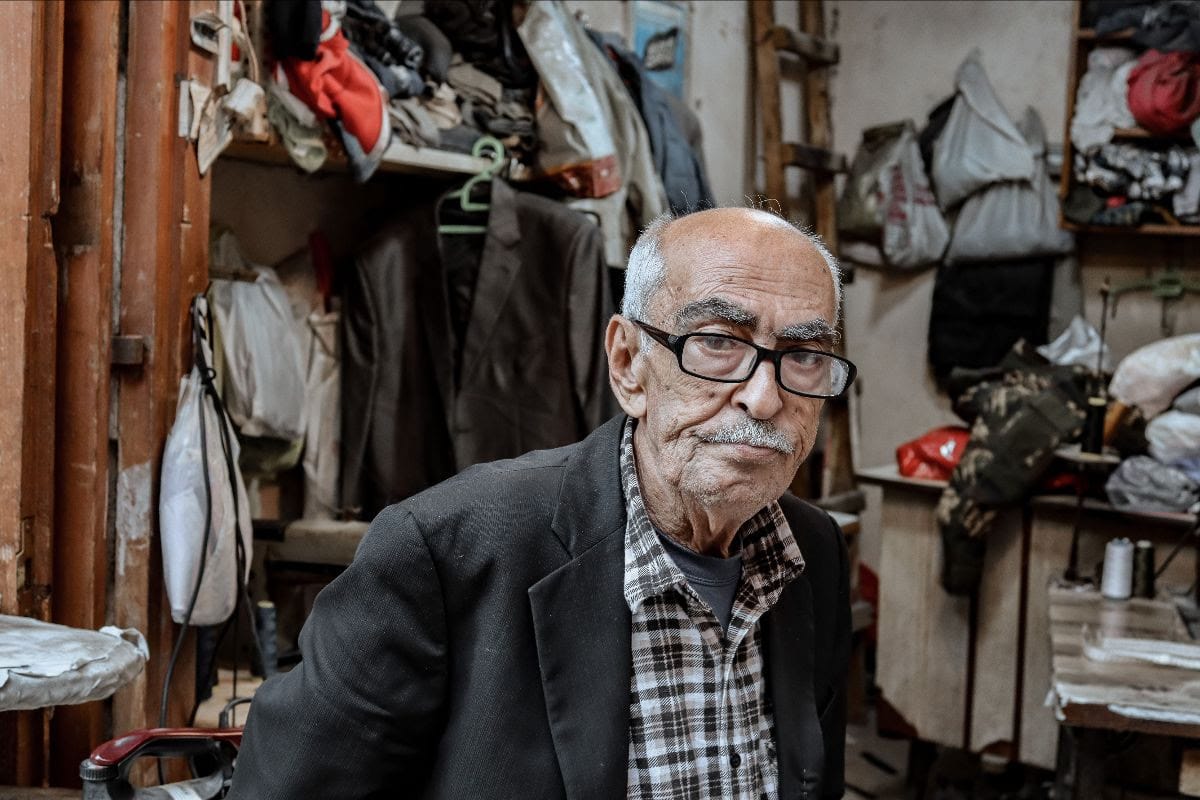
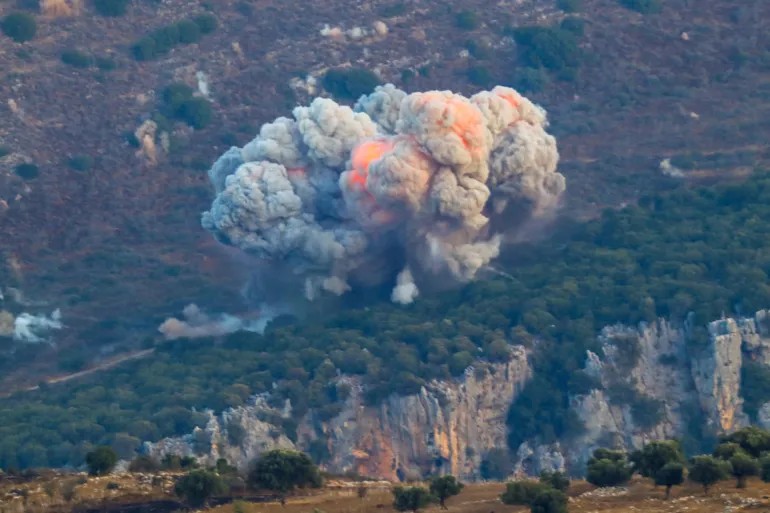
BEIRUT – The recent conflict has displaced around 20% of the Lebanese population, including an estimated 140,000 older persons, many of whom are living in dire conditions. This is revealed in a new policy brief issued, Monday, by the United Nations Economic and Social Commission for Western Asia (ESCWA), titled “Conflict and its shockwaves: older persons amid war and displacement in Lebanon”.
The brief warns of a deepening crisis threatening older persons’ health, dignity, and independence, amid humanitarian responses that remain insufficient to meet their specific needs, despite the efforts by the governmental and non-governmental sectors. As the conflict escalated, this group faced harsh choices between staying in unsafe areas or fleeing to environments that are ill-equipped to accommodate them, especially given the mobility limitations of some of them and limited available support.
The situation has been further aggravated by the closure of six hospitals, the targeting of 23 health centres, and the killing and injury of hundreds of healthcare workers. This has reduced service availability and made it more difficult for older persons, particularly those with chronic conditions, to access the care they needed. Despite government efforts to organize the health response, many older persons remain unable to access treatment due to transportation costs, limited mobility, or lack of information about available services.
In this context, ESCWA Population Affairs Officer Sara Salman warned that the conditions of war, ongoing anxiety, and accumulated trauma were leading to a deterioration in older persons’ mental and psychological health, with rising symptoms of depression and isolation. “What we are witnessing today is a double marginalization of older persons amid crises. They are not only losing their homes or sources of income but are also being deprived of essential services and recognition of their vital role in their communities,” she added.
The brief notes that overlapping crises have led to a sharp deterioration in the economic conditions of older persons, with many losing income or property, increasing their dependence on others and deepening their sense of marginalisation. Inadequate displacement environments have also undermined their independence and dignity, as many are forced to sleep on the ground or live without basic hygiene and care necessities.
Additional challenges are also highlighted in the brief including the inadequacy between food assistance and the needs of older persons. Food is often distributed according to standardized models that fail to consider their health requirements, effectively limiting their ability to benefit from it.
Despite this grim picture, Salman stressed the importance of recognizing the overlooked contributions of older persons within humanitarian responses, which tend to view them only through a lens of vulnerability. “They play a central role in supporting their families and communities. They are a pillar of resilience, and much of the credit for preserving social cohesion during crises and post crisis recovery goes to them,” she said.
The brief calls for a more inclusive humanitarian response that systematically addresses the needs of older persons by ensuring continuity of healthcare, especially for chronic diseases, improving shelter conditions to suit their needs, developing targeted economic support and social protection mechanisms, designing more appropriate food assistance and basic services, and involving older persons in the design and implementation of response programmes.