CrossFireArabia
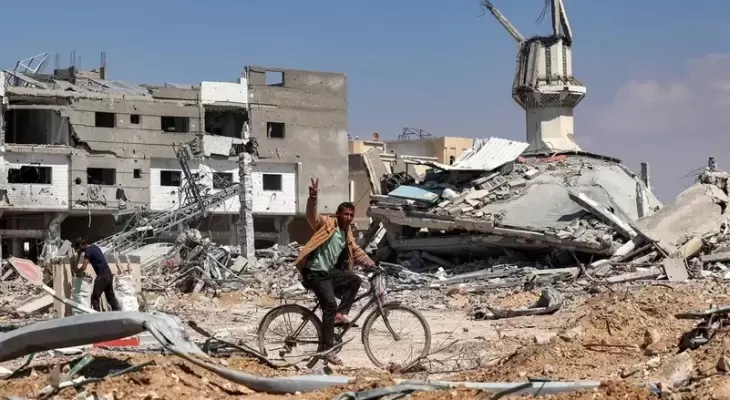
You can hardly find a woman in the Gaza Strip whose husband, son, brother, or father, sister and mother that have been killed as a result of Israel’s mass war on Gaza. Left without a spouse, the women of Gaza have suffered alone with extra additional burdens.
Since the beginning of Israel’s war of extermination, the women in Gaza have paid a heavy price, in blood, pain, sufferings and responsibilities. They were and still are the blood arteries of the homeland and national struggle according to a report by the Gaza-based Palestine Information Center.
The Gaza Ministry of Health reports that about 12,000 women were killed because of Israel’s aggression, in addition to the thousands of wounded and dozens of female prisoners since the war on the enclave begun soon after 7 October, 2023.
The ongoing genocidal war, which has entered its first year, casts a heavy shadow on these women as they are now required to fulfill obligations beyond their capacities.
Suad Abu Shamla
Forty-two year-old Suad Abu Shamla who was displaced from Gaza City to Deir al-Balah camp in the middle of the Gaza Strip says she lost her husband at the beginning of the war following the Israeli army raids on their residential area in the Zeitoun neighborhood.
She is now required to take care of her five children, provide them with food, drink, housing, and even move them around in light of the ongoing Israeli evacuation orders.
“After their father was martyred our lives was turned upside down. All the tasks that he made were automatically assigned to me, and I began to endure what could not have been endured, but I will continue, and this is a promise I made to myself.”
“I will continue on the path to raise and take care of my children, until they achieve their goals and dreams.
Lost support
In the Deir al-Balah Camp, Hajja Umm Ahmad Abu Mughsib, a widow for many years, and who lost her son in the extermination war, says with his martyrdom I lost my right hand, and my support after his father passed away.
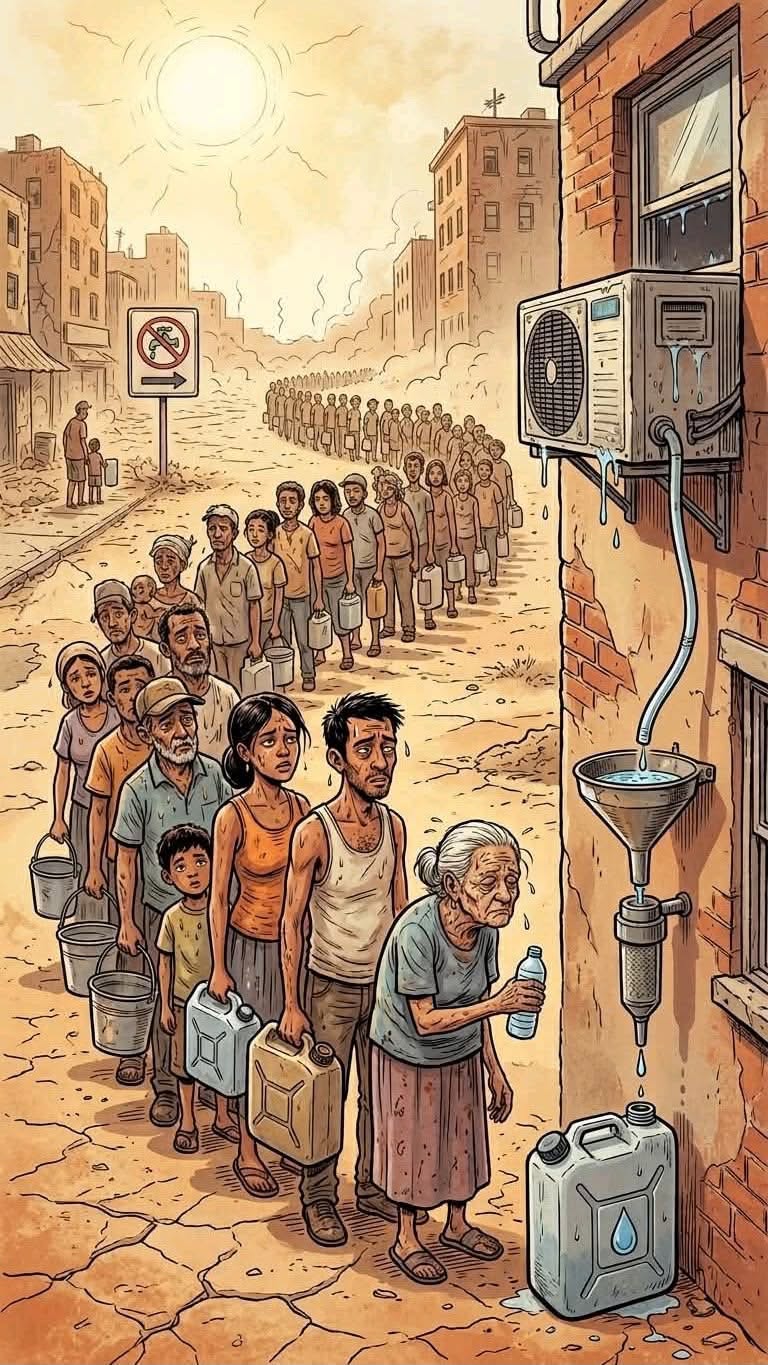
“I am required to do everything now, even those that men usually do like filling water, lighting fires to make bread, and search for energy sources,” she adds.
She explains the war placed difficult and heavy burdens on the women of Gaza, mountains of responsibilities but she stresses the women are up to the new tasks and will overcome their difficulties.
Multiple challenges
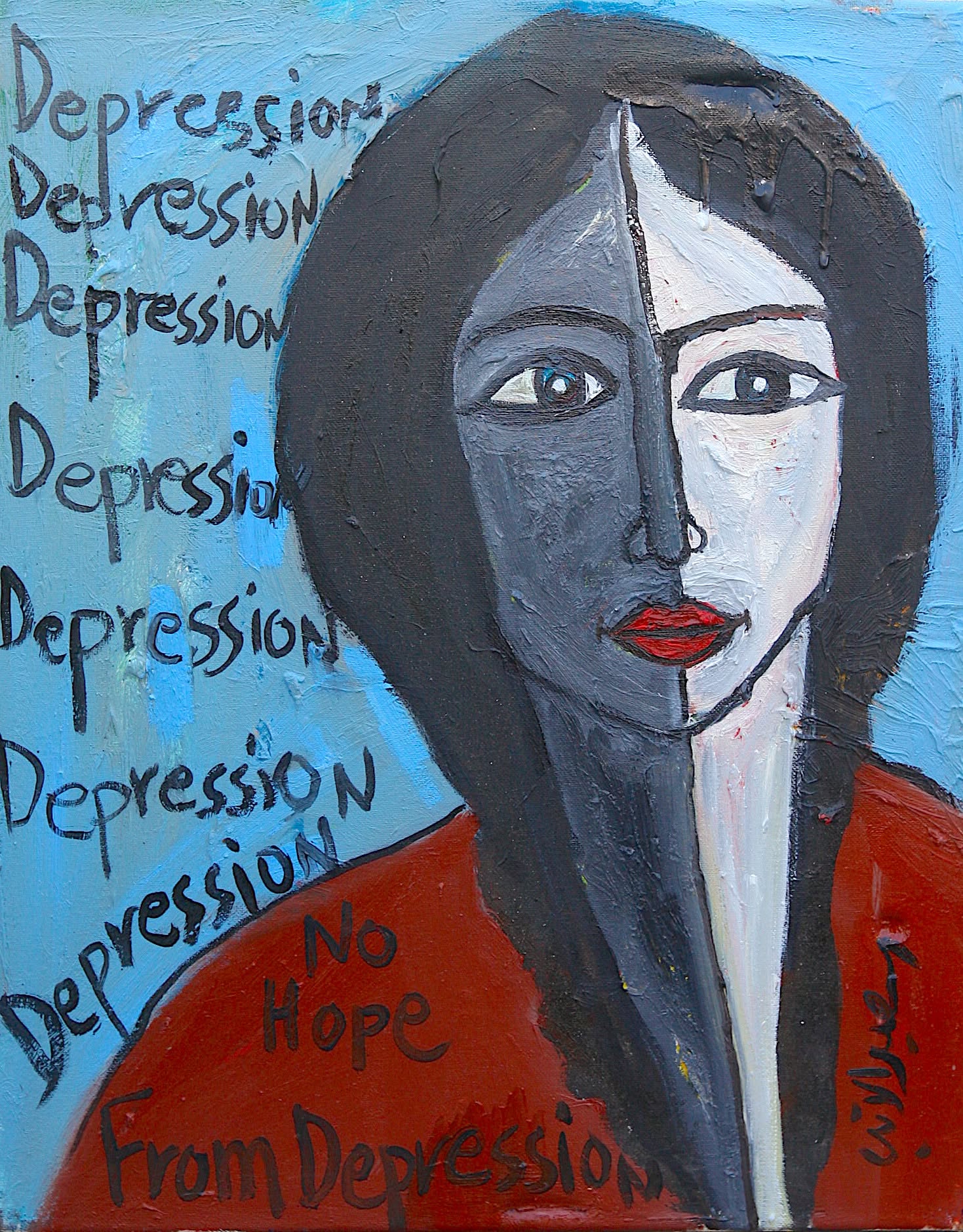
One of the biggest challenges facing women in Gaza is the lack of privacy as a result of overcrowding, whether in tents, shelters, or inside relatives’ homes. It imposed on them great psychological and health pressures including remaining veiled all the time, reducing their food and drink to avoid using toilets, which they have to wait in line for a long time in front of strangers and sleeping in rooms crowded with large numbers of women without beds.
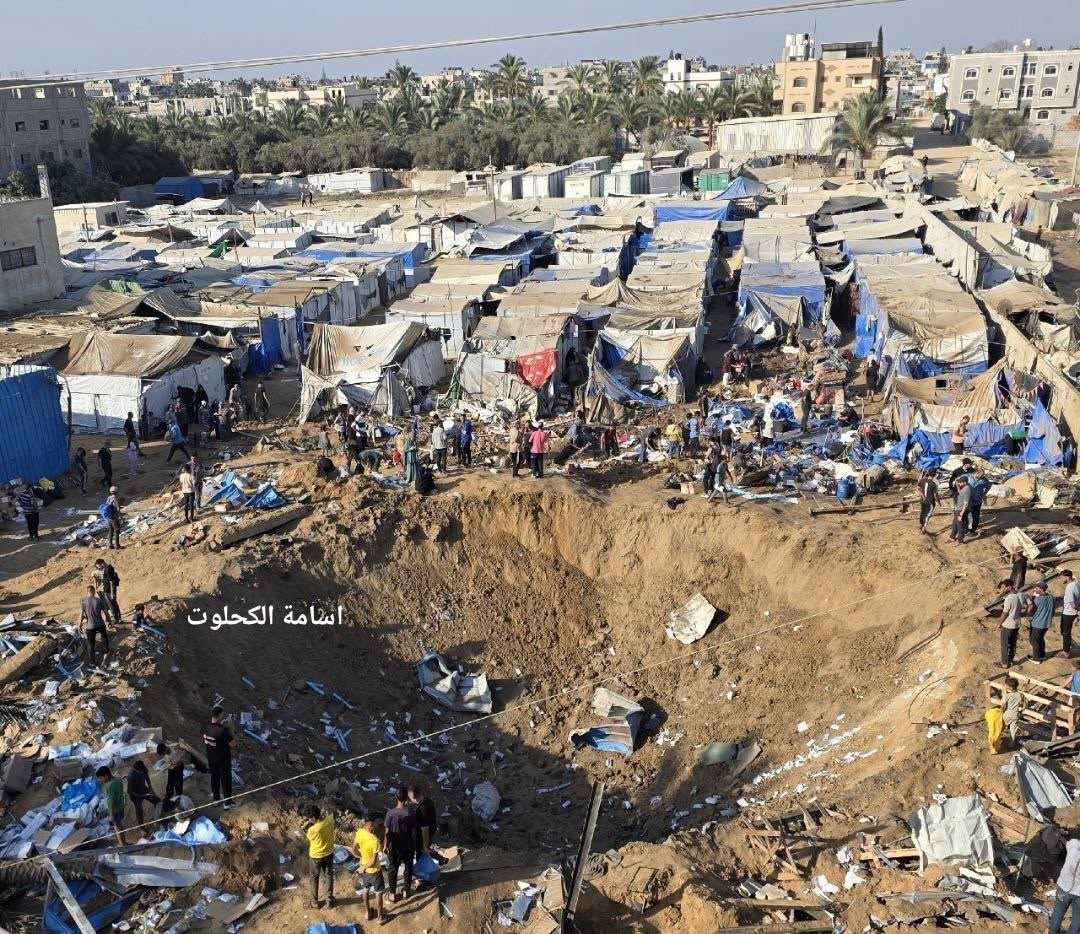
Today the biggest problem the women of Gaza are suffering from is homelessness, as 89% were displaced from their homes, 78% had their homes destroyed by the Israeli occupation, and 55% now live in public shelters. This is whilst 25.2% live in tents, 15.8% are hosted by neighbors or family members, whilst 1.4% live on the streets, according to figures by the Palestinian Empowerment Coorporation. These figures are expected to much higher.
Also about 75.9 percent of them face challenges in preparing food as women rely mainly on firewood to prepare food due to the scarcity of cooking gas and the inability of many of them to buy it when it is available.
According to the corporation the Israeli army forced thousands of women and girls to flee from the north of the Gaza Strip to the south on foot, covering a distance of 22 kilometers, amidst heavy gunfire from the occupation army, despite claims for their safety. However, while walking on Salah al-Din Street towards the south, they were surprised by the arrest of a large number of them and subjected to brutal practices.
They were stopped at the Netzarim checkpoint and kept in a deep hole for long hours with weapons pointed to their necks and heads. Those who survived and reached the south of the Gaza Strip found themselves homeless, facing great challenges, without a breadwinner or economic resources to continue.
Executions
During the displacement, the occupation army executed many people, including women and children. They were deliberately targeted while carrying white flags while fleeing to safer places.
Women are often executed with their family members, especially their children. An unknown number of women and children have disappeared in the northern Gaza Strip. Nothing has been heard of them till this day. Their bodies have not yet been found. There are children who have been separated from their parents and their whereabouts are still unknown to their relatives. Press reports have recorded at least one girl being forcibly transferred into the occupying state.
Torture of female detainees
In addition to physical extermination, Palestinian women in Gaza were subjected to humiliating human behavior by the occupation army.
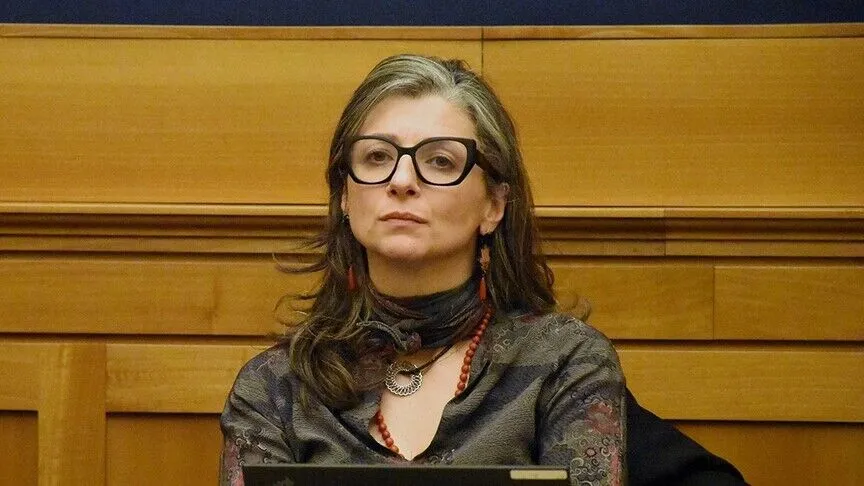
Reem Al-Salem, UN Special Rapporteur on Violence Against Women, revealed she received “horrific reports of women being stripped and photographed, especially during interrogation and soldiers exchanging photos among themselves and on the Internet,” which supports press reports and personal testimonies that speak of cases of assault and sexual harassment, arrests and deliberate killing of Palestinian women by Israeli officers.
Suffering of pregnant women
In the first months of the war, 50,000 pregnant women faced severe and painful material obstacles and health and psychological problems; there was 183 births daily without anesthesia and painkillers, due to the lack of medical and health services and the absence of doctors, nurses or midwives, and the lack of care during and after childbirth due to the difficulty of accessing assistance.
About 45,000 women were deprived of basic reproductive services and around 5,000 children born in extremely poor conditions. The war also caused life-threatening miscarriages due to the mother’s injury or fear, and premature births for the same reason. This is in addition to the killing of a number of mothers with their fetuses.
A large number of pregnant women gave birth in camps and in places unsuitable for childbirth whilst 40 percent of pregnant women were at risk of poisoning and infections. Those who needed a caesarean section underwent it without anesthesia, disinfectants, or antibiotics to treat postpartum infections, in addition to challenges in obtaining adequate medical care, nutrition, and postpartum care.
Statistics show the rates of miscarriage and premature birth in Gaza rose by 20 percent since the beginning of the war soon after 7 October, 2023.
The United Nations Population Fund estimates that “840 women in Gaza are exposed to complications related to pregnancy or childbirth.”
If mothers overcome these risks during pregnancy and childbirth safely and are not killed by Israeli bombing, they are certain to face the risk of lack of medical care, malnutrition and hunger later on.
The restrictions imposed on the entry of humanitarian aid to Gaza have mainly harmed women and their children, and therefore pregnant and those that are breast feeding face severe health and nutritional risks that automatically affect their newborns and babies.
According to identical testimonies, there is no clean water to drink, no adequate food to feed their babies, no baby formula to make up for this shortage, and even if formula could be found, there is no safe water to mix with the milk to give to a hungry baby.
Mothers also do not have warm, suitable clothes for their newborns, as mothers have been forced to flee and leave behind their belongings, including everything related to children’s needs.
Access to aid
Among the challenges facing women in Gaza is access to food aid. When it is available, women, especially those who are alone, only get scraps, due to jostling, running, and severe crowding, and women’s limited ability to reach the distribution sites quickly. Photos and videos during the “attack” on airdropped aid, for example, or during food distribution, show the absence or scarcity of women.
According to UN reports, “about 2.1 million Palestinians are in need of humanitarian assistance with 49.2% of them being women, and 9 out of 10 women suffer from difficulty in obtaining food more than men.”
The lack of sanitary products is a serious problem for Gazan women, such as sanitary pads, which forces them to use pieces of cloth and used clothing during menstruation or after childbirth, which greatly increases their risk of contracting reproductive and bacterial diseases.
This shortage is accompanied by the lack of showers, toilets, washing water, and basic necessities for these special cases.
Despite all these tragedies, the women of Gaza remain steadfast, covering themselves with the skies and sleeping on the ground, refusing to submit and looking forward to a better day and divest themselves from the occupation.