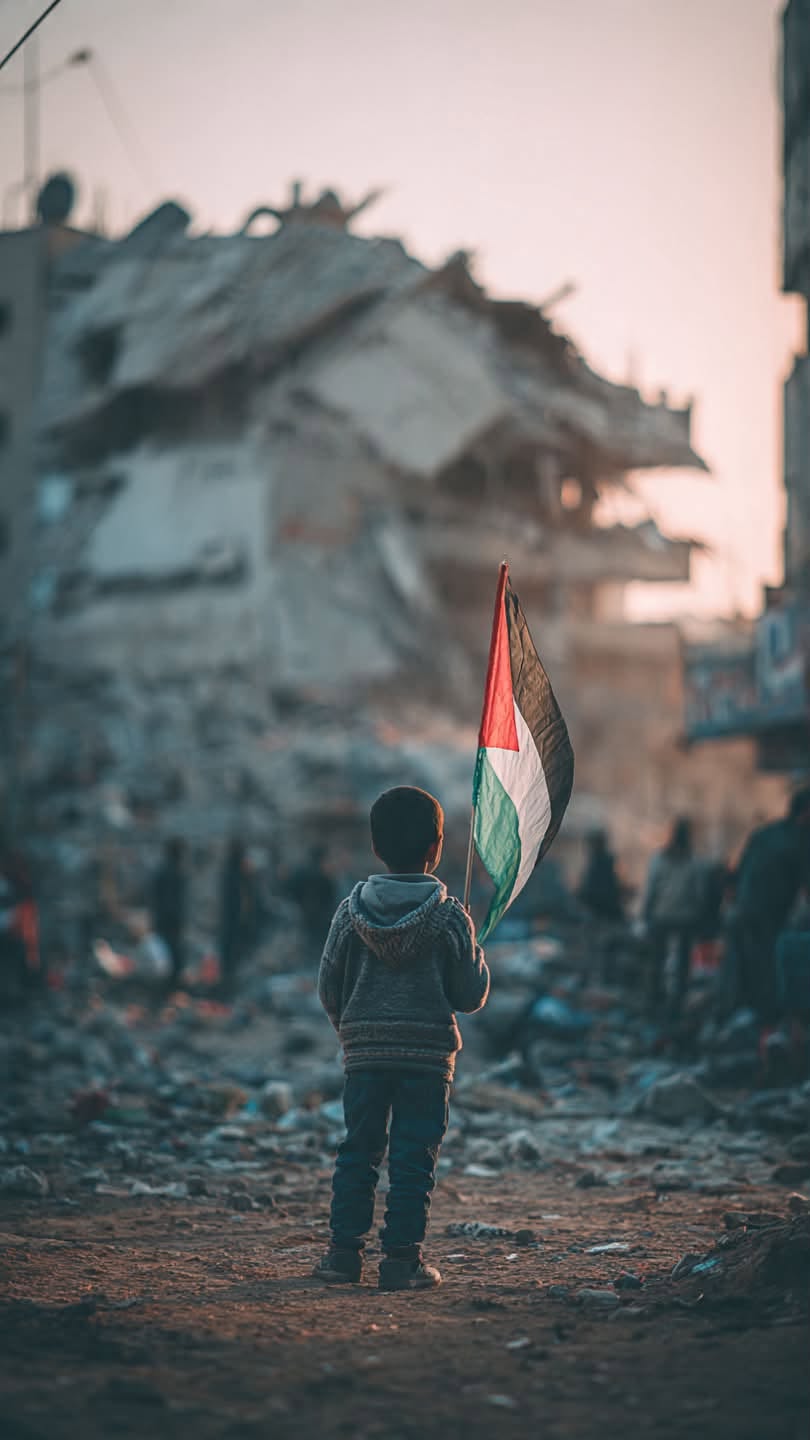
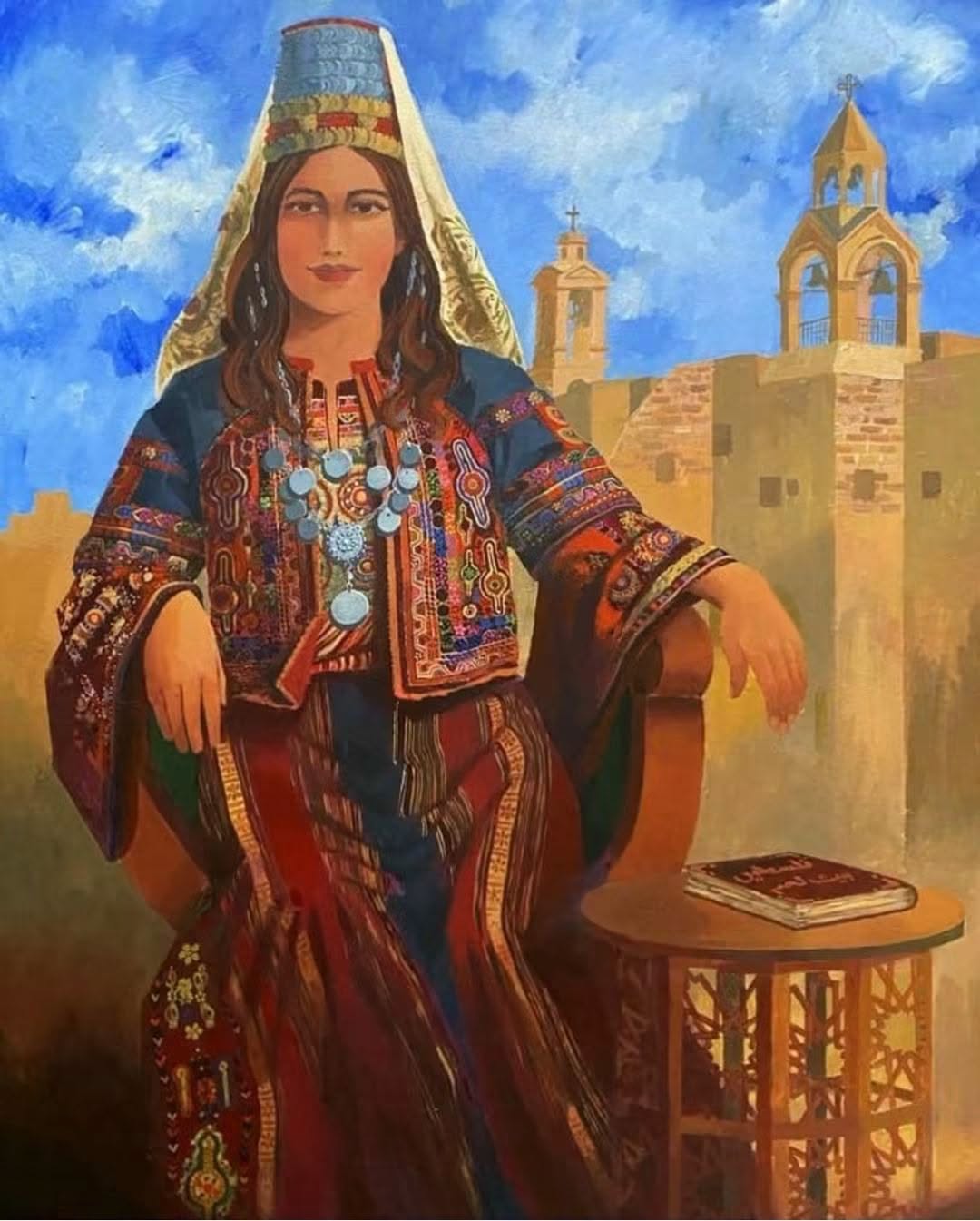
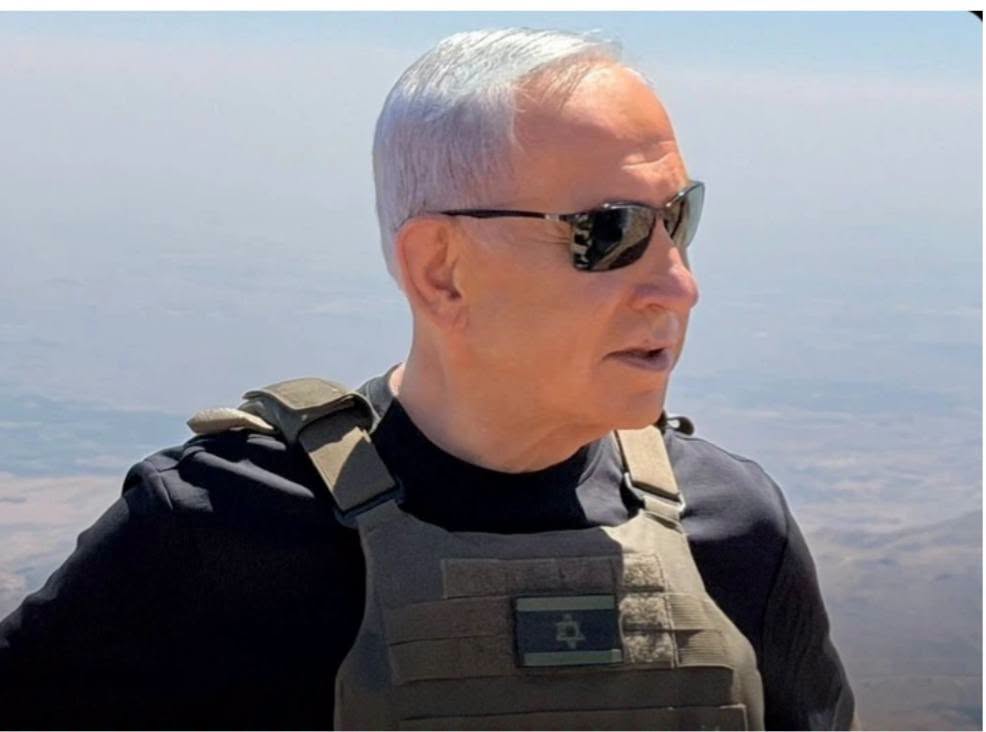
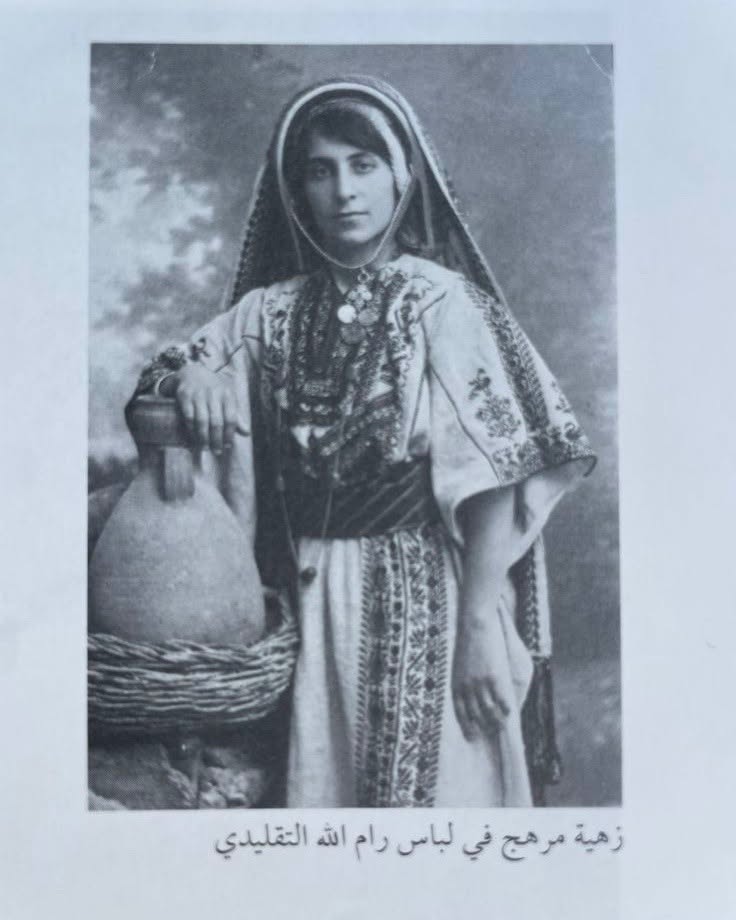
Trending News:Remains of Journalist Doaa Al Sharaf Recovered After 3 YearsOn a 1932 US Passport: ‘Jerusalem, Palestine’Netanyahu, Mount Hermon and Arab SilenseDon’t Let The Flag DownArt in HistoryThe Dress of RamallahSalman Abu Sitta: Safeguarding Palestinian MemoryWoman From BethlehemFree PalestineWoman of The VineyardsTrumpaplooza! View from AmmanNAZA: When Israel’s Killing Machine Speaks in Its Own VoiceTents by The Sea!Pain…Israel Punishes Britain, a State that Led to its CreationBattle for Hormuz: How Iran Found America’s Achilles HeelPalestinians Slam Adidas For Pro-Israel PR CampaignThe Other Exodus: How War, Politics and Insecurity Are Driving Israelis AbroadIsrael Strikes at House, Kills Family of FourA Morning WhisperFares Odeh: Come on!Keys of Return and HopeA Palestinian Hospital in Yafa, 1933Gaza Underground – A NovelSilhouettes: On The BeachThe Dove, Woman and The Orange TreeAscend to The SkiesKilling Happiness!Israel Kills Schoolgirl, Her Dad in Gaza on First Day of SchoolIbrahimi Mosque Without ‘Call to Prayer’ For 76 DaysIsrael Orders Closure of The UK Consulate in East JerusalemPalestinian Ladies, Nazareth 1940‘Stolen Childhood’‘I am Still Alive’Soul of GazaWith Many Men Killed, 86,000 of Gaza Households Are Headed by Women – UN EstimatesPain, Dreams and HopeLost Kids of Gaza!Smotrich Calls For Expulsion of UK Ambassador in Tel AvivIn Gaza, Even the Tent Is Temporary: Families Who Have Fled 5, 10, 15 TimesGaza’s Widows: When Grief Becomes the Family’s Only BreadwinnerAutumn Papers: Palestinians Must Sieze The MomentHRF Files Criminal Complaint Against Israeli FM in SloveniaEx-Israeli PM: Burning Homes With Arabs Inside is “Terrorism”‘When Will They be Buried’? Families Search For Their Loved Ones Under The RubbleIraqi Book Fair: 600 Publishers From 28 CountriesKeeping The Palestinian Narrative Alive Via Its GenerationsExodus: 94% of Israeli Doctors Are LeavingSea Secrets: Water Among The RuinsMass Funeral: Gaza Buries 100 Martyrs76 Killed: 2026 Deadliest Year in The West BankBeautiful Tulkarem: Dreams Not For Dying‘Why Did You Kill Our Daughter’Children of JeninIsraeli Soldiers Tell Kindergarten Teacher ‘No School For You’Good Morning From The Sea of GazaIsraeli Forces Raid Two West Bank SchoolsAnother School Year: 846,000 West Bank Students Sit at Their Desks Again!Good Morning to The Toilers of Our Land!Miserable Year: Gaza Pupils Simply Have No Schools to Go to Thanks to IsraelKites Flown in 11 Dutch Cities For Kids in GazaHuckabee in Turmus Ayya, Calls Settler Attacks ‘Terrorism’Israel Forcibly Displaced Three Camps – UNIsraeli Officials Snub Trump’s Plan For GazaThe Firewood GathererThe Gaza Curse? Israel’s Water Crisis and the Pollution That Refuses to Respect BordersIsraeli Kills 5, Injures 24 in Strikes on LebanonPupils in Safad, 1944Searching For Water Amid The Rubble‘Every Face is a Story’So Many Kids, So Many Expressions!”1000 Martyrs Cup: Palestinian Football Back on The PitchPalestinian Women, Makers of HistoryAya Isleem: ‘We Are Tired of The War’‘These Are Your Israeli Soldiers’Welcome to Gaza: ‘We Are Not Leaving’A Woman From GazaBalcony of LifeWho is Afraid of Palestinian Revolutionary Art?In The Past: Za’atar Coffee Shop in JerusalemSweet Tooth in Damascus GateA Life After The War!Beit Sahour Family, 1930Civil Defense Recovers 55 Bodies Under Debris of Gaza BuildingGideon Levy on 7 OctoberJordan Appoints New Army ChiefKey of ReturnScene From GazaFighting For Water!A Tribute to a CartoonistMom, Kids in CharcoalHussam Abu Safiya: The Doctor HostageThe Girl, The Smile and The SlipperBlair Asked PA to Remove Palestine From TextbooksTeacher’s Cartoon Not to ForgetThe Broom SellerSummer MadnessMartyred After Engaging An Israeli ForceKids of The SeaPalestinian Dresses & Heritage
Trending News:Remains of Journalist Doaa Al Sharaf Recovered After 3 YearsOn a 1932 US Passport: ‘Jerusalem, Palestine’Netanyahu, Mount Hermon and Arab SilenseDon’t Let The Flag DownArt in HistoryThe Dress of RamallahSalman Abu Sitta: Safeguarding Palestinian MemoryWoman From BethlehemFree PalestineWoman of The VineyardsTrumpaplooza! View from AmmanNAZA: When Israel’s Killing Machine Speaks in Its Own VoiceTents by The Sea!Pain…Israel Punishes Britain, a State that Led to its CreationBattle for Hormuz: How Iran Found America’s Achilles HeelPalestinians Slam Adidas For Pro-Israel PR CampaignThe Other Exodus: How War, Politics and Insecurity Are Driving Israelis AbroadIsrael Strikes at House, Kills Family of FourA Morning WhisperFares Odeh: Come on!Keys of Return and HopeA Palestinian Hospital in Yafa, 1933Gaza Underground – A NovelSilhouettes: On The BeachThe Dove, Woman and The Orange TreeAscend to The SkiesKilling Happiness!Israel Kills Schoolgirl, Her Dad in Gaza on First Day of SchoolIbrahimi Mosque Without ‘Call to Prayer’ For 76 DaysIsrael Orders Closure of The UK Consulate in East JerusalemPalestinian Ladies, Nazareth 1940‘Stolen Childhood’‘I am Still Alive’Soul of GazaWith Many Men Killed, 86,000 of Gaza Households Are Headed by Women – UN EstimatesPain, Dreams and HopeLost Kids of Gaza!Smotrich Calls For Expulsion of UK Ambassador in Tel AvivIn Gaza, Even the Tent Is Temporary: Families Who Have Fled 5, 10, 15 TimesGaza’s Widows: When Grief Becomes the Family’s Only BreadwinnerAutumn Papers: Palestinians Must Sieze The MomentHRF Files Criminal Complaint Against Israeli FM in SloveniaEx-Israeli PM: Burning Homes With Arabs Inside is “Terrorism”‘When Will They be Buried’? Families Search For Their Loved Ones Under The RubbleIraqi Book Fair: 600 Publishers From 28 CountriesKeeping The Palestinian Narrative Alive Via Its GenerationsExodus: 94% of Israeli Doctors Are LeavingSea Secrets: Water Among The RuinsMass Funeral: Gaza Buries 100 Martyrs76 Killed: 2026 Deadliest Year in The West BankBeautiful Tulkarem: Dreams Not For Dying‘Why Did You Kill Our Daughter’Children of JeninIsraeli Soldiers Tell Kindergarten Teacher ‘No School For You’Good Morning From The Sea of GazaIsraeli Forces Raid Two West Bank SchoolsAnother School Year: 846,000 West Bank Students Sit at Their Desks Again!Good Morning to The Toilers of Our Land!Miserable Year: Gaza Pupils Simply Have No Schools to Go to Thanks to IsraelKites Flown in 11 Dutch Cities For Kids in GazaHuckabee in Turmus Ayya, Calls Settler Attacks ‘Terrorism’Israel Forcibly Displaced Three Camps – UNIsraeli Officials Snub Trump’s Plan For GazaThe Firewood GathererThe Gaza Curse? Israel’s Water Crisis and the Pollution That Refuses to Respect BordersIsraeli Kills 5, Injures 24 in Strikes on LebanonPupils in Safad, 1944Searching For Water Amid The Rubble‘Every Face is a Story’So Many Kids, So Many Expressions!”1000 Martyrs Cup: Palestinian Football Back on The PitchPalestinian Women, Makers of HistoryAya Isleem: ‘We Are Tired of The War’‘These Are Your Israeli Soldiers’Welcome to Gaza: ‘We Are Not Leaving’A Woman From GazaBalcony of LifeWho is Afraid of Palestinian Revolutionary Art?In The Past: Za’atar Coffee Shop in JerusalemSweet Tooth in Damascus GateA Life After The War!Beit Sahour Family, 1930Civil Defense Recovers 55 Bodies Under Debris of Gaza BuildingGideon Levy on 7 OctoberJordan Appoints New Army ChiefKey of ReturnScene From GazaFighting For Water!A Tribute to a CartoonistMom, Kids in CharcoalHussam Abu Safiya: The Doctor HostageThe Girl, The Smile and The SlipperBlair Asked PA to Remove Palestine From TextbooksTeacher’s Cartoon Not to ForgetThe Broom SellerSummer MadnessMartyred After Engaging An Israeli ForceKids of The SeaPalestinian Dresses & Heritage
Dr. Marwan Asmar holds a PhD from Leeds University and is a freelance writer specializing on the Middle East. He has worked as a journalist since the early 1990s in Jordan and the Gulf countries, and been widely published, including at Albawaba, Gulf News, Al Ghad, World Press Review and others.

 CrossFireArabia