CrossFireArabia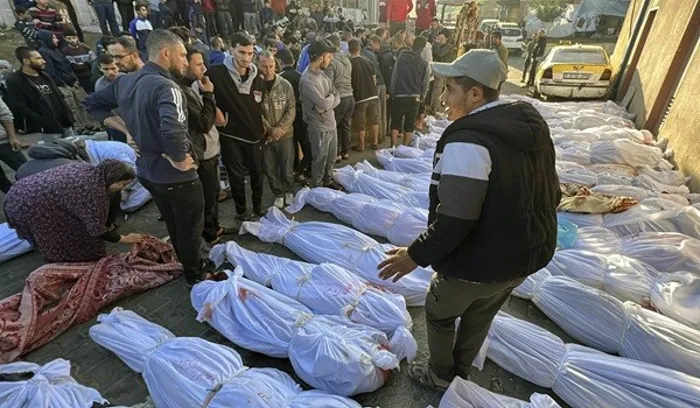
We have received several inquiries from our readers, some asking, while others protesting, that the numbers of casualties resulting from the Israeli genocide in Gaza, which we update on a daily basis, underestimates the actual number of people killed.
But is this the case?
At the start of the Israeli genocide in Gaza, Western officials and media immediately began questioning the numbers produced the Palestinian Health Ministry in Gaza.
Even media that is purportedly sympathetic to the Palestinian cause would often qualify that the Ministry of Health in Gaza is affiliated with Hamas, as to indicate that they are not responsible for the accuracy of the information produced by the ministry.
Ultimately, this culminated in the statement by US President Joe Biden, who claimed on October 26, 2023, that he had “no confidence in the number that the Palestinians are using” for the death toll in Gaza.
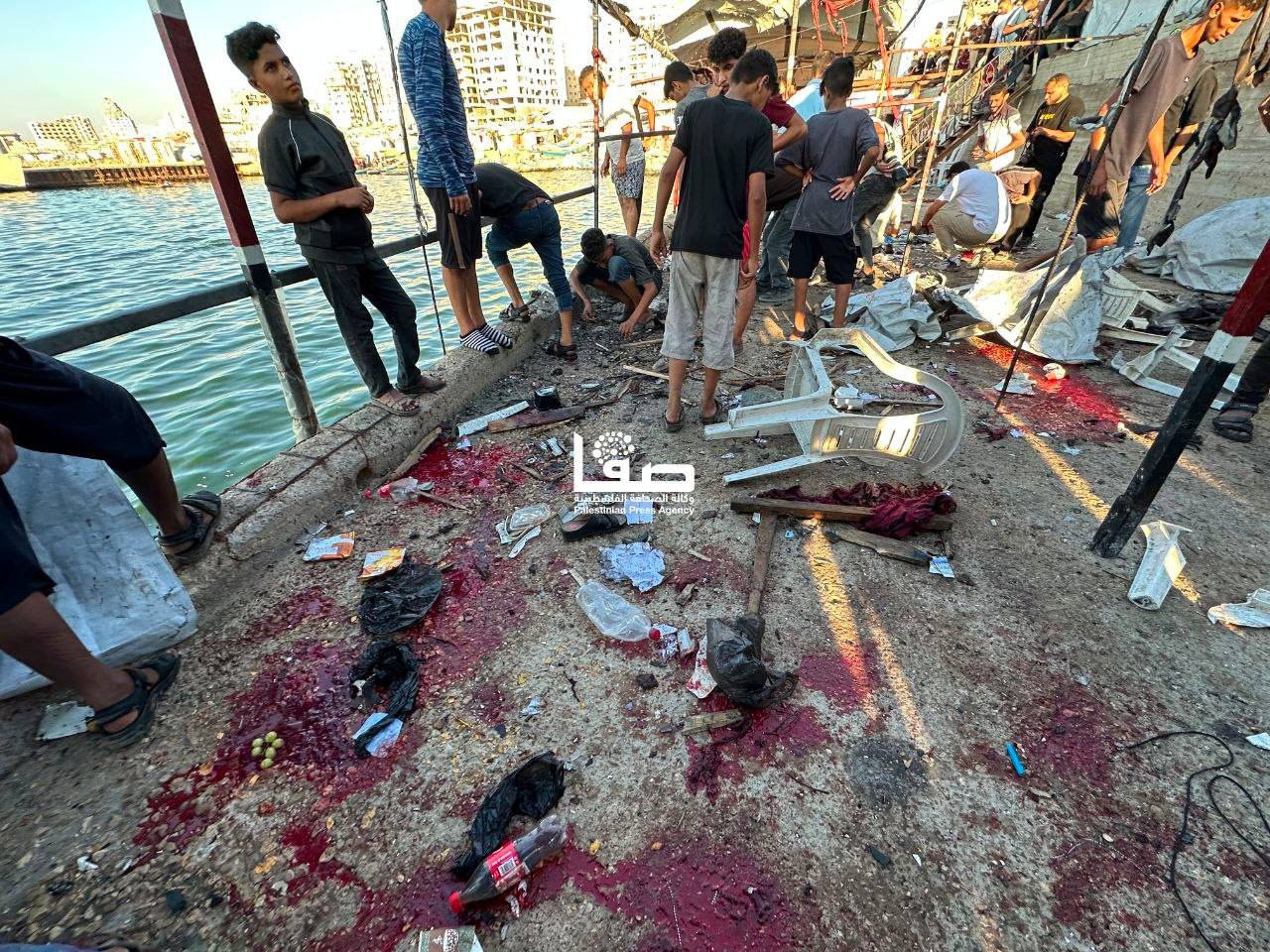
Quickly, however, western media propaganda began faltering before the horrific images witnessed in Gaza on a daily, in fact, hourly basis.
With time, the Palestinian version of events prevailed, to the extent that on February 2, US Secretary of Defense Lloyd Austin answered a pinned-pointed question at a Senate hearing about how many Palestinian women and children had been killed by Israel by saying: “It is over 25,000.”
Since then, the Ministry of Health numbers became the accepted as the official numbers of the ongoing Israeli atrocities.
But how does the Ministry of Health obtain its numbers?
It is understandable that the Ministry of Health’s numbers are greatly underestimated. This is because the ministry only confirms a casualty, be it dead or injured, when a person arrives at any given hospital or clinic that is supervised by the ministry. Only when an official record is established, a casualty is counted as such.
This explains why anywhere between 10,000 to 11,000 continue to be counted as missing. But even the number is greatly undercounted, because, according to the methods of the ministry, someone would have to officially be registered as missing by a relative, in order for that number to be added to the ever-growing list.
There are many who have gone missing, without being officially counted as such simply because either whole families have been killed together or many of the survivors have no access to the Ministry of Health itself, or the Red Cross to report the loss of loved ones.
Additionally, there are many thousands who have perished due to easily curable diseases, polluted water, starvation, lack of access to basic treatments – these include cancer patients, heart patients, among other chronic or terminal illnesses – and those who have died and have been buried without being accounted for as victims of the Israeli genocide.
This takes us to the Lancet’s numbers. On July 10, the Lancet Medical Journal reported that due to its accumulative and indirect effects, “it is not implausible to estimate that up to 186 000 or even more deaths could be attributable to the current conflict in Gaza”. That number, however, covered the period between October 7, 2023, and July 31, 2024.
Other numbers have also popped up, suggesting that even the Lancet has underestimated the casualties due to new variables, thus estimating the casualties at 200,000 or more.
So why is the Palestine Chronicle – and many other outlets – continue to use Ministery of Health numbers?
Though we agree that the number of casualties is much closer to the new projections above, we chose to follow the official data produced by Palestinian doctors and medical workers who are reporting from the heart of the genocide.
This is not to suggest that outside sources have no credibility, – to the contrary – but it is only fit, and moral to allow the Palestinians not only to convey their own truths about the Israeli genocide, but also to account for their own dead as well. At the end of the war, final numbers will be produced, and we will report on that as well.
Additionally, a clear distinction should be made between projections and confirmed numbers. The former looks at many variables, including, in the case of the Lancet, starvation, lack of access to healthcare, and rapid spread of diseases. The latter, however, estimates based on a criterion, as mentioned above, where the dead and wounded would have to be accounted for by name and in official documents.
Therefore, while we frequently report on the projections, the casualty numbers that we confirm are the ones by the Gaza Ministry of Health.

 Heba
Heba