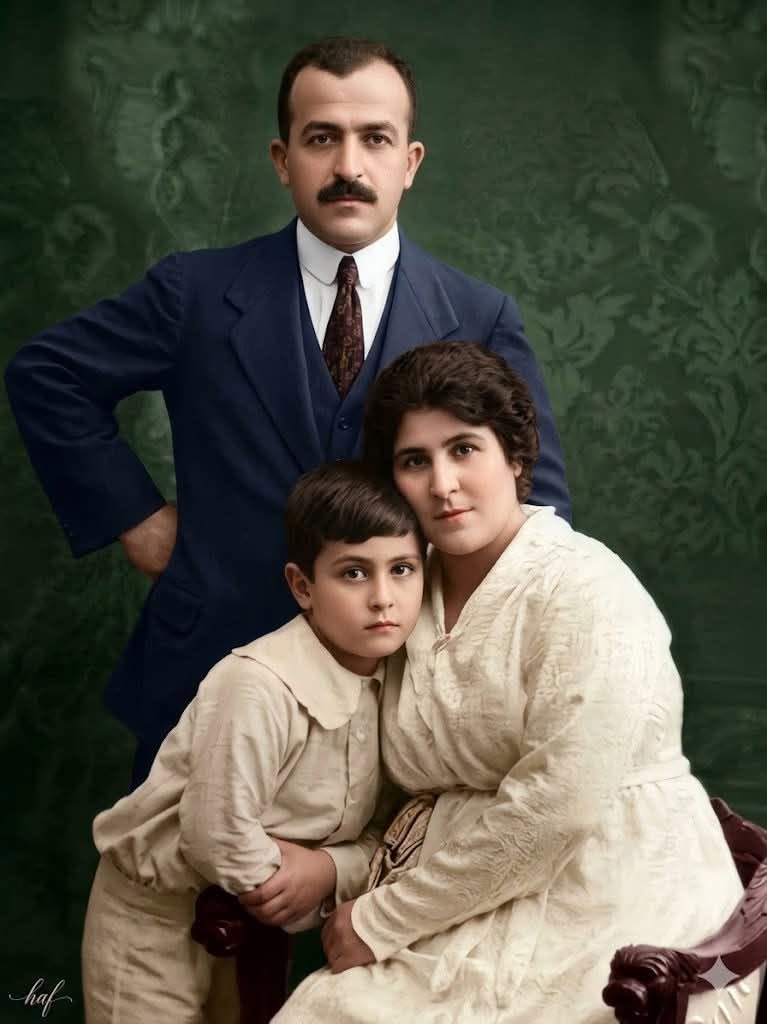
The late Palestinian writer and author Khalil al-Sakakini, his wife Sultana Abdo, and their son Sari. This picture was taken in Jerusalem in 1920

 CrossFireArabia
 The late Palestinian writer and author Khalil al-Sakakini, his wife Sultana Abdo, and their son Sari. This picture was taken in Jerusalem in 1920

 Heba
Heba
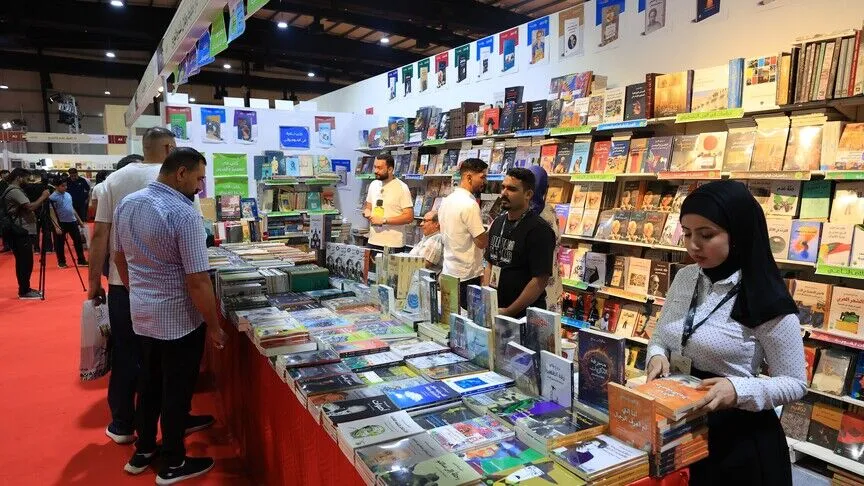
The 27th Baghdad International Book Fair has attracted more than 600 local, Arab and international publishing houses and agencies from 28 countries, marking the largest international participation in the event’s history, an organizer said Sunday. The participating countries include 17 Arab and 11 non-Arab states alongside research and scientific institutions, Abdul Wahab al-Radi, head of the fair’s organizing committee, told Anadolu. He said the fair features numerous cultural activities, while participating publishers are showcasing “tens of thousands of recent publications” across its halls. Al-Radi also highlighted the strong turnout of Iraqi visitors seeking to purchase newly published books. He said the attendance demonstrated Iraqi readers’ interest in “the latest international, Arab and Iraqi publications,” helping broaden their knowledge, learning and culture. The fair also carries “another message to the world: that Iraq is well and Baghdad is well,” he added. Al-Radi said the strong attendance reflected the importance of reading and culture to the Iraqi public. The fair opened on Sept. 2 and will run until Sept. 12. According to Al-Radi, the participation of 28 countries is the highest number recorded in the fair’s history.
CrossFireArabia
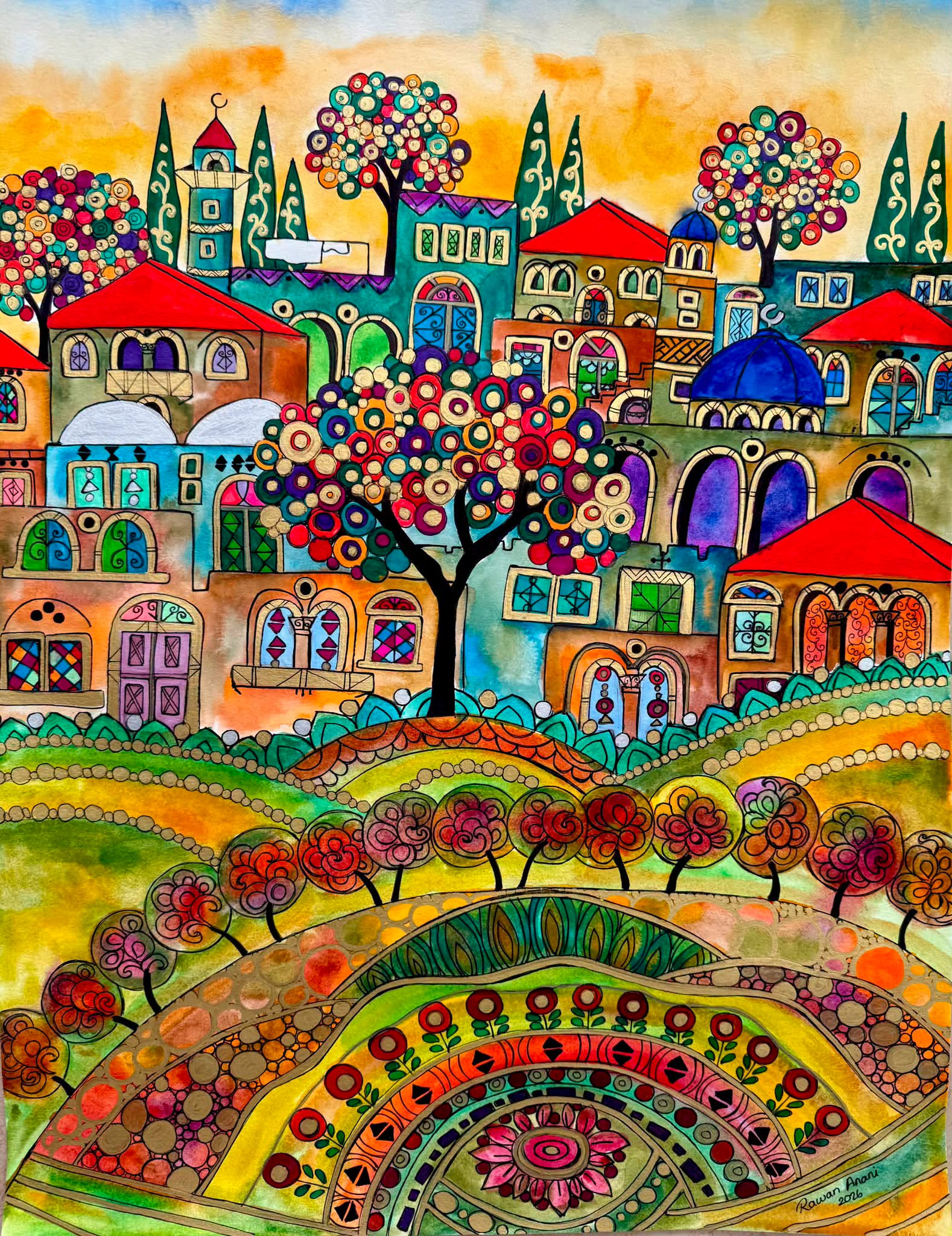
A beautiful painting of Tulkarem in water colors carrying much symbolism of a Palestinian city that seeks to drench itself from Israeli occupation.