Ireland Passes Bill to Ban Imports From Israeli Settlements

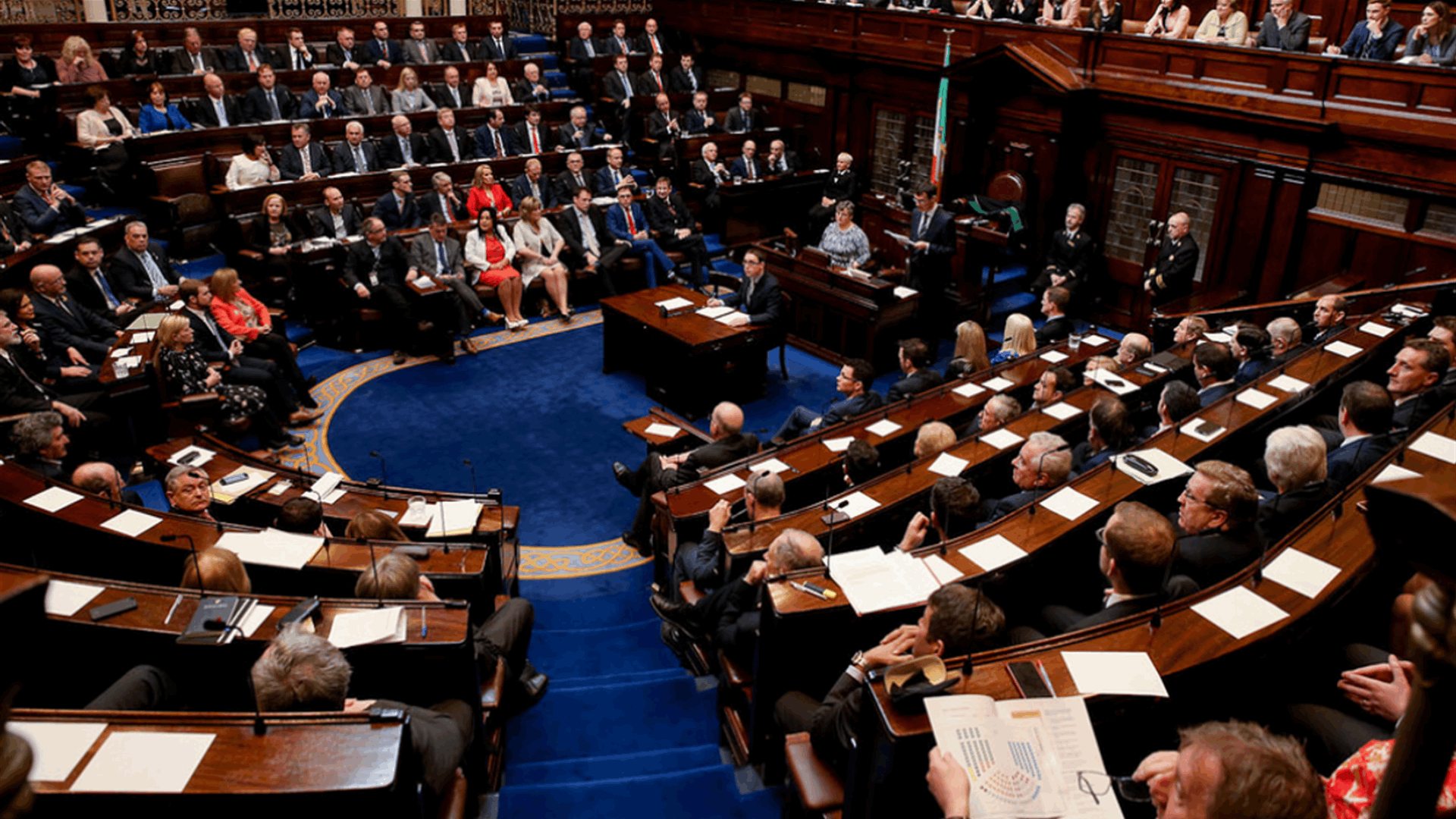
The Irish Parliament has passed a bill banning the import of goods from Israeli settlements in the occupied Palestinian territories. This a first for a country in the European Union, although its expected economic impact is likely to be limited many argue.

The bill prohibits the import of goods produced in Israeli settlements that are strewn across the occupied West Bank. The bill includes a ban on agricultural, commercial, and other products. The legislation is now scheduled to go to the Senate for final approval before coming into effect.

The Irish government stated that the bill was based on the 2014 advisory opinion of the International Court of Justice, which ruled that Israel’s occupation of the West Bank, including East Jerusalem, and the Gaza Strip is illegal under international law.

Ireland continues to take a hard line against the Israeli occupation. It recognized the State of Palestine in 2014 and last month barred Israeli National Security Minister Itamar Ben-Gvir and Finance Minister Bezalel Smotrich from entering the country due to their stances and actions toward activists on the “Global Steadfastness Flotilla.”

For its part, Israel closed its embassy in Dublin at the end of last year, accusing the Irish government of pursuing “hostile policies.”

Dublin has also been calling for a review of the EU-Israel Association Agreement, which forms the basis of trade relations between the two sides. The EU announced last month that it was considering options to restrict trade with settlements, but a lack of consensus among member states prevented further action.

Despite the political implications of the decision, the economic impact of the bill is expected to be limited. Irish imports from Israeli settlements did not exceed €1 million between 2020 and 2024 and were limited to goods such as fruits, vegetables, and timber.

Opposition MPs criticized the bill, arguing that it was insufficient because it did not include trade in services. The government, however, maintained that imposing restrictions on services faced legal complexities and that it preferred to pass actionable legislation at this stage, with the possibility of expanding its scope in the future according to Quds Press.

  • CrossFireArabia

    CrossFireArabia
    Dr. Marwan Asmar holds a PhD from Leeds University and is a freelance writer specializing on the Middle East. He has worked as a journalist since the early 1990s in Jordan and the Gulf countries, and been widely published, including at Albawaba, Gulf News, Al Ghad, World Press Review and others.

    Related Posts

    Gaza: Lolo Heriz Finally Buried After 975 Days

    After she was killed in an Israeli airstrike, the body of Palestinian bride Lolo Heriz was recovered from beneath the rubble of her family home in Gaza. Lolo was killed on 18 December, 2023, alongside members of her family.

    Continue reading
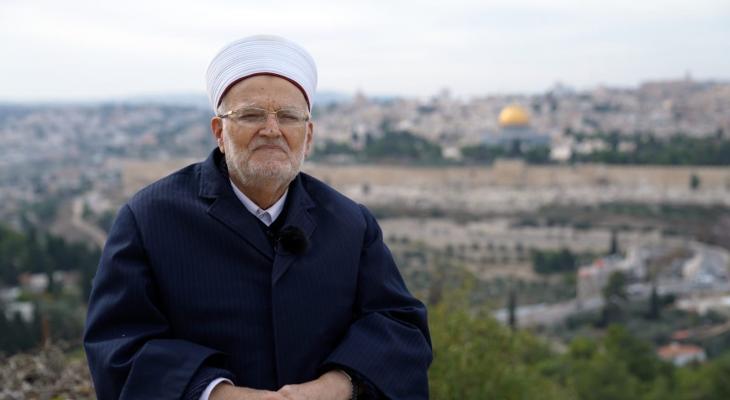
    57th Year of Al Aqsa Burning: ‘The Fire Continues’ Ekrima Sabri Warns

    The ex-Mufti of the Al-Aqsa Mosque, Sheikh Ekrima Sabri, affirmed that the fire that engulfed the mosque in 1969 has not been extinguished, for it continues till this day, with its scope expanding, targeting the entire city of Jerusalem, its geography, demographics, and its Arab and Islamic identity.

    On the anniversary of the Al-Aqsa fire, which falls on Friday, Sheikh Sabri explained to Sanad News that the flames that consumed parts of the Qibli prayer hall 57 years ago are now taking on more complex forms through systematic Israeli policies targeting the Palestinian presence, tightening the noose around its residents, and threatening homes with demolition to forcibly impose a new reality.

    He pointed out that what is happening in the neighborhoods and areas surrounding the mosque is a direct continuation of that historic fire, adding: “In 1969, the flames were visible inside the mosque, but today the fire is wider; we see it in the homes threatened with demolition, in the families facing displacement, and in the attempts to change the face of Jerusalem.”

    He explained the danger does not stop at home threatened here and there, or a family being targeted. He said  today “every Jerusalemite home is being threatened with demolition and every family is threatened with displacement..”

    He stressed the Al-Aqsa Mosque is not merely a building separate from its surroundings, but it is an integral part of the city’s history, and that targeting the surrounding towns is a direct attack on its status and identity.

    Sheikh Sabri warned against treating the anniversary of the fire as just a historical event to be commemorated once a year. He emphasized that the essence of the crime remains present and ongoing as long as there are Israeli dangers that threaten the holy sites and the city.

    He said the Palestinian people and the Arab and Islamic nations must keep the issue of Jerusalem and Al-Aqsa active in their consciousness and actions, and not to allow the ongoing attacks to become normative or accepted as facts on-the-ground.

    “That fire which has since been consuming the Arab identity of the city and the mosque will only be extinguished by the will and steadfastness of the Palestinian people. Fire can burn stone, but it cannot burn the identity of Al-Aqsa, the memory of Jerusalem, or the will of a people clinging to their land.”

    On 21 August, 1969, the Australian extremist Denis Michael Rohan stormed the Al-Aqsa Mosque compound through the Al-Ghawanimah Gate and set fire to the Qibli prayer hall. The fire consumed a large part of the mosque, including the pulpit of Saladin, which holds immense historical and cultural value.

    Despite attempts by the Israeli occupation authorities at the time to provide an excuse for the crime and claim the fire was caused by an electrical short circuit, technical and engineering reports prepared by Arab engineers definitively proved it was deliberate and premeditated.

    That incident sparked widespread international condemnation, with the UN Security Council issuing a resolution condemning it. It also ignited widespread anger in the Arab and Muslim worlds, leading to the establishment of the Organization of the Islamic Conference (now the Organization of Islamic Cooperation).

    Rehabilitation and restoration work on the Qibli prayer hall began a year after the fire and continued until 1986, while a temporary iron pulpit remained in the mosque until 2006, when a new pulpit was installed that was exactly identical to the historical pulpit that was set on fire.

    #Occupation Attacks, #Sheikh Akrama Sabri, #Displacement of Jerusalemites, #Al-Qibli Mosque, #Anniversary of the Burning of Al-Aqsa Mosque, #Anniversary of the Al-Aqsa Fire, #Al-Aqsa Burning 1969

    Continue reading

    You Missed

    Gaza: Lolo Heriz Finally Buried After 975 Days

    Gaza: Lolo Heriz Finally Buried After 975 Days

    57th Year of Al Aqsa Burning: ‘The Fire Continues’ Ekrima Sabri Warns

    57th Year of Al Aqsa Burning: ‘The Fire Continues’ Ekrima Sabri Warns

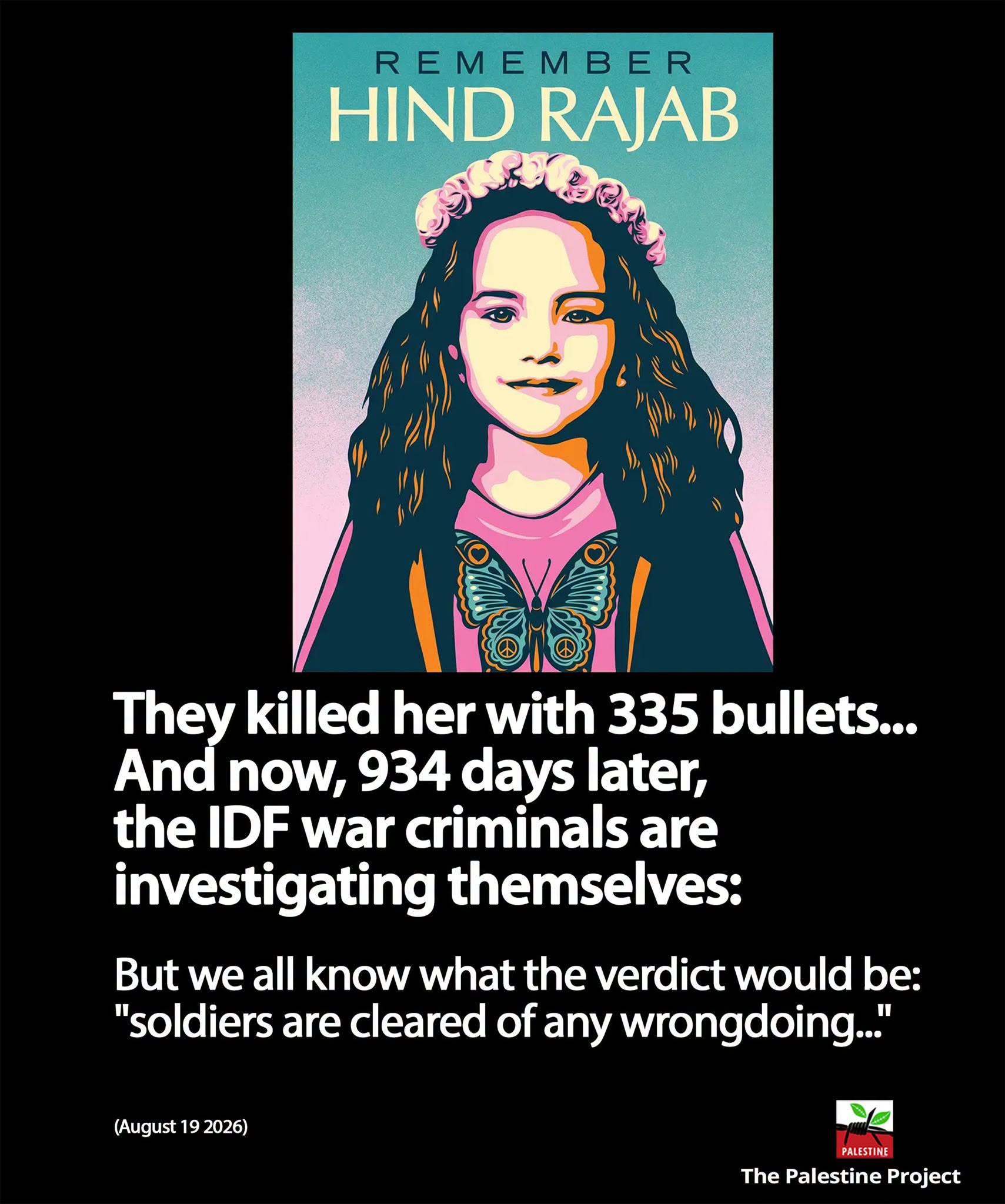
    Remember Hind Rajab

    • By Heba
    • August 20, 2026
    • 8 views
    Remember Hind Rajab

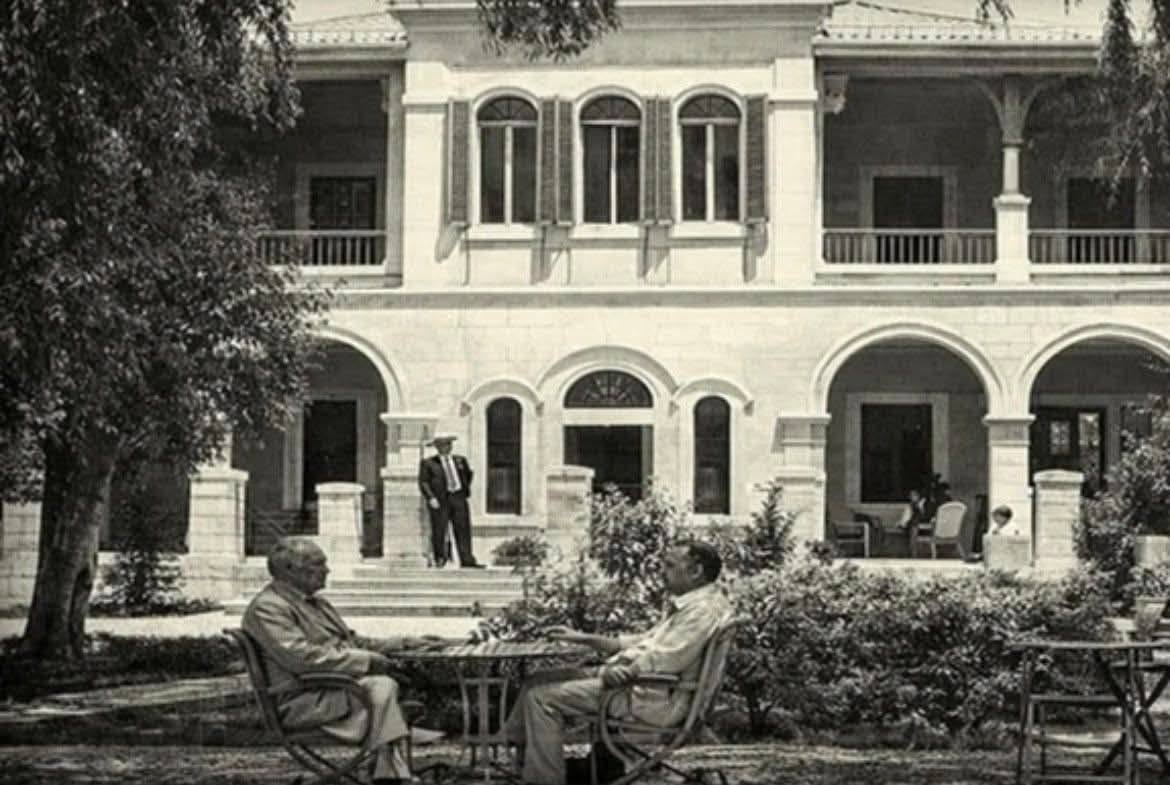
    A ‘Palestinian’ Palace in Jerusalem

    A ‘Palestinian’ Palace in Jerusalem

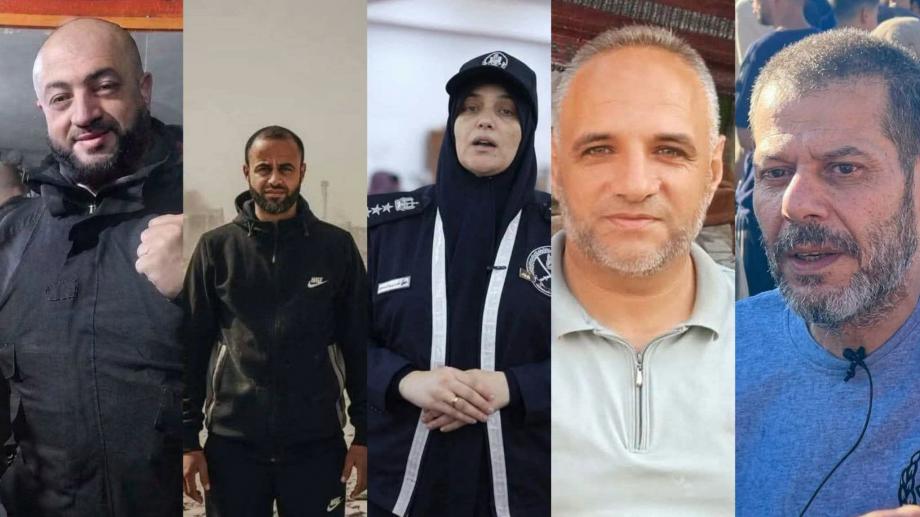
    Israel Bombs Police Station, Kills Group of Officers

    Israel Bombs Police Station, Kills Group of Officers

    Don’t Forget Dier Yassin

    • By Heba
    • August 19, 2026
    • 4 views
    Don’t Forget Dier Yassin