CrossFireArabia
By Ali Bakir
For decades, Arab public opinion has held a negative view of both Israel and Iran, widely regarding them as the primary sources of regional threat and instability. This perception has been rooted in the belief that both powers, in their pursuit of expanded influence, indirectly served each other’s agendas by fueling conflict in the Arab world. In contrast, Arab governments, including the Gulf Cooperation Council (GCC) states, traditionally prioritized their survival, focusing their threat assessments on geographically proximate dangers such as Iran, terrorism, and regional instability. However, a significant transformation is underway, with a US-backed Israel increasingly becoming the central figure in a more complex and broadened threat perception.
This shift is driven by Israel’s unrestricted regional military actions, which are perceived as fanatic and religiously motivated, coupled with what the Gulf states view as unreliable security guarantees from the United States. In this sense, the Israeli airstrike on Doha, Qatar in September 2025, marked a watershed moment, profoundly reshaping the threat perception for the GCC states.
Traditionally, some GCC nations viewed Israel through a dual strategic lens; as a key to stronger relations with the United States, or as a potential tacit partner against the threat posed by Iran. Israel consistently leveraged these perceptions to advance its political interests in the Gulf and the wider Arab region. However, as the Arab Gulf countries have solidified their political influence in the US and Iran has weakened, the strategic necessity of a partnership with Israel has waned, rendering even tacit partnership with Tel Aviv unfavorable.
This evolving dynamic has been further amplified by Israel’s aggressive and expansionist agenda, which appears intent on reshaping the Middle East and establishing Israeli hegemony over the Arab nations. In this context, the attack on Qatar – the first direct Israeli assault on a GCC member state, resulting in the killing of a GCC citizen by Israel within the Gulf – constituted a paradigm shift. The fact that Qatar, a key US ally and host to the largest American military installation in the Middle East, was the target, has altered the GCC’s threat calculus. This has challenged the long-held focus on Iran as the principal existential threat, not from a newfound trust in Tehran, but from a pragmatic reassessment of Israel’s increasingly unrestrained military actions that threaten to throw the entire region into chaos.
Emergence of Israel as a direct threat
In the words of Majed al-Ansari, spokesperson for Qatar’s Foreign Ministry and adviser to the prime minister, the attack on Qatar “has changed the region forever. Our region post September 9 is not the same region as it was before.” This sentiment reflects a significant change in the GCC’s threat perception, moving from a traditional, state-centric focus on Iran and non-state actors to a broader and multi-layered understanding of regional security. Israel’s actions have introduced a dangerous new variable, shifting the primary concern from a potential nuclear-armed Iran to an increasingly assertive and militarily dominant Israel willing to violate the sovereignty of neighboring states with impunity. This new threat perception is characterized by several key elements.
First, there is a growing apprehension among the GCC states regarding Israel’s hegemonic ambitions. Its military operations in Gaza, Lebanon, Syria, and now the Gulf, are seen as part of a broader strategy to establish itself as the undisputed regional power, compelling Arab nations to submit to its radical, religiously driven expansionist agenda. This directly challenges the sovereignty, strategic autonomy, and governing legitimacy of the GCC states. After decades of being urged by the West to embrace moderation, these nations now find themselves confronting a US-backed, religiously motivated Israel.
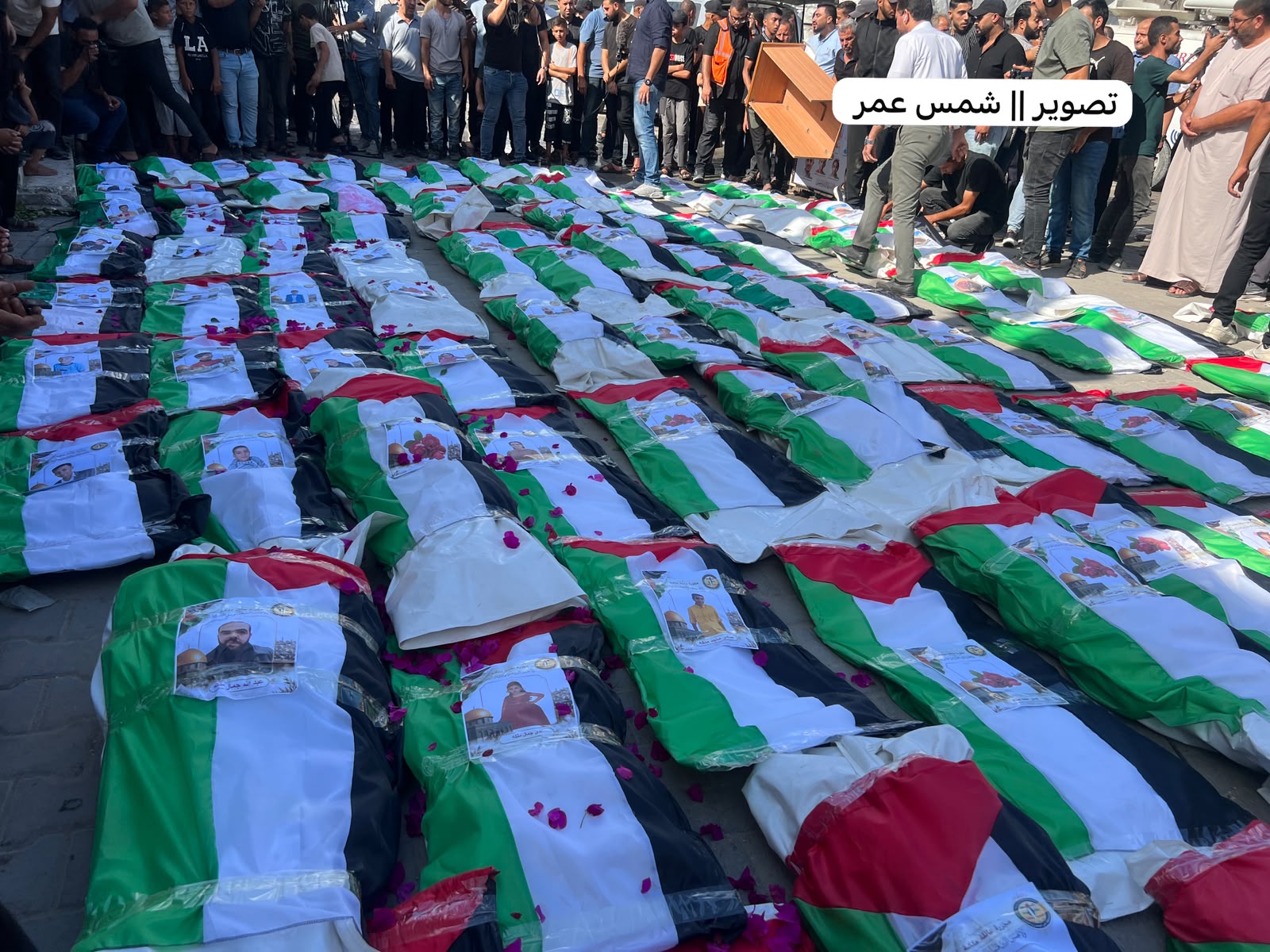
Second, the war on Gaza and the ongoing genocide against Palestinian civilians have inflamed global public opinion. While public sentiment may not directly influence governance in the Gulf, it remains a crucial factor in maintaining the legitimacy and stability of the ruling families. Israel’s crossing of all red lines – destabilizing even the governments of countries with normalized relations like Egypt and Jordan, and now targeting GCC members – has created fertile ground for internal unrest, pressuring these governments.
Third, Israel’s aggressive regional posture poses a direct threat to the GCC’s ambitious economic diversification plans. The long-term stability essential for attracting foreign investment and fostering thriving tourism and service sectors is fundamentally undermined by the constant threat of regional conflict. Israel’s actions have drawn the GCC countries into regional chaos, forcing them to bear the financial burden of its hegemonic ambitions. This has fundamentally altered their perception of Israel, which is now seen as a direct threat to their governments, economies, and regional interests.
Reassessing US security umbrella
The Doha strike has brought the reliability and credibility of the US security umbrella – long considered the cornerstone of Gulf security – into sharp question again. The United States’ unwillingness to prevent an attack on a key ally has instilled a profound sense of vulnerability, urging a reassessment of the value of its security guarantees.
This has led to a growing consensus among the GCC states that they can no longer solely depend on the United States for their security. For some time, these nations have been diversifying their defense and security partnerships, engaging with other regional and international actors, and exploring ways to create a more independent regional security architecture. This does not signal a complete rupture with the US, but rather a strategic pivot towards a more multi-aligned foreign policy.
This evolving threat perception is expected to have a significant impact on the GCC’s defense spending priorities and foreign policy alignments. The Gulf states are likely to adopt more assertive and independent foreign policies, ones less beholden to US interests. This will involve hedging, strengthening regional alliances, engaging in more direct diplomacy with Iran, and taking a more proactive role in shaping the regional security agenda. The primary objective is to deter Israel from normalizing attacks on GCC countries or dragging them into a wider regional conflict.
Reports indicate that GCC states have already increased their military spending in the wake of the Qatar strikes. This trend is expected to continue, with a focus on acquiring advanced air defense systems, counter-drone technologies, cyber capabilities, and other tools to deter and defend against potential Israeli aggression. In parallel, the GCC states are moving away from their near-total reliance on US military hardware and are actively seeking to diversify their defense and security partnerships. While China and Russia have been suggested as key players in the diversification, recent data indicates that countries like Türkiye are emerging as significant partners in the GCC’s diversification strategies.
While the path forward is fraught with challenges, one thing is certain: The old paradigms of Gulf security are no longer tenable. Israel has emerged as a dominant and disruptive actor in the new threat perception of the GCC states.
The author is an assistant professor of international affairs, security, and defense at Qatar University and a non-resident senior fellow at the Atlantic Council in Washington.