CrossFireArabia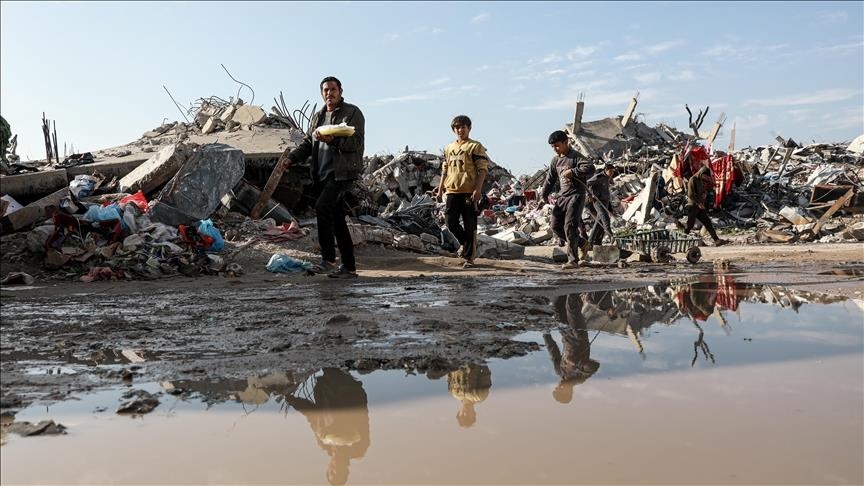
Israel has killed 150 Palestinians—an average of three people every 24 hours—since the ceasefire on 19 January 2025. The Euro-Med Monitor field team has documented Israeli sniper and drone attacks since the ceasefire went into effect, as well as the continued use of the blockade as a weapon of slow death by starvation in the ongoing genocide in the Gaza Strip.
The ongoing killings by the Israeli army are carried out by snipers and drones, including quadcopter aircraft, which target Palestinian civilians in the Gaza Strip. The deadly attacks frequently occur when residents attempt to return and inspect their damaged homes near the so-called “buffer zone” imposed by Israel along the Strip’s northern and eastern borders.
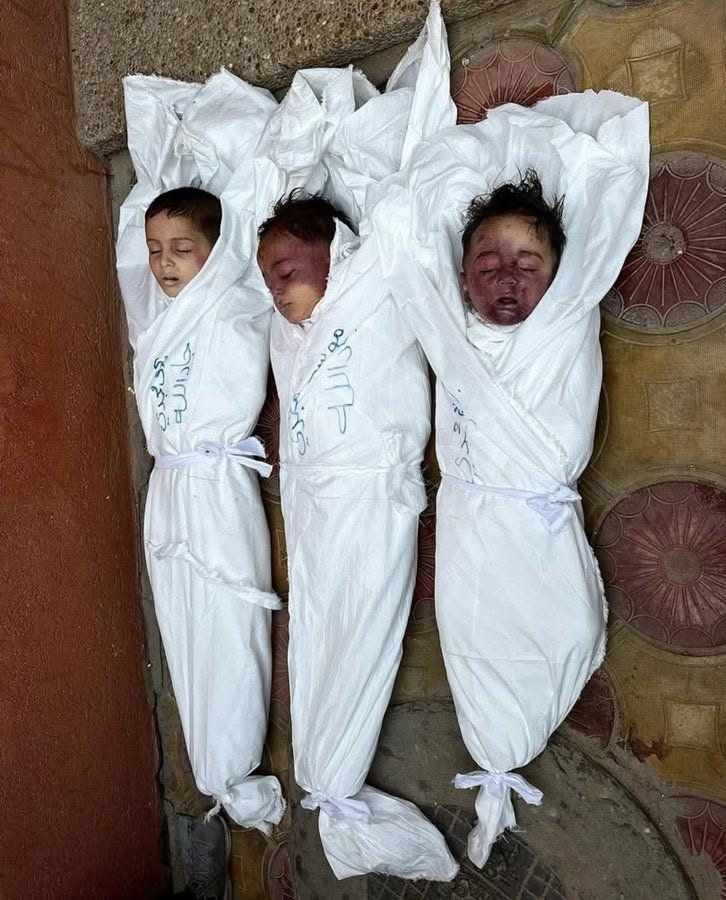
An Israeli drone strike on Monday 10 March killed Abdullah Ali al-Shaer and injured another person in the east of Rafah, despite the victims being in a designated “safe zone”. Just hours earlier, a separate drone attack killed three siblings—Mahmoud, Mohammed, and Ahmed Abdullah Ahmed—northeast of al-Bureij refugee camp in the central Gaza Strip.
Rafah Governorate has faced the most Israeli targeting since the ceasefire. Fifty-three-year-old Abdel Moneim Ali Qishta was killed inside his home by Israeli forces stationed along the Egyptian border opposite the al-Salam neighbourhood in the southern part of the city, on the morning of Saturday 8 March. That same day, an Israeli drone strike killed two young men, Mahmoud Hussein Farhan al-Hissi, 37, and Mahdi Abdullah Nadi Jarghoun, 39, in the town of al-Shawka, east of Rafah City.
Euro-Med Monitor has also documented the Israeli army’s ongoing killings of Palestinians in repeated attacks on the Shuja’iyya neighbourhood, east of Gaza City, and the town of Beit Hanoun, in the northern Gaza Strip, since the beginning of March. Since the ceasefire, Israel has killed 150 Palestinians—an average of six people every two days—and injured 605 others, at a rate of 11.8 individuals per day. This pattern underscores Israel’s systematic and ongoing targeting of Palestinians in the Strip, carried out with no military justification and in blatant disregard of the ceasefire and international law.
Israel has engaged in widespread killing and destruction in the besieged enclave for over 15 months and has intensified its genocidal policies by imposing deadly living conditions on Palestinians that result in their slow, systematic killing. Through a complete, illegal siege, Israel is preventing the entry of humanitarian aid and essential supplies while blocking the repair of critical infrastructure and services necessary for survival—all amid an absence of effective international intervention.
Euro-Med Monitor warns of a worsening humanitarian crisis if the blockade persists, with markets now being rapidly depleted of goods. Additionally, numerous relief and food distribution centres have halted operations due to the ongoing closure of the Gaza Strip’s border crossings and Israel’s refusal to allow supplies to enter since 2 March. This has significantly worsened the suffering of civilians, pushing them closer towards famine without the swift intervention of the international community.
Famine is not the only threat that should prompt the international community to act, and waiting for it to occur before responding is unacceptable. Depriving the enclave’s vulnerable population, particularly children, of proper nutrition will lead to severe malnutrition, resulting in long-term health damage and potentially irreversible physical and psychological disabilities depending on the individual’s age. Euro-Med Monitor asserts that severe malnutrition during critical growth stages weakens the immune system, heightens the risk of fatal diseases, and causes significant delays in cognitive and motor development, leaving a person with permanent health consequences that cannot be remedied, even if conditions improve in the future.
This is not merely a temporary humanitarian crisis, but a deliberate, systematic policy aimed at eradicating entire Palestinian generations. It constitutes a direct act of genocide, as outlined in the 1948 Convention on the Prevention and Punishment of the Crime of Genocide, which explicitly prohibits the creation of conditions that lead to the destruction of a group, in whole or in part. The continued implementation of this policy, without decisive international intervention, not only reflects a failure in humanitarian response but also amounts to complicity in the documented crime of genocide.
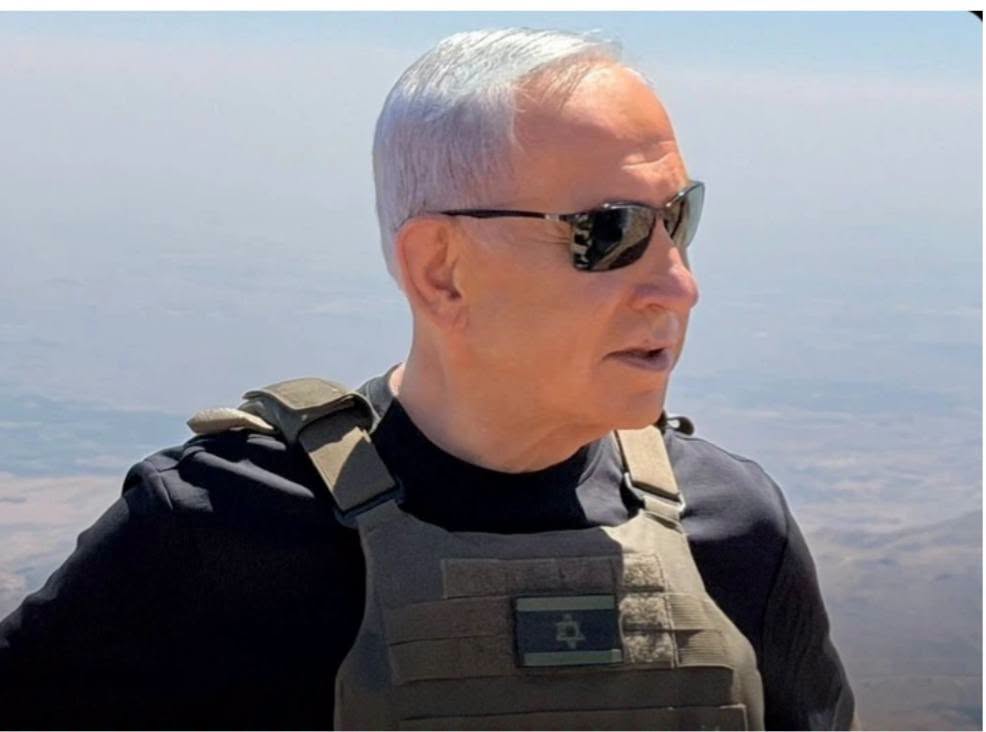
Euro-Med Monitor reiterates that Israel’s renewed starvation of Palestinians will exacerbate the existing humanitarian crisis and thus serves as a clear indicator of genocidal intent, and that this crime aligns with the broader, US-proposed ethnic cleansing policy. Humanitarian aid is a fundamental right of civilians under international humanitarian law, with no exceptions, and there is no legal justification for Israel to deny Palestinians access to essential aid. Israel is not only using humanitarian aid as a bargaining chip for political and military gain but is also deliberately enforcing a policy of systematic starvation, creating life-threatening conditions designed to make survival in the Gaza Strip impossible.
Israel’s repeated statements announcing its full coordination with the United States administration, which has explicitly stated its intention to displace the Strip’s entire population, confirm that the crimes of starvation and blocking of humanitarian aid are not isolated incidents or negotiating tools. Instead, they are part of a deliberate plan aligned with the US strategy to forcefully displace and depopulate the Gaza Strip.
Israel’s policy continues to perpetuate genocide, even after the ceasefire. By depriving the Palestinian population of their most basic needs as part of a long-term plan that threatens their physical survival as a national group, Israel has maintained deadly conditions designed to gradually eliminate them. The international community can no longer afford to dismiss the illegal blockade imposed on the Gaza Strip, which stands as one of the most prominent tools of Israel’s genocide.
All relevant countries and entities must fulfil their legal responsibilities and take immediate action to halt the genocide in the Gaza Strip. This includes pressuring Israel to lift the blockade entirely, allowing the unrestricted movement of individuals and goods into and out of the enclave, unconditionally opening all border crossings, and implementing effective measures to protect Palestinians from the ongoing policies of slow killing and forced displacement. Furthermore, an urgent response committee should be activated to address the population’s immediate needs, including temporary and adequate housing.
The international community must impose economic, diplomatic, and military sanctions on Israel in response to its systematic and severe violations of international law, including a ban on arms trade and military cooperation, as well as freezing the financial assets of officials involved in crimes against the Palestinian people.
To pressure Israel to halt its crimes against the Palestinians, Euro-Med Monitor also calls for the suspension of any trade privileges and bilateral agreements that provide Israel with economic benefits.
Euro-Med Human Rights Monitor urges the international community to uphold its legal and humanitarian responsibilities by implementing the International Court of Justice’s order from 28 March 2024. This includes the precautionary measures requiring Israel to take necessary and effective actions, in cooperation with the United Nations, to ensure the unhindered and timely entry of aid into the Gaza Strip, in compliance with its obligations under the Genocide Convention.
The International Criminal Court must expedite its investigations and issue arrest warrants against Israeli officials implicated in international crimes in the Gaza Strip. Euro-Med Monitor reminds the member states of the Rome Statute of their legal obligations to fully cooperate with the Court, ensure the enforcement of arrest warrants, and prevent impunity for those responsible.