Israeli Experts: ‘No Clear Goals in Gaza’     

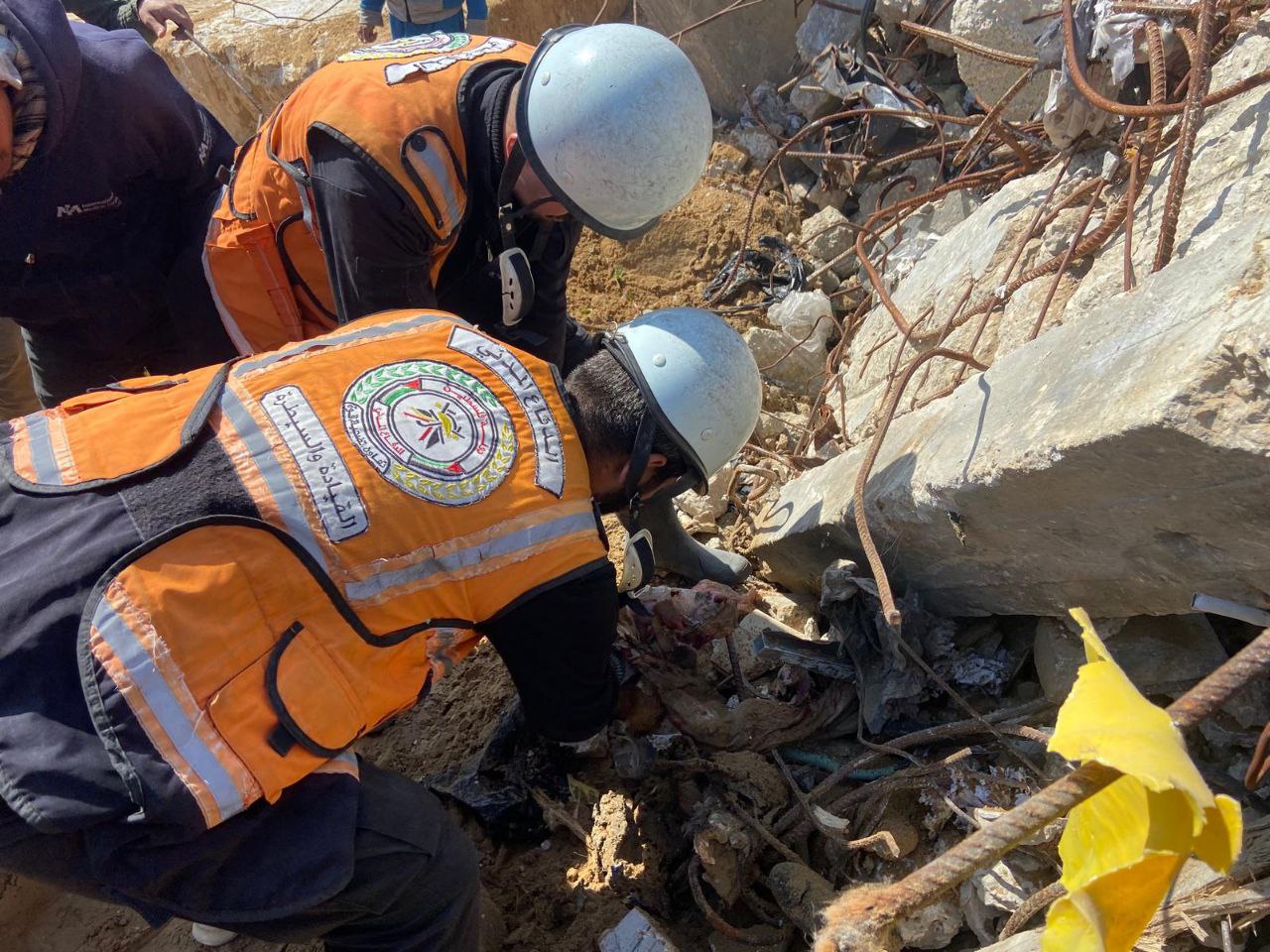
Different Israeli media establishments highlighted the difficult conditions facing Israeli occupation soldiers in Gaza, amidst increasing talk about the absence of clear goals for the war, and the future of the prisoners and possibility of a swap deal.

Israel Ziv, former head of the army’s operations division, expressed his deep concern about the situation of the soldiers in Gaza, and said in a statement on Channel 12 “the situation is very, very difficult for them, and I heard from reserve soldiers that they will not return again because of the harsh conditions they live in this place.”

He stressed the army seems to be preparing for a long-term occupation without clear goals, noting the soldiers are not only suffering from the military burden, but also from the repercussions of the war on their family lives, which prompted some to declare that they “will not be the fools of this country,” as he described it.

In turn, national security expert Kobi Marom believes that the war of attrition in Gaza is continuing at full force, especially in Jabalia, noting the army is preparing for the possibility of establishing military rule there by 2025.

In a Channel 13 interview Marom said that Prime Minister Benjamin Netanyahu’s statements about not stopping the fighting reflect a long-term vision for the war.

Seeking to conclude a deal

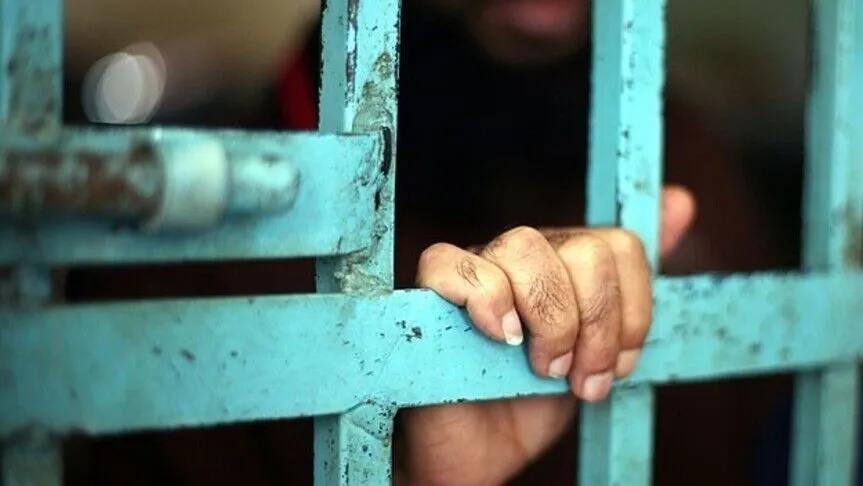
While Major General Yair Golan, former deputy chief of staff, spoke about the need to seek to reach a deal to release the prisoners as soon as possible, and said “a deal for the kidnapped soldiers could lead to a ceasefire in the south and perhaps also in the north.”

He stressed that the statements of some US officials about Hamas refusing to negotiate are “inaccurate,” noting the army’s representative in the negotiations, Nitzan Alon, previously stated that reaching a deal was possible, and he also criticized the Israeli leadership’s failure to provide any clarifications or meetings with the families of the detainees.

But MK Tsaga Malko believes that the issue is not partisan, but rather relates, according to her, to Hamas’s refusal to make a deal. The Kan 11 Channel presenter interrupted her, pointing to the influence of coalition partners, such as National Security Minister Itamar Ben-Gvir and Finance Minister Bezalel Smotrich, who are pushing for filling Gaza with Jewish settlements while disragarding a settlement to the conflict.

But Amnon Sofrin, ex-head of the Mossad intelligence division, added that negotiations are “the only option for freeing the kidnapped soldiers,” and said: “If there was a possibility of freeing them through a military operation, it would have been carried out, but the current guerrilla war could continue for 10 years without a result.”

Israeli media sources wondered why a settlement with the Lebanese Hezbollah in the north was sought while any settlement with Hamas was rejected but commentators concluded this was related to the agenda of the partners in the government, who see Gaza as an opportunity for settlements expansion, unlike Lebanon.

On Channel 13, political analyst Raviv Drucker confirmed The government is not facing real pressure from the security cabinet to complete the prisoner release deal. He added: “The leadership is pinning its hopes on the possibility of US President-elect Donald Trump intervening to exert new pressure, but most of the families of the kidnapped have lost hope,” according to Al Jazeera.

  • CrossFireArabia

    CrossFireArabia
    Dr. Marwan Asmar holds a PhD from Leeds University and is a freelance writer specializing on the Middle East. He has worked as a journalist since the early 1990s in Jordan and the Gulf countries, and been widely published, including at Albawaba, Gulf News, Al Ghad, World Press Review and others.

    Related Posts

    Palestinians Remember The Eveil Nakba

    Dozens of Palestinian women at a displacement camp in central Gaza marked the 78th anniversary of the Nakba (Catastrophe) on Thursday, reliving scenes of displacement and loss they said continue to define Palestinian life decades after 1948.

    Held at the Refaat Alareer camp in the Al-Zawaida area, the event linked memories of the historic Palestinian displacement with the reality of the ongoing Israeli war on Gaza, as participants said the suffering of exile and forced displacement had never truly ended.

    The event was organized by the Sameer Project, a relief initiative led by Palestinians in the diaspora, and featured heritage performances, traditional dabke dancing and symbolic scenes highlighting Palestinian identity and the right of return.

    Women and children raised Palestinian flags, symbolic keys, and images reflecting displacement and attachment to the land. Several participants wore traditional Palestinian dresses and chanted songs and national hymns invoking Palestinian memory and what they described as an ongoing Nakba.

    Palestinians commemorate the Nakba every year on May 15 through marches, exhibitions and public events in the Palestinian territories and around the world, calling for rights, including the return of millions of refugees.

    The Nakba refers to the mass displacement of Palestinians in 1948 during the events surrounding the creation of Israel, when hundreds of Palestinian towns and villages were emptied and their residents forced to flee.​​​​​​​

    Reliving displacement

    Ibtisam Abu Muailiq, a displaced Palestinian now living in Al-Zawaida, said Palestinians are still living through the Nakba today.

    The current war, she told Anadolu, had brought back scenes of displacement and tent life that previous generations described after the events of 1948.

    “Our home was destroyed, and we lost loved ones, some killed and others still missing, but we remain steadfast on the land of Palestine,” she said.

    She called on people around the world to show compassion toward Palestinians and support them amid their suffering.

    For Umm Mohammed Abdullah, the Nakba never ended.

    Palestinians, she said, have endured repeated cycles of hunger, thirst, displacement and loss but continue to hold on to their land.

    “No matter how severe the suffering becomes, we will not leave our homeland,” she added.

    Steadfast despite war

    Event coordinator Iman Al-Khatib said holding the event inside a displacement camp carried a message that Palestinians remain steadfast despite wars and catastrophes.

    “We wanted to tell the world that Palestinians remain resilient and that the right of return will continue to live in the conscience of future generations,” she told Anadolu.

    The Israeli army has killed more than 72,000 people, mostly women and children, and injured over 172,000 in a two-year war on the Gaza Strip since October 2023.

    Despite a ceasefire that took effect on Oct. 10, 2025, the Israeli army has continued its attacks, killing at least 856 people and injuring 2,463 others, according to Gaza’s Health Ministry.

    Continue reading

    You Missed

    Educator For The Arab World

    Educator For The Arab World

    ‘We Are All Bin Gvir’

    ‘We Are All Bin Gvir’

    Punishing The Olive Tree

    Punishing The Olive Tree

    Jordan 2007! Elections and Hiccups: Looking Backwards

    Jordan 2007! Elections and Hiccups: Looking Backwards

    Iran is Writing The Final Chapter!

    Iran is Writing The Final Chapter!

    Gaza Fishermen Dream of Life Prior to 7 Oct

    Gaza Fishermen Dream of Life Prior to 7 Oct