CrossFireArabia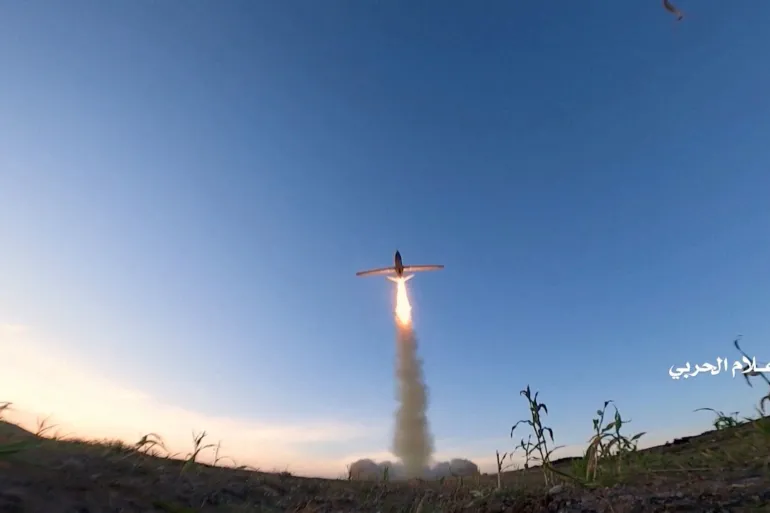
The occupation state witnessed a deadly wave of operations on Monday. Armed Palestinians, resistance fighters in Gaza, and drones from Yemen all struck Israel within hours. By the end of the day, at least 10 Israelis were killed, dozens were wounded, and the occupation state was left shaken.
Jerusalem Shooting
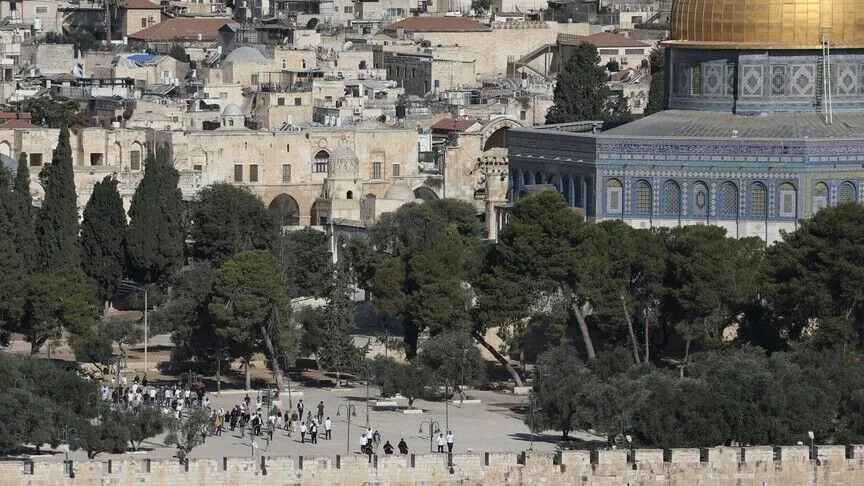
The bloodiest scene unfolded at a central bus station in an Israeli colonial settlement in occupied Jerusalem. Two Palestinians opened fire inside a crowded bus near Ramot settlement and in the area surrounding it.
Israeli police confirmed that six Israelis were killed and 15 others were wounded. Six remain in critical condition. Witnesses said panic spread among settlers as gunfire echoed.
Israeli Channel 12 reported that the two young men came from a village near Ramallah in the occupied West Bank.
The police said an Israeli soldier and a settler shot and killed the two young men. Still, their operation had already left deep marks inside one of the most fortified areas of the city.
Prime Minister Benjamin Netanyahu, wanted by the International Criminal Court for war crimes in Gaza, skipped his corruption trial in Tel Aviv because of the operation. He arrived at the scene later, joined by National Security Minister Itamar Ben Gvir.
The occupation forces immediately closed all entrances and exits of the occupied Palestinian capital city. A heavy security cordon surrounded Jerusalem. The police also searched for explosives after finding a suspicious object near the site of the operation.
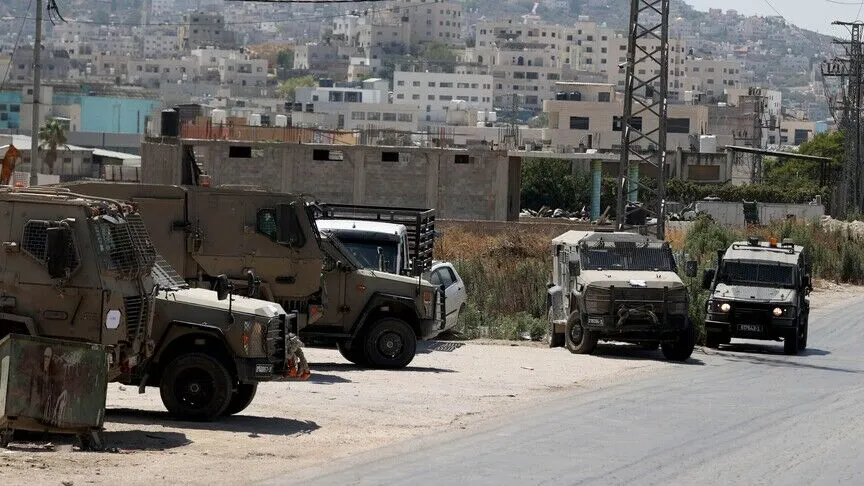
Hours later, Israeli forces raided the homes of the executors. They kidnapped the father and brother of one of them. The Shin Bet intelligence agency also detained a young man from Jerusalem, accusing him of helping the gunmen reach the city.
Israeli ministers competed to call for harsh retaliation. Energy Minister Eli Cohen demanded the expulsion of families of Palestinians who carry out resistance operations. Defense Minister Yisrael Katz vowed to crush resistance in West Bank refugee camps just as the army has done in Jenin.
Israeli media reported that among the dead was a rabbi from the illegal settlement of Ramot.
The operation near Ramot settlement carries symbolic weight. Ramot is one of the largest settlements in occupied Jerusalem. Built after the 1967 war, it sits on confiscated lands belonging to Palestinian villages including Beit Iksa, Beit Hanina, and Nabi Samwil.
Over 50,000 settlers live there today. It forms part of the northern settlement belt that cuts Palestinian towns off from Jerusalem. The international community views it as illegal under international law. Yet Israel keeps expanding it, ignoring repeated condemnations.
Gaza Front: A Tank Destroyed in Jabalia
While Jerusalem reeled, resistance in Gaza dealt another blow. In the early hours of Monday, Palestinian fighters ambushed an Israeli tank in Jabalia, north of Gaza City.
According to Israeli military radio, four soldiers were killed. Local sources said fighters detonated an explosive device under the tank, then opened fire on its crew. Flames engulfed the vehicle, leaving no survivors.
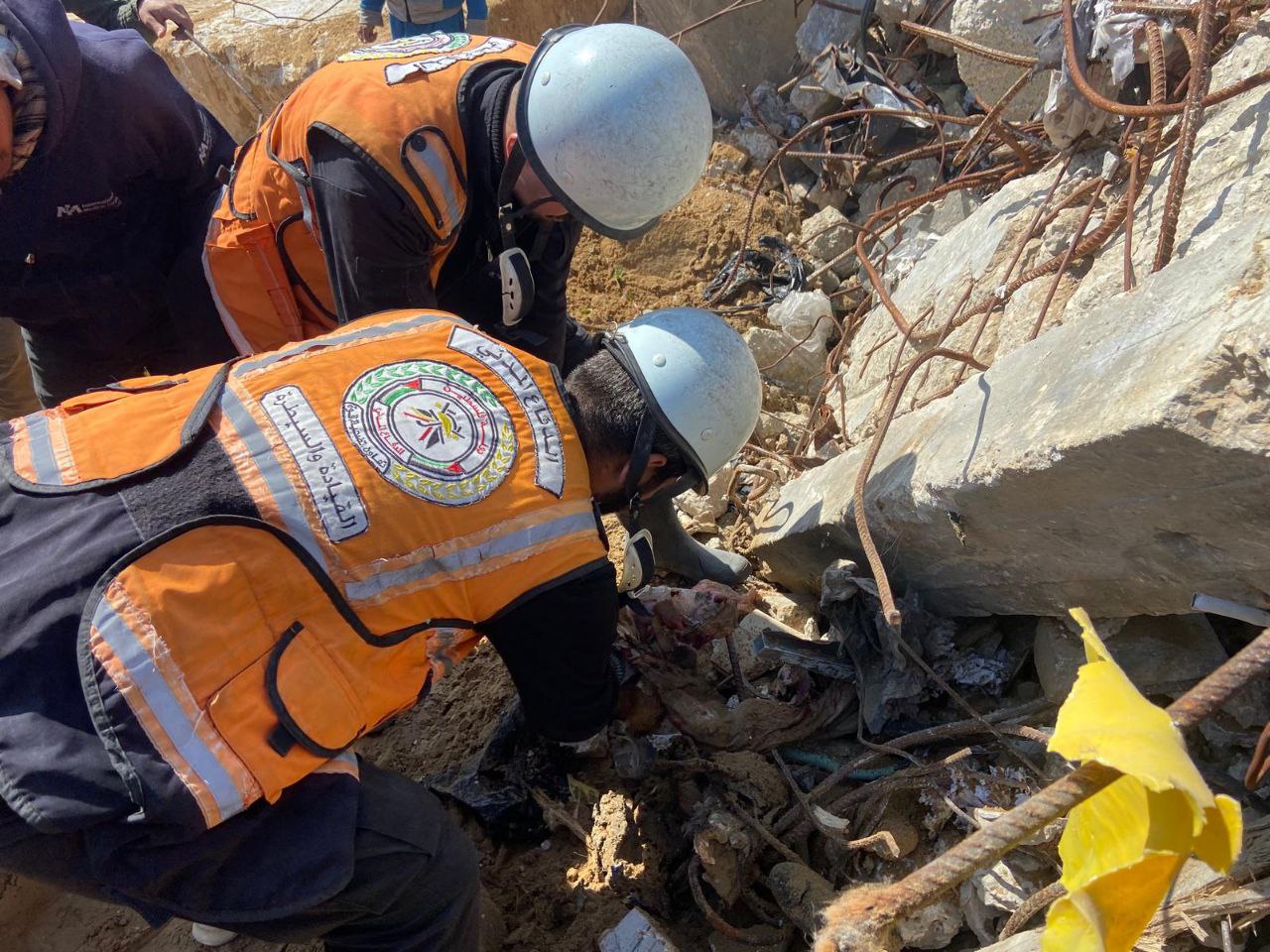
The operation came as the Israeli army continued its massive destruction campaign in Gaza. Troops bombarded neighborhoods in Gaza City, demolishing residential towers and forcing families into displacement.
Hamas’ military wing, Al-Qassam Brigades, said the ambush was part of its “Moses’ Rod” operations. Over recent days, it has targeted tanks, armored carriers, and groups of soldiers in several areas, including Gaza City’s Zeitoun neighborhood and Jabalia camp.
Islamic Jihad’s armed wing, Saraya al-Quds, also announced rocket fire on the settlement of Netivot. It said the strike came in direct response to “massacres against civilians in Gaza.”
Yemen Joins the Battlefield
The confrontation widened further south. Israeli media confirmed that drones launched from Yemen penetrated Israeli airspace.
The army said it intercepted several drones. Yet one crashed near Ramon Airport in the Negev. Alarms also sounded in Dimona, where Israel hides its nuclear reactor.
The previous day, a drone from Yemen hit Ramon Airport, damaging a passenger terminal. Yemen, declared that its attacks would continue until Israel stops its war on Gaza. They also vowed revenge for Israel’s assassination of their Prime Minister Ahmed al-Rahwi in Sana’a last month according to the Quds News Network.