Military Analysis: The Gaza Resistance is Back

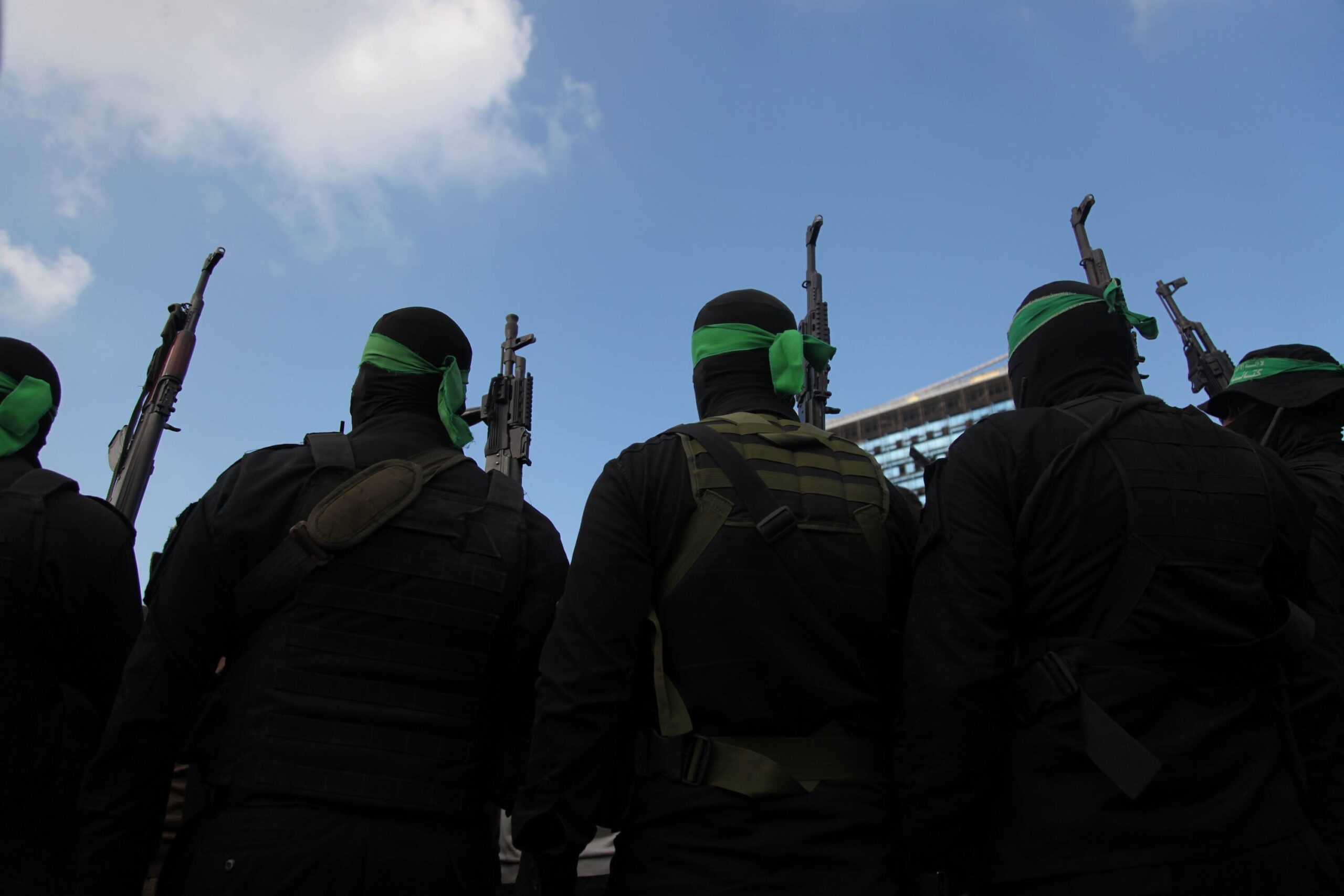
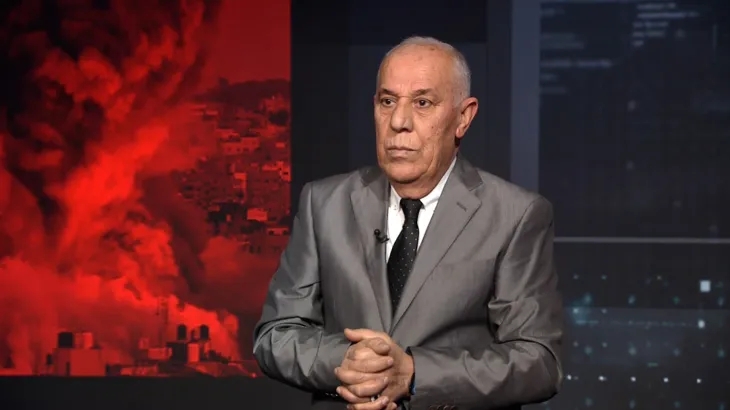
Military, strategic expert Major-General Fayez al-Duwairi said the recent operations carried out by the Palestinian resistance groups in the Gaza Strip, led by the Izz ad-Din al-Qassam Brigades, reveal a remarkable ability to perform on the ground, despite Israeli military superiority.

He added that attempts to weaken the resistance are still far off.

In a full military analysis al-Duwairi explained that what happened in Beit Hanoun and the al-Tuffah neighborhood cannot be limited to a single operation, but reflects several separate ambushes in which advanced tactics were employed, including tunnel detonations and preemptive surveillance of enemy movements.

The Izz ad-Din al-Qassam Brigades, the Hamas military wing released a video of the “Breaking the Sword” ambush it carried out east of Beit Hanoun in northern Gaza, which resulted in the death of one soldier and the injury of others whilst also engineering an Israeli force that was lured into a booby-trapped tunnel shaft in the al-Tuffah neighborhood and detonated it, resulting in a number of casualties.

Al-Duwairi pointed out that the attack on the Israeli force east in Tuffah is an independent operation and believes the succession of these operations confirms the resistance’s return to the tactics of the first phase of the war, when it held the initiative.

The military expert believes these attacks reflect the resistance factions’ readiness to employ different methods in confrontation, including booby-trapping, sniping, and direct engagement at close range.

He pointed out that the video footage broadcast by the Qassam Brigades from Beit Hanoun, showing the resistance fighters infiltrating through a tunnel, demonstrates a high degree of professionalism, especially since the fighters emerged from a tunnel previously monitored by the occupation, indicating a failure of Israeli intelligence to assess the extent of the threat.

Five stages

Speaking on Al Jazeera, he explained that this complex ambush was executed in five stages, including surveillance, targeting the first vehicle, and then surprising the support force. He indicated that the resistance various weapons were used, including RPG launchers, machine guns, and mortar shells, indicating tight field coordination.

The retired major-general emphasized what was striking about the operation was that the ambush occurred in a buffer zone from which the occupation forces had not supposedly withdrawn, specifically on al-Awda Street, only about 300 meters from the separation line. This demonstrates the fighters’ great audacity and their ability to penetrate deep into Israeli territory in broad daylight.

He pointed out that field data reported by Israeli media, such as the amputation of two female soldiers’ legs as a result of the attack, confirms that the losses were heavy. The Israeli army was also forced to use 60mm mortar shells to attempt to regain control of the area after losing soldiers and equipment.

Al-Duwairi emphasized that the continuation of these ambushes and their various implementation methods prove that the resistance has not lost the initiative. Rather, it is now capable of moving whenever the opportunity arises, whether by reaching deep within the buffer zone or targeting occupation forces as they approach pre-prepared positions.

He pointed out that the tactic of the tunnel detonated east of the Tuffah neighborhood differed from the Beit Hanoun tunnel, explaining that the former involved a direct lure of an Israeli force into a booby-trapped tunnel, reflecting high-precision surveillance and the ability to remain patient on the ground until the appropriate moment for execution.

Major General Fayez al-Duwairi believes that the resistance’s field performance in recent hours reflects an important fact: The use of tunnels remains a black box for the Israeli army. He added that the ability to exploit this tactical advantage means that twisting the resistance’s arm remains out of reach.

Since the beginning of last March, the first phase of a ceasefire and prisoner exchange agreement between Hamas and Israel, which went into effect on January 19, with Egyptian and Qatari mediation and American support, has concluded, and the movement has adhered to it.

However, Israeli Prime Minister Benjamin Netanyahu evaded the start of the second phase and resumed the genocide in the Gaza Strip on 18 March, in deference to the most extreme faction within his right-wing government.

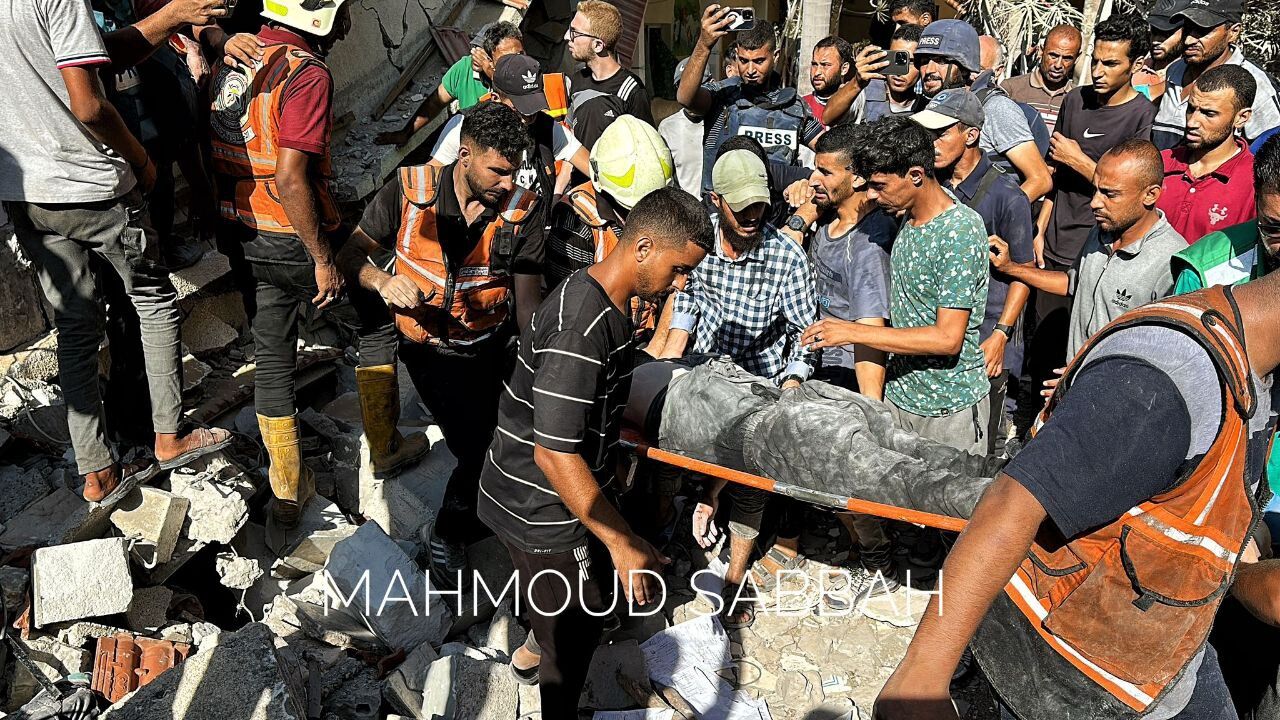
With full American support, Israel has been committing genocide in Gaza since 7 October, 2023, leaving more than 168,000 Palestinians dead and wounded, most of them children and women, and more than 11,000 missing.
Continue reading
Al-Duwairi: Houthi Missiles on Tel Aviv Confirms Failure of US Airstrikes on Yemen

The missiles launched by the Houthis at Israel do not make a significant military difference, according to military expert Major-General Fayez al-Duwairi. However, he said they confirm the failure of the US airstrikes to destroy the group’s capabilities and reveal the contradictions in Israeli statements regarding the interception of these missiles.

In an analysis of the military situation on Al Jazeera, al-Duwairi asserts that the Israeli military’s statement about the interception of the missile launched, Monday, before it entered Israeli airspace contradicts its statement about interceptor debris falling west of Jerusalem and south of Tel Aviv.

The fact that these debris fell on these areas, in al-Duwairi’s opinion, means that the missile bypassed Israeli air defenses, whilst confirming the Houthis’ possession of sonic missile technology. He added that this is something not many countries possess.

The fact that air raid sirens sounded only in Jerusalem and greater Tel Aviv, but not in the rest of Israel, confirms that the missile was not detected until it reached these specific areas, al-Duwairi said.

Confusion in Israeli Society


Whilst the Houthi missiles will not bring about a military change, according to the strategic expert, they put Israeli society on almost daily alert, disrupting daily life, and proving that the intensive US air campaign has not prevented the Houthis from launching attacks.

The Houthis’ launch of an eighth missile in just a few days demonstrates the failure of intensive US strikes to stop these attacks. The failure of Israeli defenses to detect the missiles before they entered Israeli airspace is a qualitative advantage for this Yemeni group.

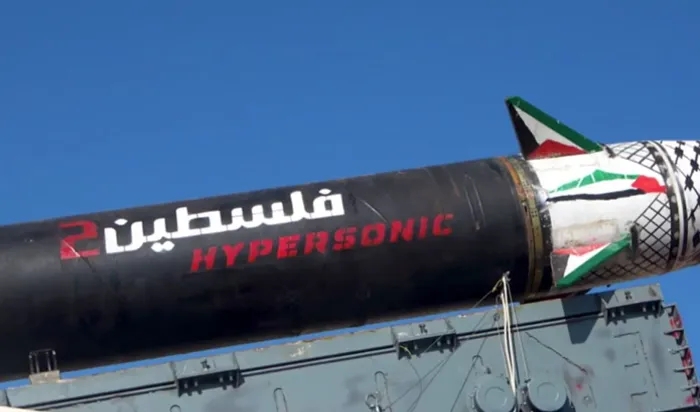
As for the missiles that the Palestinian resistance has begun launching in the past few days, they carry more political than military messages, according to al-Duwairi, because it is impossible to compare the resistance’s capabilities today with those of the beginning of the war nearly 18 months ago.

However, the resistance’s ability to bombard greater Tel Aviv, as it did two days ago, confirms that it has a stockpile of missiles capable of causing disruption within Israel.

Yesterday evening, the Israeli Home Front Command announced that air raid sirens sounded in Jerusalem and its suburbs, as well as in more than 200 towns and cities in central Israel, as a result of a missile launched from Yemen.

The Israeli military said it intercepted the missile with its Arrow missile system before it entered airspace. However, sources confirmed to Al Jazeera that explosions were heard in areas of Tel Aviv, Jerusalem, and the coastal region south of Tel Aviv following the launch of a missile from Yemen.

Continue reading
Bibi Tells Israel Army No Escape From Gaza

Military expert Major-General Fayez Al-Duwairi confirmed that Israeli Prime Minister Benjamin Netanyahu is trying to prolong the war on Gaza by carrying out assassinations in the Lebanese and Iranian capitals in the hope of “reshuffling the cards” in the region.

He explained – in his analysis of the military scene in Al Jazeera – if Netanyahu had achieved his goals in the Gaza Strip, he would not have bombed the southern suburb of Beirut and assassinated chief of the Hamas political bureau Ismail Haniyeh, in Tehran.

He pointed out Netanyahu wants to save himself, and does not care about the Israeli prisoners held in Gaza. Netanyahu recovered a very small number through military operations, while more than 100 prisoners returned as part of the exchange deal concluded with Hamas late November 2023 according to Assawsana.

Al-Duwairi stressed the war of attrition of the occupation army is continuing in Gaza. He said it will keep going on while noting talk about the third phase of the war has become a thing of the past in light of the presence of four Israeli military divisions inside the Gaza Strip.

According to the military expert, the presence of this large number of Israeli forces means “a return to square one of the fighting despite the passage of more than 300 days since the outbreak of the war,” and which started soon after 7 October of last year.

He stressed the resistance videos that are broadcast daily from various combat zones in the Gaza Strip speak for themselves. They show the resistance’s performance on the ground.

He pointed out the statements of the Chief of Staff of the Occupation Army Herzi Halevi in which he called for seizing any opportunity to conclude a deal to cease fire in Gaza and exchange prisoners, indicate this means his army want to “escape from the sands of Gaza.”

Continue reading
Duwairi: ‘High Levels of Combat Efficiency’  

The Qassam Brigades, the military wing of the Islamic Resistance Movement (Hamas), is offering an unusual performance, military and strategic expert Major-General Fayez Al-Duwairi,  told Al Sawsana website in a recent interview.

He pointed out the recent Shaboura ambush in Rafah, which appeared in a recent video clip, was carried out using a fake tunnel after luring Israeli occupation soldiers into it.

Perfect ambushes

The Qassam Brigades showed scenes preparing and executing two ambushes against Israeli soldiers inside the Yebna and Shaboura camps in Rafah, titled “Death Ambushes Part Two”.

The scenes included luring and monitoring the  soldiers: The first ambush took place in a house inside the Yebna camp, and the second in the mouth of tunnel in the Shaboura camp.

Qassam Tunnels: Types and Strategies

Al-Duwairi explained the first ambush was prepared in advance in a house entered by a number of soldiers, while the second ambush was a fake tunnel under the house, not connected to the main tunnel network.

He pointed out most of the tunnels used in operations are not part of the main network, but created specifically for individual military operations.

Advanced Combat Techniques

Al-Duwairi pointed out the video shows the first force entering the tightly booby-trapped building, with Al-Qassam controlling the explosion from a safe place, which indicates the high efficiency in planning and execution.

He also pointed out the use of barrel fillings in the second operation, which relies on old mines stored underground, reflecting the resistance’s experience in effectively utilizing available resources.

Importance of Battles in Built-Up Areas

The major-general stressed the importance of battles in built-up areas as part of asymmetric wars, where resistance forces rely on accurate knowledge of the location and effective armament to confront the occupation forces with smaller numbers but with greater efficiency.

Appreciation…

Al-Duwairi praised the management of the battles by the Palestinian resistance, describing them as advanced and should be taught in international military colleges. He stressed the resistance on the ground adopt an unconventional approach and is interested in raising the morale of its fighters.

Military pressure and field developments

Al-Duwairi pointed out that the simultaneous battles in the north and south is in line with what Israeli Chief of Staff Herzi Halevi said about the military aiming to force Hamas to make concessions, especially with regard to the release of prisoners. He pointed out that the occupation army found the bodies of five prisoners, including four soldiers, in one of the tunnels.

Future battles

The fierce battles in Tal al-Hawa and Rafah reveal a high level of combat efficiency among the resistance factions. He expects the continuation of this field rhythm will lead to tangible results within a short period, which may force the occupation army to withdraw again from these areas.

Continue reading