Rafah Crossing: 1st Gaza Returnese Speak of Humiliation, Insults and Blindfolding
 CrossFireArabia
- February 4, 2026
The woman described her journey through the Israeli checkpoints as “like death”. She said this while fighting back tears as her sojourn was filled with fear and suffering.
She and her mother, along with another lady, faced humiliation and insults, and subjected to arbitrary arrest, blindfolding, and the confiscation of her personal belongings and threatened and intimidated during their detention, she added.
Ordeal at Israeli Checkpoints
In other shocking testimonies from women returning through the Rafah Crossing, one lady said the Israeli army tried to arrest her and detained her for about an hour-and-a-half, then released her with difficulty. She said what she experienced in her detention was among the harshest moments she had ever endured.
Another elderly woman recounted her suffering with anguish and pain, saying about 50 people were preparing to enter Gaza, but the Israeli army allowed only 12 to cross and turned the rest back. She added: “They humiliated us terribly, and there was a long wait.”
She added the bus they were traveling on was escorted by two jeeps, one in front and one behind, before being taken to an area where the army was deployed. There, they were subjected to an interrogation that lasted two to three hours.
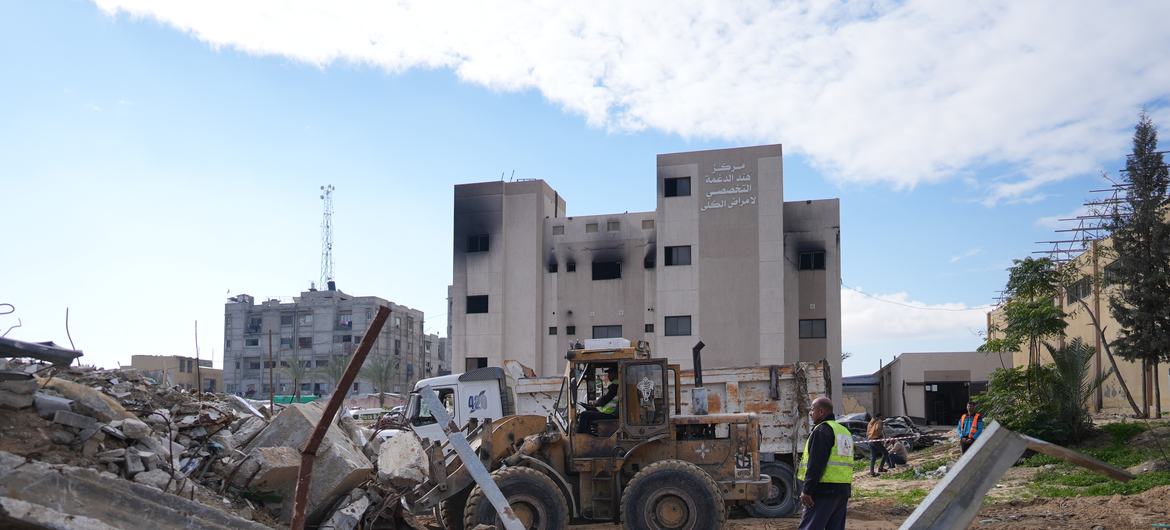
The returnees arrived on a bus carrying only 12 passengers, including three children and the rest women, at the Nasser Medical Complex, which had been prepared to receive those returning from outside the Gaza Strip. Their harrowing journey lasted approximately 20 hours, during which they were subjected to thorough searches and lengthy interrogations by the Israeli army.
These testimonies come amidst a limited return of travelers through the Rafah Crossing, under tight security measures and, according to the returnees, severe humanitarian hardship.
Anger and Resentment on Social Media
Their testimonies sparked widespread anger among Gaza residents on the social media who expressed their dismay at the suffering endured by the returnees. They emphasized their journey epitomized the ordeal and suffering experienced by residents of the Gaza Strip.
Social media users described the humanitarian situation at the crossing as extremely harsh, citing harrowing accounts from those who returned during its partial opening. These accounts detailed the abuse and violations they suffered at the hands of the Israeli occupation forces.
Others described the limited number of travelers as a microcosm of the entire situation, emphasizing that the partial opening of the crossing was merely symbolic, while the suffering was far greater than the number of people allowed to cross.
They pointed out the phrase “No one is allowed to leave Gaza” encapsulates all the forms of death and suffering endured by Palestinians simply for being Palestinian.
They also described what happened on the first day the crossing was opened as a complete farce, with only about 10 people crossing, compared to the hundreds or thousands who crossed before or at the beginning of the war.
Social media users pointed out that the Israeli-established crossing in the center of Gaza has become a point of interrogation, extortion, arrest, and recruitment. Returnees are subjected to lengthy searches and threats of detention for hours, in addition to strict restrictions on their belongings. This will deprive hundreds of thousands of people of their right to leave or return, jeopardizing their future.
Several users added that these measures are leading to widespread fear and constant anxiety among Gaza residents. They noted that families now dread any attempt to cross, and that opening the crossing in such a symbolic manner has not alleviated their suffering but rather exacerbated their sense of injustice and humiliation.
Last Monday, the Rafah land crossing was officially opened in both directions for the first time since May 2014, following a trial period on Sunday. This comes as part of the implementation of the second phase of the ceasefire agreement between Israel and Hamas. – Al Jazeera