The Pharaoh, Sphinx and The Museum

After years of anticipation, the Grand Egyptian Museum by the Pyramids opened on Saturday evening, marking the world’s largest archaeological complex dedicated to a single civilization.

The museum was opened in an official ceremony attended by President Abdel Fattah al-Sisi and delegations from 79 countries, including 39 led by kings, princes, and heads of state and government.

The launch featured musical performances in one of the museum’s courtyards, with the three pyramids visible in the background.

Performers appeared in distinctive pharaonic attire, resembling a grand procession according to Anadolu.

Egyptian Prime Minister Mostafa Madbouly described the museum as a “unique global edifice” and an “exceptional event in Egypt’s history.”

“This dream has lived in our imagination for years. This world-class monument is a gift from Egypt to humanity — a nation with more than 7,000 years of history,” he told a press conference before the opening.

Madbouly thanked everyone who contributed from the idea’s inception to the completion of the project, noting that most of the construction was carried out over the past seven years.

He explained that the concept dated back around 30 years, followed by preparatory work, design competitions, and architectural studies, before the construction began.

Board of Trustees member and businessman Mohamed Mansour predicted that the museum would attract over five million visitors annually.   

‘Fourth pyramid’

The idea of the Grand Egyptian Museum originated in the 1990s under former Culture Minister Farouk Hosni, who envisioned an open museum encompassing the pyramids, the Sphinx, and surrounding temples.

Former President Hosni Mubarak laid the foundation stone for the museum in 2002, and site preparation began in May 2005, but the project stalled for years.

Work resumed in 2014 under President Sisi, who expanded the plan to make it the largest museum in human history.

Between 2017 and 2023, construction, digital infrastructure, display design, and service and investment facilities were completed. The museum began trial operations in October 2024, pending its official opening as the world’s largest archaeological complex dedicated to a single civilization — Ancient Egypt.

Located two kilometers from the Giza Pyramids, the museum covers 490,000 square meters. Visitors can view the pyramids through the five-story glass facade, designed to align with the Great Pyramid’s height, and take photos with the pyramids while exploring King Tutankhamun’s treasures.

The project cost around $1 billion, financed through two Japanese loans totaling $800 million, in addition to Egyptian government funding, donations, and partnerships.

The entrance hall features a colossal statue of Ramses II, and the museum houses over 57,000 artifacts chronicling Egypt’s history. The Grand Staircase spans 6,000 m² — the height of a six-story building — and the museum includes 12 main galleries, temporary exhibition halls, and the Tutankhamun collection with over 5,000 artifacts displayed together for the first time since the tomb’s 1922 discovery.

It also includes a children’s museum, artifacts from Queen Hetepheres, mother of King Khufu, the Khufu boat museum, and various pieces from the Greek and Roman eras.

The design represents sun rays converging from the three pyramids, forming a conical structure — the museum itself — appearing as a “fourth pyramid” when viewed from above.

The logo, unveiled on June 10, 2018, emerged from an international UNESCO-supervised design competition. It reflects the building’s architectural identity, inspired by the orange glow of sunset over the plateau and fluid Arabic calligraphy evoking desert dunes.

CrossFireArabia

CrossFireArabia

Dr. Marwan Asmar holds a PhD from Leeds University and is a freelance writer specializing on the Middle East. He has worked as a journalist since the early 1990s in Jordan and the Gulf countries, and been widely published, including at Albawaba, Gulf News, Al Ghad, World Press Review and others.

Related Posts

Top Writer Says ‘No’ to Berlinale

Top Indian writer Arundhati Roy has pulled out of the Berlin International Film Festival (Berlinale) after criticizing “unconscionable statements” by members of the festival jury, who said that art should not be political when asked about the Israeli genocide in Gaza.

Roy had been scheduled to attend a screening of her 1989 film In Which Annie Gives It Those Ones in the Classics section of Berlinale 2026.

In a strongly worded statement, Roy said the selection of the film had initially filled her with warmth and nostalgia. She noted that she had long felt disturbed by the positions of the German government and several cultural institutions on Palestine. Still, she said she had consistently received solidarity from German audiences when speaking about Gaza, which encouraged her to consider attending the festival.

However, Roy said she changed her decision after hearing comments from members of the Berlinale jury earlier that day.

“Like millions of people across the world, I heard the unconscionable statements made by members of the jury of the Berlin film festival when they were asked to comment about the genocide in Gaza,” Roy wrote.

She described labeling the genocide a political issue then insisting that art should remain separate from politics as “jaw-dropping.” She added that such framing shuts down urgent conversations about a crime against humanity.

Roy stated clearly in her message that she believes events in Gaza amount to genocide against Palestinians by Israel. She further added that the United States and Germany, along with several European governments, support and fund Israel and therefore share responsibility.

“If the greatest film makers and artists of our time cannot stand up and say so, they should know that history will judge them,” she wrote, adding that she felt “shocked and disgusted.”

Roy concluded her statement by confirming that, “with deep regret,” she would not attend the Berlinale.

The controversy emerged after journalists asked Berlinale jury members to comment on the genocide in Gaza and Germany’s support for Israel, which also funds the festival.

Polish producer Ewa Puszczyńska, a member of the jury, refused to answer.

“There are many other wars where genocide is committed, and we do not talk about that,” Puszczyńska said. She described the issue as “complex” and claimed that it was unfair to ask jury members to comment on government policies.

Roy’s withdrawal adds to rising tensions within European cultural spaces over the Israeli genocide in Gaza. Artists, writers, and filmmakers have increasingly debated whether cultural platforms should take political positions. – Quds News Network

Continue reading
Gaza Radio Station Returns to The Airwaves

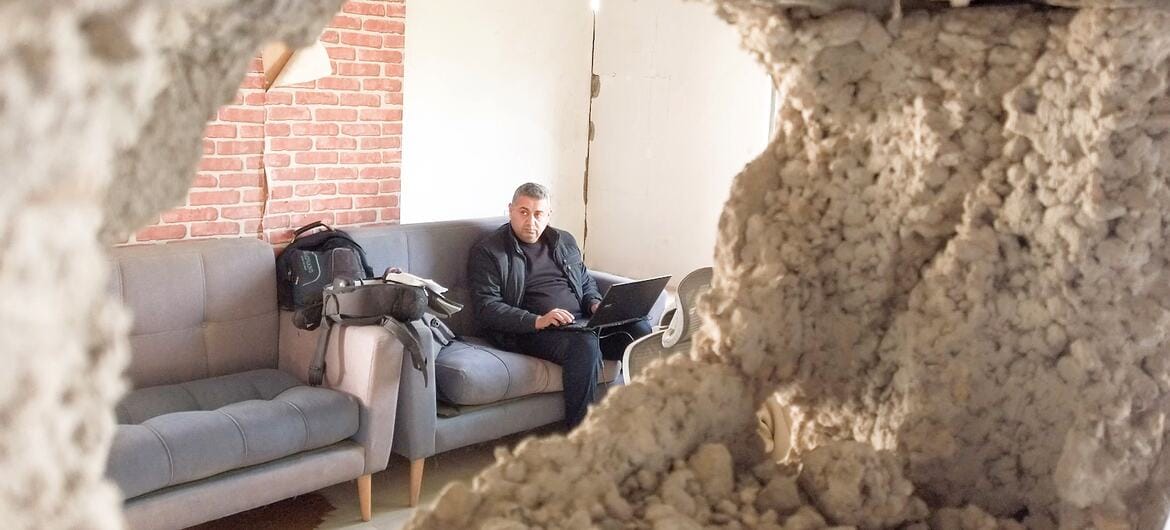
Broadcaster Rami Al-Sharafi works on a laptop inside the damaged Zaman FM radio station building in Gaza, marking what may seem an unlikely return to the airwaves amid the rubble of the deadly two-year Israel-Hamas war.

While 23 local radio stations were operating in Gaza before the conflict erupted, they were all destroyed and ceased broadcasting, he told UN News.

“Today, we are the only radio station broadcasting on FM from within Gaza after this widespread destruction,” he said. “We hope that other local radio stations will resume broadcasting, thus allowing competition in providing media services to the people of the Gaza Strip.”

Ahead of World Radio Day, observed on 13 February, the resumption of broadcasting comes at a time when Gaza’s media infrastructure still faces significant challenges amid local and international calls to support journalism as part of broader recovery and reconstruction efforts in the sector.

A journalist works at a desk in a damaged office in Gaza, viewed through broken pillars. Another person uses a laptop in the background.

UN News

A journalist works in the damaged office of Zaman 90.60 FM radio station in Gaza City.

Digging through the rubble

After a hiatus of nearly two years due to the war, some local radio stations in the Gaza Strip are transmitting again, in a move showing gradual efforts to revive the media landscape in the war-ravaged Strip – much of which has suffered widespread destruction of infrastructure and civilian institutions from Israeli attacks.

Zaman FM operates in the Tel al-Hawa neighbourhood of Gaza City, where Israeli attacks triggered a famine and left mountains of debris in the streets.

The cracked walls of the station’s building tell a story of immense destruction and the scene inside is unlike any other radio studio in the world. 

Employees dig through the rubble to keep the station broadcasting, working with minimal technical resources while behind them, awareness posters warn people of the dangers of dilapidated buildings.

On-air messages of hope

Local radio remains vital in Gaza as humanitarian crises persist, power outages continue and access to other media remains limited. This makes radio one of the most effective ways of getting key messages out to the public, along with health guidance and information about other services.

Gaza is in dire need of professional local radio stations capable of broadcasting awareness messages and guidance bulletins in light of the spread of diseases, the deterioration of the education system and the disruption of many basic services, said Mr. Al-Sharafi, director of the radio station and host of the morning programme, An Hour of Time.

“We need to deliver information to the population and guide them to the services that have stopped and are gradually being resumed,” he said, “especially in light of the difficult health conditions and the spread of epidemics.”

Amid the destruction all around, Mr. Al-Sharafi sits behind his dust-covered microphone and does just that. 

He sends morning greetings to Gaza residents and provides them with important information and updates, bringing some much-needed hope to the airwaves across a devastated landscape that has only just begun to recover – UN News

Continue reading

You Missed

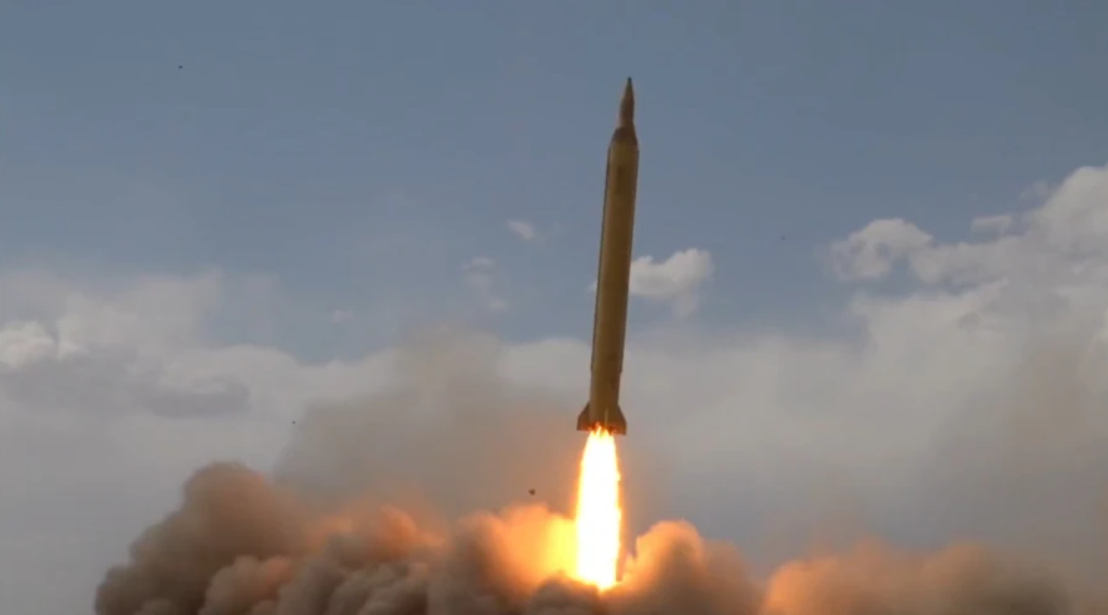
IRGC says Iran started its Operation True Promise 26 by launching missiles and drones against Israel

IRGC says Iran started its Operation True Promise  26 by launching missiles and drones against Israel

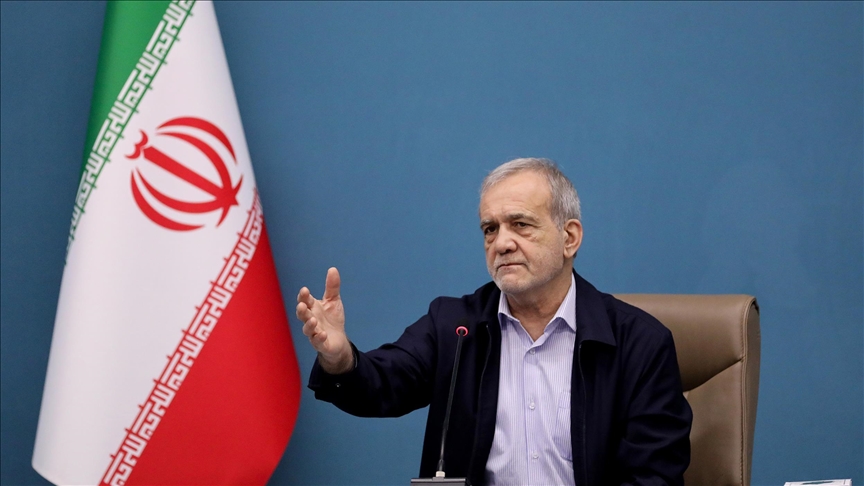
Iran Halts Attacks on Neighboring States Unless…

Iran Halts Attacks on Neighboring States Unless…

Iranian govt spokesman: 30% of victims are children; 165 of them killed among 1300 civilians who died by US/Israeli bombing

Iranian govt spokesman: 30% of victims are children; 165 of them killed among 1300 civilians who died by US/Israeli bombing

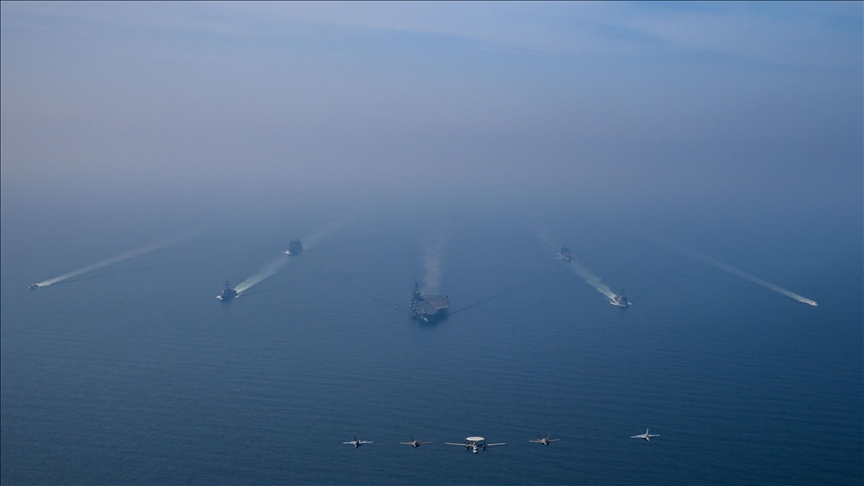
White House: ‘We destroyed more than 30 Iranian ships and are moving to destroying the navy completely’

White House: ‘We destroyed more than 30 Iranian ships and are moving to destroying the navy completely’

White House: ‘We Have 4 to 6 Weeks to End The Military Operations in Iran’

White House: ‘We Have 4 to 6 Weeks to End The Military Operations in Iran’

IRGC: Iran Has Not Closed The Hormuz Strait Except to Ships Linked to Israel/USA

IRGC: Iran Has Not Closed The Hormuz Strait Except to Ships Linked to Israel/USA