When Will ‘Technical Committe’ be Allowed to Enter Gaza?

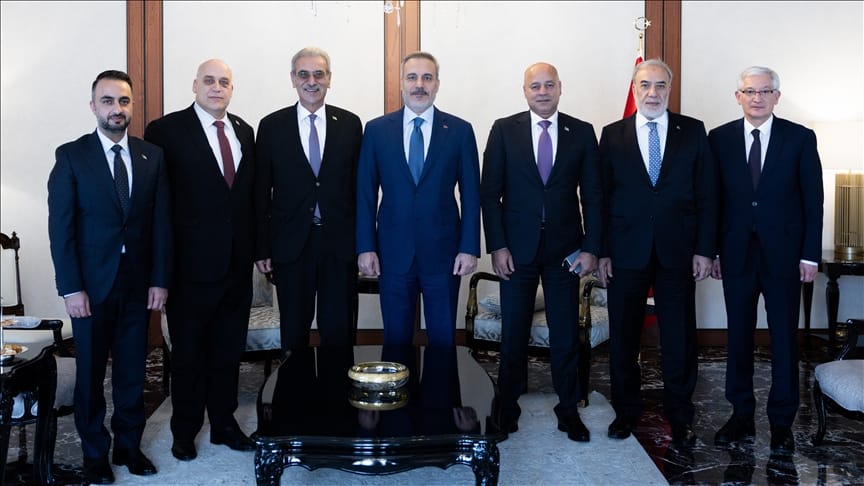
The National Committee for the Administration of Gaza (NCAG) said on Saturday that statements by the Gaza administration regarding readiness to hand over all public institutions pave the way for enabling the body to fully assume its responsibilities in managing the transitional phase.

In a statement, the committee, which was formed after the October ceasefire in the Gaza Strip, said it “views the recent expression of readiness for an orderly transition as a pivotal step in fulfilling its mandate as the transitional administration of Gaza.”

Gaza’s media office on Thursday renewed its call for the national committee to begin carrying out its duties. Hamas has also repeatedly announced readiness to facilitate the committee’s work.

“We emphasize that full administrative, civilian, and police control by the NCAG is not merely procedural; it NCAG cannot be expected to carry responsibility without the full administrative, civilian, and police powers necessary to implement its mandate effectively,” said the statement according to Anadolu.

The readout, however, did not specify when the committee would begin operating from Gaza. The NCAG earlier announced it started its work from Cairo in mid-January.

The entry of committee members into Gaza requires field and security coordination through crossings controlled by Israel. No official position has yet been issued by the body, explaining the delay in its entry, and Israel has not commented on the matter.

The committee said that enabling it to operate efficiently and independently in Gaza would “unlock international support for recovery, reconstruction, secure a complete Israeli withdrawal, and restore normal daily life.”

The committee also called on mediators and all parties concerned to “to intensify efforts to resolve outstanding issues without delay,” stressing that the Palestinian people “cannot afford more time lost; we must move now to ensure a smooth and credible transition.”

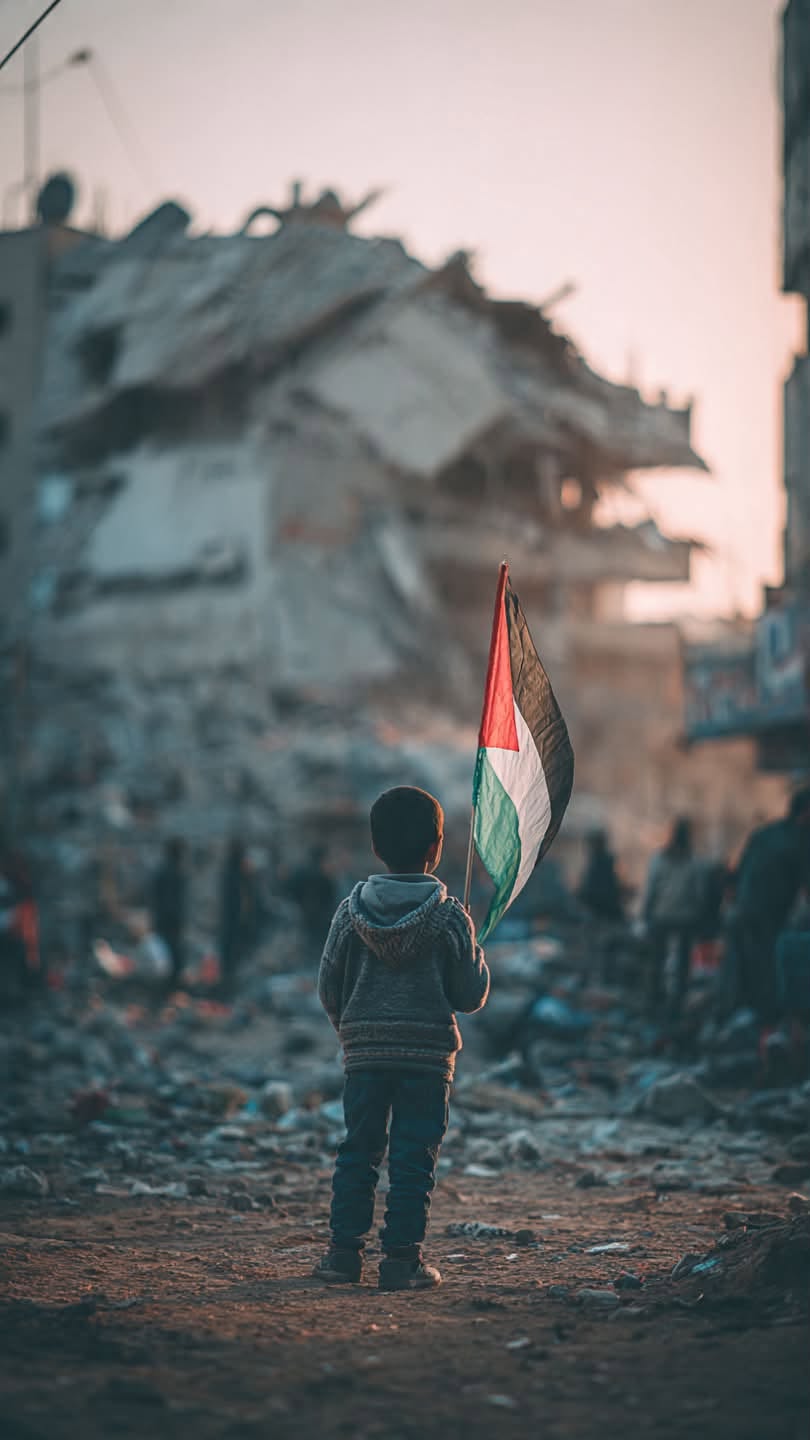
The Oct. 10 ceasefire agreement ended Israel’s two-year war that began on Oct. 8, 2023. Palestinian authorities say the conflict killed more than 72,000 Palestinians, wounded over 171,000 others and caused widespread destruction affecting 90% of civilian infrastructure. The UN estimates reconstruction costs at approximately $70 billion.

At least 591 Palestinians also have been killed and over 1,578 others injured in Israeli attacks since the ceasefire, according to Gaza’s Health Ministry.

  • CrossFireArabia

    CrossFireArabia
    Dr. Marwan Asmar holds a PhD from Leeds University and is a freelance writer specializing on the Middle East. He has worked as a journalist since the early 1990s in Jordan and the Gulf countries, and been widely published, including at Albawaba, Gulf News, Al Ghad, World Press Review and others.

    Related Posts

    Did Little Malak Deserve Death?

    Palestinian child Malak Qaddoum has succumbed to injuries she sustained in an Israeli strike west of Gaza two days ago.

    She is the third member of her family to be murdered after her father and sister were also murdered.

    Continue reading
    Occupied Palestinian Territories in Crisis

    The Occupied Palestinian Territory is facing a severe humanitarian crisis, with both Gaza and the West Bank experiencing unprecedented levels of violence and deprivation.

    In Gaza, following the collapse of a brief pause in hostilities in March 2025, Israeli forces resumed intensive bombardment while maintaining a complete blockade that has now entered its eighth week, preventing all humanitarian aid and commercial supplies from entering.

    This has left Gaza’s 2.2 million residents facing starvation as food stocks deplete, bakeries cease operations due to lack of flour and fuel, and nearly 90% of the population remains displaced with critical infrastructure almost entirely destroyed.

    A new U.S.-backed peace plan led to a pause in hostilities agreement coming into effect on 10 October 2025, raising cautious hopes for increased humanitarian access and a potential reduction in hostilities after months of relentless violence. However, despite the pause in hostilities, sporadic violations, limited aid entry, and continued displacement highlight the fragility of the pause in hostilities and the deep humanitarian strain that persists across Gaza.

    Meanwhile, the West Bank has seen a dramatic escalation in military operations, particularly since the launch of “Operation Iron Wall” in January 2025, which has resulted in mass displacement of Palestinians and widespread destruction across refugee camps. Israeli forces have displaced approximately 40,000 people, with officials stating that residents will not be allowed to return for at least a year, while expanded checkpoints and military presence severely restrict movement between Palestinian cities.

    International organisations and UN bodies have expressed increasing concern about systematic violations of international humanitarian law in the West Bank, including accelerating settlement expansion, land reclassification and forced displacement that multiple observers warn are driving de facto annexation dynamics.

    These concerns have intensified following the International Court of Justice’s 2024 advisory opinion on the illegality of the prolonged occupation and the Israeli authorities’ security cabinet decisions of 8 February 2026 expanding civil and administrative control over West Bank land and governance.

    Reliefweb

    Continue reading

    You Missed

    Did Little Malak Deserve Death?

    Did Little Malak Deserve Death?

    Handala in Ireland

    Handala in Ireland

    Occupied Palestinian Territories in Crisis

    Occupied Palestinian Territories in Crisis

    Palestinian Journalists Under Attack – 55 Israeli Violations in May

    Palestinian Journalists Under Attack – 55 Israeli Violations in May

    Jordan Footballers Delighted For World Cup Matches

    Jordan Footballers Delighted For World Cup Matches

    World Cup: Trump, Political Footballing and Iran – A View From Amman

    World Cup: Trump, Political Footballing and Iran – A View From Amman