CrossFireArabia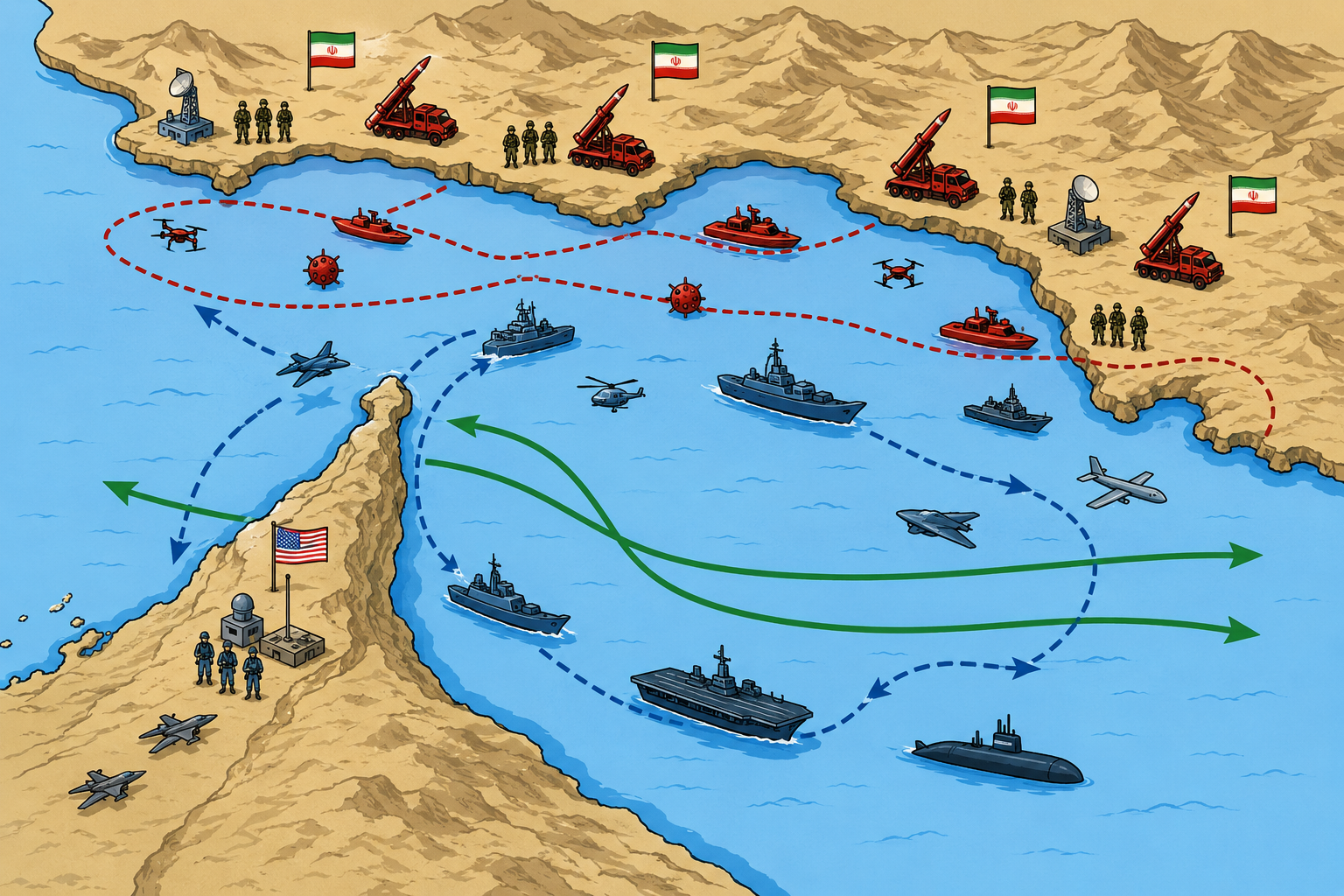
Saleem Ayoub Quna
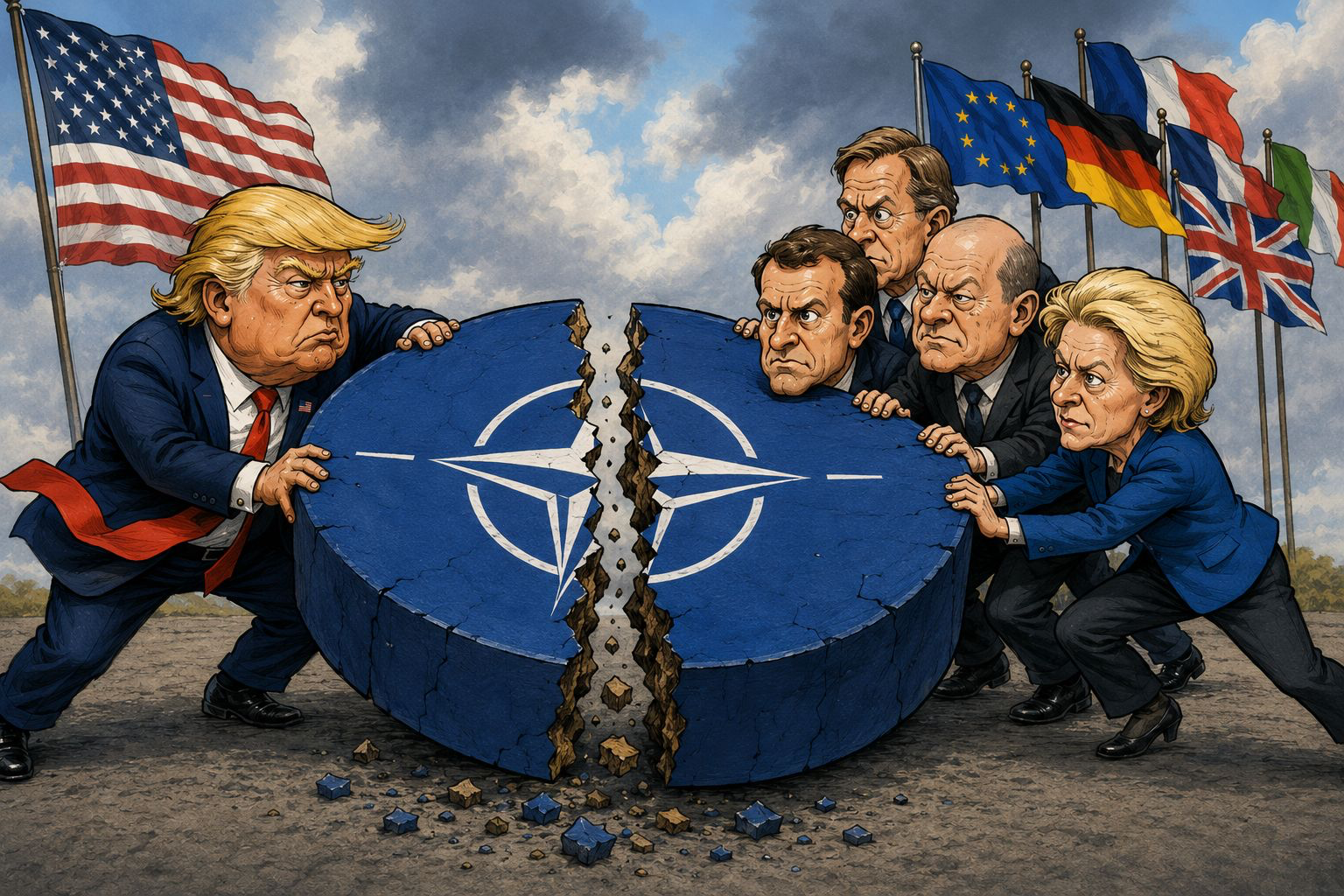
Back in June 2025, the first part of this “war of choice” against Iran was ignited by the US and Israel, while American and Iranian negotiators were still exchanging notes and drinking coffee in Geneva. The 12-day-war that interrupted those negotiations quickly evolved into a war, with less and less choices, for the Americans and Israelis. One of those lesser choices, however, was to seek an immediate ceasefire, or ask for a temporary “exit of necessity” through the Qatari intermediaries.
The surprise massive aerial strikes on strategic targets in Iran were meant to force a regime change in Tehran, while preparing the ground for a popular uprising. But the hour, those initial objectives of this war started splintering around, creating more havoc and chaos than originally was anticipated!
That’s also why the “Midnight Hammer”, operation as it was called looked like a last desperate resort to put an end to the alleged 47-year-old Iranian “nightmare”, but instead quickly turned into real daytime headache for Trump, Netanyahu and company. The only fix available then was to suspend the dual American-Israeli hammering until further notice!
Such a notice took eight long months, before resuming the war, as if it we were watching a rehearsal for another “exit of necessity” scenario in the future!
Then in the midst of all this new fiasco came the unexpected twist, when Iran decided to take advantage of its geographical location directly dominating the strait of Hormuz, while it’s contenders had to keep their ships and vessels in the hot open water of the sea of Oman and the Indian Ocean floating, without a time limit in sight!
Because through that ancient waterway, precious commodities for the modern way of life across the globe, are transported, any slight halt or interruption of the flow of goods, topped by oil and gas, represents a red line for the world economy order, led by the US.
As the old saying goes, every antagonist has to play his cards the way he sees fit. It is paradoxical how this one card, “Hormuz”, was cunningly able to counterweight all cards in the hands in favor of the Americans and their Israeli allies.
But unlike the losers in a final soccer match, where the worst enemy is time, time in the current precarious lull situation around the Hormuz bottle neck, has different interpretation and role for each side.
For Iran, time has been a daily routine owe-game since 1979, when the West led by the US, imposed all kinds of sanctions against it. For the US under Trump’s administration, time means billions of dollars spent on keeping the imposing armadas floating, increasing gas and stock markets prices, tracking fluctuating polls and rating at home, the upcoming mid-term elections and finally the special homework for the scheduled summit with the Chinese, the good neighbors of the North Koreans.
If I were one of the journalists covering Trump’s upcoming visit to Beijing, I would have one question for him: “Do you mind, Mr. President, if Mr. Kim Jong Un, the one you used to call “little rocket man”, before you met him three times in a year, to come over here in Beijing for a cocktail”?
Regardless of his answer which would be typically evasive, and by the time he wraps up his talks with the Chinese leader, Trump, to the total dismay of his private mentor, special advisor on nuclear issues and trusted guide on Middle East affairs, Bibi Netanyahu, hopefully would come out of it, better coached on how to offer himself and the world an “exit of necessity” scenario from the current Hormuz entanglement, in a fashion similar to the one he had applied before, when he not only stopped calling Kim Jong Un, the tough North Korean President, the “little rocket man”, but scrapped his name and his rockets problem from his notes, for good!

 Dr Khairi Janbek