Crisis in Yemen: I in 3 Women Die in Childbirth

Yemen remains gripped by one of the world’s worst humanitarian crises, with 22 million – out of a population of 35 million – requiring assistance. Women and girls account for half of those in need, and two-thirds of them are of childbearing age, placing reproductive health at the heart of the emergency.

The UN agency supporting women and girls in the field (UNFPA) is working across the country to meet urgent reproductive needs. It warns that a combination of malnutrition, limited healthcare and rising protection risks is putting lives in jeopardy.

‘Malnutrition is on the rise’

One of the most immediate concerns is food insecurity. “Unfortunately, malnutrition is on the rise,” says Francesco Galtieri, the agency’s senior official in Yemen. 

The consequences are particularly severe for pregnant women – when they lack adequate nutrition during pregnancy, the risks to their babies’ development and health increase significantly.

Healthcare access, especially in rural and remote areas, is another critical challenge. 

The country has the highest maternal mortality rate in the Arab region, and three women die every day due to pregnancy complications or during childbirth. Around two-thirds of these deaths could be prevented if they had access to a midwife or doctor.

Beyond health, protection from violence is a pressing concern. Conflict and economic hardship have heightened risks for women and girls, who often bear the brunt. 

Funding cuts result in death

Safe spaces supported by UNFPA offer women refuge and a path to recovery, providing psychosocial support, vocational training and economic empowerment initiatives designed to help survivors rebuild their lives. 

The agency also provides legal assistance to those seeking justice through Yemen’s legal system.

Despite these achievements, funding cuts are putting the programmes under severe strain. Mr. Galtieri told UN News that around 40 per cent of UNFPA’s humanitarian funding was cut last year, forcing the agency to suspend or halt support for roughly one third of its services.

In a country with high maternal mortality, reduced services mean that a woman experiencing complications may be unable to access lifesaving care, often resulting in the death of both mother and child.

Protection services have also been affected. This year, UNFPA-supported shelters have been unable to accept new survivors of gender-based violence, and the cuts can lead to lasting effects on children affected by malnutrition and trauma.

A truck loaded with WHO-branded boxes unloads supplies at the Al-Thawra Hospital in Yemen, with a crowd of people gathered nearby.
Photo: WHO/ Abdullah Al-Halabi The World Health Organization (WHO) has provided the Al-Thawra Hospital in Hudaydah, Yemen, with 30 medical beds, 5 infant radiant warmers and 1 trauma kit.

Healthy debate?

Mr Galtieri is currently in New York attending meetings of UNFPA’s Executive Board, where representatives from conflict-affected areas are engaging with Member States. 

Discussions have highlighted renewed debate around sexual and reproductive health and rights, an issue he says has not been under such scrutiny in decades.

“I always wonder why, when a society enters into a phase of tension and confrontation, women and girls become the focus of that political confrontation,” he says.

Appealing directly to decision-makers, Mr. Galtieri urges greater investment in essential services such as midwifery, arguing that prioritising lifesaving care over other expenditures should not be controversial. 

Funding decisions often favour other priorities, despite the clear human cost. In Yemen, he warns, that cost is measured in the lives of women and girls who might otherwise have survived. UN News

CrossFireArabia

CrossFireArabia
Dr. Marwan Asmar holds a PhD from Leeds University and is a freelance writer specializing on the Middle East. He has worked as a journalist since the early 1990s in Jordan and the Gulf countries, and been widely published, including at Albawaba, Gulf News, Al Ghad, World Press Review and others.

Related Posts

UN: Humanitarian Access Blocked by 900 Israeli Checkpoints

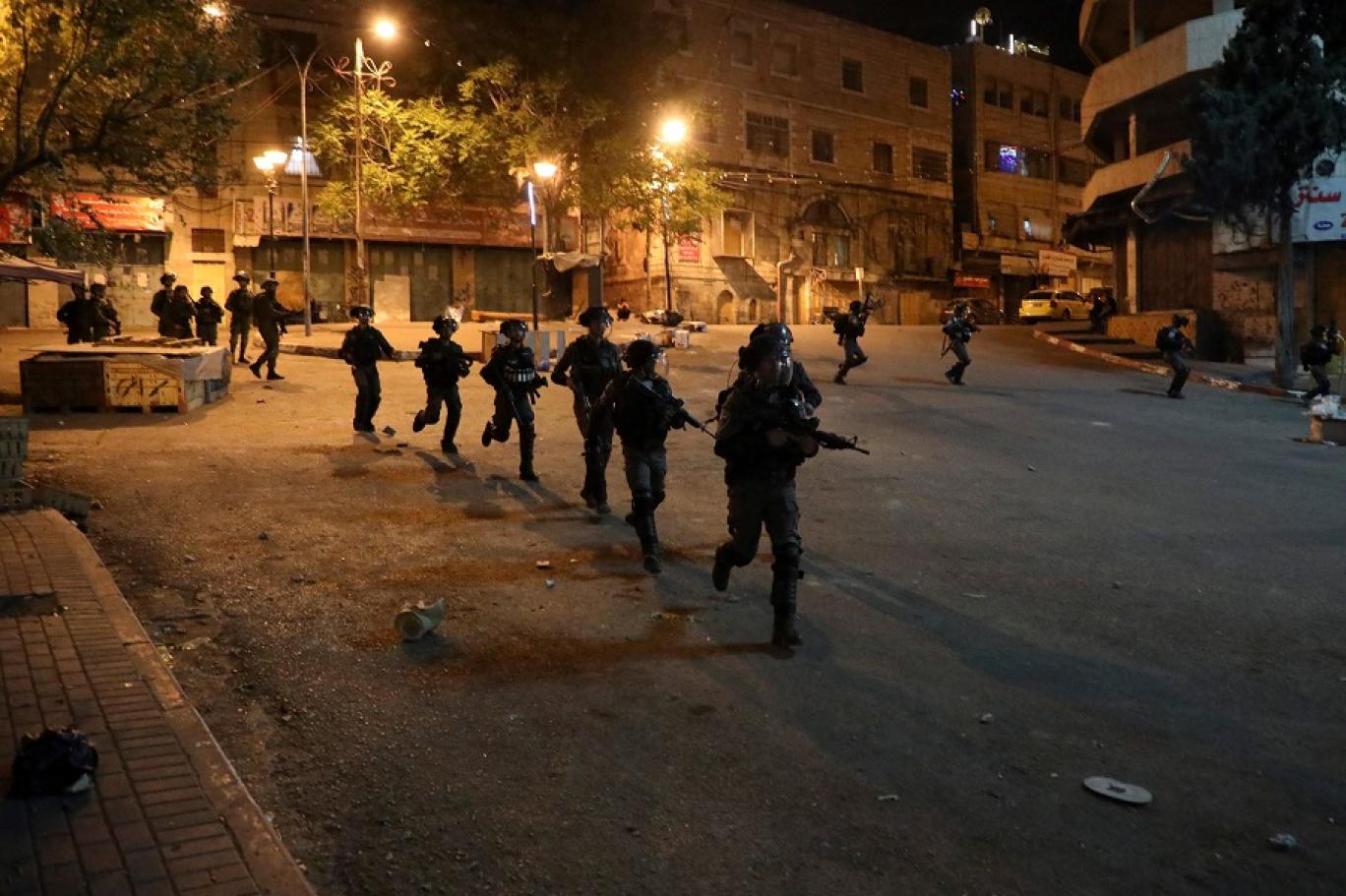
Humanitarian operations in the occupied West Bank are being delayed and restricted by a network of more than 900 physical obstacles, including checkpoints, gates and roadblocks, the UN said Friday.

Daniela Gross De Almeida, an associate spokesperson, told reporters that the restrictions are limiting humanitarian access and leaving people in need without adequate assistance.

“Our humanitarian partners warn that aid work is being delayed and limited by a network of over 900 physical obstacles including checkpoints, gates, roadblocks, and other restrictions. This hinders humanitarian access and leaves people in need underserved,” De Almeida said.

In the village of Qusra, near Nablus, aid and municipal workers have been unable to reach three Palestinian families who have been trapped in their homes since Tuesday, she said, adding that the families became isolated following the establishment of a settlement outpost near their homes and tightened access restrictions in the area.

“Our colleagues warn that efforts to protect Palestinians have been ineffective, with settlers reportedly reinstalling a tent that Israeli forces had dismantled yesterday,” she said.

Turning to Gaza, she said humanitarians continue to provide vital aid to people in the besieged Strip, despite persistent insecurity and restrictions.

“Last week, we and our partners mobilized rapid support for people who had lost their shelters or were displaced again due to attacks, domestic fires, and other incidents. In more than a dozen reported incidents, people were displaced and lost their belongings due to attacks, impacting nearly 290 households,” she said. Anadolu

Continue reading
70,000 Perform The Friday Prayers in Al Aqsa

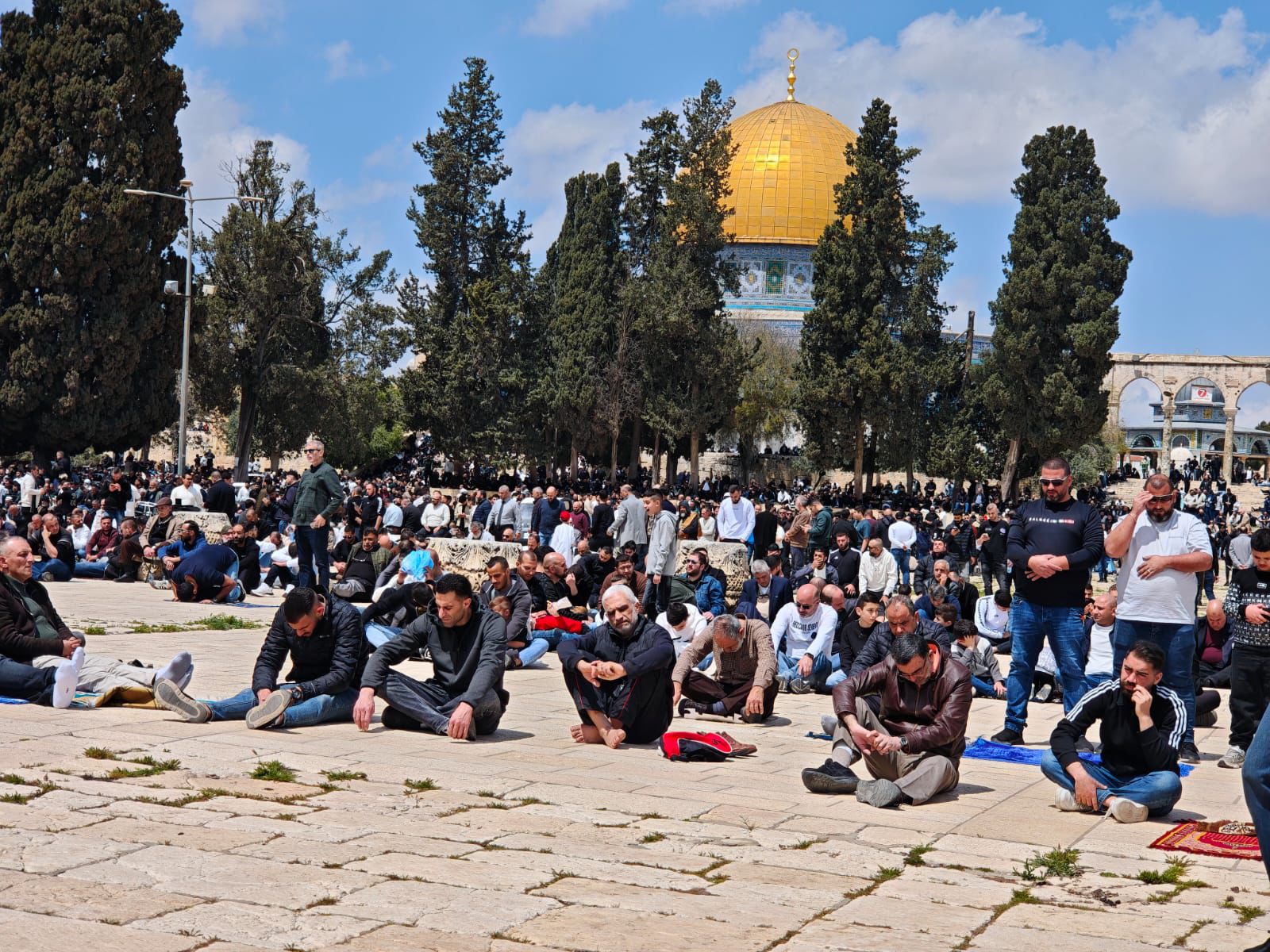
CROSSFIREARABIA – Tens of thousands performed their Friday noon prayers at the Al Aqsa mosque.  The Islamic Awqaf Dept stated that around 70,000 people performed the Friday prayers. The entry of people was made despite the strict inspections imposed upon them as they entered the compound of the Al Aqsa Mosque. Israeli soldiers turned many young people away and arrested Amir Al Risheq Hatta Gate leading to the Old City.

Continue reading

You Missed

UN: Humanitarian Access Blocked by 900 Israeli Checkpoints

UN: Humanitarian Access Blocked by 900 Israeli Checkpoints

70,000 Perform The Friday Prayers in Al Aqsa

70,000 Perform The Friday Prayers in Al Aqsa

90% of Gazans Displaced in Tattered Tents, Living on Rubble

90% of Gazans Displaced in Tattered Tents, Living on Rubble

Glorious Yemen

  • By Heba
  • August 14, 2026
  • 11 views
Glorious Yemen

Say Cheese!

Say Cheese!

Israel Vessels Fire at Three Fishermen in Gaza

  • By marwan
  • August 14, 2026
  • 12 views
Israel Vessels Fire at Three Fishermen in Gaza