ICC’s Karim Khan Tells Judges to ‘be Quick’ on Arrest Warrants

Karim Khan, the International Criminal Court prosecutor asked the ICC committee of judges to make a decision urgently on issuing arrest warrants for Israeli Prime Minister Benjamin Netanyahu and his Defense Minister Yoav Galant.

His statement, made on Friday, is being relayed on international news websites as well as the social media.

Khan called on the judges who are looking into the arrest warrant cases for Israeli officials and the Hamas leaders to make their decision quickly.

Khan said “any unjustified delay in these proceedings negatively affects the rights of victims.”

He stressed “the court has jurisdiction over Israelis who commit brutal crimes in the Palestinian territories,” and asked the judges of the ICC to reject the appeals submitted by dozens of governments and other parties in viewing the judgement to be made.

He added in his request to the court for prompt action “it is legally established that the court has jurisdiction in this situation,” rejecting the legal arguments based on provisions in the Oslo Accords and Israel’s claims that it is conducting investigations into alleged war crimes.

“There are reasonable grounds to believe that Netanyahu and Galant bear criminal responsibility for war crimes and crimes against humanity,” the ICC prosecutor explained.

On May 20, Khan requested the ICC to issue arrest warrants for Netanyahu and Galant.

He also requested an arrest warrant to be issued for Hamas leader Yahya Sinwar and the commander-in-chief of the Qassam Brigades, Mohammed Deif.

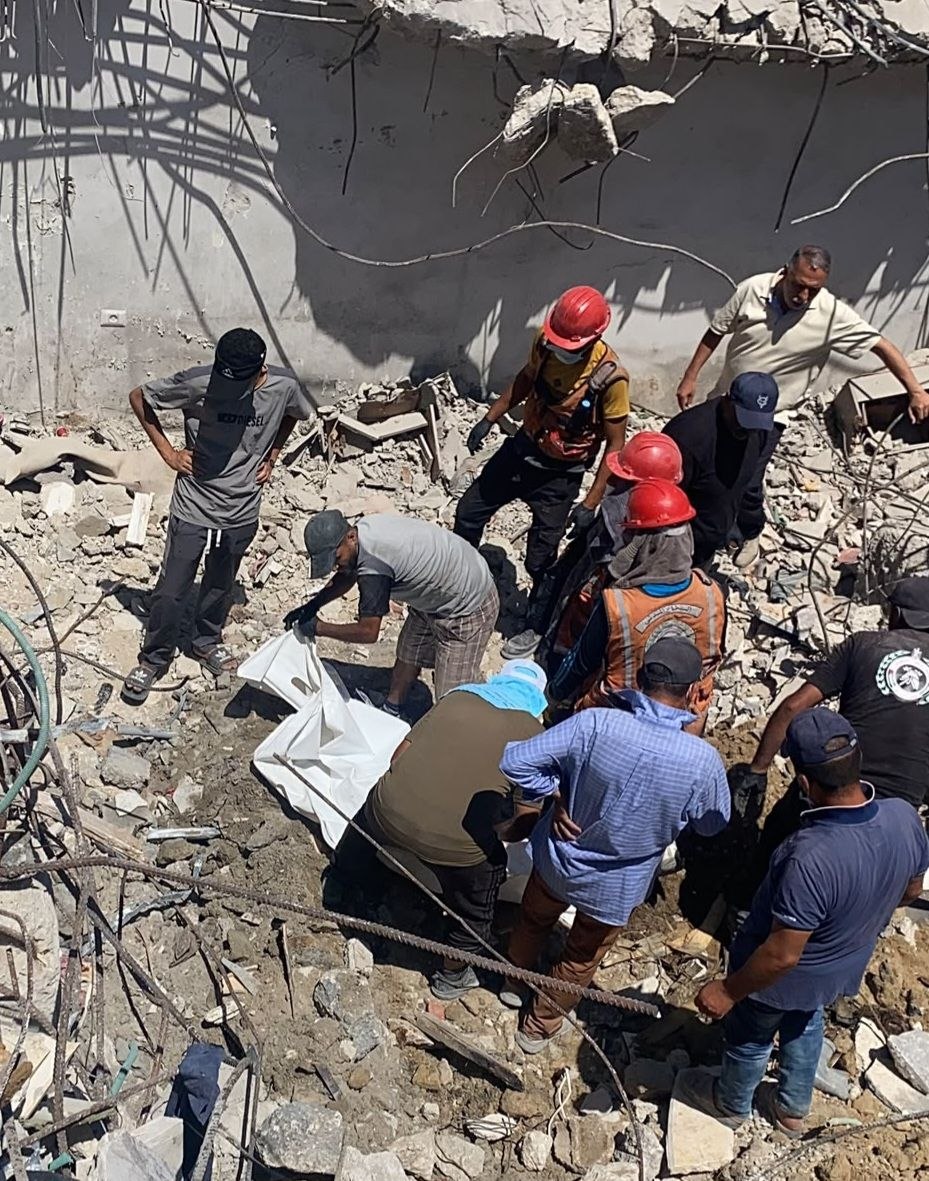
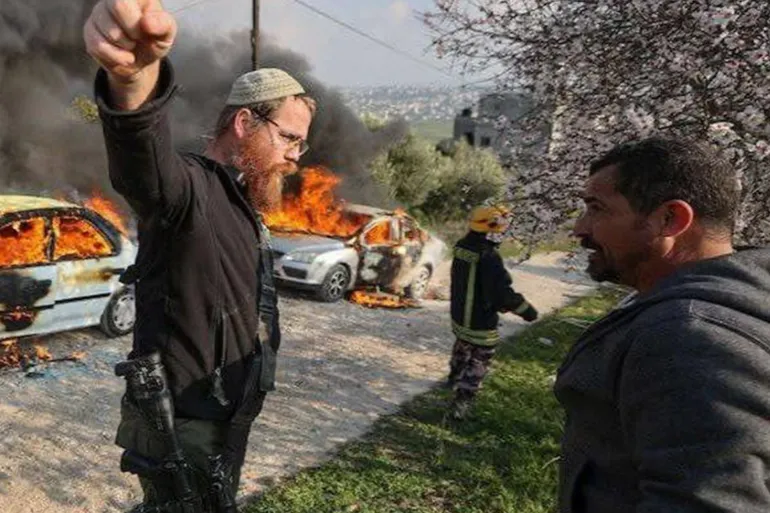
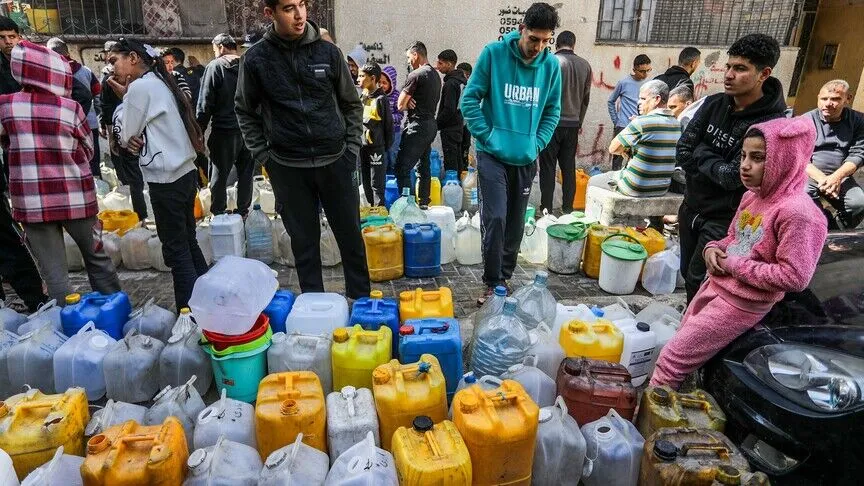
Since 7 October, 2023, Israel launched its war on the Gaza Strip, with American and European support, as its warplanes, tanks and army bombed the vicinity of hospitals, buildings, towers and homes of Palestinian civilians and destroyed them over the heads of their residents, and have prevented the entry of water, food, medicine and fuel into the enclave according to the Quds News Network.

The ongoing aggression by the occupation on Gaza has led to the killiong of 40,265 martyrs, the injury of 93,144 others, and the displacement of 90% of the population of the Strip, according to data from the United Nations.

  • CrossFireArabia

    CrossFireArabia

    Dr. Marwan Asmar holds a PhD from Leeds University and is a freelance writer specializing on the Middle East. He has worked as a journalist since the early 1990s in Jordan and the Gulf countries, and been widely published, including at Albawaba, Gulf News, Al Ghad, World Press Review and others.

    Related Posts

    US/Israel Used 3000 Missiles in First 36 Hours of War

    More than 3,000 precision-guided munitions and interceptors were used in the first 36 hours of the US-Israeli offensive against Iran, revealing a major weakness in the supply chain.

    Estimates by the Payne Institute indicated that Iran launched over 1,000 weapons across the region, including around 380 ballistic missiles, 700 Shahed drones, and 50 air defense missiles, prompting large-scale interception attempts by the US, Israel, and Gulf countries that have been targets of Iranian retaliatory attacks.

    During the opening phase of the campaign, US forces used a wide range of offensive weapons, including 210 JDAM precision-guided bombs, 120 Tomahawk cruise missiles, 120 low-cost drones, and 90 AGM-88 anti-radiation missiles targeting Iranian radar systems.

    Israeli forces also conducted extensive strikes, using about 280 Spice-guided bombs, 140 smart bomb kits, 70 Rampage supersonic missiles, and 50 Delilah cruise or loitering missiles, according to the estimates.

    Defensive systems were also heavily used to intercept Iranian attacks. The US fired approximately 180 SM-2/SM-3/SM-6 naval interceptors, 90 Patriot PAC-2/PAC-3 missiles, and 40 THAAD interceptors, while Israel deployed 70 Iron Dome Tamir interceptors, 40 Arrow missiles, and 35 David’s Sling interceptors.

    Regional partners also participated in air defense efforts, with Gulf states launching about 250 Patriot PAC-3 interceptors and 30 THAAD missiles, the estimates showed.

    The intense exchange of missiles and drones underscored a broader strategic challenge, according to media reports. While defensive systems have largely intercepted incoming attacks, the cost and volume of munitions used are placing significant strain on Western supply chains.

    Replenishing these arsenals is not only a financial challenge but also a supply-chain issue tied to critical minerals, including cobalt, tungsten, and rare earth elements that are essential for guidance systems, electronics, and rocket motors.

    Many of these materials are sourced from limited suppliers, with China dominating several key mineral markets, raising concerns that prolonged conflict could expose vulnerabilities in Western defense manufacturing capacity. Anadolu

    Continue reading

    You Missed

    Israeli army: We dropped 7500 bombs in Iran since the start of the war

    Israeli army: We dropped 7500 bombs in Iran since the start of the war

    Ali Larijani: The US doesn’t know us and… it won’t be able to recreate the Venezula scenario with us’

    Ali Larijani: The US doesn’t know us and… it won’t be able to recreate the Venezula scenario with us’

    IRGC says Iran started its Operation True Promise 26 by launching missiles and drones against Israel

    IRGC says Iran started its Operation True Promise  26 by launching missiles and drones against Israel

    Iran Halts Attacks on Neighboring States Unless…

    Iran Halts Attacks on Neighboring States Unless…

    Iranian govt spokesman: 30% of victims are children; 165 of them killed among 1300 civilians who died by US/Israeli bombing

    Iranian govt spokesman: 30% of victims are children; 165 of them killed among 1300 civilians who died by US/Israeli bombing

    White House: ‘We destroyed more than 30 Iranian ships and are moving to destroying the navy completely’

    White House: ‘We destroyed more than 30 Iranian ships and are moving to destroying the navy completely’