Yemen: Ruining Lives Through War

Yemen is facing a nutrition emergency of catastrophic proportions, with three districts plunged into severe crisis and four more teetering on the edge of famine. This escalating disaster demands immediate global action and unwavering humanitarian support to avert further tragedy and safeguard countless lives.

While many countries face food insecurity and shortages, famine is only declared by the United Nations when certain conditions are met, using a scale known as the Integrated Food Security Phase Classification (IPC). A famine classification is the highest on the IPC scale, and is declared in an area where at least 20% of the population faces extreme food shortages, acute malnutrition rates exceed 30%, and two out of 1,000 people die from starvation on a daily basis. 

Sever crisis

For the first time, this level has been reported in Yemen by UN experts in three districts. A report published by the UN’s Integrated Food Security Phase Classification (IPC) Technical Group in Yemen, covering only areas under government control, found that two districts in Hodeidah Southern lowland and one in Taiz lowland (Makha) falls within Phase 5, which is considered the worst phase of the IPC, and four other districts—Mawza and Al Makha in Taiz lowland, and Hays and Al Khawkhah in Hodeidah lowland—are expected to follow by October 2024.

Yemen’s food crisis is a man-made result of the war there, with the most critical cases emerging along the war-torn country’s Red Sea coast. The protracted and devastating conflict that began in March 2015 continues to destroy Yemen, already one of the poorest countries in the Arabian Peninsula and the Middle East and North Africa (MENA) region. 

War ruins lives, uproots communities, and wrecks food systems, making it the primary cause of hunger in Yemen. In almost a decade, the conflict and its proxy war have killed more than 150,000 people there, caused economic collapse, and produced one of the world’s worst humanitarian crises.

Today, 21.6 million Yemenis—two-thirds of Yemen’s population—don’t know where their next meal is coming from, and more than 80% of Yemenis live below the poverty line.

War Ruins Lives

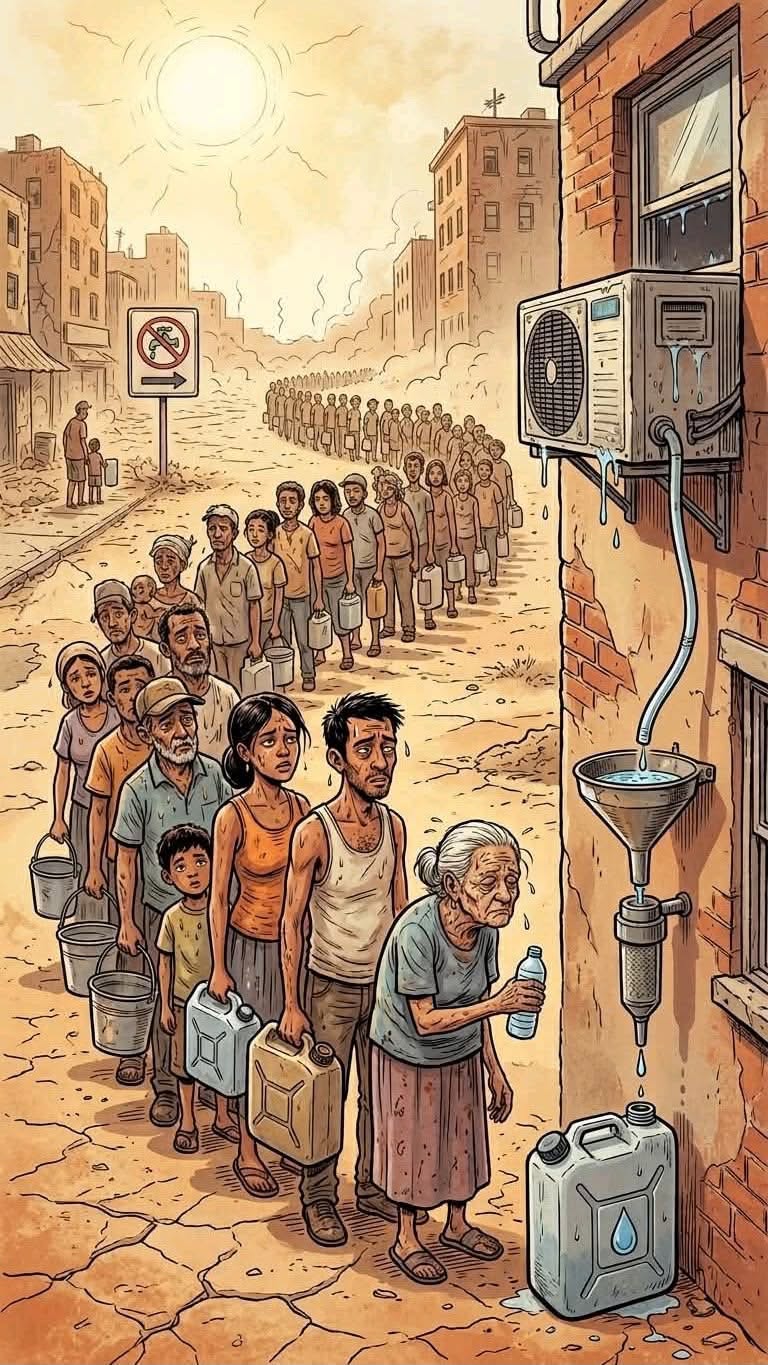
As per the IPC report, malnutrition rates in Yemen have significantly worsened due to a combination of drivers, including a lack of drinking water, a shortage of nutritious food, the spread of diseases such as cholera and measles, and broader economic downturn.

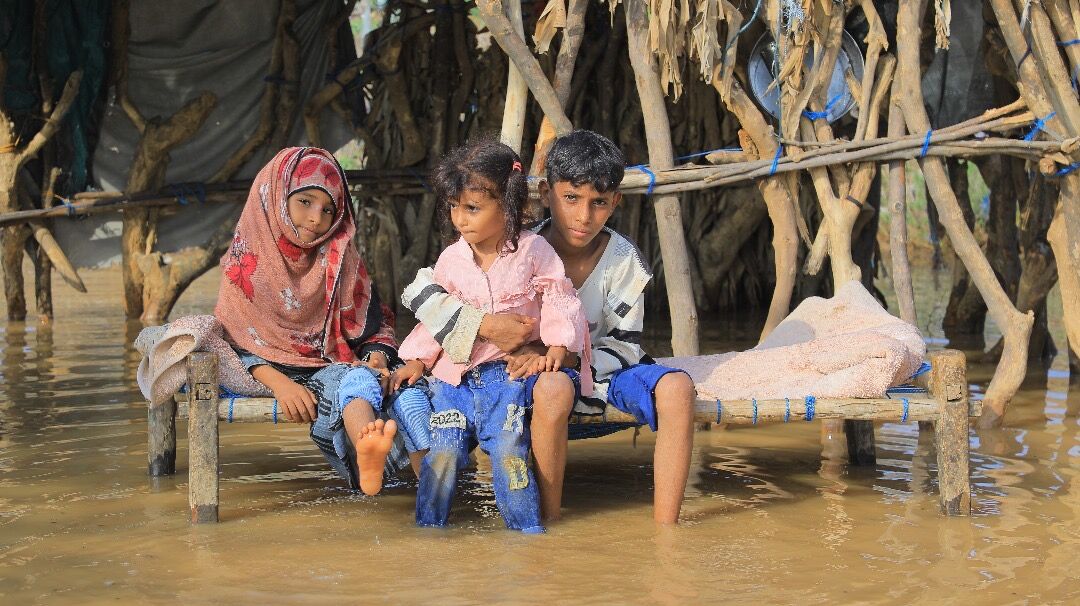
The number of acutely malnourished children in the country has increased by 34% compared with last year, including more than 18,500 children under the age of five who are projected to be severely malnourished within the coming months.

Women and girls suffer disproportionately from food insecurity and malnutrition, and coping mechanisms are becoming increasingly desperate. Women eat last and least, giving priority to children and other relatives or using money for other household needs. Around 223,000 pregnant and lactating women are expected to be malnourished by the end of this year. In addition, early marriage has increased since the escalation of the conflict, and girls as young as eight years old are being married off to reduce the number of family members to feed, or as a source of income in order to feed the rest of the family and pay off debts.

Beyond the four districts projected to slip into famine, according to the IPC report, all 117 districts in government-controlled areas are expected to suffer from “serious” levels of acute malnutrition by October 2024.

About half of the country’s population—or 18.2 million people—is in need of humanitarian aid this year, even those hundreds of miles from the front line, because Yemen is critically dependent on imports, humanitarian funding, and incomes that have been knowingly undermined by parties to the conflict.

Euro-Med Human Rights Monitor emphasises the urgent need for the international community to work towards securing an end to this crisis and an inclusive peace in Yemen, stressing the crucial importance of increased humanitarian support and intervention to mitigate the impacts of the famine and acute malnutrition, especially on the lives of vulnerable individuals like pregnant women and children. Euro-Med Monitor also calls on the parties to the conflict to address the health and nutrition emergencies in Yemen and ensure access to sufficient nutritious food and safe drinking water; and notes that this will require the international community to unlock financial commitments and implement political solutions to safeguard the country’s food security and the overall future of Yemen’s population, revitalize the shrinking economy, and pave the way for peace.

CrossFireArabia

CrossFireArabia
Dr. Marwan Asmar holds a PhD from Leeds University and is a freelance writer specializing on the Middle East. He has worked as a journalist since the early 1990s in Jordan and the Gulf countries, and been widely published, including at Albawaba, Gulf News, Al Ghad, World Press Review and others.

Related Posts

Israel Continues to Target Children – UN Report

Israel continues to commit genocide and other atrocity crimes by deliberately targeting Palestinian children, a UN report said on Tuesday.

“Israeli authorities and security forces have deliberately targeted Palestinian children resulting in genocide, crimes against humanity and war crimes in the Gaza Strip and war crimes in the West Bank,” read the report published by the UN Independent International Commission of Inquiry on the Occupied Palestinian Territory, including East Jerusalem, and Israel.

The commission said it had concluded last year that Israel committed genocide against Palestinians in Gaza, and found that the intense scale and systematic nature of the Israeli military operations have continued, causing unprecedented death, injury and trauma among Palestinian children.

“The deliberate targeting of children is one of the key elements establishing genocidal intent of the Israeli authorities and security forces to destroy the Palestinian group, in whole or in part, in Gaza,” the commission said.

“The evidence shows that Palestinian children have been deliberately targeted and killed by the Israeli security forces,” said Srinivasan Muralidhar, chair of the commission.

“Even after the October 2025 ceasefire, children continue to be killed and seriously injured, with continued disregard by Israel for the ceasefire and for the protection owed to Palestinian children under international law,” he added.

“Palestinian children have been arrested and subjected to torture and other severe forms of mistreatment in Israeli prisons and detention facilities, with no information on their whereabouts,” the commission said.

“Israeli security forces have also used sexual violence against children as part of the collective shaming and oppression, entrenched within a prolonged, ethnic, gendered, and intergenerational pattern of Israeli occupation and hostilities,” it added.

The report said Israel’s targeting of neonatal and maternity care centers in Gaza directly harmed the survival of newborns and Palestinians’ reproductive future, including increases in miscarriages, birth defects and lasting vulnerabilities among newborns.

“Starvation imposed by Israel through blockade and siege have further caused the death of Palestinian children and severely impacted the health of many others, depriving them of essential nutrition and increasing disease risks amid reduced immunization, food insecurity and destroyed health services,” it also said.

“Even if the bombs and guns fall silent in Gaza and West Bank, Palestinian children will not simply recover overnight,” Muralidhar said. “The destruction of their health, education and development is irreversible.”

“The protection, care and survival of Palestinian children are inseparable from the Palestinian people’s right to self-determination,” Muralidhar said. “By targeting children, Israel is attacking the very capacity of the Palestinian people to exist and to determine their future.”

The commission said it had identified Israeli military units responsible for killing and injuring Palestinian children and made recommendations to Israel and UN member states to ensure accountability.

According to Gaza’s Health Ministry, Israeli attacks have killed 1,021 Palestinians and injured 3,249 others since late 2025 in daily violations of the ceasefire in effect.

Israel’s genocidal war on Gaza since October 2023 has killed 73,032 people, injured over 173,300 and caused massive destruction to about 90% of the enclave’s infrastructure, with the United Nations estimating reconstruction costs at about $70 billion.

Since October 2023, West Bank cities and towns have seen near-daily Israeli raids, including arrests and home searches. The escalation by the Israeli army and occupiers has killed 1,173 Palestinians, wounded 12,666, led to the arrest of about 23,000 and displaced 33,000, according to official Palestinian figures. Anadolu

Continue reading
Kier Starmer Quits The Labour Party Leadership

British Prime Minister Kier Starmer announced that he is resigning from being leader of the Labour Party. His resignation made Monday 22 June, 2026 follows the poor results in the local council elections that were held in the UK last month. He will act as a caretaker Prime Minister until the party chooses a new leader.

Continue reading

You Missed

Israel Continues to Target Children – UN Report

Israel Continues to Target Children – UN Report

‘We Must Resist The Israelisation of Our Societies – Francesca Albanese

‘We Must Resist The Israelisation of Our Societies – Francesca Albanese

Kier Starmer Quits The Labour Party Leadership

Kier Starmer Quits The Labour Party Leadership

Israel Killed Raghad on The Way to School

Israel Killed Raghad on The Way to School

Trump, Netanyahu Rift Hits Rock Bottom: View From Amman

Trump, Netanyahu Rift Hits Rock Bottom: View From Amman

Youngest Palestinian Doctor Gets Guinness

Youngest Palestinian Doctor Gets Guinness