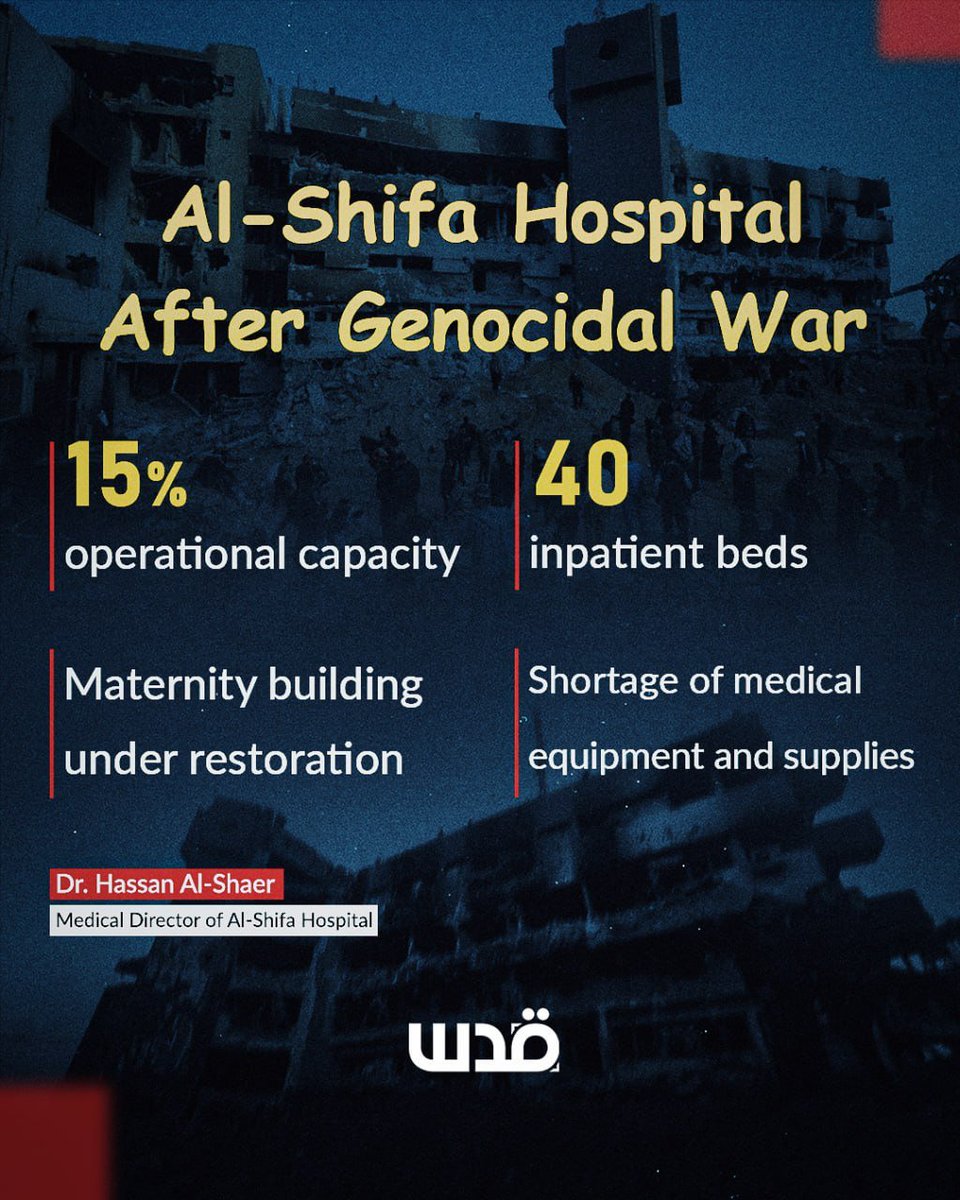
Dr. Hassan Al-Shaer, Medical Director of Al-Shifa Hospital, reports on the devastating impact of the recent Israeli aggression on the hospital’s operations.

 CrossFireArabia
 Dr. Hassan Al-Shaer, Medical Director of Al-Shifa Hospital, reports on the devastating impact of the recent Israeli aggression on the hospital’s operations.
 CrossFireArabia
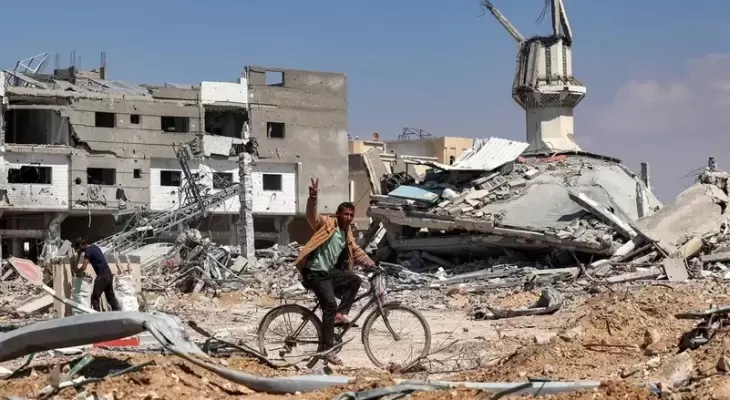
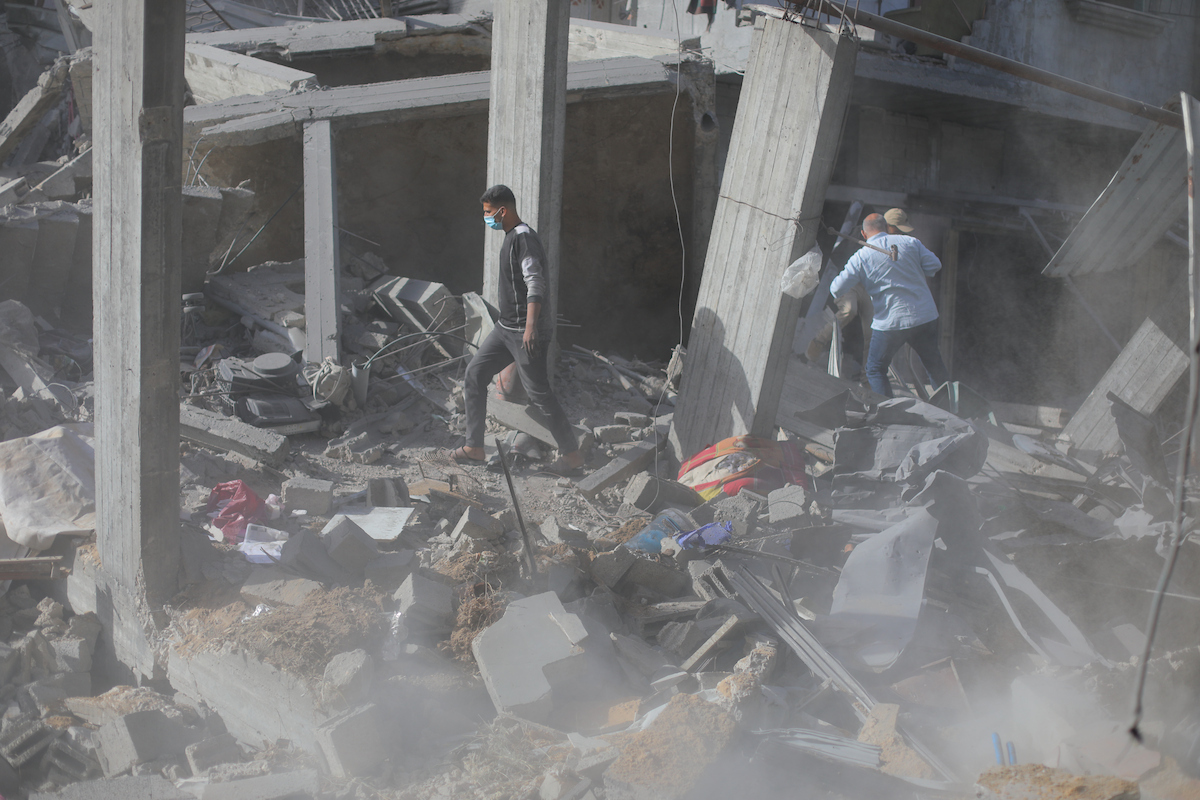
Gaza’s Ministry of Public Works and Housing confirmed that Israel’s ongoing targeting of tents and shelters of displaced people in the enclave is a systematic policy of destroying the basic necessities of life. It noted the amount of rubble that has piled up in the various regions of the Strip has exceeded 40 million tons.
Ministry spokesman Najla Hammad told the Sanad News Agency, Monday, the ministry is facing unprecedented challenges in removing the rubble because of the severe shortage of heavy machinery due to the Israeli-imposed blockade and the closure of crossings.
Hammad pointed out that the recent Israeli aggression has displaced more than 80 families, leaving them homeless and exposed, noting the ministry received widespread appeals to replace the tents that have been damaged and/or completely destroyed.
Read also: “Public Works”: Only 5% of shelter supplies enter Gaza
She added what is making things worse is that the Israeli occupation is preventing the entry of tents, tarpaulins, and shelter supplies and the reduction of usable land in the Gaza Strip to less than 30%.
Hammad explained that crews are continuing to work on opening main roads and providing alternative spaces for service facilities and educational centers but tough going. However, she announced the completion of the removal of the rubble at the site of the Hijazi Clinic in northern Gaza, in cooperation with the United Nations Development Programme (UNDP), and its handover to the Ministry of Health for reconstruction.
She indicated that the demolition and clearing of rubble is currently limited to only 4 out of the 10 sites previously identified, due to security restrictions and a lack of heavy equipment. The teams are operating with only one excavator and a very limited number of trucks.
Hammad noted the use of local alternatives and solutions, such as recycling crushed rubble to level roads and areas threatened by flooding, and melting plastic and aluminum to recycle supplies for health units in the camps is also moving.
UN reports confirm that the scale of destruction and rubble in the Gaza Strip surpasses that of major wars and conflicts in modern history. International organizations warn that preventing the entry of machinery, engineering equipment, and shelter materials exacerbates the humanitarian, environmental, and health catastrophe, hindering the provision of even the most basic services to more than two million displaced people lacking safe shelter.
The Ministry of Public Works and Housing in Gaza previously warned in August of the severe deterioration in the housing sector due to the widespread presence of tons of rubble. It emphasized that the aid and tents permitted entry by the Israeli occupation amount to no more than 5% of the actual needs of the displaced, given the strict restrictions at the crossings and the repeated forced displacement.
Recently, the Ministry of Public Works and Housing launched an emergency program to repair and renovate partially damaged homes in the Gaza Strip, a step aimed at persuading and facilitating the return of displaced families to their homes and original areas.
Last June, Hammad, announced a comprehensive plan for managing, storing, and crushing rubble for reuse, as part of the ongoing efforts to address the issue of debris resulting from the conflict.
Hammad said that the Ministry is presently working with the UNDP and have to-date constructed more than 15 shelters that have accommodated over 1,700 displaced families in the Gaza Strip, including five centers in the south that alone have housed approximately 700 families.
CrossFireArabia
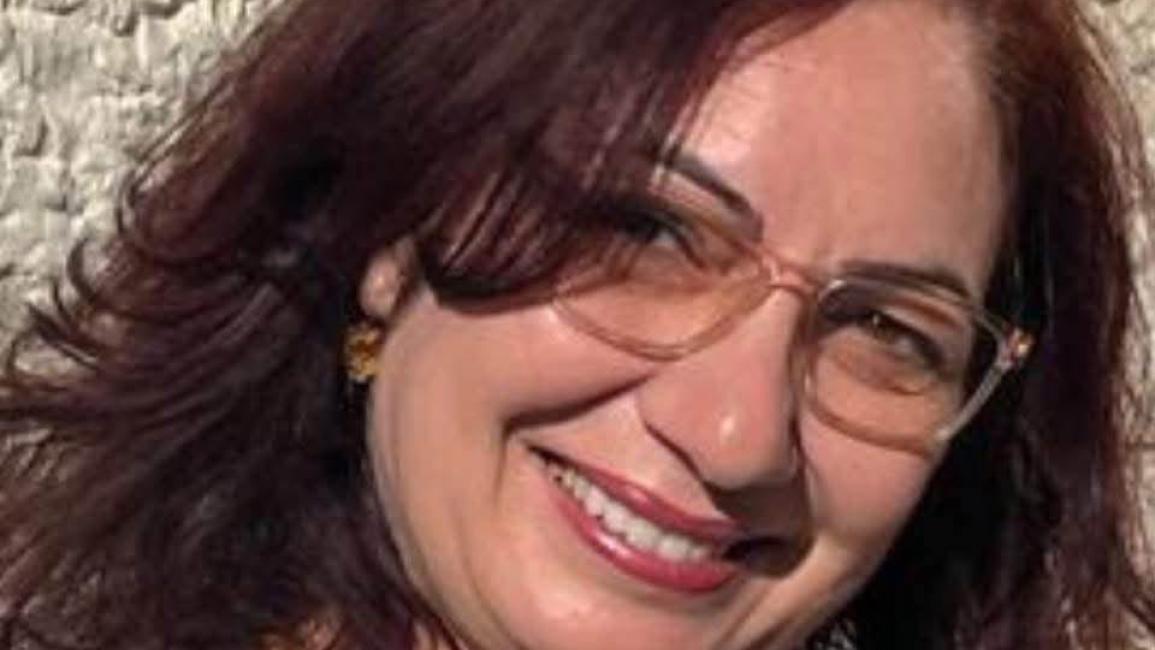
CROSSFIREARABIA — Palestinian gynecologist Dr Dima Amin, a well-known physician from Ramallah, remains in Israeli detention after being arrested over social-media posts, despite suffering a serious cardiac episode while in custody that required emergency heart catheterization.
An Israeli military court extended the 55-year-old doctor’s detention for another five days on Sunday, 23 August, according to Palestinian media reports. The case has prompted growing concern over both her treatment in custody and Israel’s increasing use of social-media activity as grounds for arresting Palestinians according to the Palestine Information Center.
Dr Amin was seized in the early hours of 18 August after Israeli forces raided her home in the Al-Tireh neighbourhood of Ramallah.
WAFA, the official Palestinian news agency, reported that Israeli troops entered the house and searched and disturbed its contents before taking her away. A WAFA report outlines that Dr Amin is an obstetrician and gynecologist who has practiced in Ramallah for decades.
Her husband, Dr Haider Abu Ghosh, told Palestinian media that the raid took place at approximately 2:15 a.m. and that soldiers forced their way through the main entrances to the building before arresting his wife. Palestinian reports said she also works with the Dunya Women’s Cancer Center and maintains a private medical practice in Ramallah.
For approximately a day and a half following the arrest, her family and lawyer reportedly did not know where she was being held.
Then came news that her health had deteriorated dramatically.
According to the Palestinian Information Center, Dr Amin said she was subjected to mistreatment after her arrest and that her hands were bound extremely tightly. Her requests for the restraints to be loosened because of her condition were allegedly refused.
Her health subsequently deteriorated and she suffered what was described as an acute cardiac episode. She was transferred to Hadassah Hospital in Jerusalem, where doctors performed a cardiac catheterization.
Despite the seriousness of the episode and the invasive cardiac procedure, Palestinian reporting says Israeli authorities returned her to detention shortly afterwards rather than releasing her for recovery and medical monitoring.
The allegations of harsh treatment are particularly troubling given that Dr Amin had just suffered a potentially life-threatening medical emergency. Palestinian reports describe severe restraint and mistreatment during her detention. At the time of publication, however, CrossfireArabia could not independently verify Palestinian social-media claims that she was beaten, and available Palestinian news reports examined for this article do not provide sufficient detail to state that allegation as established fact.
The case is not based on allegations that Dr Amin carried a weapon or participated in an armed attack.
Palestinian reports say the investigation centres on material she posted or shared on social media, particularly Facebook. Israeli authorities reportedly accuse her of offences relating to “incitement”, supporting a hostile organisation and harming security.
The Palestinian Information Center reported that the military court nevertheless ordered her detention extended by another five days while the investigation continues.
The case consequently raises a much broader question: How far can Israel go in imprisoning Palestinians for political expression online?
Palestinian activists and rights organisations have repeatedly accused Israeli authorities of monitoring Palestinian social-media accounts and interpreting posts, photographs, comments and expressions of political sympathy as grounds for arrest and interrogation.
In Dr Amin’s case, the consequences have gone far beyond questioning over Facebook posts. Within hours of being taken from her home, a 55-year-old doctor found herself in Israeli custody suffering a cardiac crisis serious enough to require a catheterization — and was then returned to detention.
The Palestinian NGO Network condemned Dr Amin’s arrest, portraying it as part of a wider pattern of Israeli action against Palestinian medical and humanitarian personnel.
Its health sector said Dr Amin’s arrest should be viewed in the context of pressure on Palestinian civil society and healthcare workers and called for immediate action to secure the release of detained medical personnel according to Raya.
The network noted that other Palestinian doctors and health workers have also been detained, and said hundreds of medical personnel — particularly from Gaza — remain in Israeli custody.
Local Palestinian media carried similar concerns from medical and civil-society figures, who stressed that Dr Amin’s professional career has centred on medicine, women’s health and humanitarian work.
For now, however, Dr Dima Amin remains behind bars.
She was taken from her Ramallah home in the middle of the night, held for many hours without her family knowing her whereabouts, subjected according to her account to harsh restraints and mistreatment, suffered a serious heart problem requiring hospitalisation and cardiac catheterization — and was then returned to Israeli custody.
And the case against her, according to the Palestinian reports, centres not on an act of violence but on what she expressed on social media.