CrossFireArabia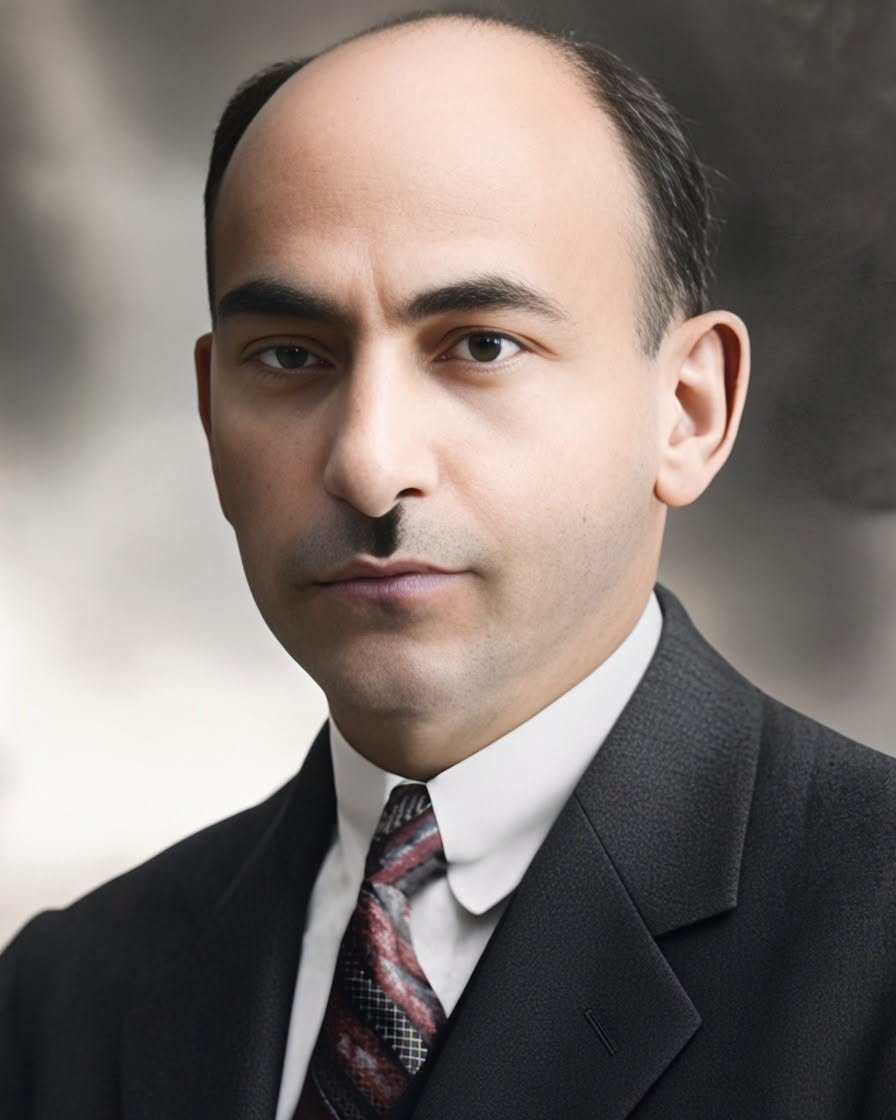
From Palestinian Heritage
Dr Fuad Dajani
It was the first private hospital in Yafa, called Jafa in English. The Dajani Hospital was on Al-Nuzha Street built by Dr. Fuad Ismail Dajani in 1933—outside the city walls—to serve the residents of Jaffa and the surrounding area, particularly for maternity care.
In 1948, the hospital was seized by the new Israeli occupiers as “absentee property” and transferred it to the Custodian of Absentee Property following the expulsion and displacement of the entire Dajani family.
In 1949, the Zionist entity decided to convert it into a hospital for Jews. By 1980, the building’s original appearance had been altered and obscured; an additional floor was constructed, and it was transformed into a center for the elderly named “Tzahalon.”
Historical Background
In 1933, Fuad Dajani and his family began planning the construction of a hospital in Jaffa on Al-Nuzha Street, which they named the Private Dajani Hospital. Upon its completion that same year, the facility had a capacity of 44 beds.
Palestinian national history records that Yafa boasts of numerous cultural and historical landmarks, including the Private Dajani Hospital, which treated the poor among the Palestinian people just as it did the wealthy. In 1944 alone, it admitted 2,231 patients.
Dr. Fuad Dajani was born in Jerusalem in 1890. He graduated from the Faculty of Medicine at the American University of Beirut and specialized in surgery in Britain. He served alongside King Faisal I in Damascus in 1920 before returning to Jaffa, where he became the director of the government hospital; later on he established the Dajani Hospital on Al-Nuzha Street.
Fuad Dajani was one of the few surgeons to achieve widespread renown and distinction in the field.
In 1940, he passed away in Jaffa after contracting an infection through a finger wound sustained while performing surgery on a woman. He was laid to rest amidst the trees of his private facility, the Dajani Hospital. Thousands attended his funeral procession, which moved to the Great Mosque before his burial in the hospital garden he had created.
It is worth noting that Dr. Fuad Dajani wrote his will just five hours before his death; in the very first line, written in bold script, he instructed that the poor be treated with kindness and receive medical care at the hospital free of charge.