Killing Happiness!

By Ismail Al Sharif

“I fear only one thing: That we might be broken forever, for whoever is broken forever can never rise again. Tell them: take care not to be defeated forever.” — *Gaza Weddings* (also known as *The White Horses*), a novel in Arabic by Ibrahim Nasrallah.

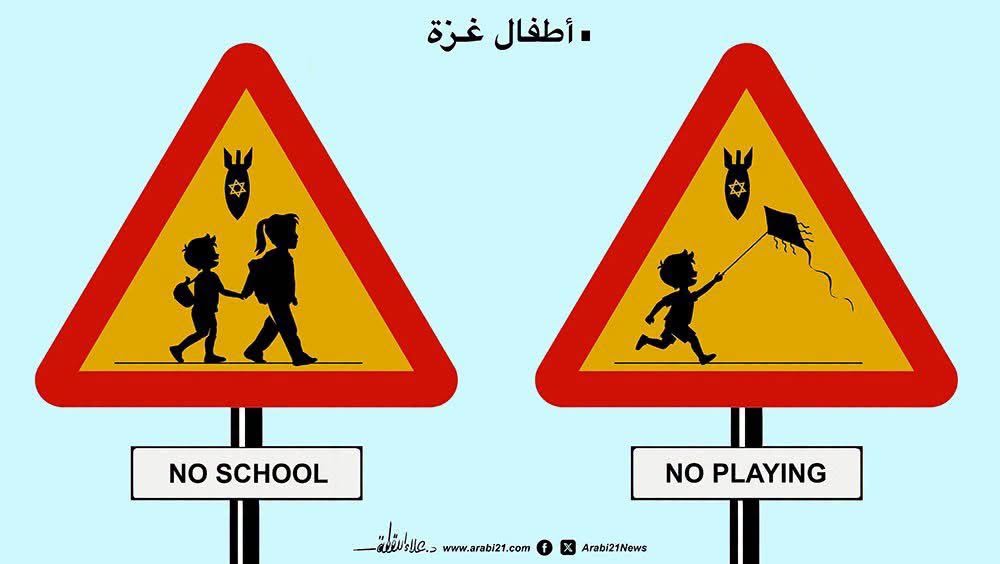
In 2011, Palestinians set a world record by flying the largest number of kites on the Gaza beach during a summer camp organized by the United Nations Relief and Works Agency for Palestine Refugees (UNRWA).

By 2024, however, the United States had halted its funding to the agency, while the Zionist entity designated it a terrorist organization, revoked agreements with it, and cleared out its premises. Furthermore, children in Gaza faced threats of death if they flew even a single kite—despite kites being among the few remaining playthings that offer them moments of joy—at a time when even a child’s smile or expression of happiness has become a provocation to the Zionists, warranting death.

Just days ago, a four-year-old child was killed after the army fired missiles at a warehouse in the Al-Wayda area, near Salah al-Din Street. The strike killed three Palestinians, including the child Abdul Salam Taha, in retaliation for the flying of kites.

Subsequently, war criminal Benjamin Netanyahu and his Defense Minister Israel Katz, threatened to target any area in Gaza where kites were spotted—an escalation revealing that the targeting encompasses everything, even the simplest expressions of joy and play among children. A nuclear state—possessing the world’s most advanced weaponry, receiving billions of dollars in aid, enjoying limitless military supplies, and shielded by aircraft carriers—views small children flying kites as a threat to its national security. It deems killing them as the appropriate response to this “threat,” as if the blood of tens of thousands of children were not enough to slake its thirst for bloodshed.

No foreign official has stepped forward to condemn the targeting of children flying kites; on the contrary, the matter has been treated as routine—as if the act itself constituted a threat warranting death. Foreign media outlets have echoed the same narrative claiming that Hamas orchestrates the kite-flying—the very narrative used to justify the destruction of hospitals, bakeries, and water stations, as well as the bombing and burning of displaced persons’ tents.

For instance, a BBC headline read: “Israel warns of strong response to kites launched from Gaza.” By attributing the kite-flying to an unspecified entity—implying an organized military operation—the incident was framed as a security confrontation. Consequently, the targeting of children—and the blowing of their bodies to pieces by bombs—was portrayed as a natural and justified response.

Preventing the children of Gaza from flying their kites—depriving them of one of the few remaining joys in their lives—cannot be separated from the attempt to break them psychologically and emotionally, nor from a policy aimed at rendering Gaza uninhabitable and denying its people their most basic human rights. The daily crimes in Gaza—compounded by impunity, a lack of accountability, and the support and encouragement of certain allies—reveal the extent of the corruption, brutality, and injustice in this world. The tragedy has not ceased; circulating figures indicate that Palestinian casualties continue to mount even after the announced ceasefire, amidst ongoing human suffering.

In Gaza, even the simple joy of a child holding a kite is treated as a threat—as if the objective were no longer merely to defeat the human being, but to steal their smile.

This article written by Ismail Al Sharif was originally published in Arabic in Ad Dustour newspaper and appeared in crossfirearabia.com

CrossFireArabia

CrossFireArabia
Dr. Marwan Asmar holds a PhD from Leeds University and is a freelance writer specializing on the Middle East. He has worked as a journalist since the early 1990s in Jordan and the Gulf countries, and been widely published, including at Albawaba, Gulf News, Al Ghad, World Press Review and others.

Related Posts

Autumn Papers: Palestinians Must Sieze The Moment

By Radwan Barghouti

Sometimes writing is a conversation with oneself—a way of setting oneself straight before going astray…

Prisoner asked:
“When will they let me out?”

Guard replied:
“The door has been open for a long time.”

Prisoner asked:
“Then why didn’t you tell me?”

Guard replied:
“You were too busy asking when.”

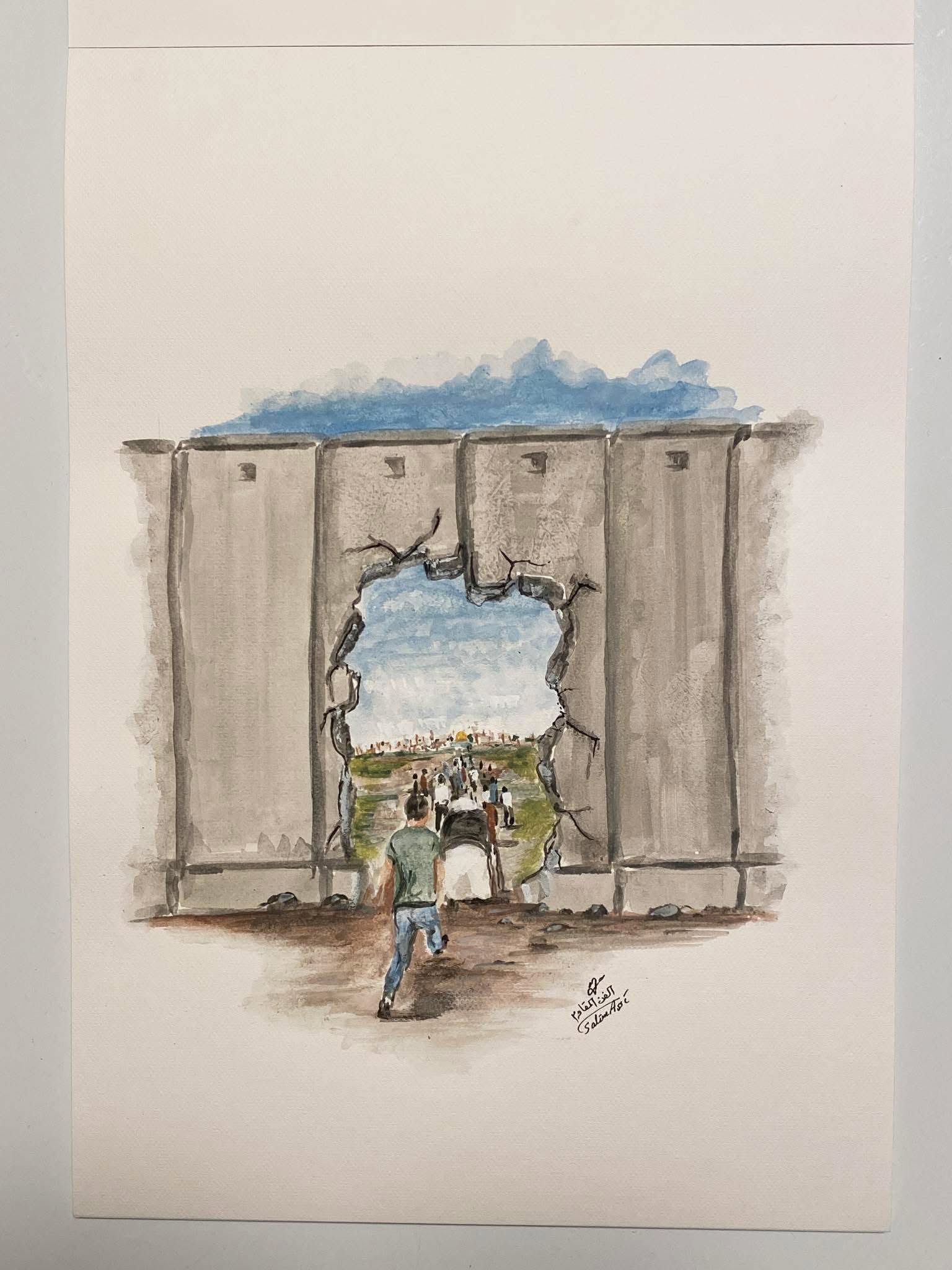
Not every door that opens is seen, nor does every historic opportunity announce itself boldly. Sometimes a rare moment passes before a people—a moment when something in the world around them begins to change—yet those who are supposed to seize it are preoccupied with something else.

Perhaps this simple story can serve as a mirror of the Palestinian condition after 7 October, 2023. The war on Gaza, with all the killing, destruction, devastation, and unprecedented human tragedy it has brought, has thrust the Palestinian cause back into the heart of global consciousness. Millions have now seen what Palestinians have been saying for decades. The world has witnessed with its own eyes the scale of the tragedy endured by a people living under occupation. Across capitals and cities around the world, powerful voices have risen demanding an end to the war, justice for the Palestinians, and recognition of their right to freedom, self-determination, statehood, and independence.

Palestine is no longer merely a passing item on the evening news. It has returned to the conscience of the world—to universities and streets, parliaments and international organizations, and to the center of a far-reaching global political and moral debate.

There has been—and still is—a historic moment. But the painful question is: What have the Palestinians done with this moment?

This is not to suggest that the world has simply opened its doors and said to the Palestinians, “Come in; here is your state.” The reality is far more complicated. The balance of power remains deeply unequal, the occupation has not disappeared, and the tragedy in Gaza has not ended merely because international sympathy has grown. But history is measured not only by what is granted to peoples; it is also measured by what peoples themselves are capable of doing when the right historical moment arrives.

And herein lies the problem.

Instead of allowing this tragedy to become a point of Palestinian convergence, and instead of all political forces and factions sitting down together to confront one central question—How can we transform this global sympathy into a Palestinian political project that brings us closer to freedom and independence?—division has persisted, while factional and political calculations continue to rear their heads at precisely the moment when Palestinians most need to rise above them.

It is as though the prisoner continues to ask:

“When will they open the door?”

When the more important question should have been:

“What will we do when the opportunity comes to open it?”

Palestinian unity today is neither a slogan for public consumption nor a group photograph to be taken in front of the cameras. It is a political and historical necessity.

Global sympathy cannot be transformed into genuine political power without a unified Palestinian political voice. Nor can such a voice be built by excluding one faction, monopolizing decision-making, or branding those who disagree as traitors. It can only be built by bringing the entire Palestinian political spectrum together around a clear national program: Ending the occupation, protecting the Palestinian people, safeguarding their inalienable national rights, securing their right to self-determination, and achieving an independent and sovereign Palestinian state.

The past years have demonstrated that Palestinians can be united in suffering, and that the world can sympathize with them in moments of danger. The real challenge, however, is for Palestinians to become united politically as well.

Freedom does not come through sympathy alone. And sympathy, however widespread, does not automatically translate into independence. It requires a people who know what they want, genuine leadership capable of seizing the moment, and political forces willing to set aside their differences when the fate of an entire homeland is at stake.

Perhaps the harshest aspect of the Palestinian situation today is that those who have spent decades waiting for a historic moment may fail to realize that when history opens its window, it does not leave it open for long.

If the lesson of the story is that the prisoner failed to walk free because he was too preoccupied with asking “When?”, then Palestinians do not need to wait for yet another answer about when freedom will come.

The question that should be knocking on everyone’s door today is this:

Do we have the courage to disagree less, agree more, and transform what has happened into the beginning of a path toward freedom and independence?

The door may not remain open forever.

History does not wait for those who hesitate.

At this unprecedented historic moment, the people themselves bear the full responsibility. No one can act in their place.

Waiting for a savior is nothing but an illusion.

Radwan Al-Barghouti is an attorney living in the Kingdom of Sweden

Continue reading
Who is Afraid of Palestinian Revolutionary Art?

By Ramzi Baroud

The death of Palestinian artist Sliman Anis Mansour stirred powerful memories.

He passed away at Al Makassed Hospital in occupied East Jerusalem on August 24, at the age of 79, bringing to a close a legacy that cannot truly be described, but only experienced.

His life almost exactly spanned the age of the Palestinian Nakba. He was born mere months before the mass expulsion of the Palestinian people from their homeland. Yet his death in an occupied city tells us that the story of Mansour, his art and the Palestinian struggle for freedom is far from over.

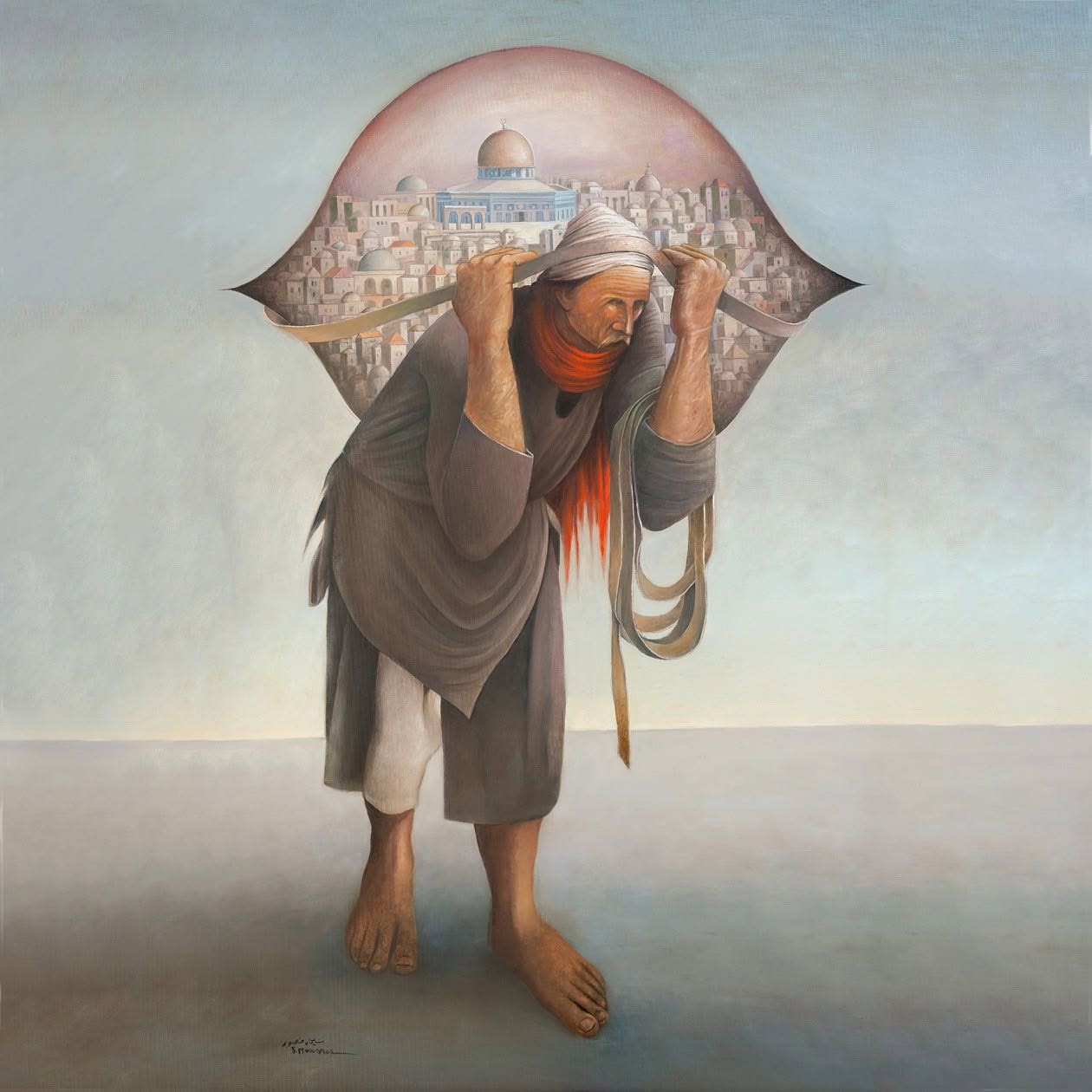
Oddly, for years, I knew Mansour through a single painting: Jamal al-Mahamel (The Camel Carrier of Hardships).

The title itself requires a pause. The phrase is rooted in Palestinian and Levantine popular culture. It describes one who shoulders the collective struggles, pain and responsibilities of others.

In Mansour’s post-Nakba world, that person is an elderly Palestinian porter, a barefoot worker carrying the burden of an entire homeland on his back. That homeland is represented by Jerusalem, with the Dome of the Rock, one of Islam’s holiest sites, rising above it.

Mansour, however, was not a Muslim. He belonged to the once-thriving, though sadly shrinking, Palestinian Christian community and came from the town of Birzeit, near Ramallah in the West Bank.

Let that sink in. One of the most iconic Palestinian paintings of the modern era, celebrating the centrality of Jerusalem and one of its most recognizable historic Islamic sites, was painted by a Christian man.

In the age of Israeli extremists like national security minister Itamar Ben-Gvir and his “religious wars,” this may appear unusual. For Palestinians, it is anything but. Though deeply spiritual, Palestinians have historically transcended religious divides in their long struggle for freedom.

A mosque is never just a mosque, and a church is never just a church. They are powerful symbols of history, culture, roots, spirituality and continuity. Mansour entrusted the Camel of Hardships with carrying all of that alone, as the world watched an old man bent beneath an unbearable weight, yet fierce and unbroken in his resolve.

Though the painting was created in 1973, it exploded in popularity during the First Intifada, the popular uprising that unified Palestinians everywhere. It took on a renewed meaning: we Palestinians may be standing alone, exhausted by time and the betrayal of others, but we remain as steadfast as ever.

The last time I saw that painting hanging in the living room of my old house in the Nuseirat refugee camp in Gaza was also the last time I saw my father, most of my brothers and many of my childhood friends.

My father died years later. The house was bombed. The painting no longer hangs where it once did, at the heart of our old refugee home.

Ironically, it was only after I left Palestine that I discovered that Sliman Mansour was far more than the creator of a single painting. He belonged to an artistic movement that taught visual sumud, steadfastness, to an entire generation.

My lack of knowledge was not a fault of my own. Artists such as Mansour, Ismail Shammout, Fathi Ghaben, Vera Tamari, Tayseer Barakat and Nabil Anani, among others, were simply forbidden by Israeli military ordinances.

Israel is afraid of Palestinian art, particularly art that preserves memory, asserts steadfastness and speaks of revolution. During the Intifada, the Israeli army would storm Palestinian refugee camps almost daily, particularly before dawn, to ensure that artistic expressions on the walls were painted over.

The soldiers did not paint over the walls themselves, of course. They dragged weary refugees from their sleep and forced them to erase every piece of graffiti, every image and every word. The soldiers may have thought they were carrying out a military duty, somehow protecting Israel’s national security. In reality, they were trying to erase evidence of a people whose roots in the land ran far deeper than the occupation itself.

But the evidence was never erased. It could not simply be painted over, even when the artist himself disappeared, because true art is more than an arrangement of colors on canvas. It is one of the deepest forms of documenting one’s own existence.

Fathi Ghaben, who became a close friend of my family, had, like most Gazans, more than his share of suffering. He was a refugee from a once-serene village called Hirbiya, north of Gaza. His family sought refuge in Gaza during the Nakba.

Ghaben had no memories of the village he lost as a child, yet its colors filled his paintings. For him, Palestine was a beautiful woman, powerful in her determination yet gentle in her gaze. Her eyes, always sharply defined, embodied the beauty of a homeland that never abandoned him. She was the worker, the farmer, the student, the protester, the fighter.

Ghaben was repeatedly imprisoned by Israel for emphasizing the colors of the Palestinian flag in his art, accused of “incitement through his paintings.” The occupation army killed his young nephew in 1982, and many of his relatives were killed in the genocide.

Ghaben himself died during the genocide, in February 2024, after being displaced from his home.

For me, and dare I say for many of my generation, it is difficult to process art that does not carry this kind of weight — art that goes beyond mere “expression” and becomes an experience of blood, sweat, tears and the burden of memories that can only be put to rest when justice in Palestine finally prevails.

I think back to the Camel of Hardships, and I am convinced that Mansour’s figure represented more than Palestine and the Palestinian. Perhaps unknowingly, he was also painting the Palestinian artist himself.

They, too, carried an immense responsibility on their shoulders. Without them, several generations might never have truly appreciated the colors of Palestine, smelled the powder of revolution, or understood the true meaning of losing a homeland.

Ramzy Baroud is a journalist, author and the editor of The Palestine Chronicle. He is the author of eight books. His latest book, “Before the Flood” was published by Seven Stories Press. His other books include “Our Vision for Liberation”, “My Father was a Freedom Fighter” and “The Last Earth”. Baroud is a non-resident senior research fellow at the Centre for Islam and Global Affairs (CIGA). His website is www.ramzybaroud.net. The article appeared in The Jordan Times

Continue reading

Leave a Reply

Your email address will not be published. Required fields are marked *

You Missed

Killing Happiness!

Killing Happiness!

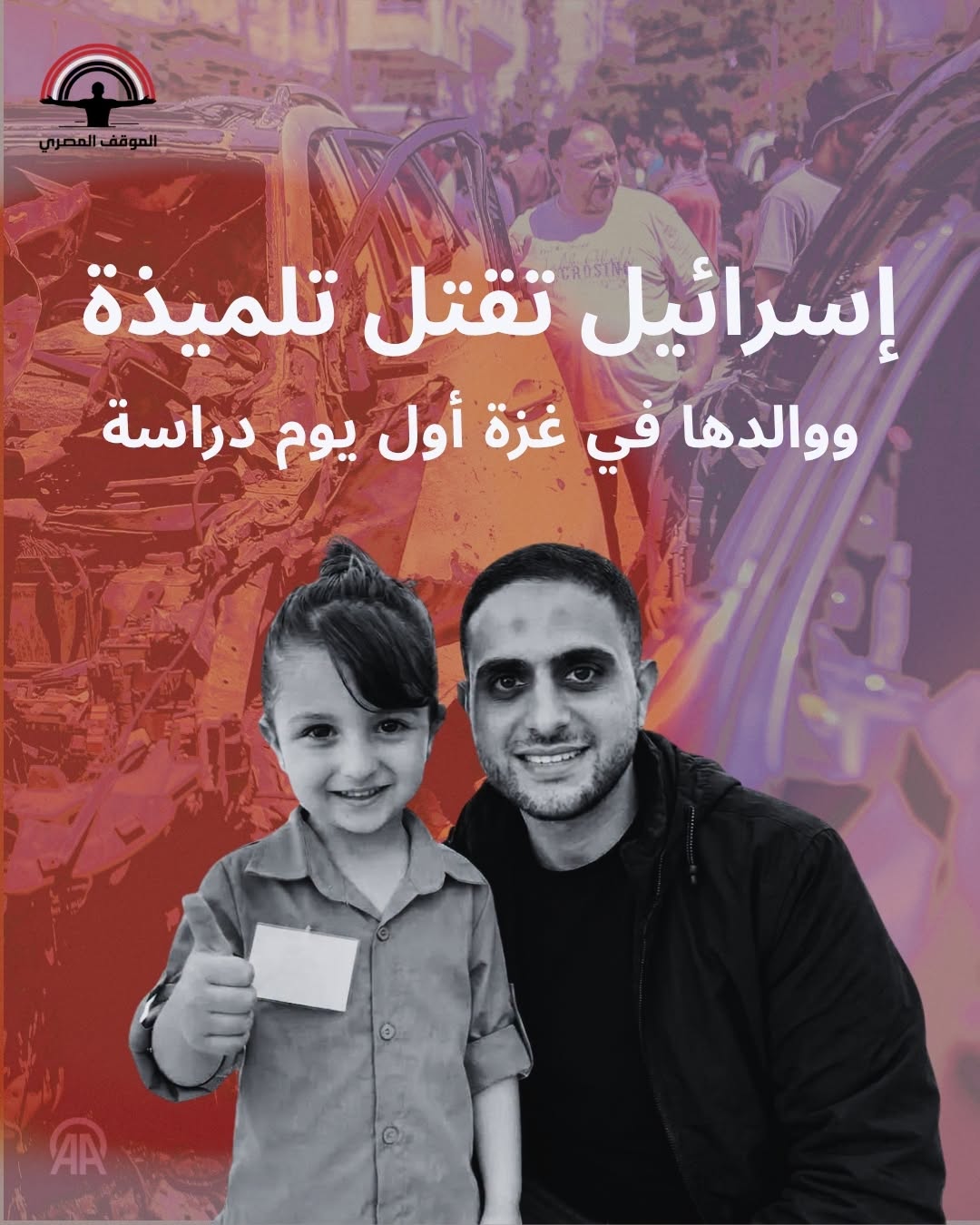
Israel Kills Schoolgirl, Her Dad in Gaza on First Day of School

Israel Kills Schoolgirl, Her Dad in Gaza on First Day of School

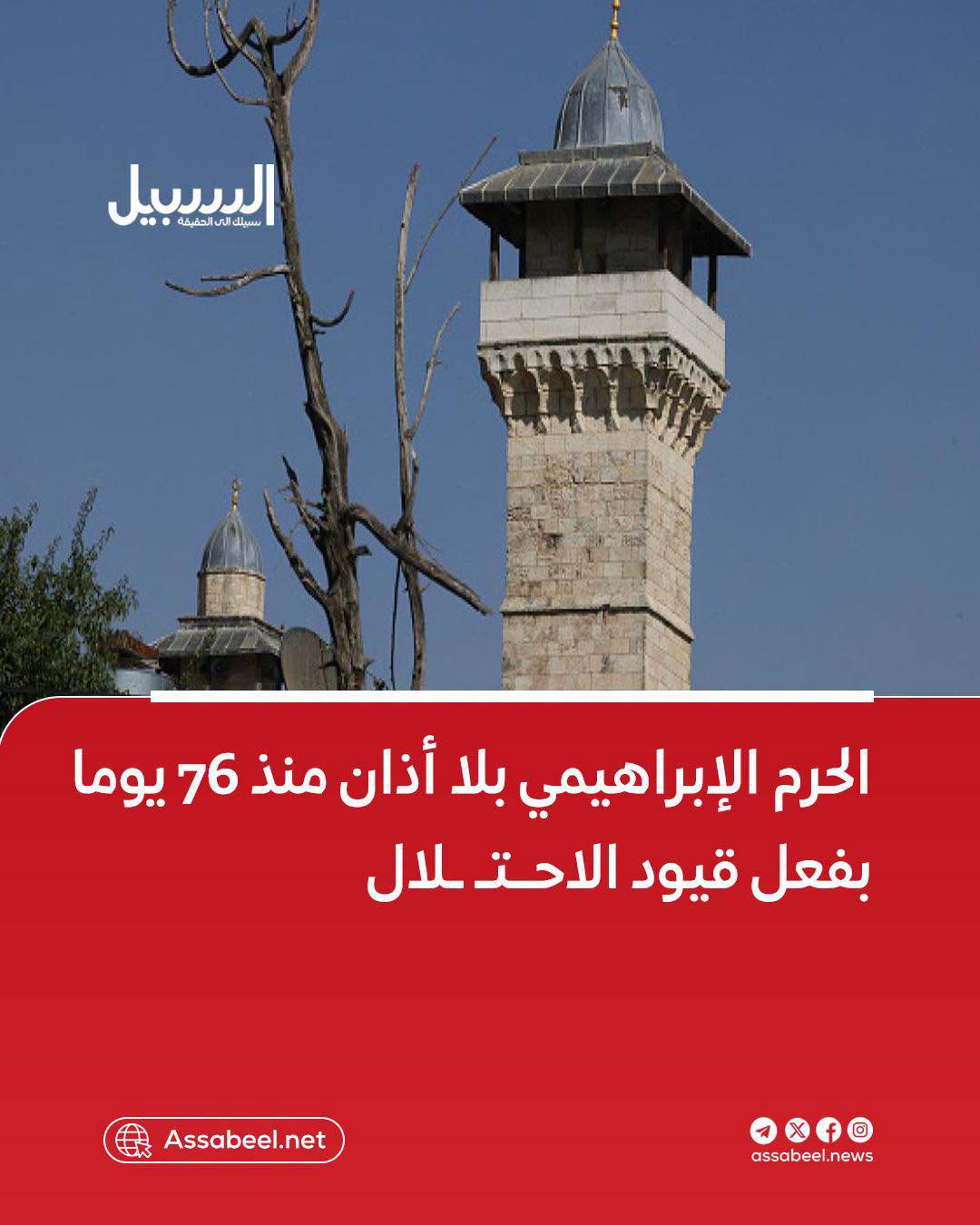
Ibrahimi Mosque Without ‘Call to Prayer’ For 76 Days

Ibrahimi Mosque Without ‘Call to Prayer’ For 76 Days

Israel Orders Closure of The UK Consulate in East Jerusalem

Israel Orders Closure of The UK Consulate in East Jerusalem

Palestinian Ladies, Nazareth 1940

Palestinian Ladies, Nazareth 1940

‘Stolen Childhood’

‘Stolen Childhood’