Said Elatab writes:

 CrossFireArabia
 Said Elatab writes:
 CrossFireArabia
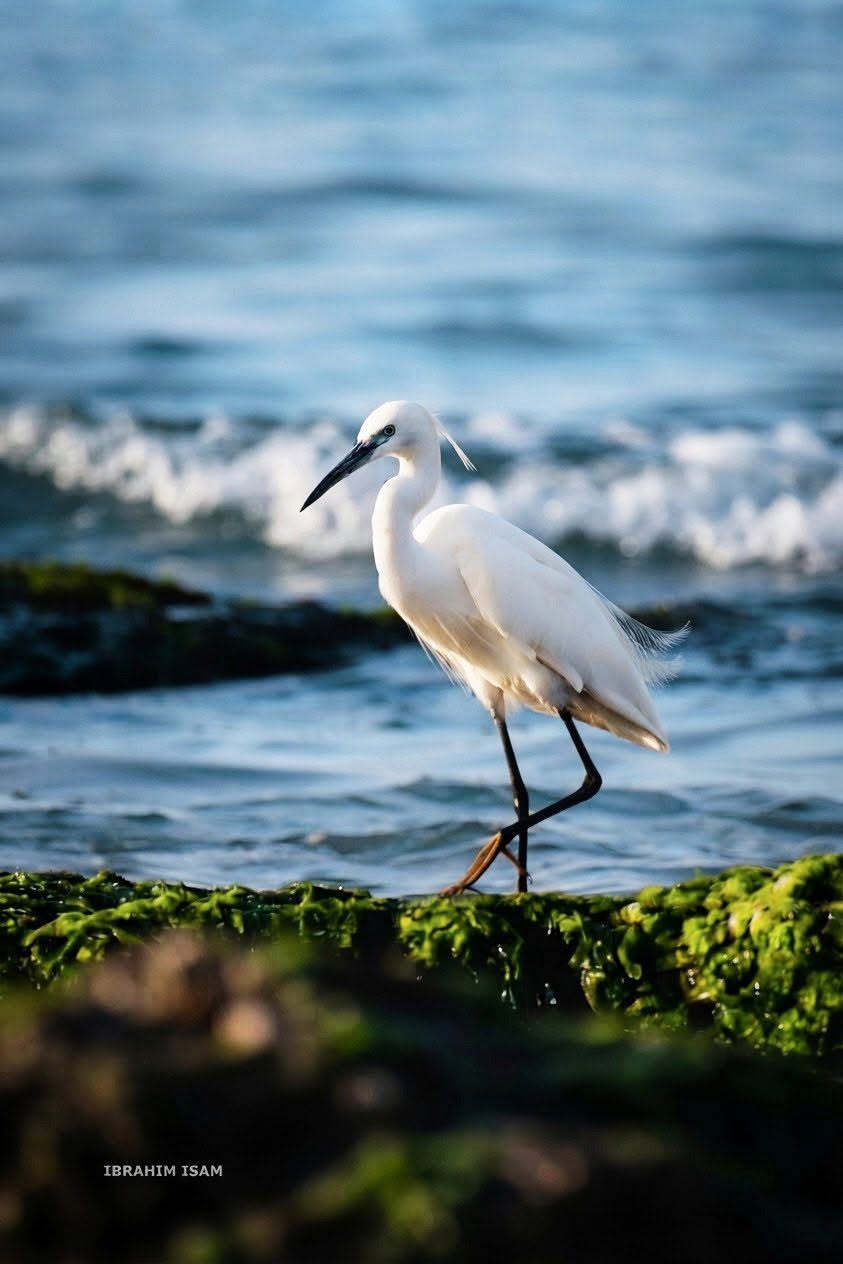
I followed this bird for hours, not to catch it, but to give it a photograph worthy of its beauty.
When I finally gave up, it stood before me on the rock, quiet, and let the distance between us disappear.
Perhaps it thought hunger had changed the meaning of things, that in a time of famine, the hand holding a camera might become a hand searching for food.
But it did not know that we do not eat birds like this.
And even if we could, I would choose to leave it in the sky rather than place it on my children’s table.
Once, during the famine, I caught a bird that was considered edible. When I came to slaughter it, our eyes met.
I saw no food there. I saw a mother waiting, and nestlings who knew nothing of hunger except the emptiness of a nest when she did not return.
So I let it go.
My children cried because they had been waiting for a meal to quiet the hunger in their bodies. And I cried inside, because I could no longer tell which sorrow deserved my heart: the sorrow of a child waiting for bread, the sorrow of a bird waiting for its young, my own sorrow, or the sorrow of those who watch us from afar and grow so accustomed to suffering that, eventually, it begins to look normal.
Since that day, I have understood that hunger does not test only our ability to survive.
It asks something deeper, something almost unbearable:
How much of yourself remains when life itself is hungry?