When Hunger Asked Me Who I Was?

By Ibrahim Asam

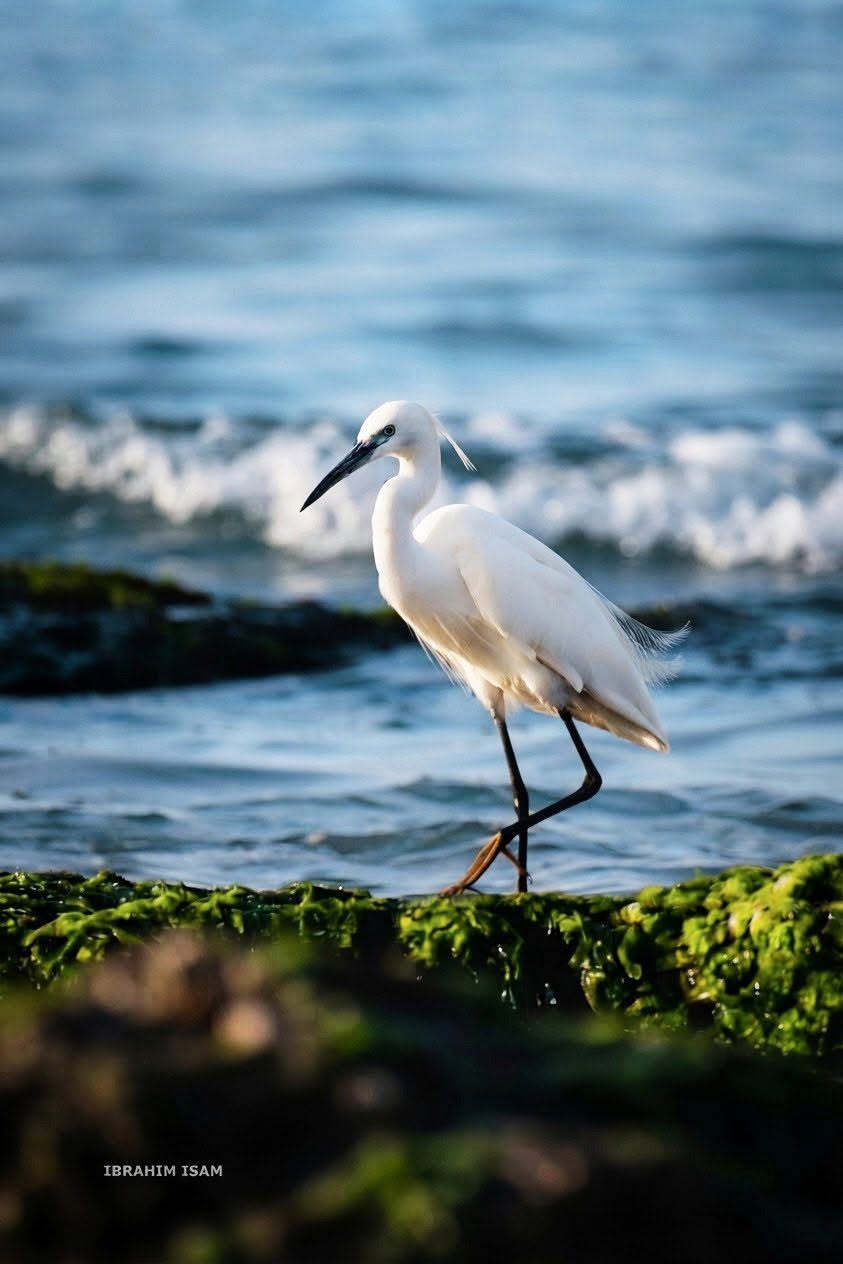
I followed this bird for hours, not to catch it, but to give it a photograph worthy of its beauty.


When I finally gave up, it stood before me on the rock, quiet, and let the distance between us disappear.

Perhaps it thought hunger had changed the meaning of things, that in a time of famine, the hand holding a camera might become a hand searching for food.

But it did not know that we do not eat birds like this.
And even if we could, I would choose to leave it in the sky rather than place it on my children’s table.

Once, during the famine, I caught a bird that was considered edible. When I came to slaughter it, our eyes met.
I saw no food there. I saw a mother waiting, and nestlings who knew nothing of hunger except the emptiness of a nest when she did not return.

So I let it go.

My children cried because they had been waiting for a meal to quiet the hunger in their bodies. And I cried inside, because I could no longer tell which sorrow deserved my heart: the sorrow of a child waiting for bread, the sorrow of a bird waiting for its young, my own sorrow, or the sorrow of those who watch us from afar and grow so accustomed to suffering that, eventually, it begins to look normal.

Since that day, I have understood that hunger does not test only our ability to survive.
It asks something deeper, something almost unbearable:

How much of yourself remains when life itself is hungry?

  • CrossFireArabia

    CrossFireArabia
    Dr. Marwan Asmar holds a PhD from Leeds University and is a freelance writer specializing on the Middle East. He has worked as a journalist since the early 1990s in Jordan and the Gulf countries, and been widely published, including at Albawaba, Gulf News, Al Ghad, World Press Review and others.

    Related Posts

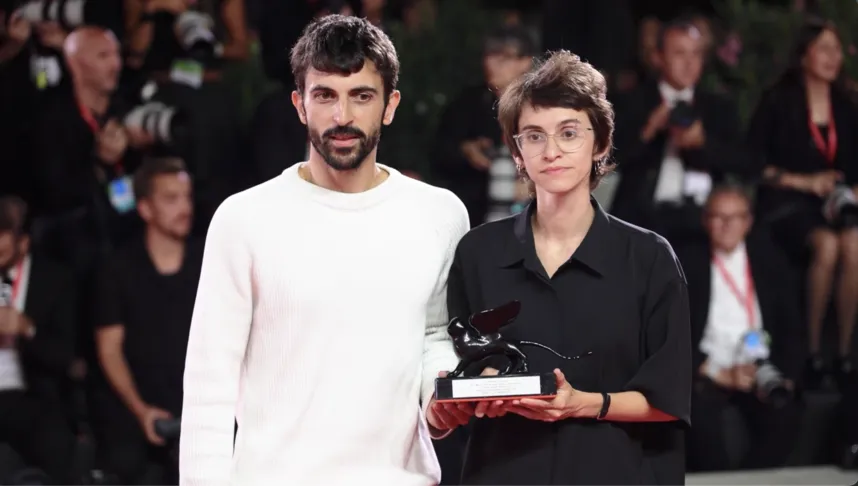
    200 Israeli Film-makers Support Gaza Documentary

    More than 200 Israeli filmmakers have signed a petition supporting the creators of NAZA, a documentary featuring testimony from Israeli military and intelligence personnel about the army’s operations in Gaza, Israeli media reported Monday.

    The signatories include prominent directors Ari Folman, Shlomi Elkabetz, Ran Tal and Michal Aviad.

    “The central role of art and journalism is to hold a mirror up to the society in which they exist,” the petition said.

    The initiative came amid growing criticism and threats directed at the film’s creators, Yuval Abraham and Rachel Szor, after the documentary won the Special Jury Prize at the 83rd Venice International Film Festival.

    Israeli Culture and Sports Minister Miki Zohar branded the filmmakers’ work an act of “treason” and said he would seek to revoke their Israeli citizenship.

    The culture minister does not have the power to revoke citizenship unilaterally. Such a measure would require a formal legal process involving the interior minister and the courts under Israeli law.

    NAZA, produced by British newspaper The Guardian and JW Films, is based on interviews with 24 anonymous Israeli military and intelligence insiders about surveillance, target selection and strikes in Gaza.

    The film takes its name from the Hebrew military abbreviation for “collateral damage,” referring to the estimated number of civilians expected to be killed in an attack.

    Interviewees describe the use of artificial intelligence and mass surveillance to identify targets as well as attacks approved despite anticipated civilian casualties.

    Abraham and Szor said the documentary focuses on institutional policies, orders and operational practices rather than isolated misconduct by individual soldiers.

    The Israeli army rejected the film’s allegations and questioned the reliability of testimony from anonymous sources whose identities, ranks and areas of responsibility could not be verified.

    It also denied that artificial intelligence determines which targets are attacked, saying strike selection and authorization decisions are made by human personnel in accordance with military directives.

    Abraham and Szor previously worked on the Academy Award-winning documentary No Other Land alongside Palestinian filmmakers Basel Adra and Hamdan Ballal. Anadolu

    Continue reading
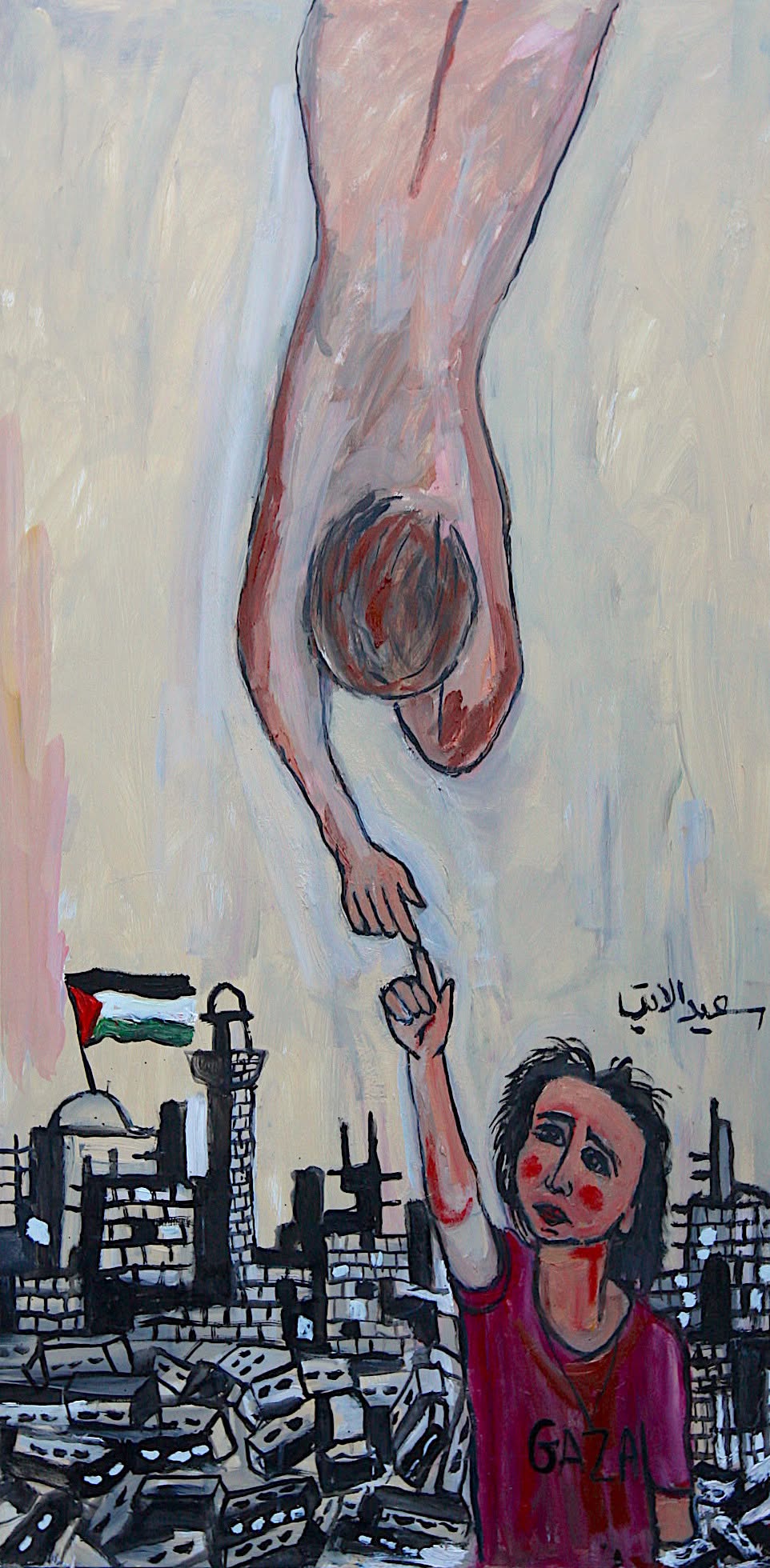
    Art of ‘Israeli’ Mutilation

    Said Elatab writes:

    My new painting, “The Mutilated Little Girl,” is a response to the ongoing destruction in Gaza. Thousands of children have suffered devastating injuries, including the loss of legs, hands, and limbs as a result of missile strikes and explosions. This painting reflects on the lifelong consequences of surviving such violence. For many children, these injuries mean a future marked by physical dependence, emotional trauma, and the constant awareness of what has been taken from them. Through this painting, I invite viewers to reflect on the human cost of war—especially for children, who bear the consequences of violence they did nothing to create. Please share it.

    Continue reading

    Leave a Reply

    Your email address will not be published. Required fields are marked *

    You Missed

    When Hunger Asked Me Who I Was?

    When Hunger Asked Me Who I Was?

    200 Israeli Film-makers Support Gaza Documentary

    200 Israeli Film-makers Support Gaza Documentary

    Art of ‘Israeli’ Mutilation

    Art of ‘Israeli’ Mutilation

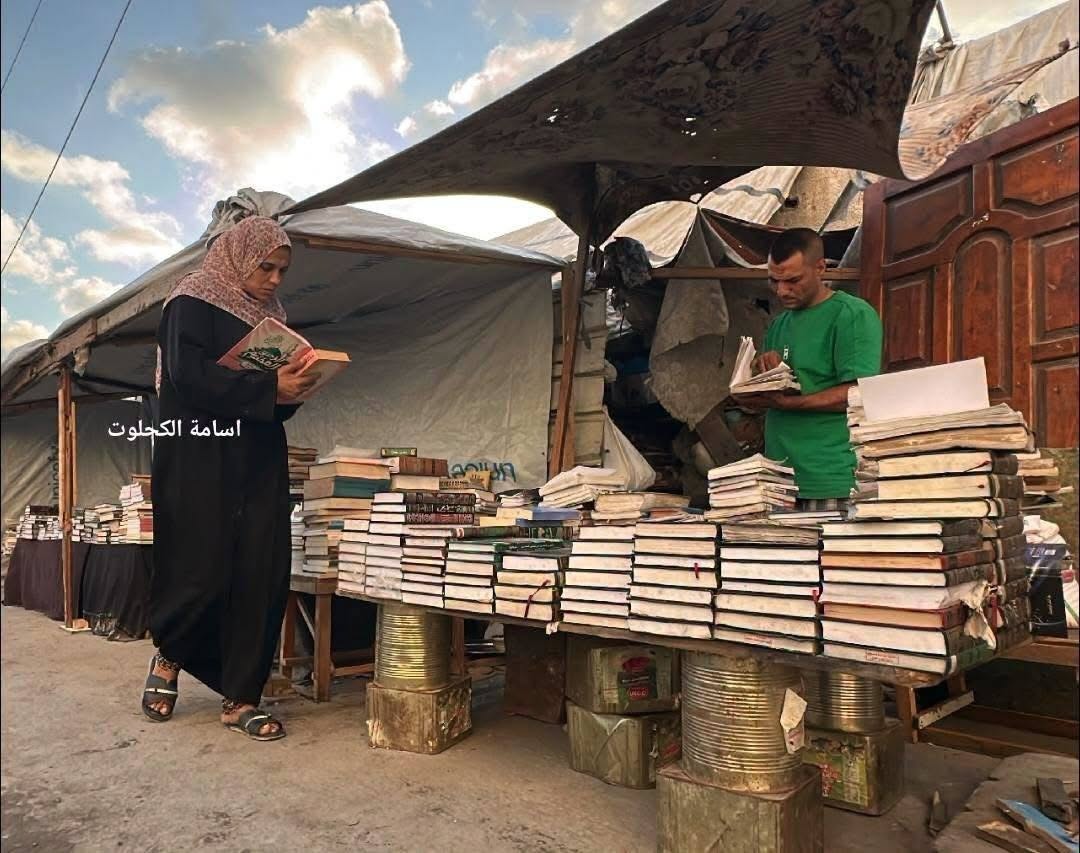
    Woman Rescues Books From Gaza Ruins

    Woman Rescues Books From Gaza Ruins

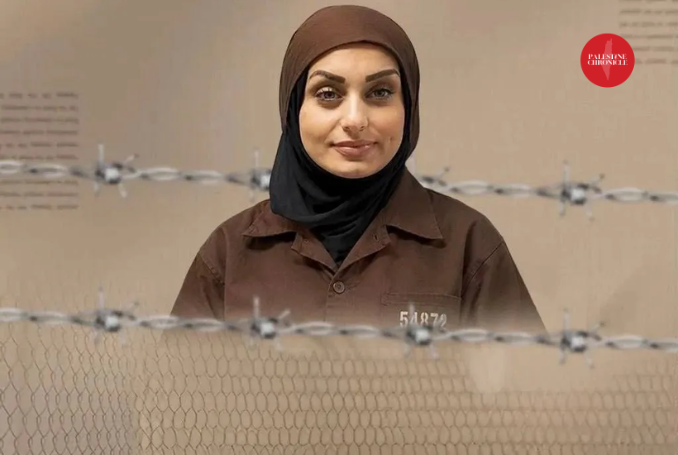
    Dana Joudeh Gives Birth in Israeli Jail

    Dana Joudeh Gives Birth in Israeli Jail

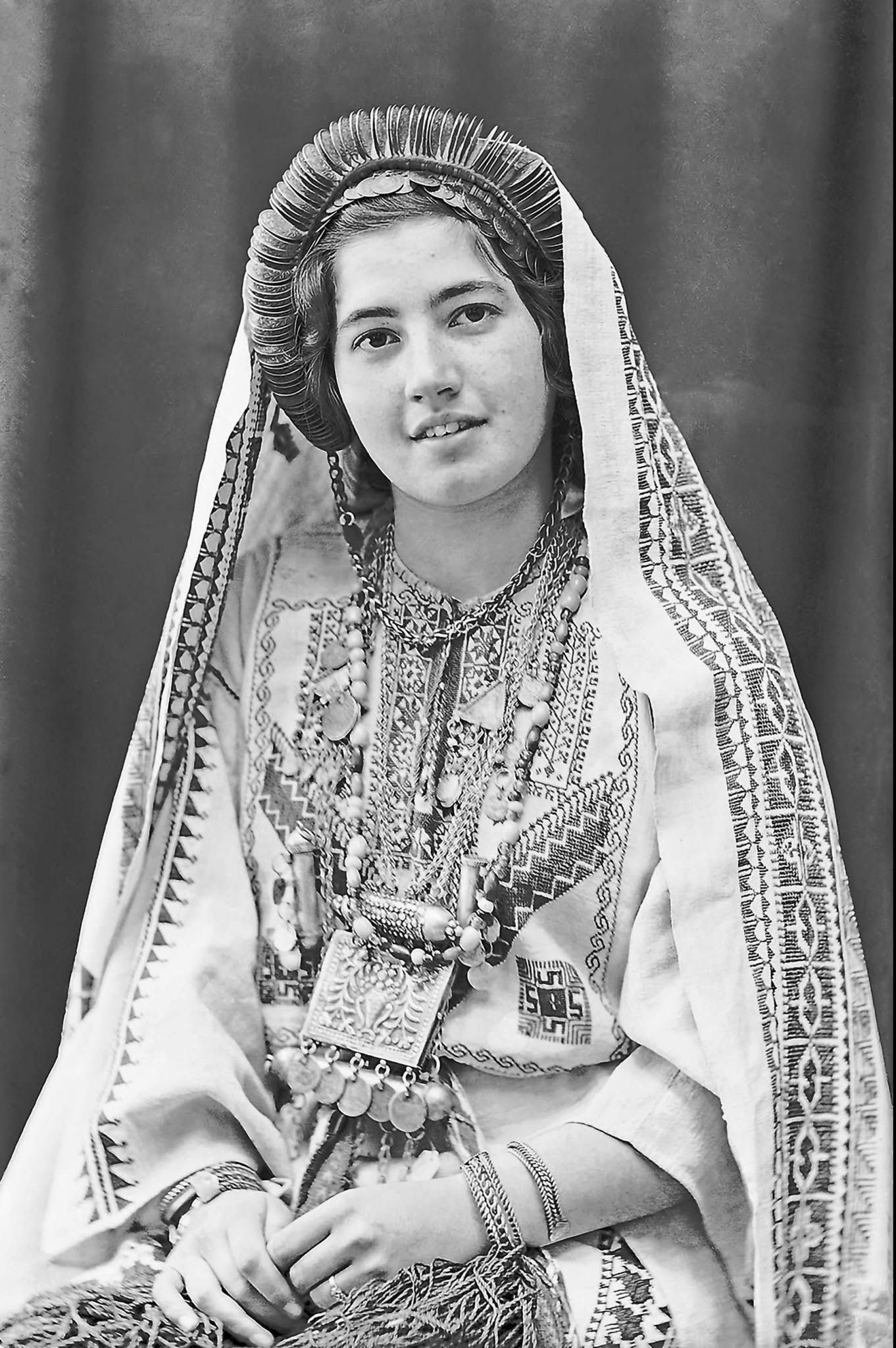
    Ruth: Daughter of Palestinian Photographer, 1939

    Ruth: Daughter of Palestinian Photographer, 1939