CrossFireArabia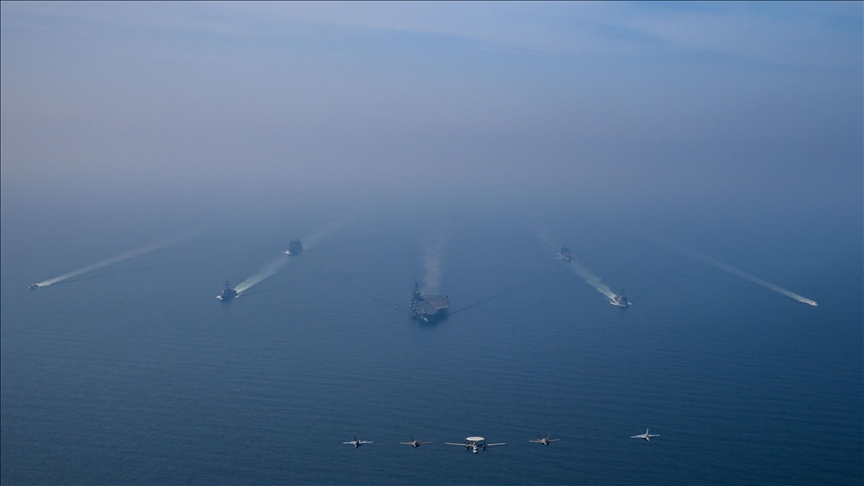
In an ESCWA report titled “Conflict and its shockwaves: escalation of a crisis in the Arab region” and released on 19 March, it points out if the US-Israel-Iran war continues for one month it would causes have losses for the Arab region amounting to nearly $150 billion, or 3.7% of regional GDP.
ESCWA, a major UN organization, warns that the conflict has causes much economic losses with preliminary estimates of about $63 billion in just two two weeks, pointing out the shock is being transmitted through energy markets, trade routes, aviation networks and financial systems.
It added shipping through the Strait of Hormuz has fallen by 97%, with disrupted cargo flows valued at about $2.4 billion a day and cumulative trade losses estimated at around $30 billion over two weeks. Between 28 February and 12 March, almost 19,000 flights were cancelled across nine major regional airports, generating an estimated $1.9 billion in airline revenue losses.
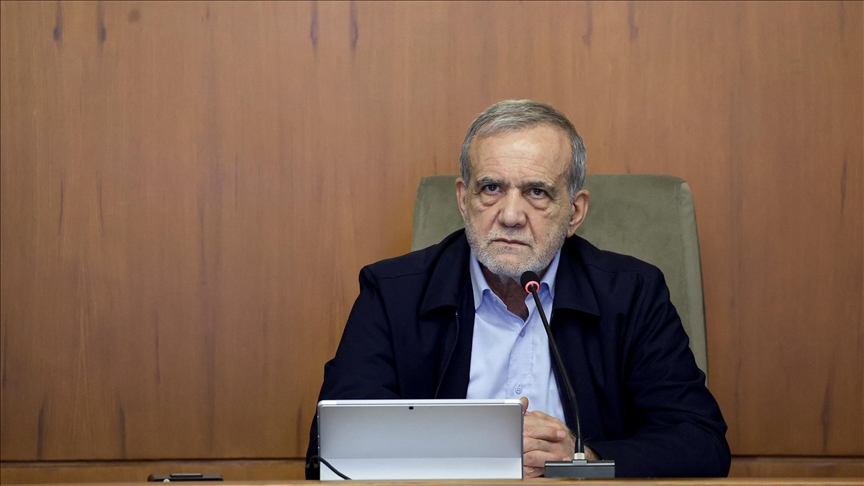
“The findings show that the economic effects of the conflict are materialising quickly and across multiple channels at once,” said Mourad Wahba, Executive Secretary of ESCWA. “What begins as a security escalation is being transmitted into the regional economy through trade, energy, transport and finance, with direct consequences for growth, fiscal stability and humanitarian pressures.”
ESCWA said the region entered the crisis with limited room to absorb a prolonged shock. Even before the latest escalation, around 210 million people, or 43% of the region’s population, were living in conflict-affected settings, including 82 million people in need of humanitarian assistance. In 2025, GCC countries provided about $4.4 billion in humanitarian aid, accounting for roughly 43% of total aid received by conflict-affected countries in the region.
The burden is likely to fall particularly heavily on energy-importing economies. At an oil price of $100 a barrel, the additional annual import bill for Egypt, Lebanon and Tunisia would rise by about $6.8 billion compared with 2026 budget assumptions, adding to fiscal pressure in countries already facing constrained public finances.
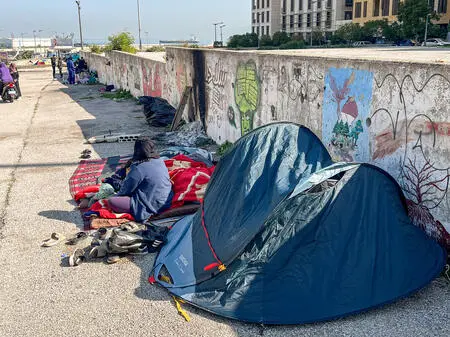
Lebanon is facing some of the gravest immediate consequences. ESCWA notes that recent escalation that erupted on 2 March took violence by Israel at a new and more intense levels. If escalating strikes continue, economic losses could rise sharply as attacks increasingly disrupt infrastructure, trade and essential services. These shocks hit an economy that has already contracted by nearly 40% since 2019. The latest escalation has also caused severe humanitarian strain, with 634 people killed as of 11 March and nearly one million displaced.
“The concern is not only the scale of the immediate losses, but the way in which they interact with pre-existing structural vulnerabilities in the region,” Wahba added. “For countries with limited fiscal space, high import dependence or significant humanitarian pressures, a prolonged conflict could exceed their capacity to absorb further shocks, with serious implications for economic stability, social cohesion, and humanitarian condition.”
The ESCWA brief assesses the impact of the conflict through a scenario-based framework covering macroeconomic losses, energy markets, maritime trade, aviation disruptions, financial shocks and Lebanon’s direct exposure to the conflict.
About ESCWA: One of five United Nations regional commissions, ESCWA supports inclusive and sustainable economic and social development in Arab States and works on enhancing regional integration.
 |