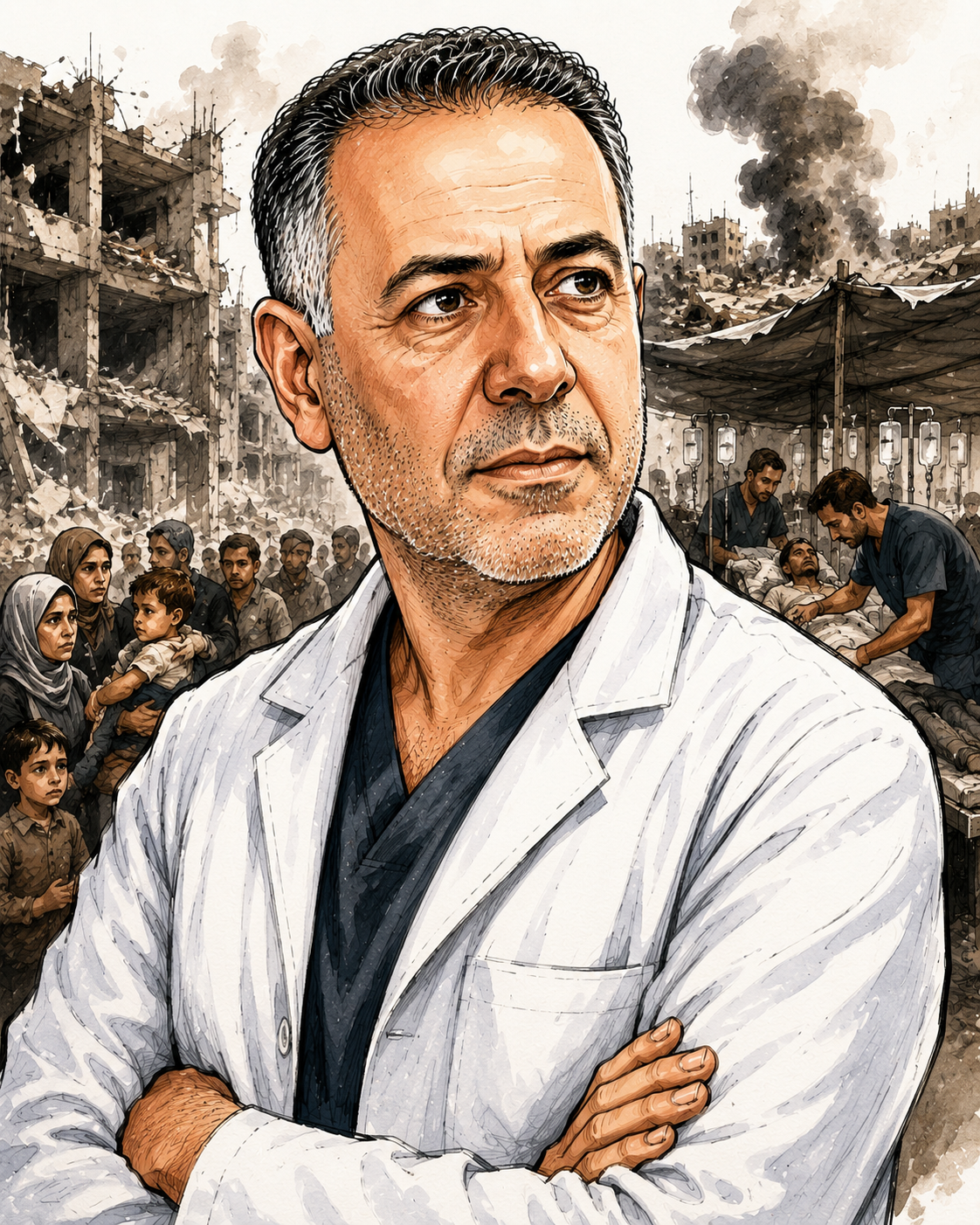
Free Hussam Abu Safieh: 600 Days in Israeli Jail

By Ismail Al Sharif

This is the last time you’ll see me. They brought me here to kill me’ – Dr. Hussam Abu Safieh.

Dr. Hussam Abu Safieh, a pediatrician and director of Kamal Adwan Hospital, has been detained by the Israeli occupation forces for nearly 600 days without trial or charges.

His only crime was trying to save the children of Gaza, condemning the crimes he witnessed, and documenting the suffering of the injured children who arrived at the hospital. He shared their images and testimonies with the world; these sparked a wave of outrage and solidarity with the Palestinian people of Gaza.

The occupation has not only bombed hospitals and cut off their electricity, causing premature babies to die in their incubators, and not only prevented medicine from reaching the wounded and denied them treatment, but it has also targeted doctors, paramedics, aid workers, journalists, and anyone who reached out to save the victims.

It doesn’t want witnesses to its crimes. But wants a fully-fledged crime committed in secret, then justified with a ready-made accusation: Belonging to Hamas, or being present in a place allegedly used by members belonging to the organization.

Dr. Abu Safieh was abducted while on duty and subsequently subjected to torture and ill-treatment. His lawyer, Nasser Odeh, documented severe injuries, difficulty breathing, and repeated episodes of unconsciousness during a visit to him on 2 July this month. He was brought to the meeting handcuffed and shackled, surrounded by masked soldiers who concealed their faces, as their actions constitute a crime.

More than 200 healthcare workers have been killed in Gaza, many as a result of direct targeting, while more than 300 doctors and healthcare workers remain detained without trial or charge; as if saving children has become a crime.

Similarly, the Israeli occupation forces abducted Palestinian surgeon Khaled al-Sir from Nasser Hospital in Khan Younis while he was working and detained him for six months before releasing him from Ofer Prison. His family remained unaware of his fate throughout this period.

The thirty-two-year-old doctor described his arrest as a “nightmare,” after he was subjected to torture, humiliation, and denied medical care. He considered himself lucky to have emerged unscathed, while some of his colleagues lost limbs due to being denied medical treatment.

No war has ever claimed so many victims among those who dedicated their lives to saving others. Despite appeals from international, human rights, and grassroots organizations, Dr.  Abu Safieh and his colleagues have not been released.

Appeals are no longer enough; what is needed is genuine political pressure, and the issue of detained doctors must be at the forefront of the priorities of Arab leaders and politicians. Remaining silent about the detention of those who gave their lives to save people is not merely a sign of weakness, but a dereliction of the most basic human and moral obligations.

This is a translated piece written by Ismail Al Sharif and published in the Arabic Addustour newspaper in Amman and appears in crossfirearabia.com

Related Posts

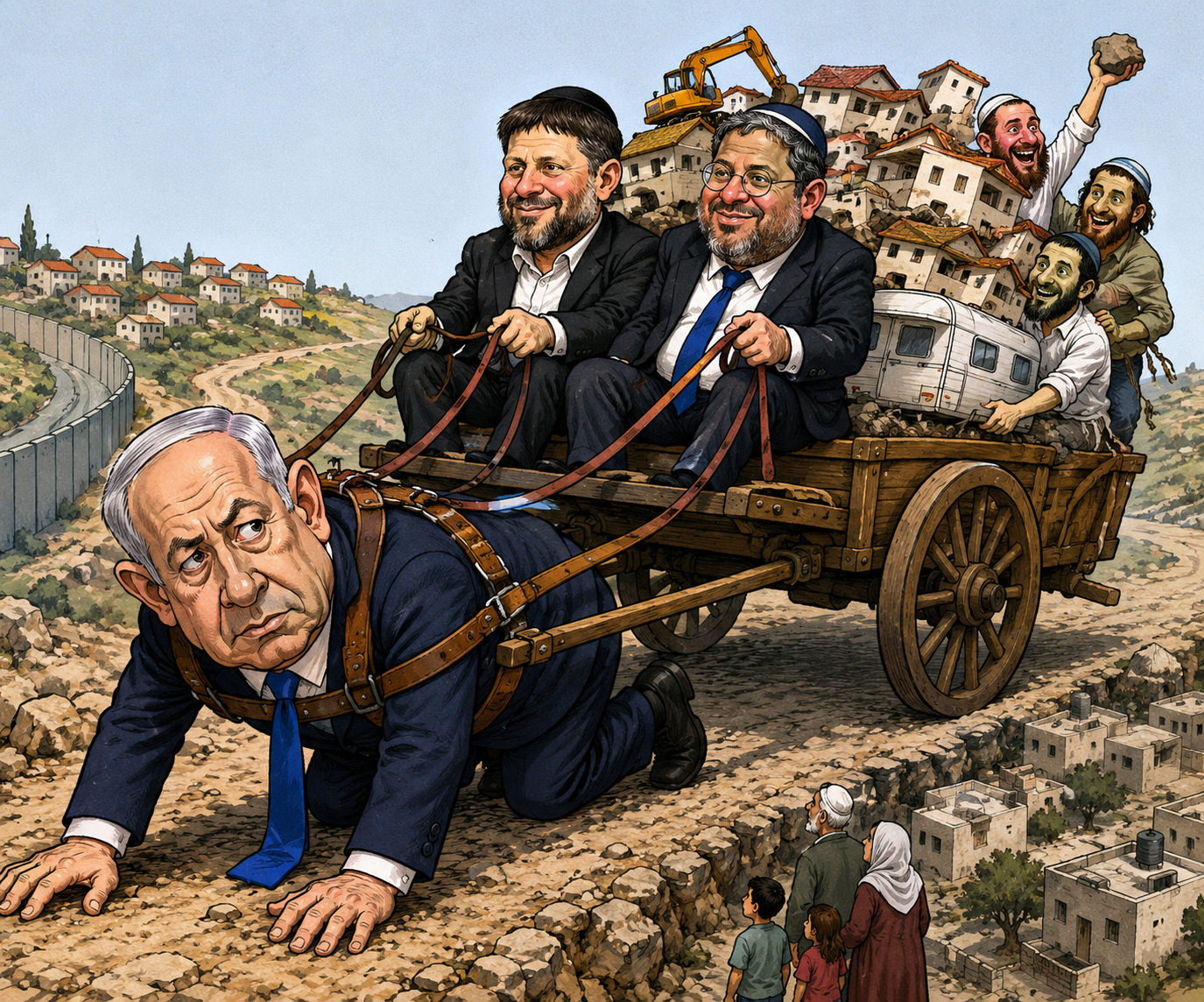
Netanyahu and The Settlers: Cart and Horse in Action

By Mohammad Abu Rumman

Perhaps the most surprising aspect of the latest events in the West Bank was not what the settlers did — that is hardly new or unexpected — but what Benjamin Netanyahu himself said. The Israeli prime minister denounced the “criminal acts of violence” committed by settlers in the villages of Qusra and Jalud, describing those responsible as a “handful of rioters” whose actions harm law-abiding settlers, interfere with the army’s work, and damage Israel’s standing in the world. This is precisely where the paradox lies: What exactly is Netanyahu condemning? Do the settlers’ actions really contradict his government’s policies, or do they ultimately serve the same project, albeit through different means and methods?

What is happening in the West Bank did not begin over the past few days, nor with the latest attacks. It has been developing for years along a clear trajectory, one that has accelerated dramatically under the current government and since the Gaza war. The United Nations has documented unprecedented levels of settler violence, with more than 1,430 attacks this year affecting some 260 Palestinian communities. Nearly 3,800 Palestinians have been displaced in 2026 as a result of settler violence, demolitions and evictions. These figures cannot simply be viewed as a collection of isolated security incidents; they point to a much deeper transformation taking place on the ground.

Settler violence, in fact, is only one part of a much larger picture. Nearly a thousand checkpoints, barriers, gates, and roadblocks now fragment the West Bank, turning everyday Palestinian life into a continuous struggle with geography, time, permits, and restrictions. In the northern West Bank, the situation has become even more severe, with tens of thousands displaced from the Jenin, Tulkarm and Nur Shams refugee camps, alongside extensive demolitions, bulldozing, and the physical reshaping of these areas.

The E1 settlement project takes the issue to another, more strategic level. Moving forward with E1 would effectively sever geographical continuity between the northern and southern West Bank and further isolate East Jerusalem, making the prospect of a contiguous and viable Palestinian state increasingly detached from realities on the ground. Add to this the transfer of significant powers within the Civil Administration to the authority of Bezalel Smotrich, who has made no secret of his objective of preventing the establishment of a Palestinian state; the empowerment of Itamar Ben-Gvir; repeated incursions into Al Aqsa Mosque and attempts to alter the long-standing status quo; settlement expansion; and a broader set of legislative and administrative measures moving in the same direction. What emerges is not a series of disconnected policies, but an integrated effort to determine the future of the West Bank on the ground before any political settlement can take place.

Against this backdrop, Netanyahu’s reference to a “handful of rioters” becomes difficult to take seriously. It suggests that the settlers operate in a political vacuum or somehow act against the direction set by the government and the state. Yet, however chaotic and violent their actions may appear, the outcome converges with a clearly defined political project: Pushing Palestinians away from their land, expanding settler control, fragmenting Palestinian geography and effectively closing the door on the possibility of a Palestinian state.

The real explanation for Netanyahu’s condemnation may therefore lie in his own words: these attacks, he said, “damage Israel’s standing in the world”. That sentence reveals the essence of the problem from his perspective. The concern appears to be less about the direction of these actions than about their method and image; less about their political consequences than about their transformation into openly violent scenes captured by international media — as happened when an NBC News crew itself came under attack by settlers — at a moment when Israel’s international image has become increasingly associated with the Gaza war, settlement expansion, and settler violence.

Netanyahu’s condemnation can therefore be understood as carrying a dual message. To the outside world, it says that the Israeli government neither endorses nor approves of such violence, even as its policies on the ground move in broadly the same direction. To the domestic audience, the message may be that what is required is not necessarily a change of course, but a more disciplined and calculated management of that course — one that does not further inflame the mounting crisis surrounding Israel’s international image and standing.

This is why Netanyahu’s condemnation is itself worthy of condemnation. The problem in the West Bank has long ceased to be simply a group of extremist settlers acting beyond the state’s control. It is part of a political project in which government policy, settlement expansion, security measures, legislation, and the Civil Administration increasingly converge to reshape the territory and demography of the West Bank and create realities that will be exceedingly difficult to reverse.

When Netanyahu finds himself condemning the natural consequences of a project that his own government has done so much to accelerate, the paradox becomes impossible to miss: He is not merely condemning the settlers. In effect, Netanyahu is condemning himself.

By Mohammad Abu Rumman is a columnist in The Jordan Times.

Continue reading

You Missed

Starry Night Over Bethlehem

Starry Night Over Bethlehem

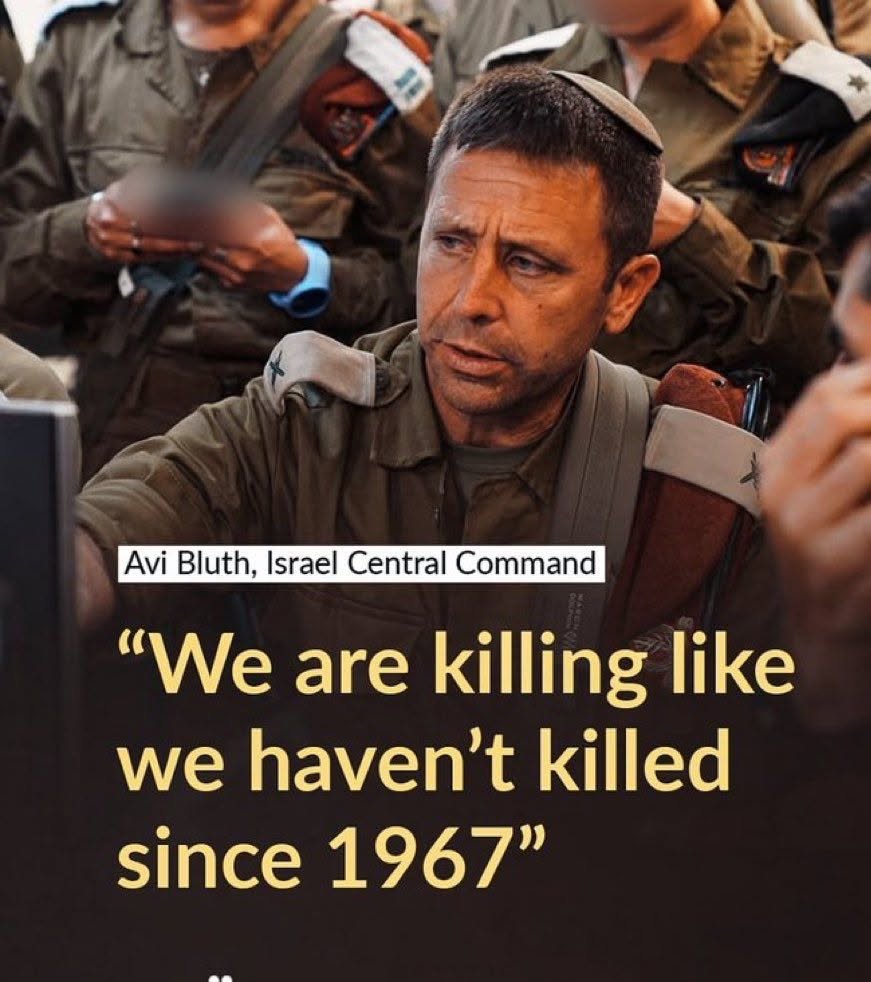
‘We Are Killing Like We Haven’t Killed Since 1967’

‘We Are Killing Like We Haven’t Killed Since 1967’

Thobe: Identity, Thread and Needle

Thobe: Identity, Thread and Needle

Netanyahu and The Settlers: Cart and Horse in Action

Netanyahu and The Settlers: Cart and Horse in Action

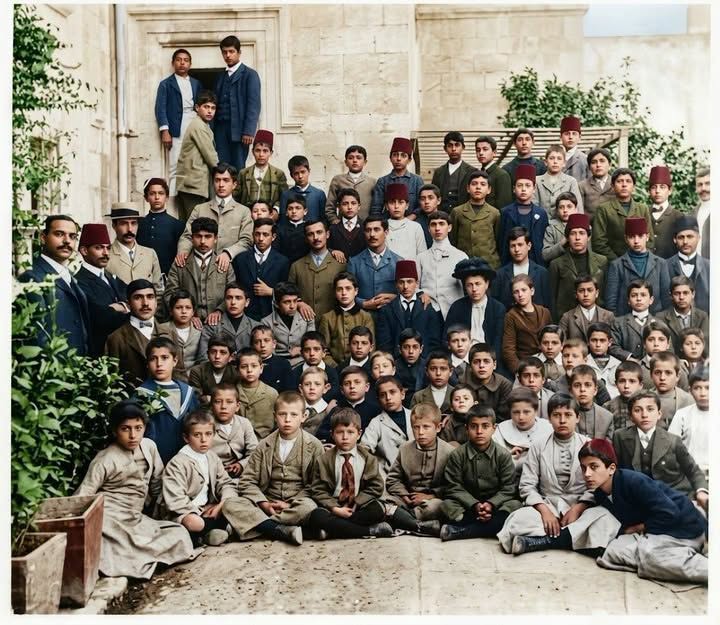
Pupils From The Bishop’s School, Jerusalem

  • By Heba
  • August 30, 2026
  • 14 views
Pupils From The Bishop’s School, Jerusalem

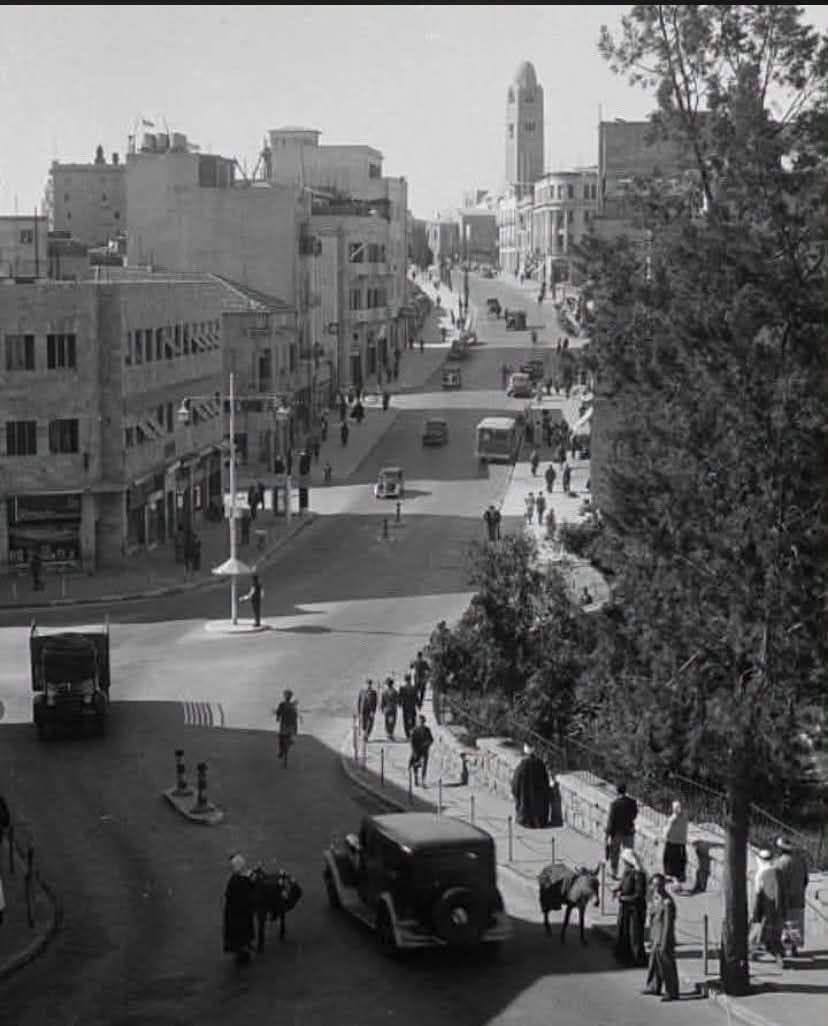
Jerusalem’s Mamilla in The 1940s

  • By marwan
  • August 30, 2026
  • 14 views
Jerusalem’s Mamilla in The 1940s