CrossFireArabia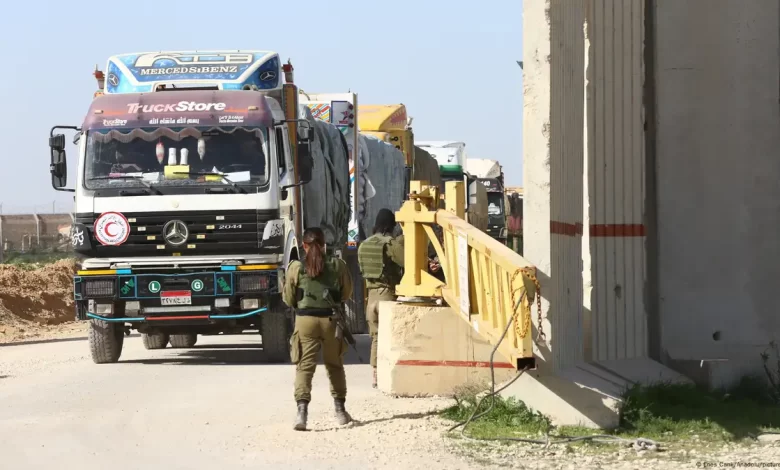
An internal United Nations memo obtained by The Washington Post reveals that criminal gangs are looting humanitarian aid in Gaza under the protection of the Israeli military.
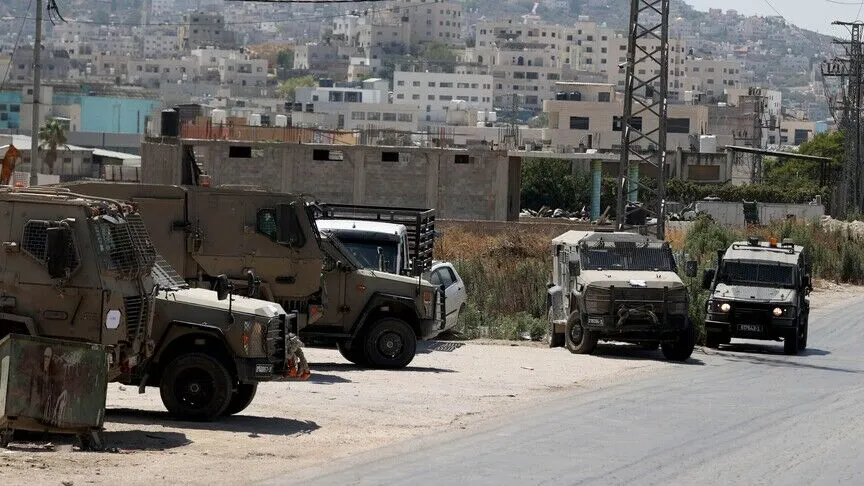
According to the memo, organized crime groups have been systematically seizing aid supplies in areas directly controlled and patrolled by the Israel military, significantly worsening the humanitarian crisis in the besieged enclave.
The report also quotes a senior official from a major international relief organization as stating that “We have not witnessed any interference from Hamas in our programs, whether in the north or the south”, denying Israeli accusations against the resistance movement.
Memo Exposes Israeli Complicity
The internal document concludes that these gangs “may be benefiting from a passive if not active benevolence” or even “protection” from the Israeli army.
Specifically, the memo highlights that one gang leader established a “military-like compound” in a restricted area near Karem Abu Salem crossing, which is closely monitored by Israeli forces.
Despite the presence of Israeli troops nearby, aid organizations report that Israeli soldiers have repeatedly decided not to intervene during attacks on aid convoys.
Increasing Violence Against Aid Convoys
Officials from various aid groups, humanitarian workers, and transport companies describe how gangs have turned looting into an organized criminal enterprise, often resorting to extreme violence.
Armed men have attacked aid truck drivers, leading to kidnappings and, in some cases, fatalities. In a major incident reported last week, nearly 98 out of 109 trucks carrying UN food aid were ransacked near the border crossing. The attackers not only stole food but also injured several transporters and severely damaged vehicles.
According to Muhannad Hadi, the UN humanitarian coordinator for the occupied Palestinian territories, the security situation in Gaza has completely deteriorated. “Gaza is basically lawless,” he said. “There is no security anywhere.” He emphasized that, as the occupying power, Israel bears the responsibility to protect and secure the aid convoys entering the region.
Aid Organizations Plead for Protection
The memo further outlines how aid organizations have repeatedly requested Israeli authorities to implement better security measures, including safer routes and permission for Gaza’s civilian police to protect convoys. However, these requests have largely been denied.
The Israeli military has denied any involvement, claiming that its forces are focused on facilitating aid transfers and have carried out “targeted countermeasures” against the looters without causing collateral damage.
Mounting Humanitarian Crisis
The looting has exacerbated an already dire humanitarian crisis in Gaza. As winter approaches, aid organizations struggle to deliver critical food, hygiene items, and shelter supplies to over 2 million displaced Palestinians.
With aid supplies dwindling to their lowest levels since the early stages of the genocide, millions are now at risk of severe hunger.
The Biden administration had decided to maintain its military aid to Israel, despite mounting evidence of Israel’s systematic starvation campaign against Gaza, claiming that Israel has not breached American laws on blocking aid supplies. Earlier on the same day, Israel’s Defence Ministry confirmed that it has no immediate plans to send aid to the besieged northern Gaza Strip.
The Ministry of Interior in Gaza has announced on Monday that it stated a large-scale security operation targeting outlaws, who have been looting humanitarian aid under the protection of Israeli forces. According to sources within the ministry, the crackdown led to the neutralization of Abu Shabab, who was mentioned in the UN memo as the main gang leader, as well as over 20 members of his gang according to the Quds News Network.