UN: ‘No Famine But Kids Still at Risk’
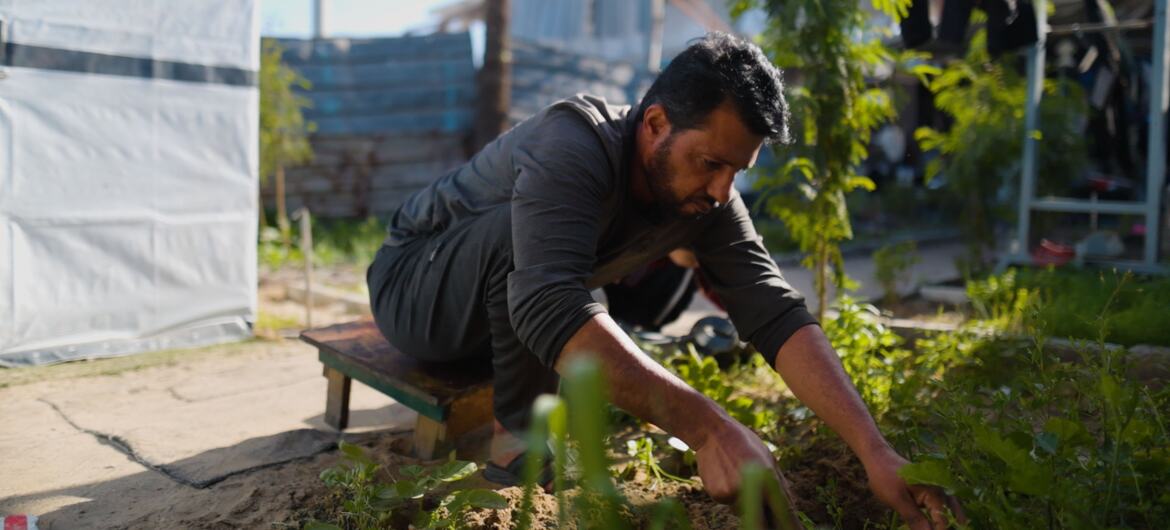
Among tent cities pitched on the rubble of destroyed homes in Gaza, children are, by one measure, finally getting enough to eat. By another, however, many of them may never fully recover, according to a new study by the UN Children’s Fund (UNICEF) released on Monday.
Key points
- Famine was reported in August 2025 following two years of the Hamas-Israel war that saw Israel severely restrict entry of food into the Occupied Palestinian Territory and launch attacks that destroyed 87 per cent of cropland
- After the October 2025 ceasefire, Israel has allowed more humanitarian aid into Gaza, which in turn experienced increased food security
- Further improvements were seen between 31 May and 15 June 2026, with only around one per cent of children now showing signs of acute malnutrition, or severe wasting, but long-term effects of acute hunger remain
Hunger damage may be permanent
According to the new UNICEF survey, 12.2 per cent – one in eight children – were chronically malnourished, or stunted, reflecting the cumulative toll of more than two years of war even as humanitarian aid had scaled up since the October 2025 ceasefire.
For the latter group, the damage may be permanent: stunting can affect a child’s brain development, learning ability and future health for the rest of their lives.
“Acute malnutrition can improve within weeks,” said Edouard Beigbeder, UNICEF’s regional director for the Middle East and North Africa. “The wider damage does not.”
Mass starvation averted
In August 2025, a UN-backed measure of food insecurity, IPC, confirmed famine in Gaza.
At the time, humanitarian access had been severely restricted since the war began in 2023, and 17,000 children were admitted for acute malnutrition treatment that month at hospitals in Gaza.
Since the October ceasefire, Israel eased restrictions on the entry of humanitarian aid, which has helped prevent mass starvation. The same figure dropped to 3,000 by March 2026, but it hasn’t been enough to protect children’s long-term growth and development.
Low birth weight babies
Nearly one in 10 women of reproductive age were themselves malnourished, according to the survey. These mothers are at risk of having low birth weight babies and unwittingly passing on their nutrient deprivation to their children.
Additionally, the survey found that rates of breastfeeding remained high, but only between 20 and 30 per cent of toddlers ate a sufficiently diverse diet, according to multiple measures.
“Behind these numbers are children who are not getting the diverse, nutritious food they need to grow and stay healthy,” UN Spokesperson Stéphane Dujarric said on Monday.
Calls for sustained aid access
Children who become ill in Gaza often cannot access treatment, especially for diarrhoea, the survey found, and vaccination rates fall short of the crucial herd immunity threshold.
UNICEF’s survey measured nearly 1,335 children and interviewed more than 2,000 households, making it representative of the Gazan population living in accessible areas.
“We continue to call for sustained and unimpeded humanitarian access to the Gaza Strip, including for fuel, continued funding for nutrition, health, water and sanitation services and open commercial markets, so that children and families can get the food and essential services they need to prevent further deterioration,” Mr. Dujarric said.
Underlying conditions remain
UNICEF warned that the situation remains fragile as sustained humanitarian access is pivotal.
The findings illustrate what UN agencies have warned for years: humanitarian aid works in the short term to address crises, but any disruption to aid, new displacement or disease outbreak could push acute malnutrition rates back up very quickly.
Despite gains, the underlying drivers of long-term health, including poor diet diversity, sick mothers, recurring childhood illness, incomplete vaccination and deworming, remain.
“Children need safe water, health care, and diverse and nutritious food, not only enough calories to survive,” Mr. Beigbeder said.
A report released by UNICEF alongside the survey results recommended:
- Keeping malnutrition treatment running in the near term
- Shifting from crisis response toward prevention in the medium term
- Rebuilding primary healthcare and food systems in the longer term
Learn more about UN efforts in the Occupied Palestinian Territory here.
UN News

 CrossFireArabia

 marwan